How To Replace The Air Filter
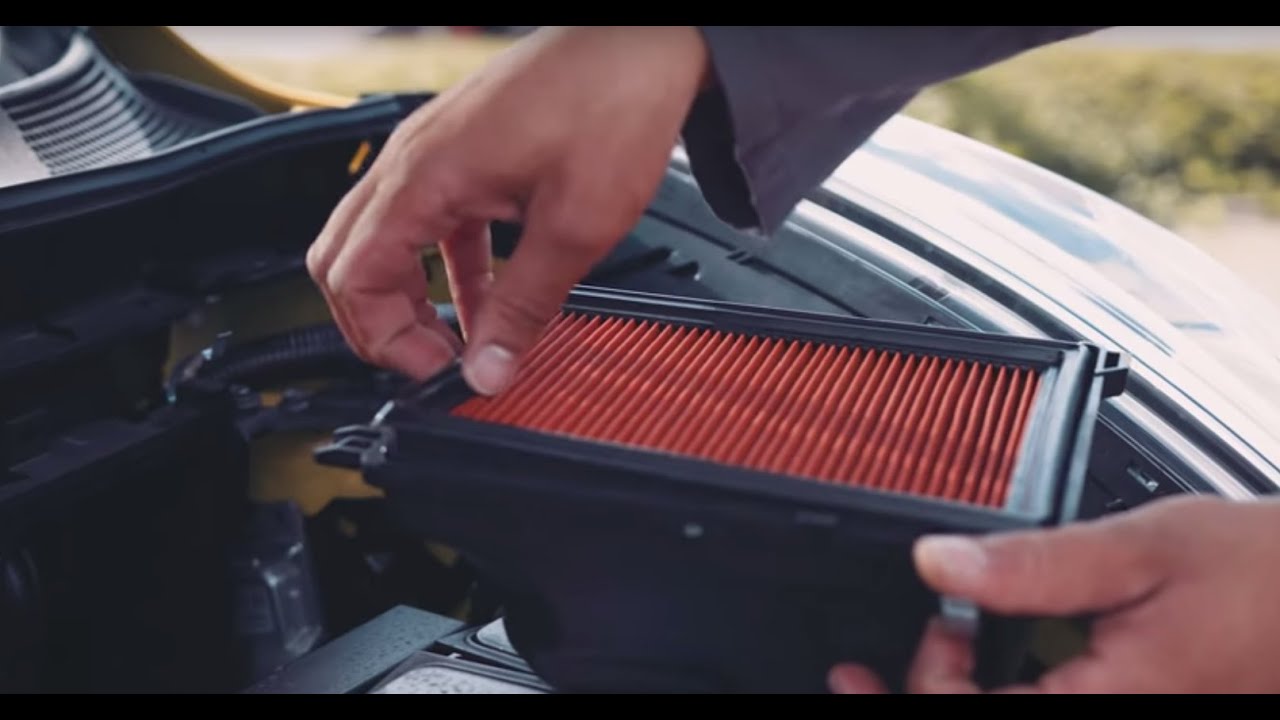
Maintaining good air quality in your home is crucial for your health and comfort. One of the simplest and most effective ways to achieve this is by regularly replacing your air filter. This guide will walk you through the process step-by-step, empowering you to keep your HVAC system running efficiently and your indoor air clean.
Why Replace Your Air Filter?
Before we dive into the 'how,' let's understand the 'why.' Your air filter plays a vital role in your HVAC (Heating, Ventilation, and Air Conditioning) system. Its primary function is to trap dust, pollen, pet dander, and other airborne particles, preventing them from circulating through your home and damaging your equipment.
Benefits of a Clean Air Filter:
- Improved Air Quality: A clean filter removes allergens and pollutants, making your home environment healthier, especially for those with allergies or respiratory issues.
- Enhanced HVAC Efficiency: A clogged filter restricts airflow, forcing your system to work harder to maintain the desired temperature. This leads to higher energy bills and reduced efficiency.
- Extended HVAC Lifespan: When your system strains to overcome restricted airflow, it puts extra stress on its components, potentially leading to premature wear and tear and costly repairs. Think of it like trying to breathe through a straw – it puts a strain on your lungs!
- Reduced Dust Accumulation: A good filter captures dust before it settles on your furniture and other surfaces, making cleaning easier.
When to Replace Your Air Filter
The frequency with which you need to replace your air filter depends on several factors, including:
- Filter Type: Different filters have different lifespans.
- Household Size: Larger households typically generate more dust and debris.
- Pets: Pets shed dander, which can quickly clog filters.
- Allergies: If you have allergies, you may need to change your filter more frequently.
- Air Quality: If you live in an area with poor air quality, your filter will likely get dirtier faster.
As a general rule of thumb, consider these guidelines:
- Basic Fiberglass Filters: Replace every 30 days. These are the least expensive but also the least effective.
- Pleated Filters (1-2 inch): Replace every 90 days (3 months). A good balance of cost and performance.
- Pleated Filters (4-5 inch): Replace every 6-12 months. These offer superior filtration and a longer lifespan.
- Washable Filters: Clean every 30 days. While reusable, they may not be as effective as disposable filters.
Always check your filter monthly. Even if the recommended replacement interval hasn't arrived, a visibly dirty filter should be replaced immediately. Set a reminder on your phone or calendar to ensure you don't forget!
Tools and Materials You'll Need
Replacing your air filter is a simple task that requires minimal tools and materials:
- New Air Filter: Ensure you have the correct size and type. We'll discuss how to determine this in the next section.
- Screwdriver (Possibly): Some filter access panels are secured with screws.
- Gloves (Optional): To keep your hands clean.
- Flashlight (Optional): To help you see inside the filter compartment.
- Mask (Optional): To avoid breathing in dust and debris during removal.
Finding the Right Air Filter Size
This is arguably the most crucial step. Installing the wrong size filter can render it ineffective or even damage your HVAC system. Here's how to determine the correct size:
- Check Your Old Filter: The size is usually printed on the filter's frame. Look for three numbers separated by "x" (e.g., 16x25x1). These represent the filter's width, height, and depth in inches.
- Measure the Filter Opening: If you can't find the size on the old filter (or it's missing), use a measuring tape to measure the width, height, and depth of the filter opening in your HVAC unit.
- Consult Your HVAC System's Manual: The manual should specify the correct filter size.
- If in Doubt, Ask a Professional: If you're unsure, consult a qualified HVAC technician. They can help you determine the correct size and type of filter for your system.
Important: Always err on the side of a slightly smaller filter if you're unsure. A filter that's too large won't fit properly, while a slightly smaller filter can still function effectively.
Step-by-Step Guide to Replacing Your Air Filter
Now that you have the right filter, let's get started!
- Turn Off Your HVAC System: This is a critical safety precaution. Locate the power switch for your furnace or air conditioner (usually near the unit) and turn it off.
- Locate the Filter Compartment: The filter is typically located in one of these places:
- The furnace itself: Often on the side or bottom of the unit.
- The air handler: A separate unit, usually in the attic or basement.
- A wall or ceiling return vent: This is where the air from your home enters the HVAC system.
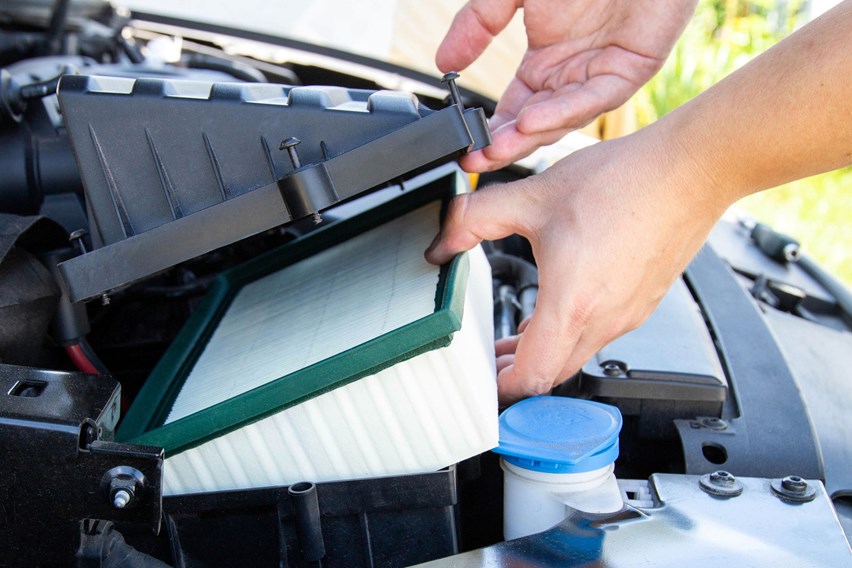
- Open the Filter Compartment: The compartment usually has a door or panel that can be opened by sliding, lifting, or unscrewing it. If there are screws, use your screwdriver to remove them.
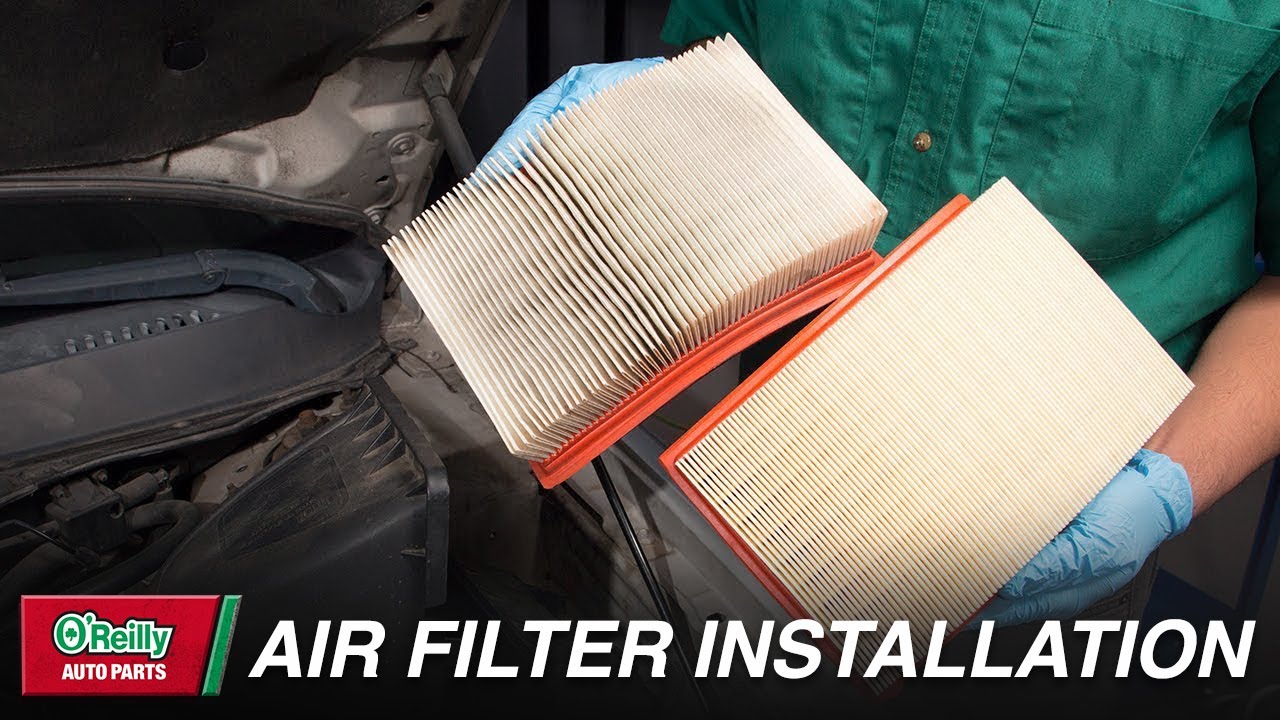
- Remove the Old Filter: Carefully slide the old filter out of the compartment. Pay attention to the direction of airflow, which is usually indicated by an arrow on the filter frame. This arrow shows which way the air flows into the filter.
- Inspect the Filter Compartment: Use a flashlight to inspect the compartment for any accumulated dust or debris. If necessary, use a vacuum cleaner to clean it.
- Insert the New Filter: Slide the new filter into the compartment, making sure the airflow arrow on the filter frame points in the same direction as it did on the old filter. This is essential for proper filtration.
- Close the Filter Compartment: Replace the door or panel and secure it with screws if necessary. Ensure it's properly sealed to prevent air leaks.
- Turn On Your HVAC System: Turn the power switch back on.
- Dispose of the Old Filter: Wrap the old filter in a plastic bag to prevent dust and debris from escaping, and dispose of it properly.
Troubleshooting Common Issues
While replacing your air filter is generally straightforward, you might encounter a few common issues:
- Filter Too Tight to Remove: Gently wiggle the filter back and forth while pulling it out. If it's extremely stuck, you may need to use pliers to grip the edge of the frame. Be careful not to damage the filter compartment.
- Filter Doesn't Fit: Double-check the size of the filter and the filter opening. If you accidentally purchased the wrong size, return it to the store and get the correct one.
- Airflow Arrow Is Missing: If the arrow is missing, try to remember the orientation of the old filter. If you're unsure, a general rule is that the dirtier side of the old filter faced the return duct (where air enters the system). Install the new filter with the same orientation in mind. When in doubt, call an HVAC professional.
Choosing the Right Type of Air Filter
Air filters aren't all created equal. They come in different materials and with different MERV ratings. Here's a brief overview:
- Fiberglass Filters: These are the cheapest option and offer minimal filtration. They primarily protect the HVAC equipment from large debris but do little to improve indoor air quality.
- Pleated Filters: Made of paper or cloth, pleated filters offer significantly better filtration than fiberglass filters. They capture smaller particles like pollen, dust mites, and pet dander. These are a good balance of cost and effectiveness for most homes.
- HEPA Filters: HEPA (High-Efficiency Particulate Air) filters are the most effective at capturing airborne particles, including bacteria and viruses. They are often recommended for people with allergies or respiratory problems, or those who are very concerned about air quality. However, they can be more restrictive to airflow, potentially straining your HVAC system if it's not designed to handle them. Ensure your system is compatible before using a HEPA filter.
- Washable Filters: These filters can be washed and reused, saving you money in the long run. However, they may not be as effective as disposable filters, and they require regular cleaning. Ensure they are completely dry before reinstalling to prevent mold growth.
Understanding MERV Ratings
The Minimum Efficiency Reporting Value (MERV) rating indicates a filter's ability to capture particles of different sizes. The higher the MERV rating, the more effective the filter is at capturing smaller particles. However, higher MERV ratings also mean more airflow restriction. A MERV rating between 8 and 11 is generally recommended for residential use. Consult with an HVAC professional to determine the optimal MERV rating for your system and your specific needs.
When to Call a Professional
While replacing your air filter is a simple task, there are situations where it's best to call a professional:
- You're unsure about the correct filter size or type.
- You're having difficulty accessing the filter compartment.
- You notice signs of HVAC system problems, such as reduced airflow, unusual noises, or frequent cycling.
- You suspect mold growth in the filter compartment or ductwork.
A qualified HVAC technician can help you choose the right filter, properly install it, and diagnose any underlying issues with your system.
Conclusion
Replacing your air filter is a simple yet crucial task that can significantly improve your indoor air quality, enhance HVAC efficiency, and extend the lifespan of your equipment. By following the steps outlined in this guide, you can confidently maintain your HVAC system and breathe easier knowing you're taking care of your home and your health. Remember to check your filter regularly and replace it as needed. Your HVAC system (and your lungs!) will thank you for it.