How To Reverse Ac Motor Direction
Frequently Asked Questions: Reversing AC Motor Direction
AC motors are incredibly versatile and used in countless applications, from household appliances to industrial machinery. Understanding how to reverse their direction is crucial for many projects and maintenance tasks. This FAQ aims to answer common questions about reversing AC motor direction safely and effectively.
Q1: Can I reverse the direction of all AC motors?
Not all AC motors can be easily reversed. The ability to reverse direction depends on the type of AC motor. The most common type of AC motor that can be reversed is the single-phase motor. Three-phase motors are also reversible. However, some specialized AC motors are designed to operate in only one direction and cannot be reversed without significant modification, if at all.
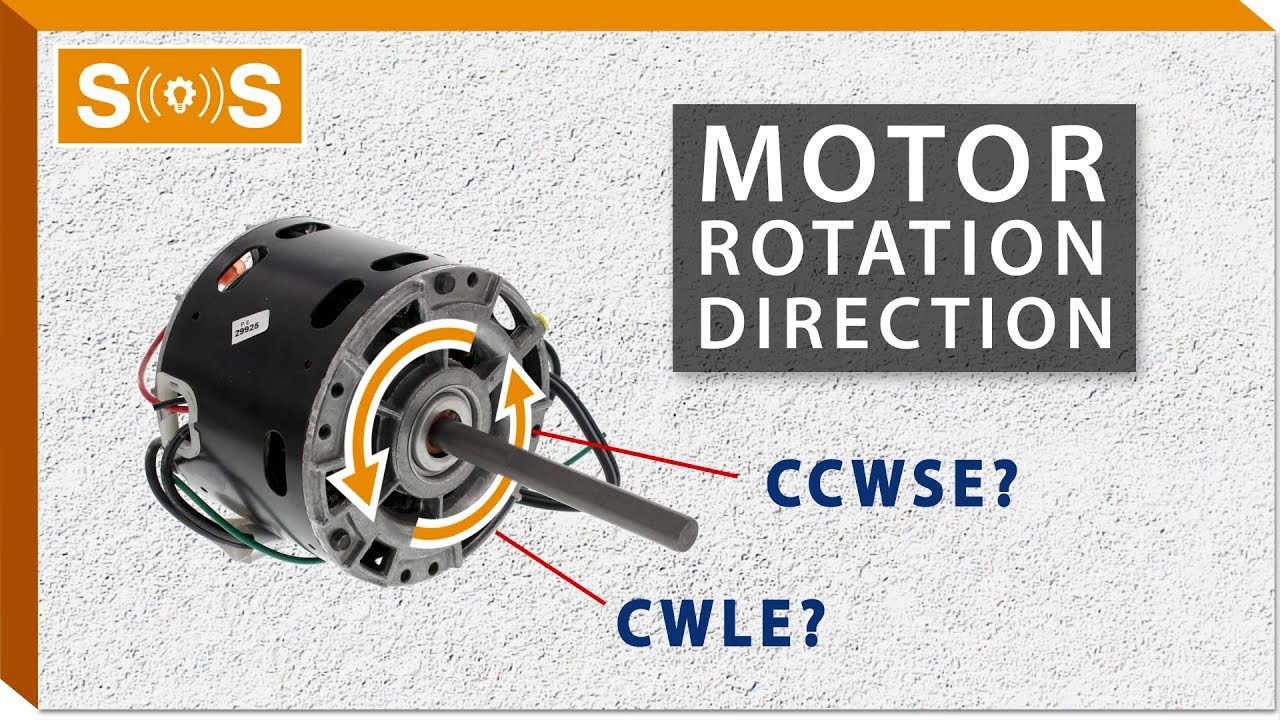
Before attempting to reverse any AC motor, it's crucial to identify the motor type. Look for a nameplate on the motor casing that specifies the type and wiring configuration. If you're unsure, consult the motor's documentation or a qualified electrician.
Q2: How do I reverse the direction of a single-phase AC motor?
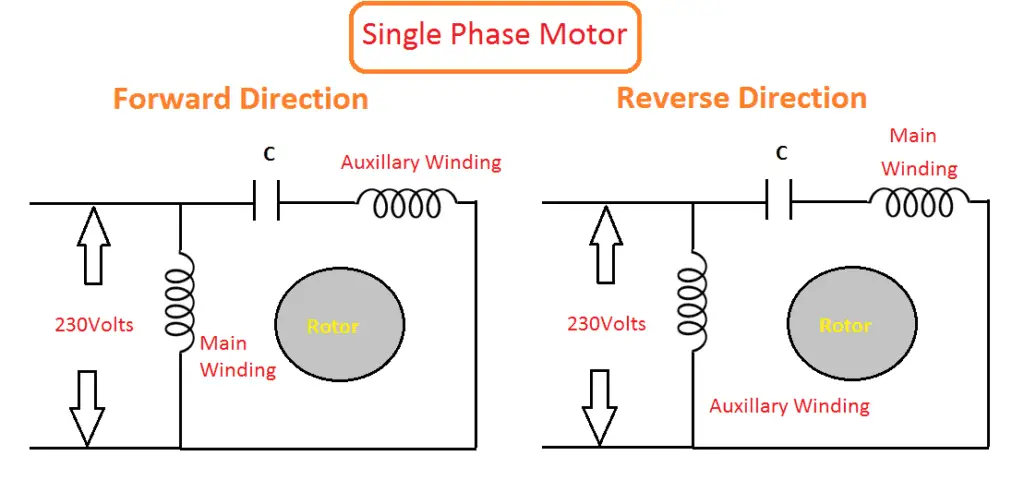
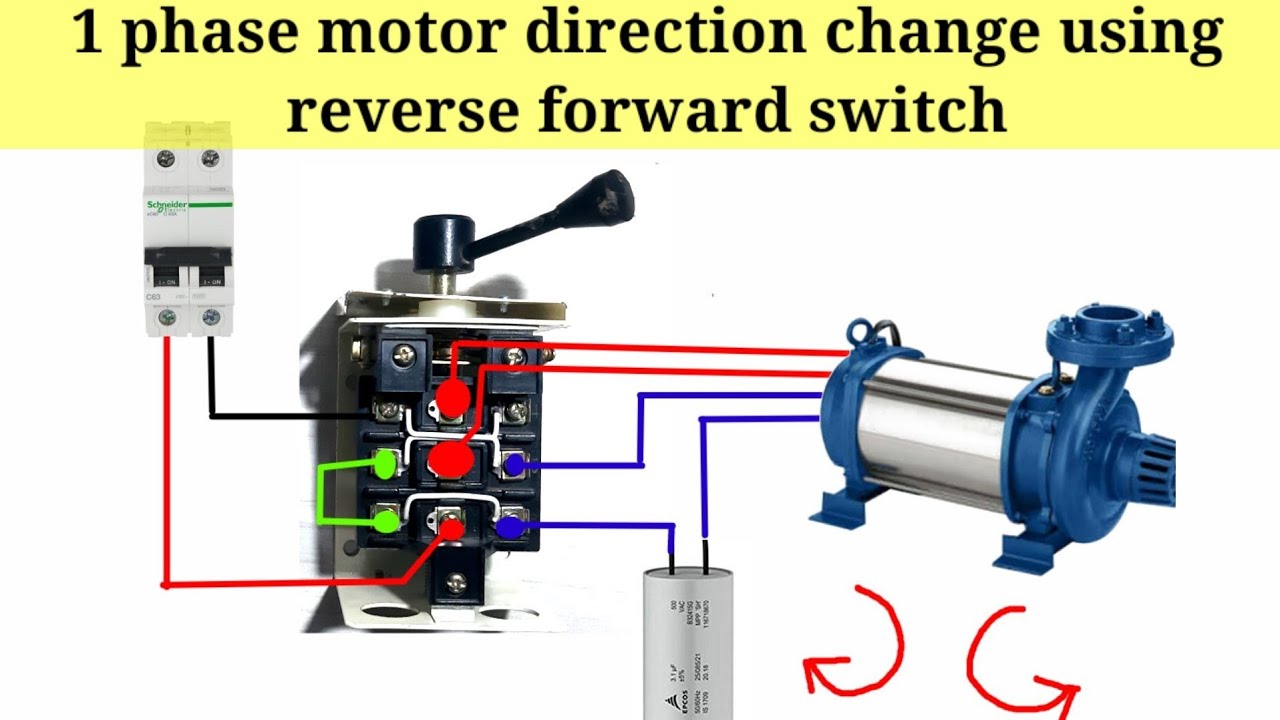
Reversing a single-phase AC motor typically involves changing the connections to the starting winding (also known as the auxiliary winding). Here's a breakdown:
- Identify the Windings: Single-phase motors have two main windings: the main winding (also called the running winding) and the starting winding. You'll need to identify which wires connect to each winding. Sometimes a wiring diagram is located on the motor body. If not, you'll need to test the resistance between the motor wires to determine which wires are the main winding and which are the starting winding. The main winding will typically have a lower resistance.
- Locate the Reversing Terminals: Many reversible single-phase motors have clearly marked terminals or wires specifically for reversing direction. These are often connected to the starting winding.
- Swap the Connections: The typical method involves swapping the connections of the starting winding leads. Instead of connecting one starting winding lead to terminal A and the other to terminal B, you would connect the first lead to terminal B and the second lead to terminal A. Do not swap the main winding connections.
- Capacitor Considerations: Some single-phase motors use a capacitor to provide the necessary phase shift for starting. Ensure that the capacitor connections are correct after reversing the starting winding. The capacitor is typically wired in series with the starting winding.
- Safety First: Always disconnect the motor from the power supply before making any wiring changes. Use insulated tools and follow proper safety procedures.
Important Note: The specific wiring configuration varies depending on the motor manufacturer and model. Always refer to the motor's wiring diagram or consult a qualified electrician for guidance.
Q3: What about reversing a three-phase AC motor? Is it different?
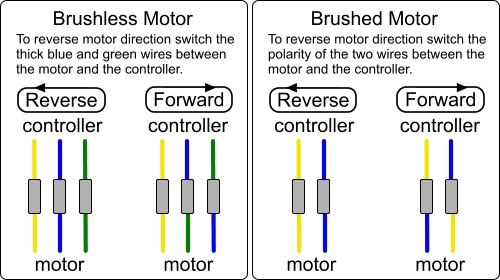
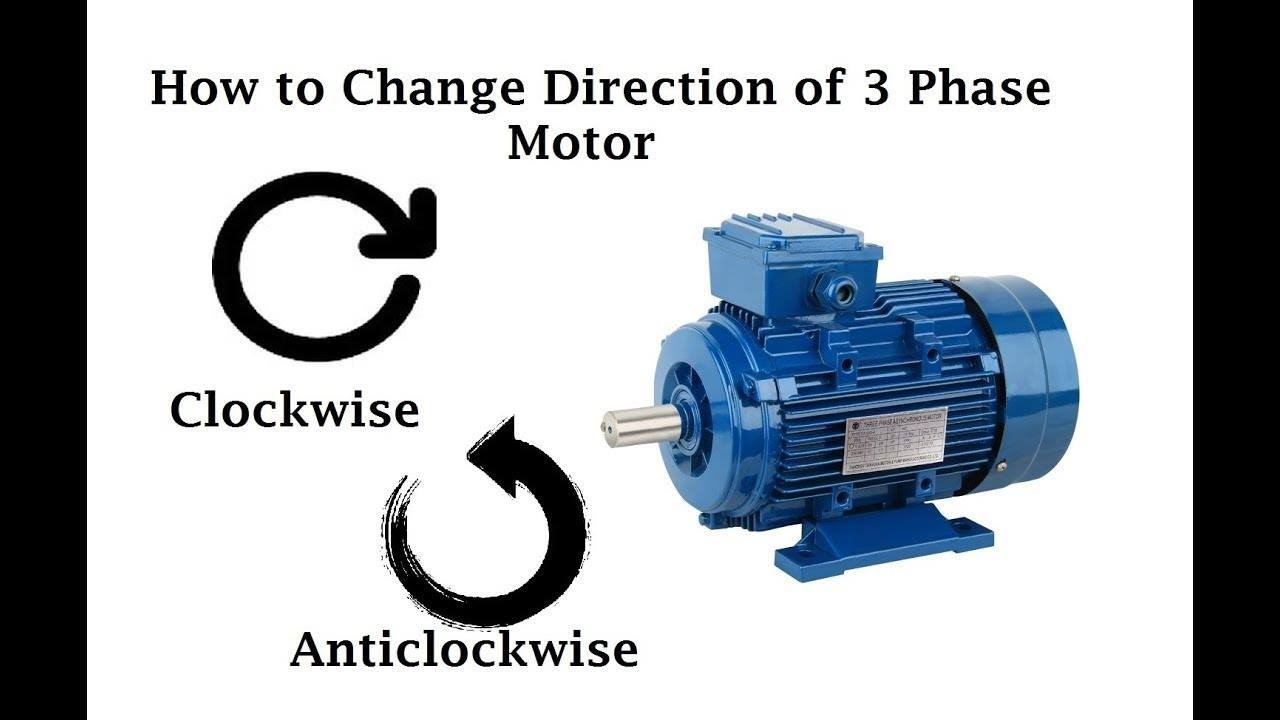
Yes, reversing a three-phase AC motor is generally simpler than reversing a single-phase motor. The process involves swapping any two of the three power leads going to the motor.
- Identify the Power Leads: Three-phase motors have three power leads (often labeled L1, L2, and L3, or T1, T2, and T3).
- Swap Any Two: Disconnect the motor from the power supply. Then, swap the positions of any two of the power leads. For example, you could swap L1 and L2, or L2 and L3.
- Reconnect and Test: Reconnect the motor to the power supply. The motor should now rotate in the opposite direction.
- Safety Precautions: As with any electrical work, always disconnect the power before making any wiring changes. Ensure that the wiring is properly insulated and that all connections are secure.
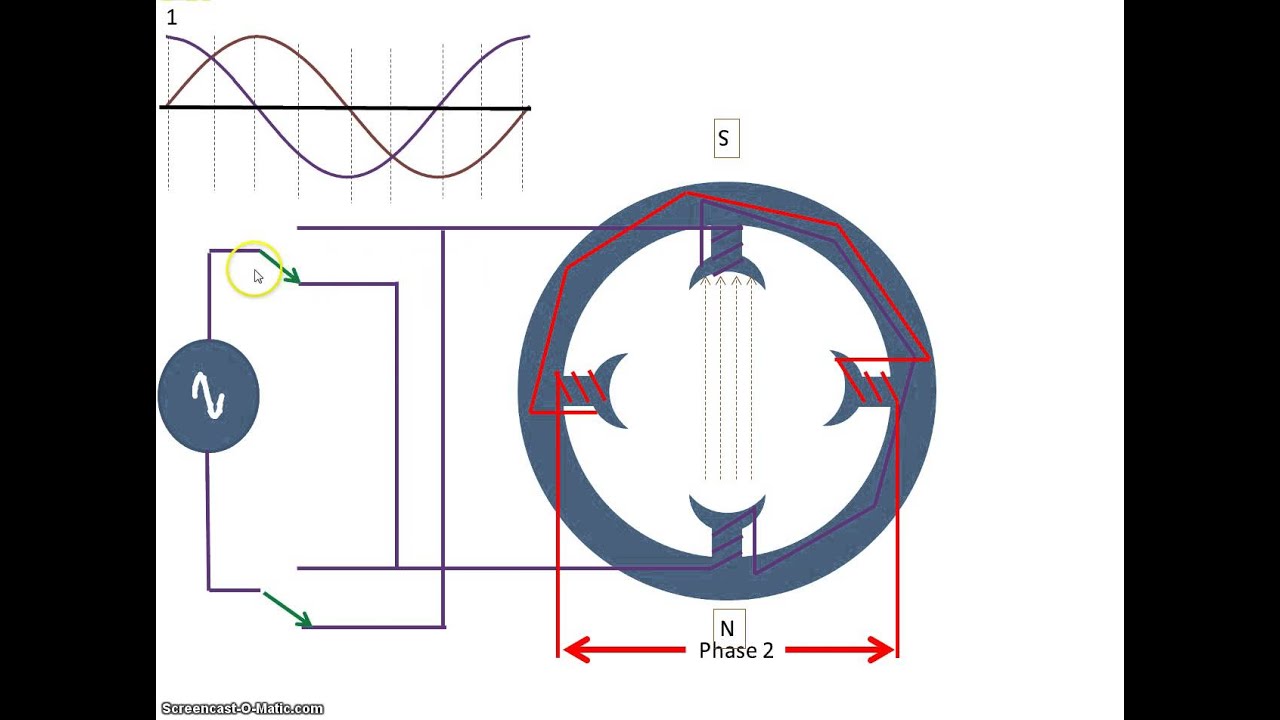
Why this works: Three-phase motors operate on the principle of a rotating magnetic field. By swapping two of the power leads, you effectively reverse the direction of this rotating field, causing the motor to rotate in the opposite direction.
Q4: What safety precautions should I take when reversing an AC motor?
Safety is paramount when working with electrical equipment. Here are some essential safety precautions to follow:
- Disconnect Power: Always disconnect the motor from the power supply before making any wiring changes. This is the single most important safety precaution. Use a voltage tester to verify that the power is off.
- Use Insulated Tools: Use tools with insulated handles to prevent electric shock.
- Wear Safety Gear: Wear appropriate safety gear, such as safety glasses and gloves.
- Follow Wiring Diagrams: Always refer to the motor's wiring diagram or consult a qualified electrician for guidance. Do not guess or make assumptions about the wiring.
- Secure Connections: Ensure that all wiring connections are secure and properly insulated. Loose connections can cause overheating and electrical hazards.
- Test After Reversing: After reversing the motor, test it in a safe environment to ensure that it is rotating in the correct direction and that there are no unusual noises or vibrations.
- Lockout/Tagout Procedures: In industrial settings, follow lockout/tagout procedures to prevent accidental energization of the motor while you are working on it.
- Qualified Personnel: If you are not comfortable working with electrical equipment, hire a qualified electrician to perform the reversal.
Ignoring these safety precautions can result in serious injury or death.
Q5: What are some common mistakes to avoid when reversing an AC motor?
Making mistakes when reversing an AC motor can damage the motor or create a safety hazard. Here are some common mistakes to avoid:
- Not Disconnecting Power: As mentioned earlier, this is the most dangerous mistake. Never work on a motor without disconnecting it from the power supply.
- Swapping the Wrong Wires: In single-phase motors, swapping the main winding wires instead of the starting winding wires can damage the motor. Always identify the correct windings before making any changes.
- Ignoring Wiring Diagrams: Trying to reverse a motor without referring to the wiring diagram is a recipe for disaster. Always consult the diagram or a qualified electrician.
- Loose Connections: Loose connections can cause overheating and electrical hazards. Ensure that all connections are tight and secure.
- Using Incorrect Wiring: Using the wrong gauge wire or incorrect connectors can also cause problems. Use the appropriate materials for the voltage and current requirements of the motor.
- Forgetting the Capacitor (Single-Phase): If the motor uses a capacitor, ensure that it is properly connected after reversing the direction. An incorrectly wired capacitor can prevent the motor from starting or damage the capacitor.
- Assuming All Motors are Reversible: Not all AC motors are designed to be reversed. Trying to reverse a non-reversible motor can damage it.
- Not Testing After Reversing: After reversing the motor, test it to ensure that it is rotating in the correct direction and that there are no unusual noises or vibrations.
Double-checking your work and following the correct procedures can help you avoid these common mistakes.
Q6: Are there any special considerations for reversing motors in specific applications?
Yes, depending on the application, there might be additional factors to consider when reversing an AC motor:
- Load Considerations: Consider the load that the motor is driving. Some loads may be more difficult to reverse than others. For example, a motor driving a pump may require special considerations to prevent damage to the pump when the direction is reversed.
- Gearboxes: If the motor is connected to a gearbox, ensure that the gearbox is designed to operate in both directions. Some gearboxes are not designed for reverse operation and can be damaged.
- Braking Systems: If the motor is equipped with a braking system, ensure that the braking system is compatible with reverse operation. Some braking systems may need to be adjusted or modified to work properly in both directions.
- Safety Interlocks: In some applications, safety interlocks are used to prevent the motor from starting in the wrong direction. Ensure that these interlocks are properly configured after reversing the motor.
- Motor Starters and Controls: The motor starter and control circuitry must be compatible with reverse operation. Some motor starters may require modifications to allow for reversing.
- Motor Speed: Reversing the direction shouldn't inherently change the motor's speed unless controlled by a variable frequency drive (VFD) or other speed control mechanisms. If consistent speed is essential for the application, ensure the motor setup maintains the desired speed in both directions.
- Environmental Factors: The environment in which the motor operates can also affect the reversing process. For example, if the motor is operating in a dusty or wet environment, take extra precautions to protect the motor from damage.
Thoroughly assess the specific application and consult with a qualified engineer or electrician to ensure that the motor reversal is performed safely and effectively.
Q7: What if I'm using a Variable Frequency Drive (VFD)? Does that change the process?
Yes, using a VFD significantly simplifies the process of reversing an AC motor. With a VFD, you generally don't need to physically rewire the motor to change its direction. The VFD controls the motor's speed and direction electronically.
- Parameter Settings: Most VFDs have a parameter that allows you to select the motor's direction of rotation. This parameter is typically accessible through the VFD's keypad or programming interface.
- Control Signals: Some VFDs can also be controlled by external signals, such as pushbuttons or switches. These signals can be used to start, stop, and reverse the motor.
- Safety Features: VFDs often have built-in safety features, such as overload protection and short-circuit protection. These features can help to protect the motor from damage.
- Programming Manual: Refer to the VFD's programming manual for detailed instructions on how to change the motor's direction of rotation. The specific steps may vary depending on the VFD manufacturer and model.
- No Rewiring Required: The main advantage of using a VFD is that you don't need to physically rewire the motor to change its direction. This can save time and effort, and it also reduces the risk of making wiring errors.
Using a VFD is the preferred method for reversing AC motors in many applications, especially when frequent direction changes are required. However, proper configuration of the VFD is essential for safe and reliable operation.