How To Run A Dryer Vent Through The Wall
One of the most frustrating household appliance failures is a malfunctioning dryer. Imagine a pile of wet laundry, and a dryer that refuses to spin, heat, or even turn on. Before you call a repair technician, there are several simple troubleshooting steps you can take. This guide will walk you through common issues and safe, basic DIY fixes.
Troubleshooting Your Dryer: A Step-by-Step Guide
This guide focuses on dryers that have issues with starting, heating, or not drying clothes properly, and how these issues might relate to your dryer vent.
Step 1: Checking the Power Supply
The first thing to check is the power supply. A surprising number of dryer issues stem from something as simple as a tripped breaker.
- Check the Circuit Breaker: Locate your home's electrical panel. Find the breaker labeled for the dryer (often a double-pole breaker). Is it tripped (in the middle or "off" position)? If so, flip it all the way to the "off" position and then back to the "on" position.
- Test the Outlet: Use a multimeter to test the voltage at the dryer outlet. A 240V dryer outlet should read approximately 240 volts. If you are not comfortable using a multimeter, or the reading is incorrect, stop here and call a qualified electrician.
- Examine the Power Cord: Inspect the dryer's power cord for any signs of damage, such as frays, cuts, or burn marks. A damaged power cord needs to be replaced. Replacing a power cord can be done safely with the dryer unplugged, but if you are unsure, consult an electrician.
Step 2: Examining the Dryer Settings and Basic Operation
Sometimes the problem isn't a mechanical issue, but rather a setting or user error.
- Check the Door Switch: The dryer won't start if the door switch isn't engaged. This switch tells the dryer that the door is closed. Open and firmly close the dryer door. You should hear a click. If not, the switch might be faulty. Testing and replacing a door switch can be done with the dryer unplugged, but if you are not comfortable, consult a technician.
- Ensure the Dryer is Not Overloaded: Overloading the dryer restricts airflow and can prevent it from heating properly. Dry smaller loads.
- Check the Timer or Digital Controls: Make sure the timer is set to a drying cycle and not "off" or "cool down." For digital controls, ensure the cycle is properly selected and that the "start" button has been pressed firmly.
Step 3: Inspecting and Cleaning the Lint Filter
A clogged lint filter is a very common cause of dryer inefficiency and can even be a fire hazard. Clean it every time you use the dryer.
- Remove and Clean the Lint Filter: Pull out the lint filter (usually located inside the dryer door or on top of the dryer). Remove all lint. Wash the filter with warm water and a soft brush every few months to remove any buildup of fabric softener residue, which can clog the filter. Make sure the filter is completely dry before replacing it.
Step 4: The Dryer Vent – The Most Common Culprit
A clogged or improperly installed dryer vent is the most common reason for a dryer to not dry clothes effectively. It can also be a serious fire hazard.
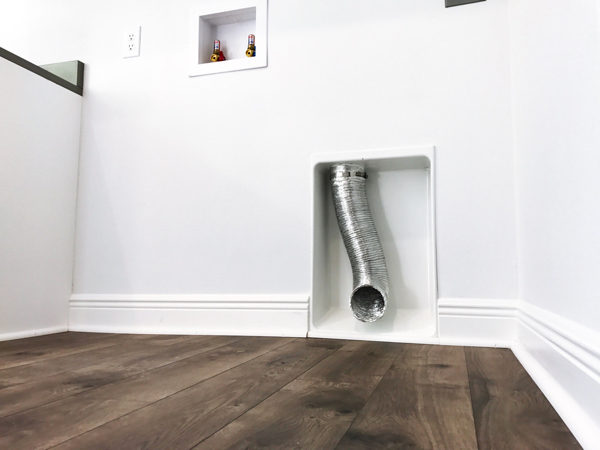
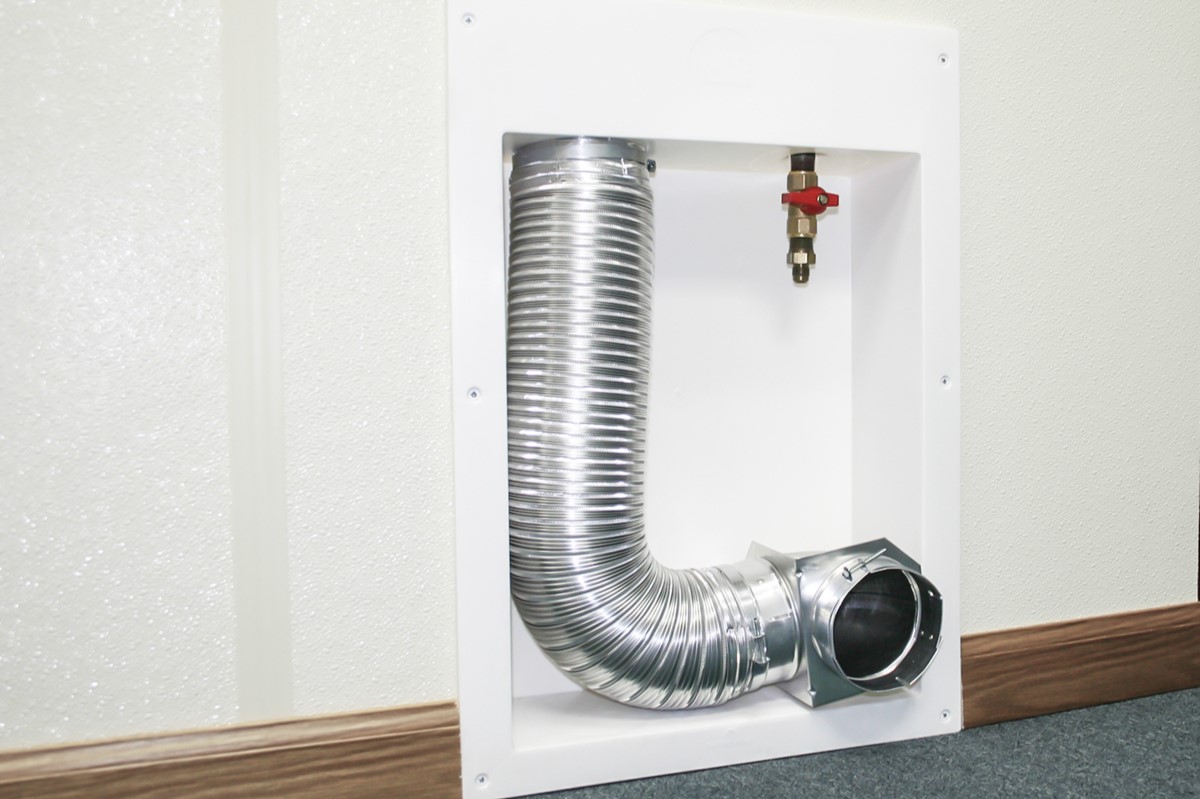
- Understanding the Dryer Vent System: The dryer vent is a duct that carries hot, moist air and lint from the dryer to the outside of your home. A properly functioning vent is crucial for efficient drying and safety.
How to Run a Dryer Vent Through the Wall: A Detailed Inspection and Troubleshooting Guide
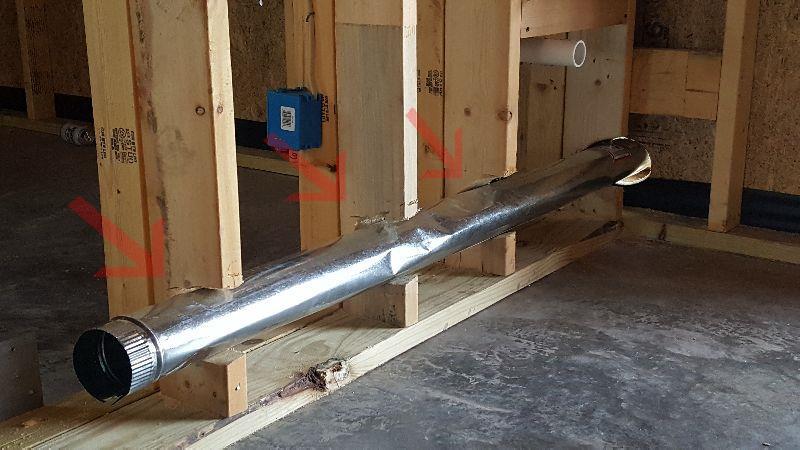
Running a dryer vent through the wall is a common practice, but it needs to be done correctly to ensure safety and efficiency. Improper installation or maintenance can lead to significant problems. Here's how to troubleshoot vent-related issues:
- Safety First: Always disconnect the dryer from the power outlet before inspecting or working on the vent system.
1. Inspecting the Vent Material
The type of material used for the dryer vent is crucial.
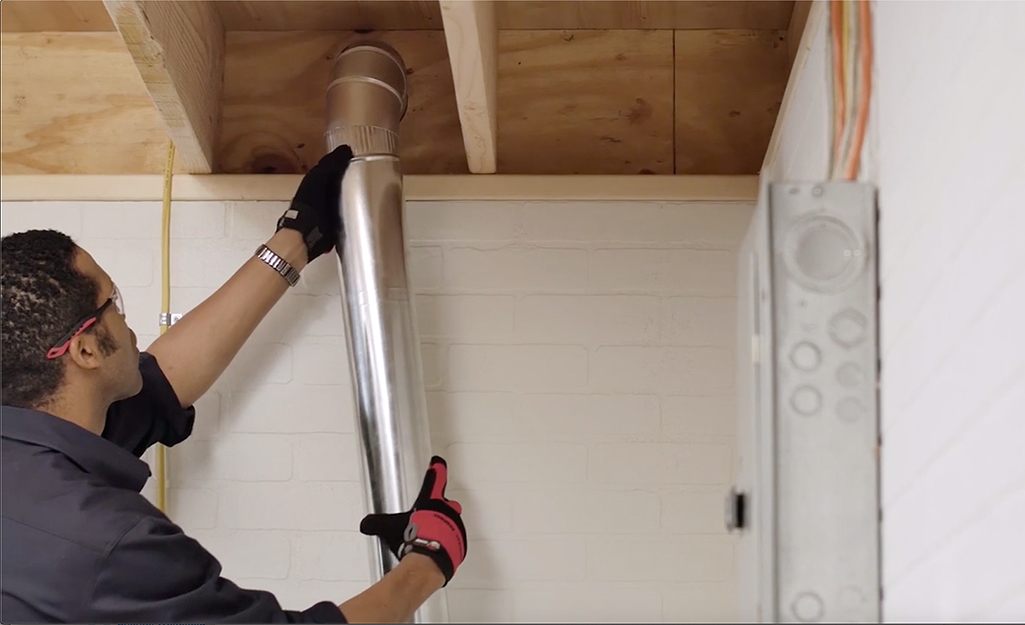
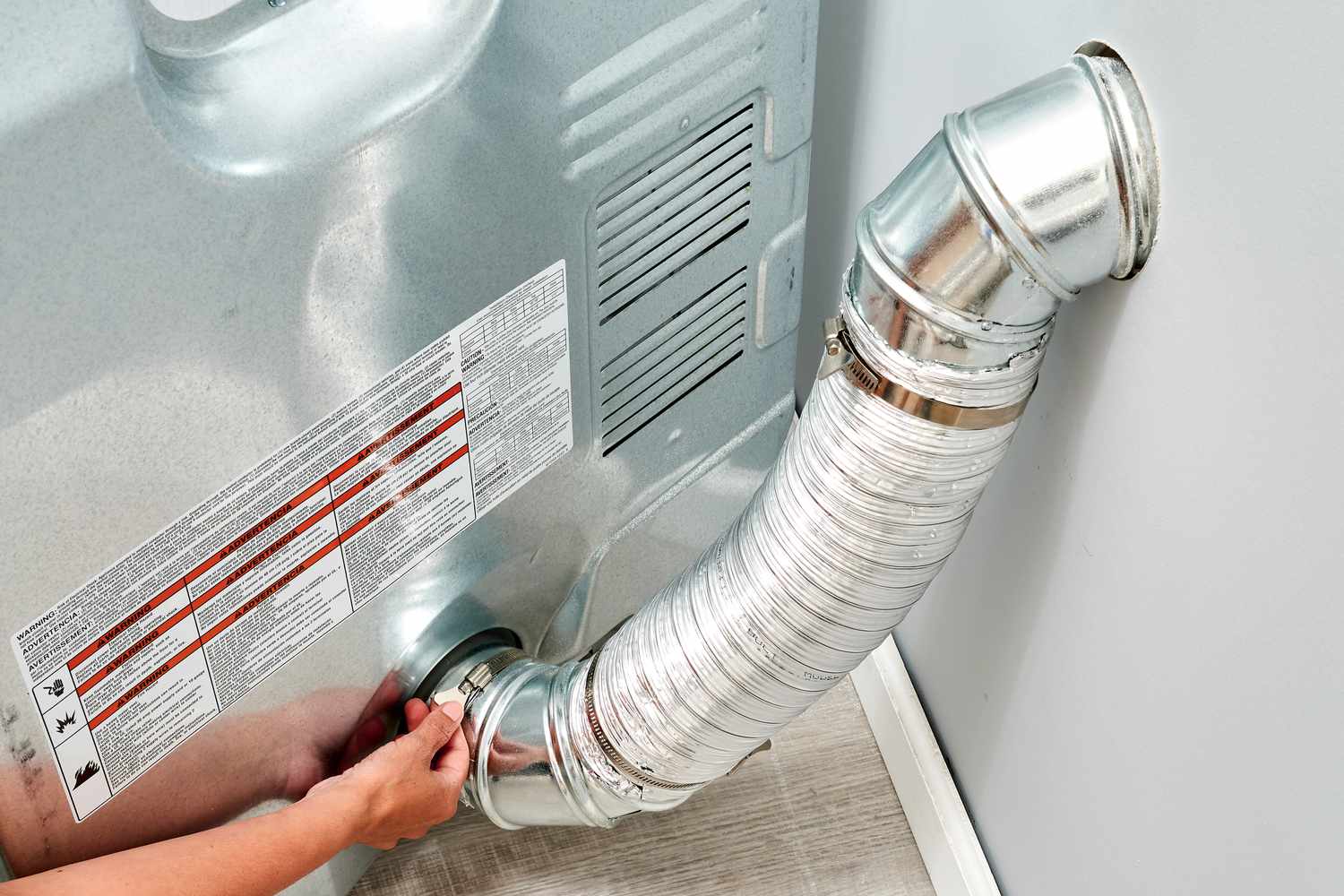
- Rigid Metal Ducting is Best: The safest and most efficient material for dryer vents is rigid metal ducting (aluminum or galvanized steel). It allows for better airflow and is less likely to trap lint.
- Avoid Flexible Plastic or Foil Ducting: Flexible plastic or foil ducting is a fire hazard and should be replaced immediately. These materials can easily trap lint and are prone to collapsing, restricting airflow.
- Check for Kinks or Damage: Inspect the entire length of the vent for any kinks, dents, or crushed sections. These obstructions can significantly reduce airflow.
2. Inspecting the Vent Length and Number of Bends
The length and number of bends in the vent system affect airflow.
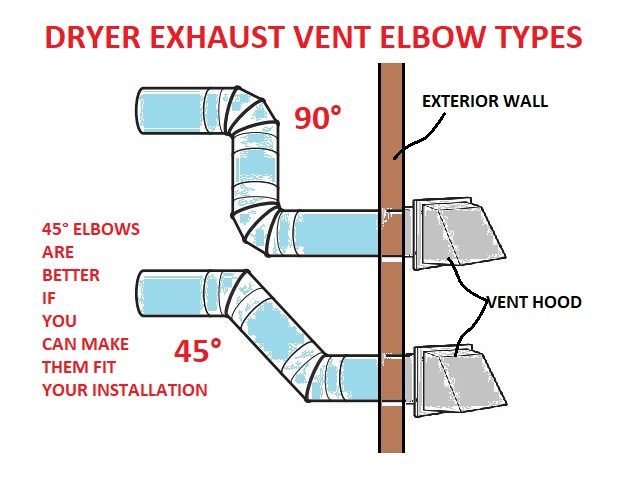
- Maximum Vent Length: The maximum recommended length for a dryer vent is typically 25 feet. This length is reduced by 5 feet for each 90-degree bend and 2.5 feet for each 45-degree bend. Example: a vent with two 90-degree bends should be no longer than 15 feet (25 - 5 - 5 = 15).
- Minimize Bends: Use as few bends as possible to maximize airflow. If bends are necessary, use gradual curves rather than sharp angles.
- Measure the Vent Length: Carefully measure the total length of your dryer vent, including all bends, to ensure it meets the recommended guidelines. If it exceeds the limit, consider shortening the vent or adding a booster fan.
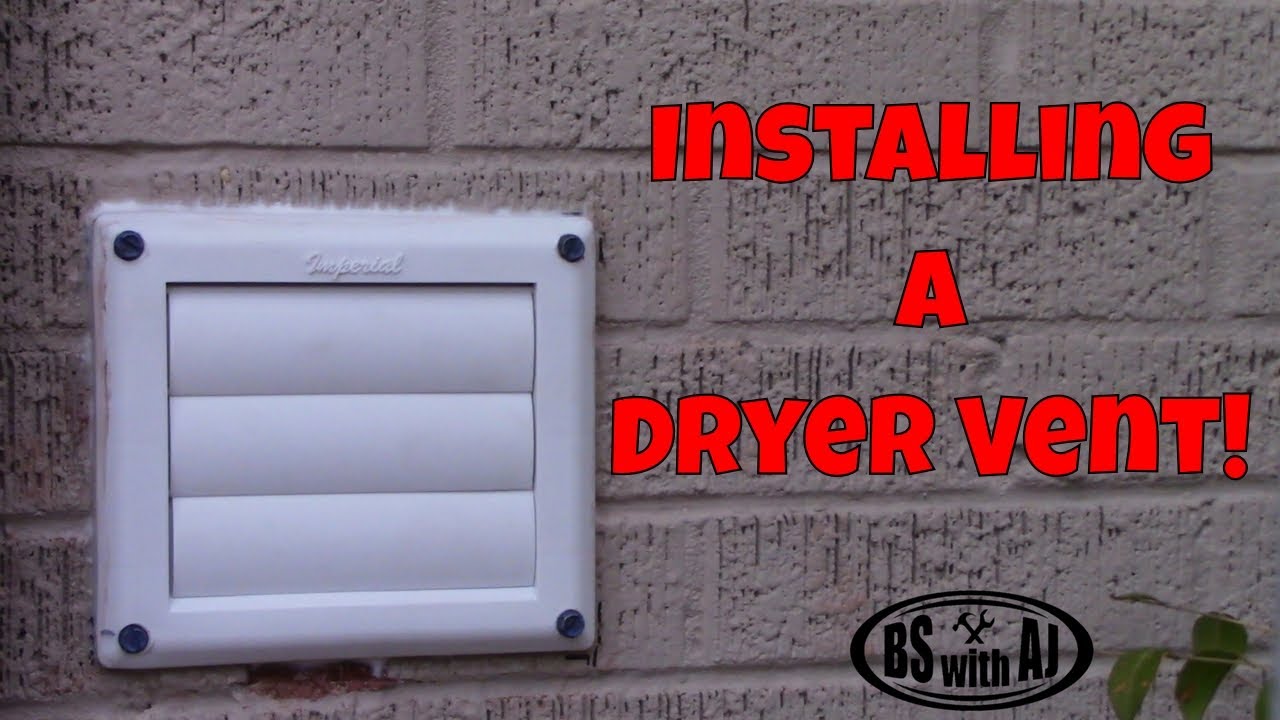
3. Inspecting the Exterior Vent Hood
The exterior vent hood is where the air exits your home. It's important to ensure it's clean and functioning properly.
- Check for Obstructions: Make sure the vent hood is not blocked by snow, ice, plants, or debris. Clear away any obstructions to allow for proper airflow.
- Inspect the Flapper Valve: The vent hood should have a flapper valve that opens when the dryer is running and closes when it's not, preventing birds, rodents, and insects from entering the vent. Ensure the flapper valve moves freely and is not stuck open or closed.
- Clean the Vent Hood: Remove any lint buildup from the vent hood using a brush or vacuum cleaner.
4. Cleaning the Dryer Vent
Regularly cleaning your dryer vent is essential to prevent fire hazards and maintain dryer efficiency.
- Professional Vent Cleaning: The best way to clean a dryer vent is to hire a professional vent cleaning service. They have specialized tools and equipment to thoroughly remove lint from the entire vent system.
- DIY Vent Cleaning (If Comfortable): If you're comfortable cleaning the vent yourself, you can use a dryer vent cleaning kit, which typically includes a long, flexible brush that attaches to a drill.
- Disconnect the dryer from the power outlet.
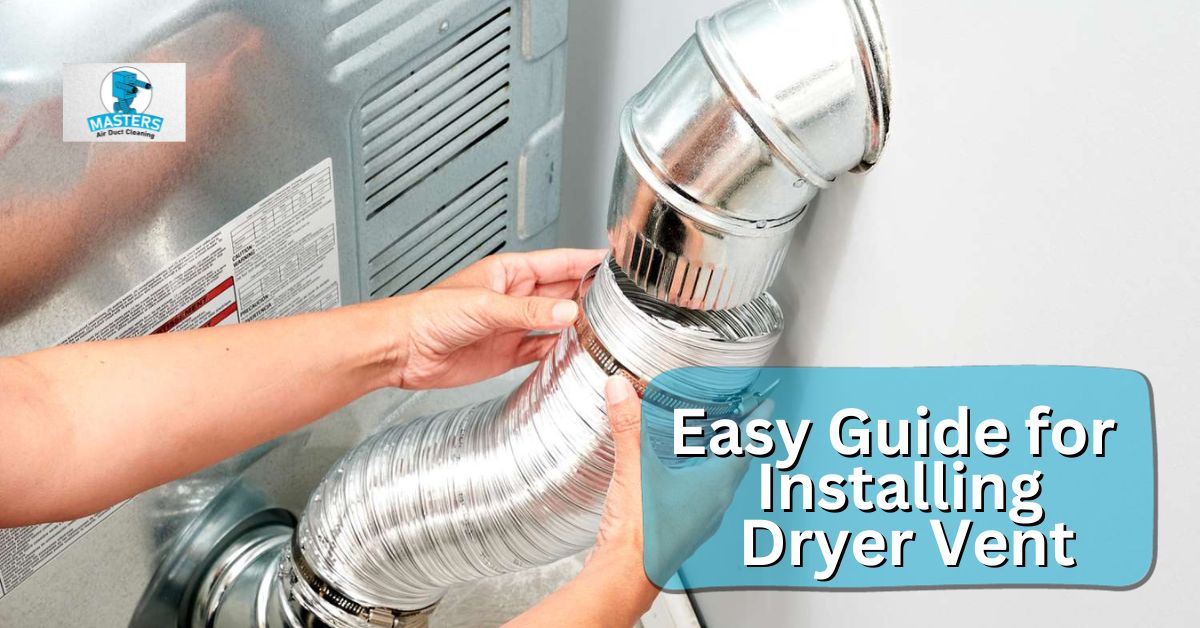
- Detach the vent from the dryer and the wall.
- Insert the brush into the vent and use the drill to rotate the brush, dislodging lint.
- Work the brush through the entire length of the vent.
- Vacuum up any loose lint.
- Reassemble the vent and reconnect the dryer.
- Frequency of Cleaning: Ideally, you should clean your dryer vent at least once a year, or more frequently if you use your dryer heavily.
5. Ensuring Proper Sealing
Proper sealing of the dryer vent connections is crucial to prevent leaks and ensure efficient airflow.
- Use Foil Tape: Use foil tape (not duct tape) to seal all connections between the vent sections and the dryer. Foil tape is heat-resistant and provides a durable seal.
- Check for Air Leaks: After assembling the vent, check for any air leaks by running the dryer and feeling for air escaping from the connections. Seal any leaks with foil tape.
6. Venting to the Outside
Dryer vents should always vent to the outside of your home.
- Never Vent into an Attic, Crawl Space, or Other Enclosed Area: Venting into these areas can create excessive moisture, leading to mold growth and structural damage.
- Ensure Proper Termination: The vent should terminate to the outside with a proper vent hood that prevents backdrafts and keeps out pests.
7. Troubleshooting Specific Vent Issues
- Clothes Taking Too Long to Dry: This is the most common symptom of a clogged dryer vent.
- Dryer Overheating: A clogged vent can cause the dryer to overheat, which can damage the dryer and pose a fire hazard.
- Burning Smell: A burning smell while the dryer is running is a serious warning sign of a clogged vent and should be addressed immediately.
- Excessive Lint Buildup: Excessive lint around the dryer or vent hood indicates a problem with the vent system.
When to Call a Professional
While many dryer vent issues can be resolved with DIY troubleshooting and cleaning, there are situations where it's best to call a professional.
- Complex Vent Systems: If your dryer vent is long, has multiple bends, or is difficult to access, it's best to hire a professional vent cleaning service.
- Electrical Issues: If you suspect an electrical problem with your dryer, such as a faulty motor or heating element, do not attempt to repair it yourself. Call a qualified electrician.
- Gas Dryer Issues: If you have a gas dryer and suspect a gas leak or other gas-related problem, immediately turn off the gas supply and call a qualified gas technician.
- Unfamiliarity with Repairs: If you are not comfortable working with tools or have no experience with appliance repairs, it's best to leave the job to a professional.
- Persistent Problems: If you've tried troubleshooting and cleaning the vent, and the dryer still isn't working properly, there may be a more serious underlying issue that requires professional attention.
By following these steps, you can often diagnose and resolve common dryer problems related to the vent system, saving you time and money. Remember to prioritize safety and call a professional when needed. Regular maintenance and cleaning of your dryer vent will help ensure efficient drying, prevent fire hazards, and prolong the life of your dryer.
:no_upscale()/cdn.vox-cdn.com/uploads/chorus_asset/file/21866462/vent_illo.jpg)