How To Service Air Conditioning Unit
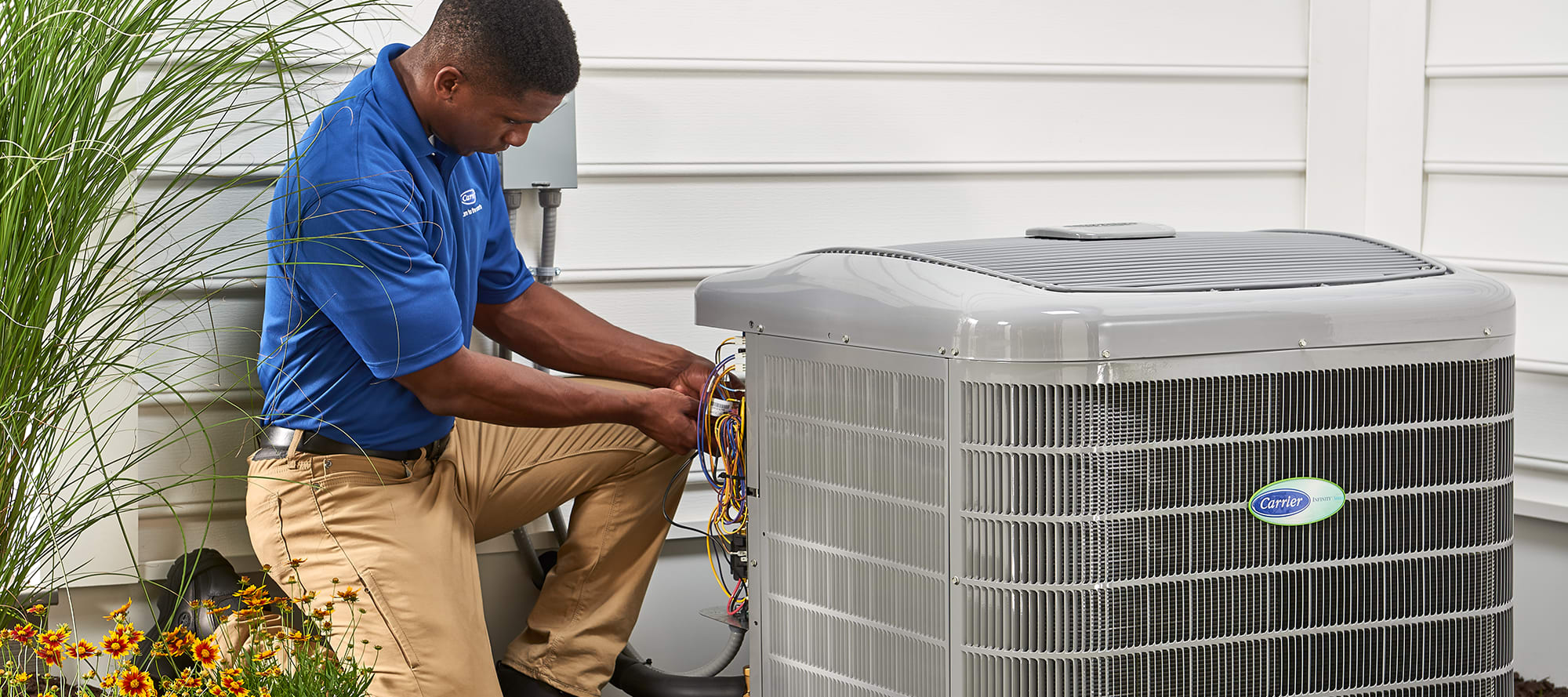
Servicing Your Air Conditioning Unit: A Homeowner's Guide
Maintaining your air conditioning unit is crucial for ensuring efficient operation, extending its lifespan, and preventing costly repairs. This guide provides step-by-step instructions for basic AC servicing tasks that homeowners can safely perform. However, remember that some repairs require specialized knowledge and tools. When in doubt, always contact a qualified HVAC technician.
Safety First!
Before starting any work, disconnect the power to the AC unit at the breaker box. This is non-negotiable. Wear safety glasses and gloves to protect your eyes and hands. Be cautious when working with electrical components and sharp objects.
Tools & Materials You'll Need
- Screwdrivers (Phillips head and flat head)
- Wrench set
- Vacuum cleaner with brush attachment
- Fin comb
- Garden hose with spray nozzle
- Multimeter (for testing electrical components – use with caution and proper knowledge!)
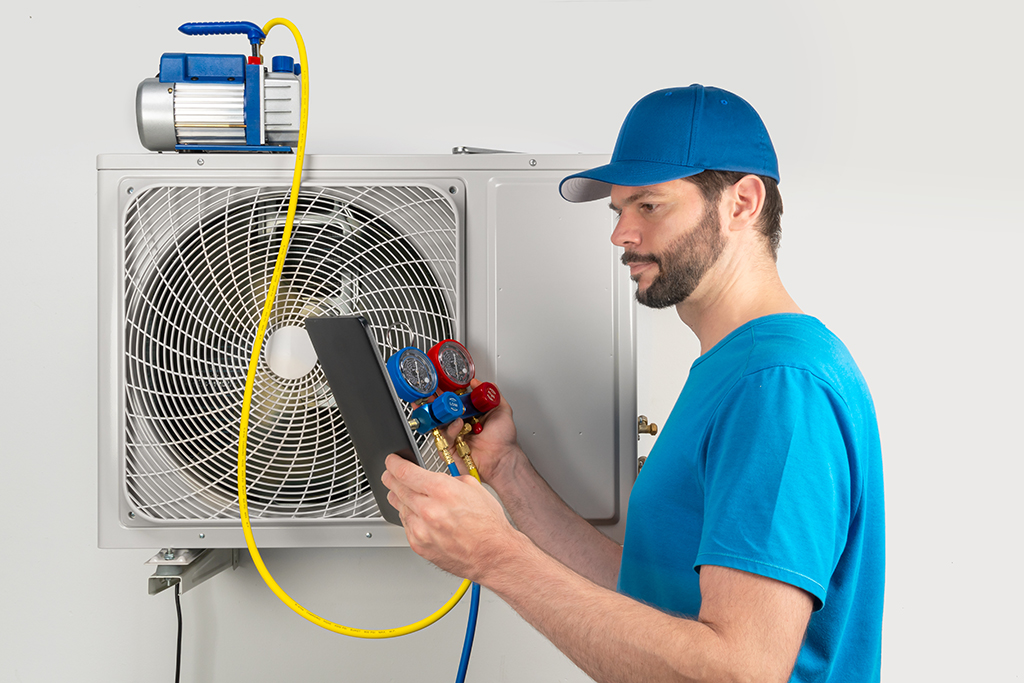
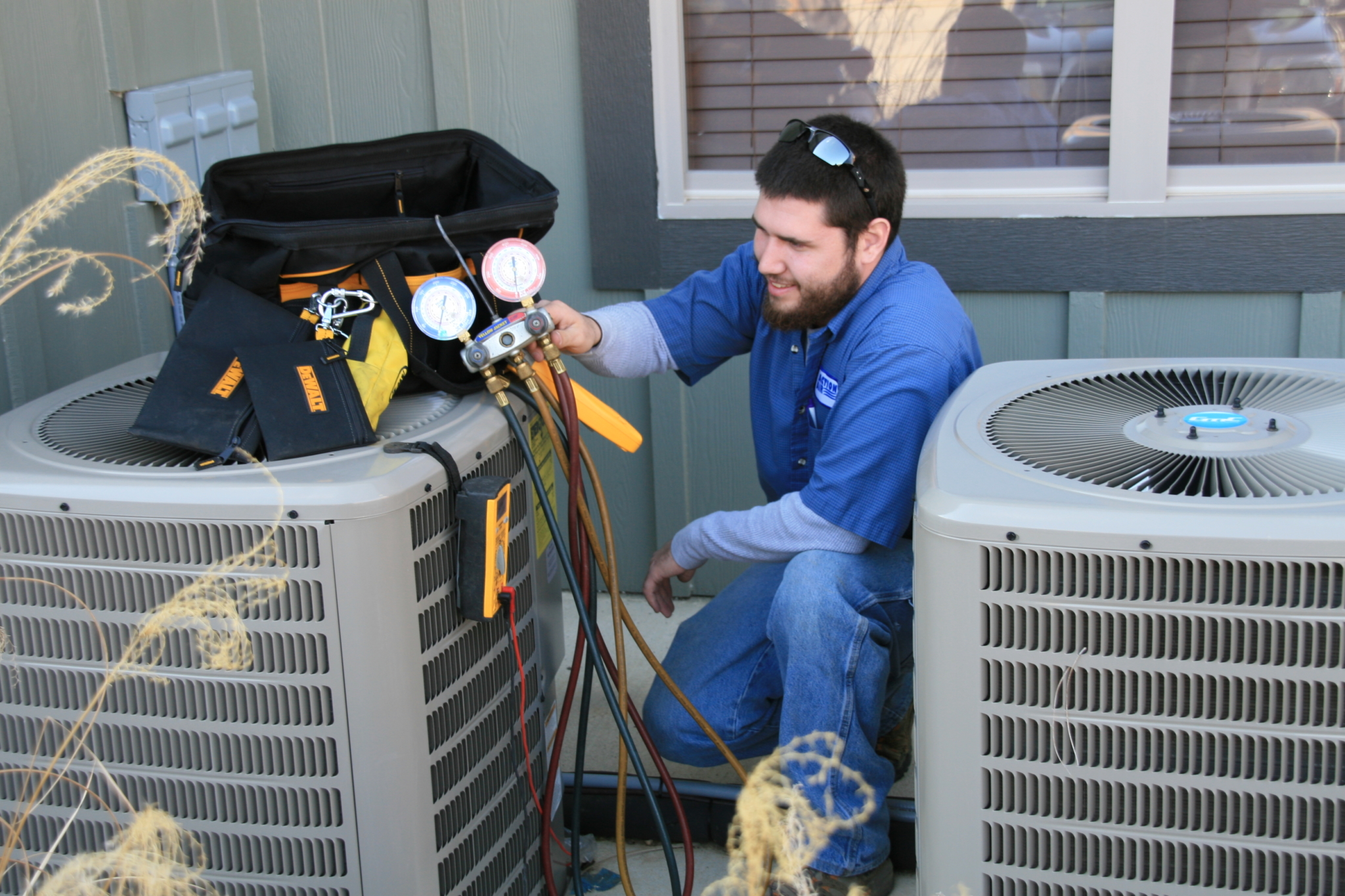
- Refrigerant gauge set (for licensed professionals only!)
- Coil cleaner
- Shop towels or rags
Step-by-Step Servicing Guide
1. Cleaning the Outdoor Unit
The outdoor unit, or condenser, is often the most neglected part of the AC system. Dust, leaves, and debris can significantly reduce its efficiency.
- Clear debris: Remove any leaves, branches, or other debris from around the unit. Clear vegetation within 2 feet.
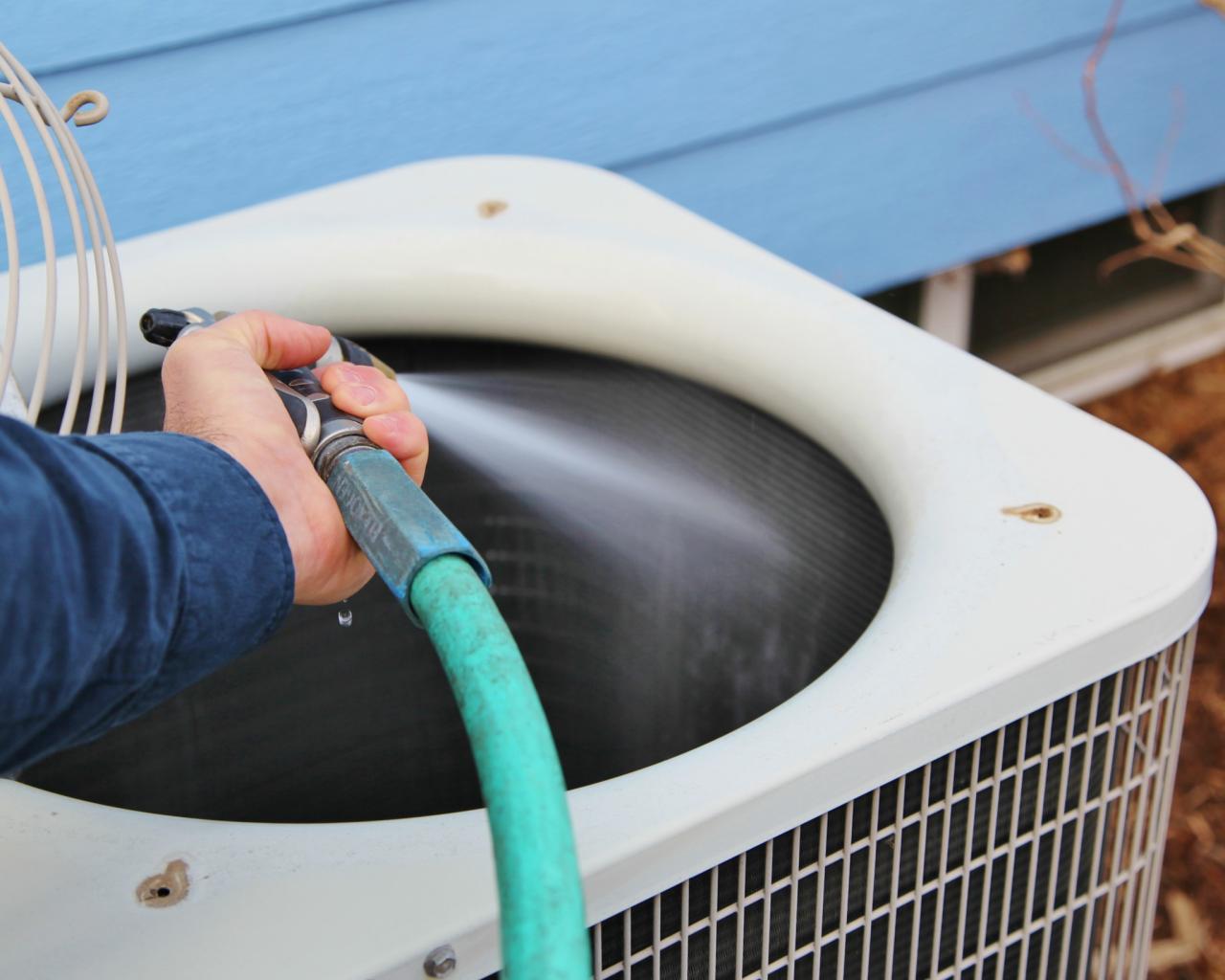
- Clean the fins: Use a garden hose with a gentle spray nozzle to clean the condenser fins. Spray from the inside out to avoid bending the fins. Avoid high pressure, as it can damage them.
- Straighten bent fins: If the fins are bent, use a fin comb to gently straighten them. This improves airflow.
2. Cleaning the Indoor Unit
The indoor unit, or evaporator, also requires regular cleaning to prevent dust buildup and mold growth.
- Turn off the power: Disconnect power to the indoor unit at the breaker.
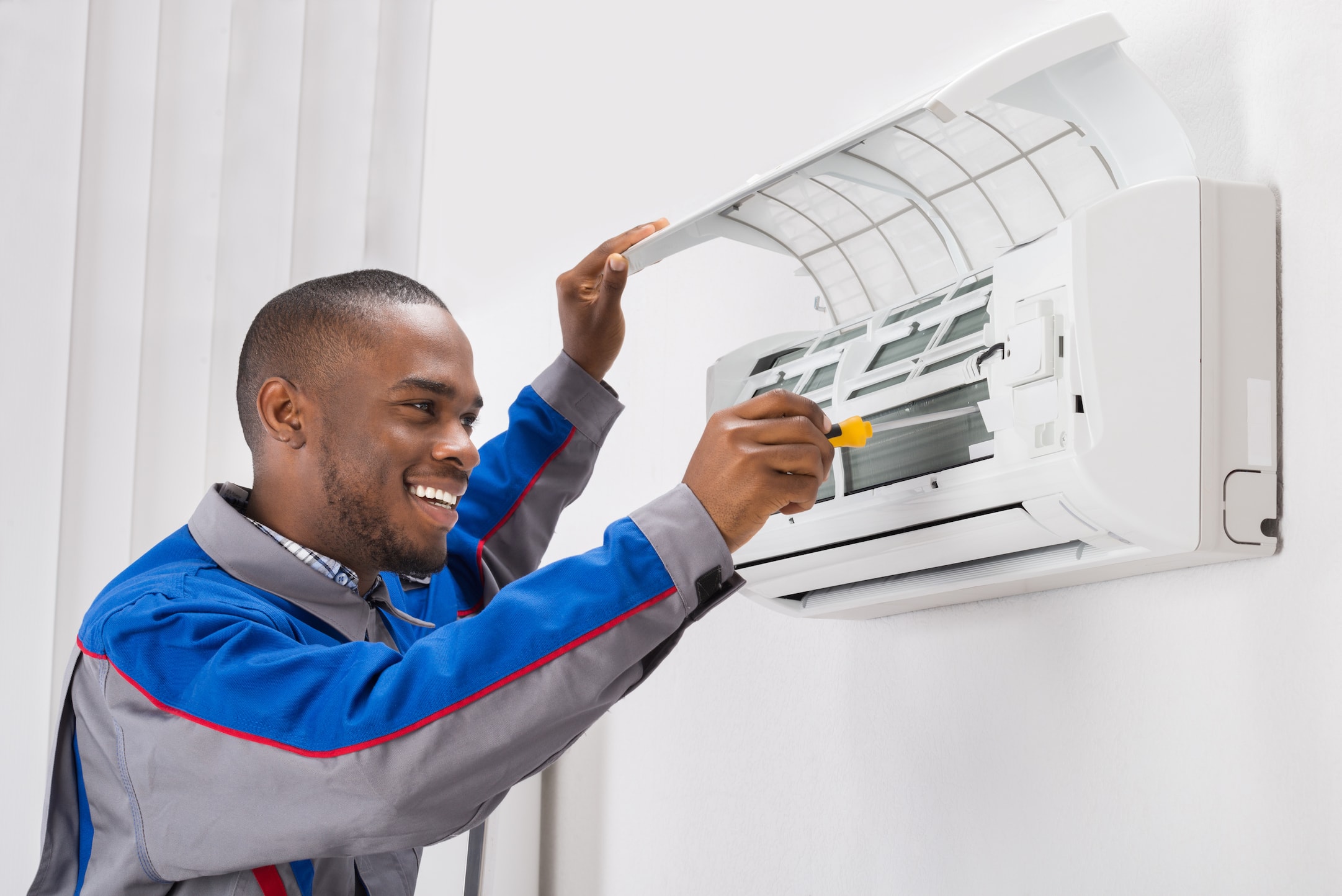
- Access the evaporator coil: Locate the access panel, usually on the front of the unit. Remove the screws and carefully remove the panel.
- Clean the coil: Use a vacuum cleaner with a brush attachment to remove dust and debris from the evaporator coil. You can also use a specialized coil cleaner, following the manufacturer's instructions.
- Clean the drain pan: The drain pan collects condensation from the evaporator coil. Clean it with a mild bleach solution to prevent mold and algae growth. Pour the solution down the drain line.
- Replace the filter: This is one of the most important maintenance tasks. Replace the air filter regularly, typically every 1-3 months, depending on usage and air quality. A dirty filter restricts airflow and reduces efficiency.
- Reassemble: Replace the access panel and secure it with screws. Restore power to the indoor unit.
3. Checking and Cleaning the Air Filter
A clean air filter is vital for efficient AC operation and good indoor air quality. Locate the filter, usually in a slot on the indoor unit or in the return air duct. Remove the old filter and replace it with a new one of the correct size and type. Note the direction of airflow arrow on the filter and install it accordingly.
4. Inspecting the Condensate Drain Line
A clogged condensate drain line can cause water damage and prevent the AC from cooling properly. Locate the drain line, usually a PVC pipe exiting the indoor unit. Check for clogs. You can use a wet/dry vacuum to clear the line or carefully insert a stiff wire to dislodge any blockage.
5. Checking Electrical Connections
Warning: This step involves working with electricity. If you are not comfortable working with electrical components, consult a qualified electrician or HVAC technician.
- Turn off the power: Disconnect power to the AC unit at the breaker.
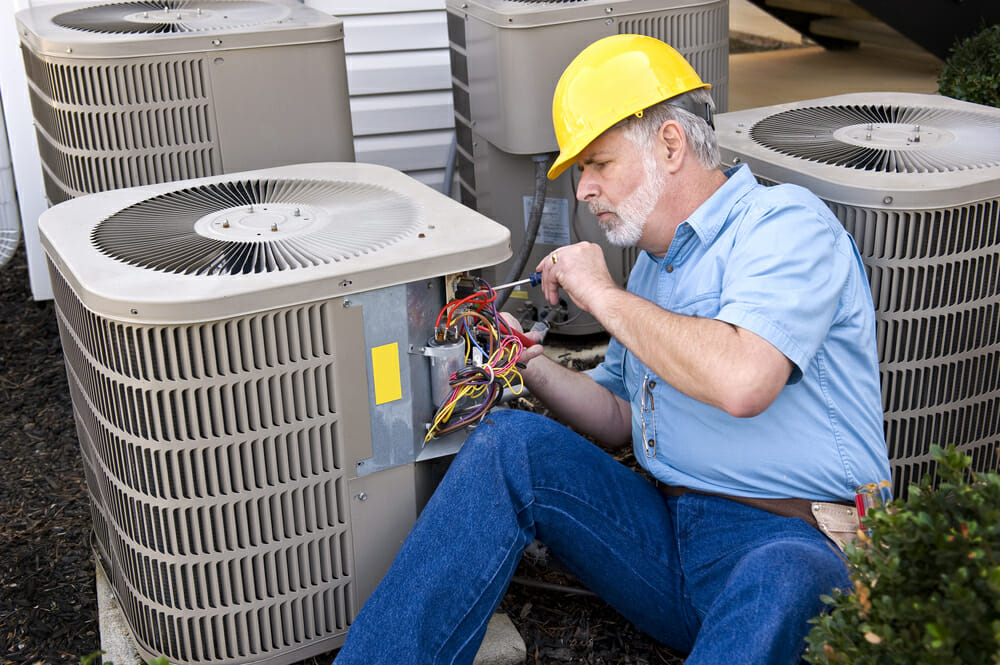
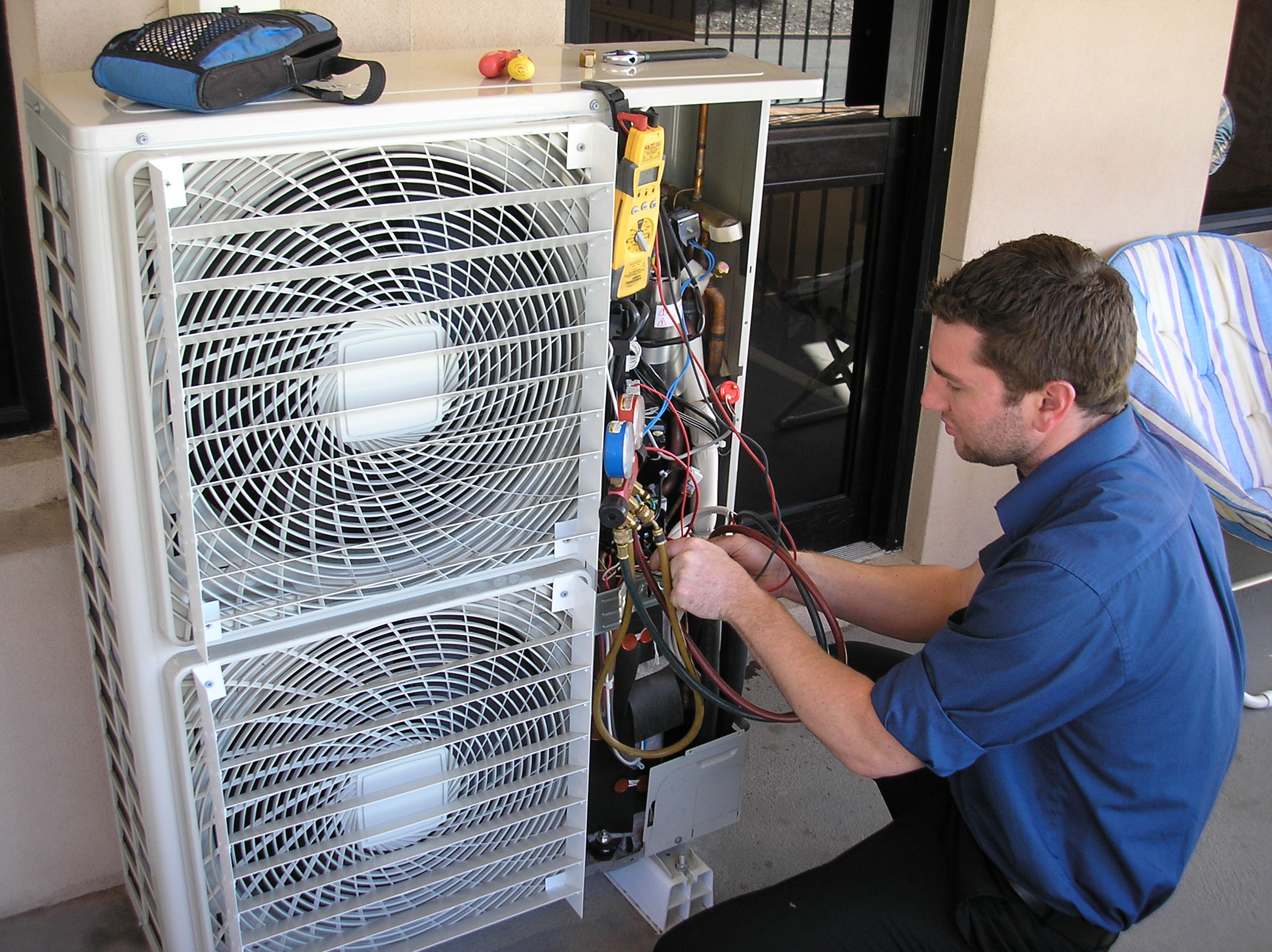
- Inspect wiring: Carefully inspect the wiring connections inside the outdoor and indoor units. Look for loose connections, frayed wires, or signs of corrosion.
- Tighten connections: Use a screwdriver to tighten any loose connections.
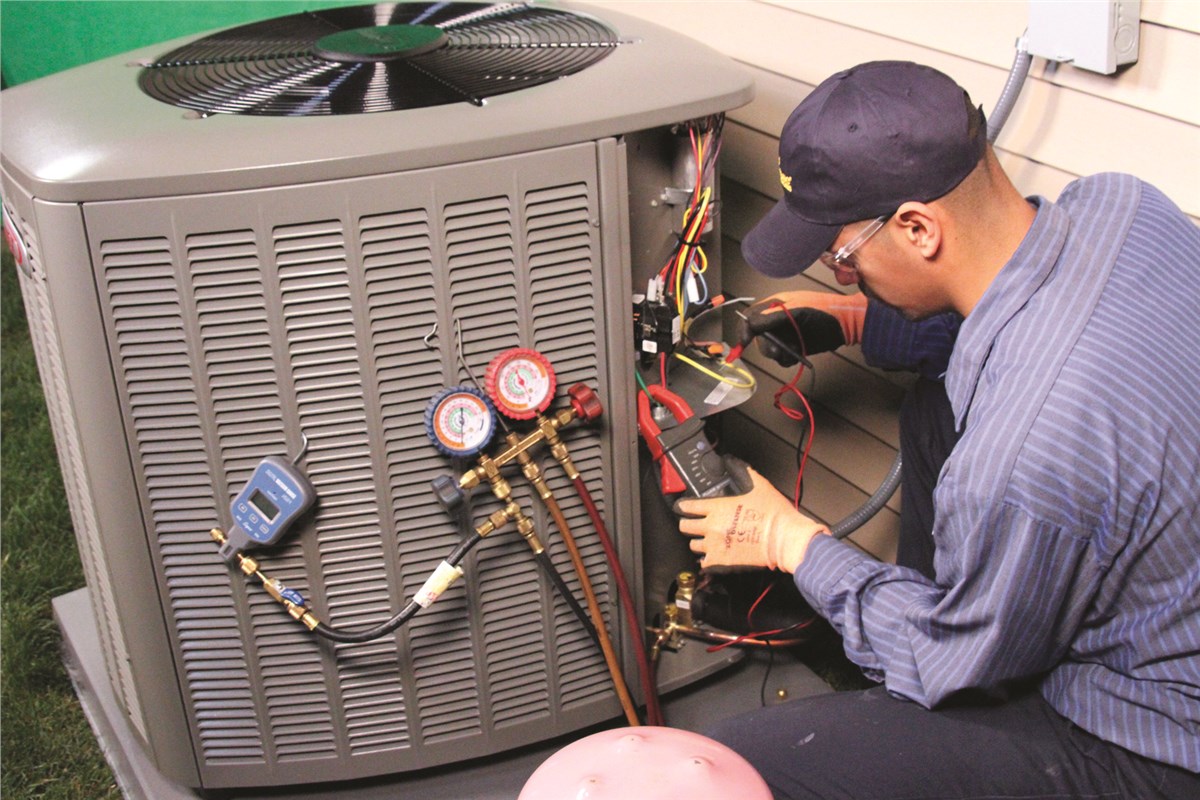
- Test capacitor: With a multimeter, test the capacitor (after safely discharging it) to ensure it is within its specified capacitance range. A faulty capacitor is a common cause of AC problems. (This requires knowledge of electrical testing and safety procedures. Do not attempt if you are not qualified!)
6. Checking the Blower Motor
Ensure the blower motor is functioning correctly. If it's making unusual noises, failing to start, or running intermittently, it may need replacement. Depending on your unit type, lubricating the motor bearings may also be necessary. Consult your unit's manual for specific instructions.
Common AC Problems & Troubleshooting
- AC not cooling: Check the thermostat setting, air filter, and outdoor unit for obstructions.
- AC blowing warm air: Could be a refrigerant leak, compressor problem, or frozen evaporator coil. Call a professional.
- AC making strange noises: Could indicate a loose component, failing motor, or refrigerant issue.
- Water leaking from AC: Likely a clogged condensate drain line.
- AC cycling on and off frequently: Could be a dirty air filter, refrigerant issue, or oversized unit.
When to Call a Professional
While homeowners can perform basic AC maintenance, certain repairs require specialized knowledge, tools, and licenses. Call a qualified HVAC technician for the following:
- Refrigerant leaks: Handling refrigerant requires EPA certification and specialized equipment.
- Compressor problems: Compressor repairs are complex and expensive.
- Electrical issues: If you are not comfortable working with electricity, leave electrical repairs to a professional.
- Significant performance issues: If your AC is not cooling properly despite your best efforts, a professional can diagnose the problem and recommend the appropriate solution.
- Working with high voltage: Diagnosing and repairing high-voltage components (like the contactor) should only be performed by qualified individuals.
Estimated Repair Costs
AC repair costs can vary widely depending on the problem and the region. Here are some rough estimates:
- Air filter replacement: $10-$30
- Condensate drain line cleaning: $75-$200
- Capacitor replacement: $150-$350
- Refrigerant recharge: $200-$500 (plus leak repair if needed)
- Compressor replacement: $800-$2000+
- Blower motor replacement: $300-$800
These are just estimates. Always get a quote from a qualified HVAC technician before proceeding with any repairs.
Extending the Life of Your AC Unit
Regular maintenance is key to extending the life of your AC unit. In addition to the steps outlined above, consider these tips:
- Schedule annual professional maintenance: A professional tune-up can identify and address potential problems before they become major issues.
- Use a programmable thermostat: This can help you save energy and reduce wear and tear on your AC unit.
- Seal air leaks in your home: This will help your AC unit cool your home more efficiently.
- Keep your outdoor unit clear of obstructions: Ensure that the unit has plenty of airflow.
- Consider a whole-house surge protector: This can protect your AC unit from power surges.
By following these tips, you can help keep your AC unit running efficiently and reliably for years to come. Remember, prioritize safety, and don't hesitate to call a professional when needed. Proper maintenance saves money in the long run and keeps you comfortable throughout the cooling season.