How To Set Up A Pellet Stove
Setting Up Your Pellet Stove: A Comprehensive Guide to Efficient Heating
Switching to a pellet stove can be a smart move for homeowners and businesses looking to cut heating costs and embrace a more sustainable energy source. Pellet stoves offer a significant ROI, often paying for themselves within a few years through reduced energy bills, especially compared to traditional oil or electric heating systems. The U.S. Energy Information Administration (EIA) data shows that households using wood and pellet stoves can save up to 50% on heating costs annually, depending on local fuel prices and climate. This guide provides a step-by-step approach to setting up your pellet stove, ensuring safe and efficient operation.
1. Planning and Preparation: Location, Permits, and Safety
Before you even unpack your new pellet stove, careful planning is crucial. Start by choosing the right location. This involves several factors:
- Clearance Requirements: Pellet stoves generate heat, so adequate clearance from combustible materials is essential. Check the manufacturer's specifications meticulously. Generally, you'll need at least 36 inches of clearance from furniture, curtains, and other flammable items. Some models may require less, but always adhere to the manufacturer's guidelines.
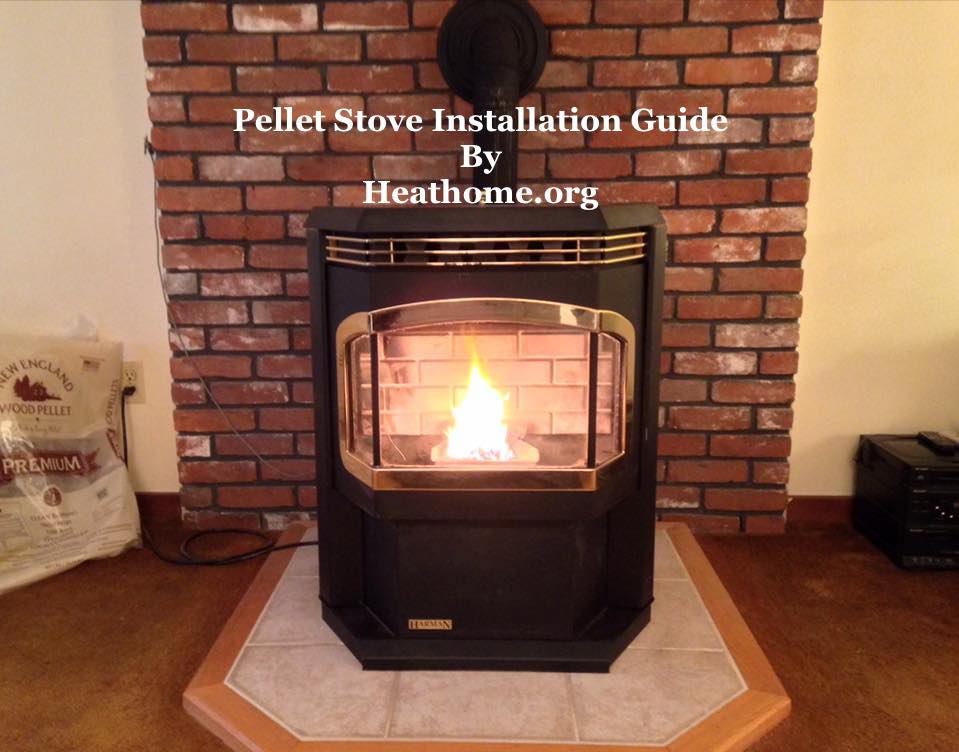
- Floor Protection: Non-combustible flooring is a must. If you have carpet or wood flooring, you'll need a hearth pad made of tile, brick, or other fire-resistant material. The hearth pad should extend at least 16 inches in front of the stove and 8 inches to each side and rear.
- Ventilation: Pellet stoves require proper venting to exhaust combustion gases safely. Ensure the location allows for a direct vent to the outside, following local building codes and manufacturer instructions.
- Accessibility: Consider the ease of loading pellets and cleaning the stove. A location with convenient access for pellet delivery and ash removal will significantly improve usability.
Next, investigate local building codes and permit requirements. Most municipalities require a permit for installing a pellet stove to ensure it meets safety standards. Contact your local building department to obtain the necessary permits and understand any specific regulations. Failure to obtain permits can result in fines and even forced removal of the stove.
Safety is paramount. Install smoke detectors and carbon monoxide detectors in the vicinity of the pellet stove. Regularly test these detectors to ensure they are functioning correctly. Keep a fire extinguisher nearby and familiarize yourself with its operation.
2. Venting: Installing the Exhaust System
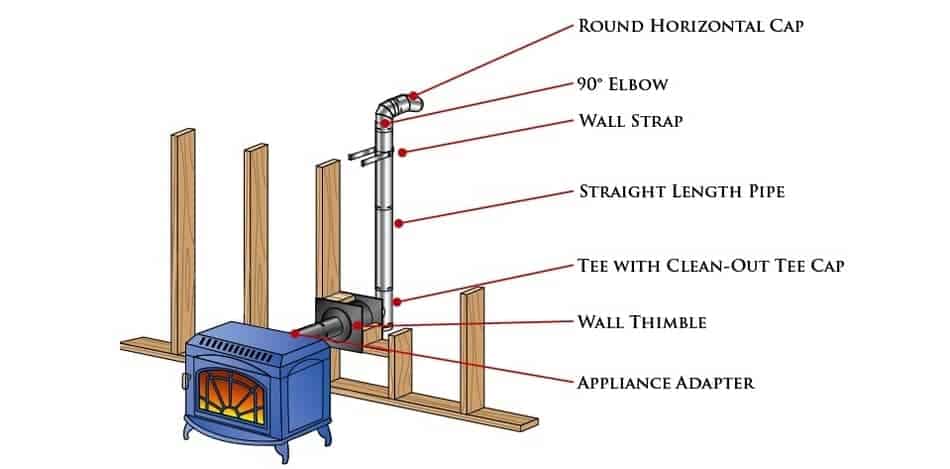
Proper venting is critical for safe and efficient pellet stove operation. Pellet stoves use a special type of venting pipe, typically 3 or 4 inches in diameter, designed to withstand the corrosive nature of pellet stove exhaust. There are two main venting options:
- Direct Vent: This is the most common method, where the vent pipe exits directly through an exterior wall. A horizontal run of vent pipe connects the stove to a termination cap on the outside wall.
- Vertical Vent: In some cases, a vertical vent through the roof may be necessary. This requires careful sealing around the roof penetration to prevent leaks.
When installing the vent pipe, follow these guidelines:
- Use Approved Venting: Only use venting pipes specifically designed and approved for pellet stoves. Using improper venting can lead to dangerous carbon monoxide leaks and reduced efficiency.
- Maintain Proper Slope: The vent pipe should slope upwards slightly (at least 1/4 inch per foot) to allow condensate to drain back into the stove.
- Seal Joints Properly: Use high-temperature silicone sealant to seal all joints in the vent pipe. This prevents leaks and ensures a tight seal.
- Termination Cap: Install a termination cap on the exterior end of the vent pipe. This prevents rain, snow, and debris from entering the venting system.
Consult with a qualified HVAC technician for assistance with venting, especially if you are unsure about any aspect of the installation.
3. Electrical Connection: Powering the Stove
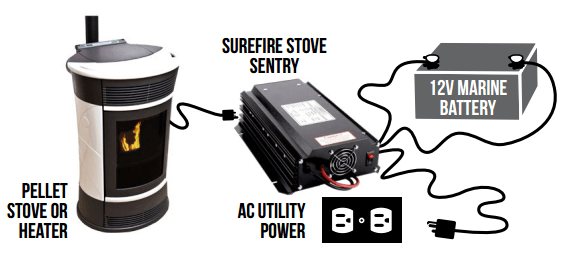
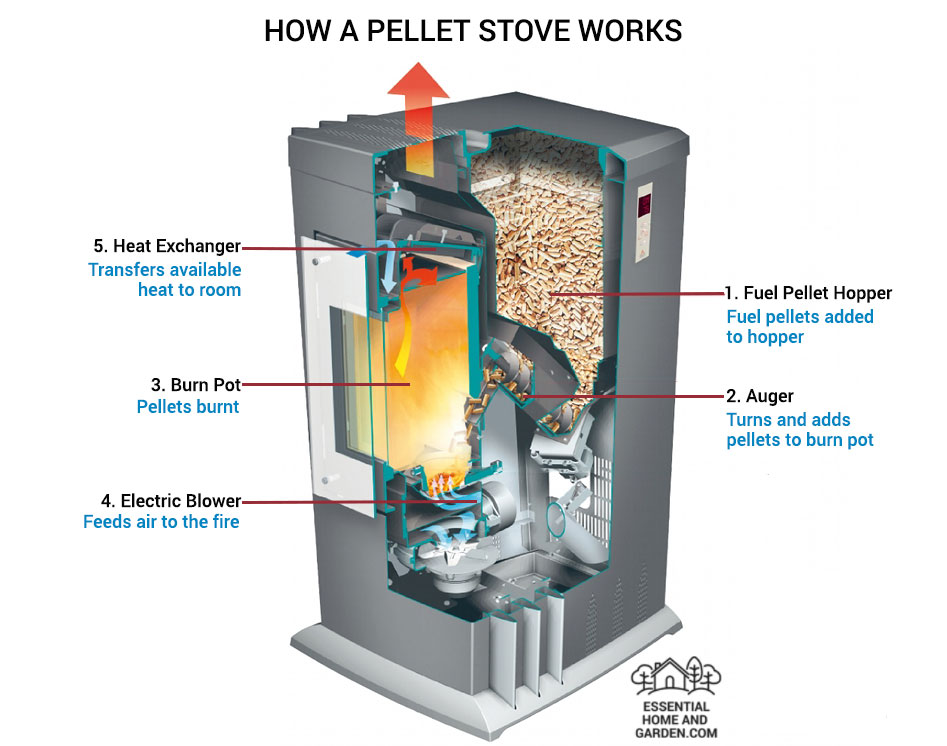
Pellet stoves require electricity to operate the auger, blower, and control system. Most pellet stoves plug into a standard 120-volt outlet. However, it's essential to ensure the outlet is properly grounded and can handle the stove's electrical load. Refer to the manufacturer's specifications for the stove's amperage requirements.
Avoid using extension cords if possible. If an extension cord is necessary, use a heavy-duty cord rated for outdoor use. Never use a damaged or frayed extension cord.
For added safety, consider installing a surge protector to protect the stove's electronics from power surges.
4. Initial Startup and Calibration: Fine-Tuning Performance
Once the venting and electrical connections are complete, it's time for the initial startup. Refer to the manufacturer's instructions for the specific startup procedure for your model. Generally, this involves:
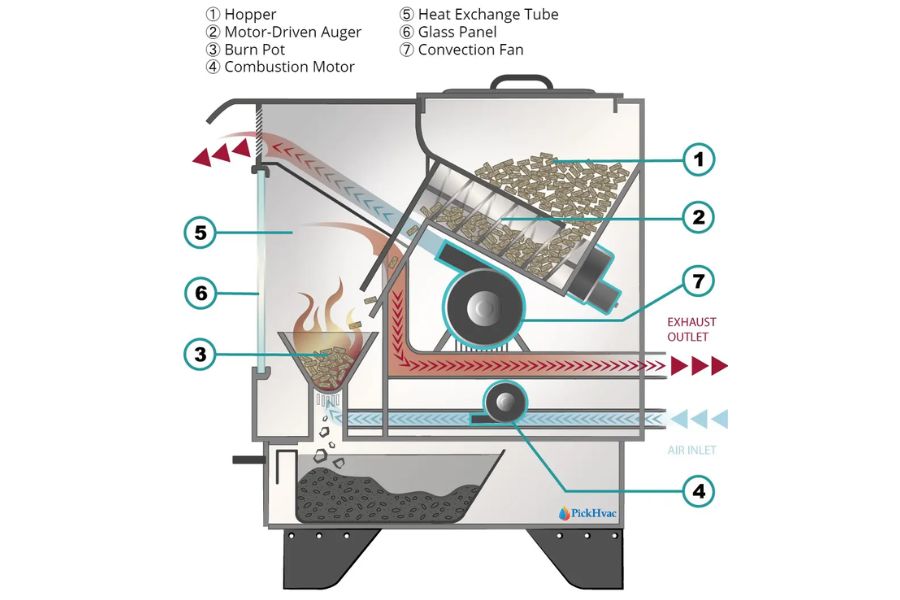
- Priming the Auger: Some stoves require you to manually prime the auger, which feeds pellets from the hopper to the firepot. This may involve pressing a button or turning a dial.
- Setting the Burn Rate: Adjust the burn rate to the desired heat output. Start with a low setting and gradually increase it as needed.
- Monitoring the Flame: Observe the flame to ensure it is burning properly. A healthy flame should be bright and consistent, without excessive smoke.
After the initial startup, allow the stove to burn for several hours to break it in and ensure all components are functioning correctly. Monitor the stove closely during this period, checking for any unusual noises, smells, or smoke.
Many modern pellet stoves feature advanced control systems that allow you to fine-tune the stove's performance. These systems may include:
- Automatic Temperature Control: Maintain a consistent room temperature by setting the desired temperature on the control panel.
- Programmable Timers: Schedule the stove to turn on and off at specific times, optimizing energy usage and ensuring comfort when you need it most.
- Diagnostic Codes: Receive alerts for potential problems, such as a clogged vent or a malfunctioning component.
5. Smart Home Integration: Enhancing Efficiency and Control
Integrating your pellet stove with a smart home system can further enhance its efficiency and convenience. Smart thermostats and sensors can provide real-time temperature monitoring and control, allowing you to optimize energy usage and reduce heating costs. Features like geofencing can automatically adjust the stove's output based on your location, ensuring the house is warm when you arrive and saving energy when you are away.
Some pellet stove manufacturers offer their own smart home integration solutions, while others are compatible with popular platforms like Amazon Alexa and Google Assistant. Check the stove's specifications to determine its compatibility with your existing smart home system.
6. Maintenance: Keeping Your Pellet Stove Running Smoothly
Regular maintenance is essential for keeping your pellet stove running efficiently and safely. This includes:
- Daily Cleaning: Empty the ash pan daily or as needed. Ash buildup can reduce efficiency and increase the risk of fire.
- Weekly Cleaning: Clean the burn pot and heat exchanger tubes weekly. This removes ash and soot that can impede airflow and reduce heat output.
- Monthly Cleaning: Inspect and clean the venting system monthly. Remove any buildup of creosote or other debris.
- Annual Inspection: Schedule an annual inspection by a qualified HVAC technician. This includes a thorough cleaning, inspection of all components, and testing of the safety features.
Using high-quality pellets can also contribute to the longevity and efficiency of your stove. Look for pellets that are certified by the Pellet Fuels Institute (PFI) and have a low ash content.
7. Financial Incentives and Rebates: Maximizing Your Investment
Many state and federal governments offer financial incentives and rebates for installing energy-efficient heating systems, including pellet stoves. Check with your local utility company and state energy office to see what incentives are available in your area. The Database of State Incentives for Renewables & Efficiency (DSIRE) is a valuable resource for finding information on energy-efficiency incentives.
These incentives can significantly reduce the upfront cost of purchasing and installing a pellet stove, making it an even more attractive investment. In addition to rebates, some homeowners may also be eligible for tax credits for installing energy-efficient equipment.
By following these steps and taking advantage of available resources, you can successfully set up your pellet stove and enjoy the benefits of efficient, sustainable heating for years to come. Remember to always prioritize safety and consult with qualified professionals when needed.
Disclaimer: This guide provides general information and should not be considered a substitute for professional advice. Always consult with a qualified HVAC technician and follow the manufacturer's instructions for your specific pellet stove model.