How To Setup Portable Air Conditioner

Imagine this: It's a sweltering summer day, and you've just purchased a portable air conditioner, dreaming of cool, refreshing air. You excitedly unpack it, follow the instructions (or so you think!), plug it in, and… nothing. Or worse, it turns on but blows out warm air. This frustrating scenario is a common household appliance failure, but before you resign yourself to another sweaty day or call a costly technician, let’s walk through some simple troubleshooting steps to get your portable AC up and running.
Troubleshooting Your Portable Air Conditioner: A Step-by-Step Guide
This guide is designed to help you diagnose and fix common problems with your portable air conditioner setup. We'll cover everything from basic power checks to simple component assessments. Remember, your safety is paramount. If at any point you feel uncomfortable or unsure about a step, especially when dealing with electrical components, stop and consult a qualified technician.
Step 1: The Obvious Checks – Power and Placement
Let's start with the basics. Often, the simplest issues are the easiest to overlook.
- Power Cord and Outlet: Is the power cord securely plugged into both the air conditioner and the wall outlet? Visually inspect the cord for any signs of damage, such as cuts or frayed wires. If you see any damage, do not use the cord. A damaged power cord poses a significant electrical hazard.
- Outlet Functionality: Plug another device (like a lamp) into the same outlet. Does it work? If not, the problem is likely with the outlet, not the AC unit. Try a different outlet. If you suspect an electrical issue with your outlets, contact an electrician.
- Circuit Breaker/Fuse: Check your circuit breaker box (or fuse box) to see if the breaker for the outlet powering your AC has tripped (or the fuse has blown). If it has, reset the breaker (or replace the fuse). If the breaker trips (or the fuse blows) again immediately, there's a larger electrical problem that needs professional attention. Do not repeatedly reset the breaker.
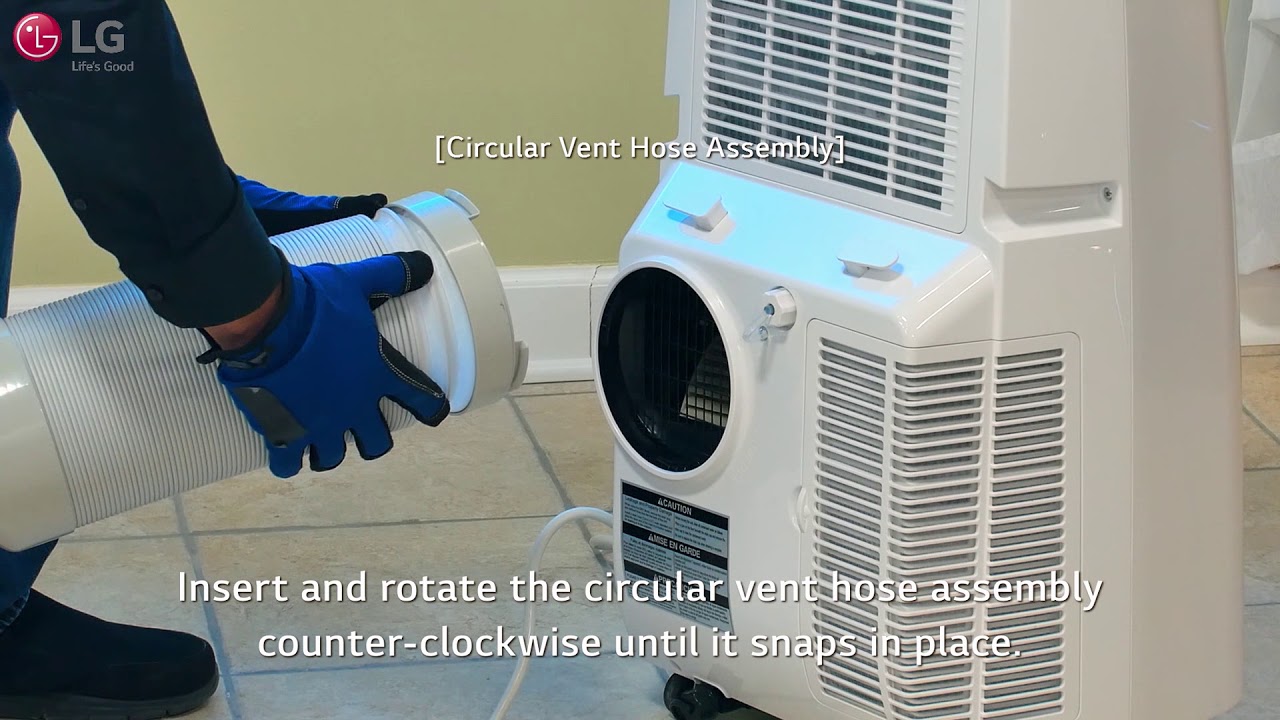
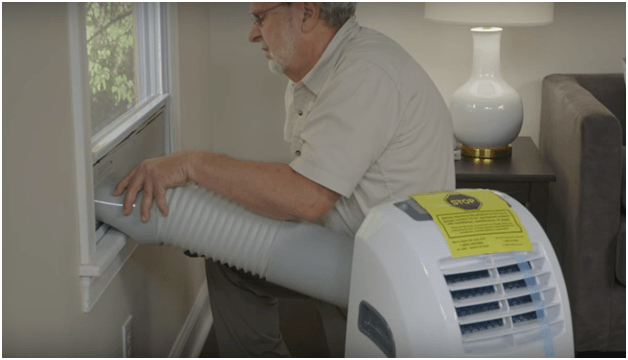
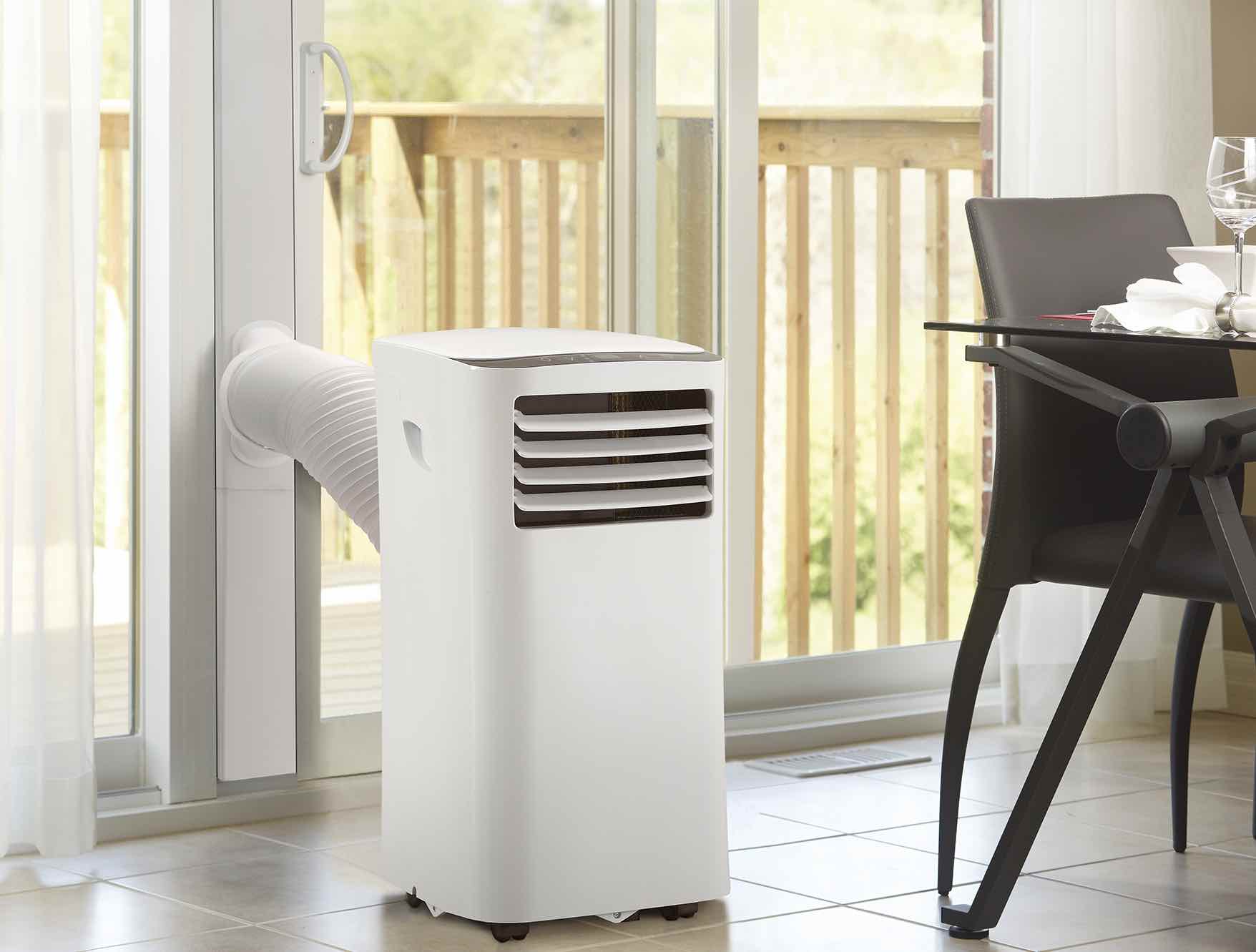
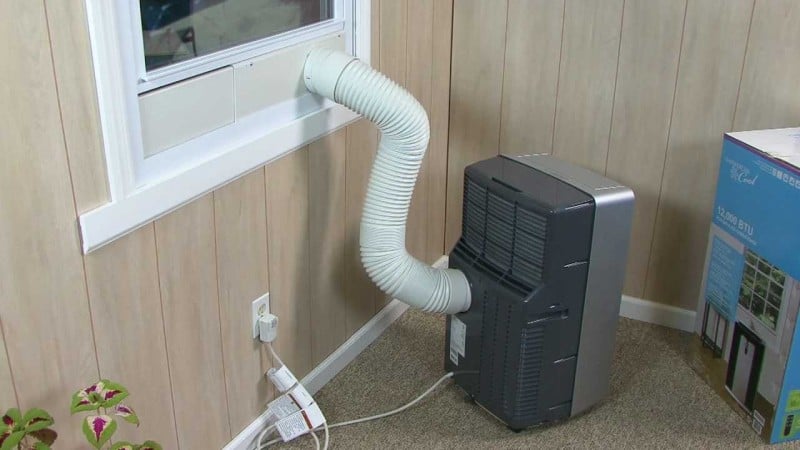
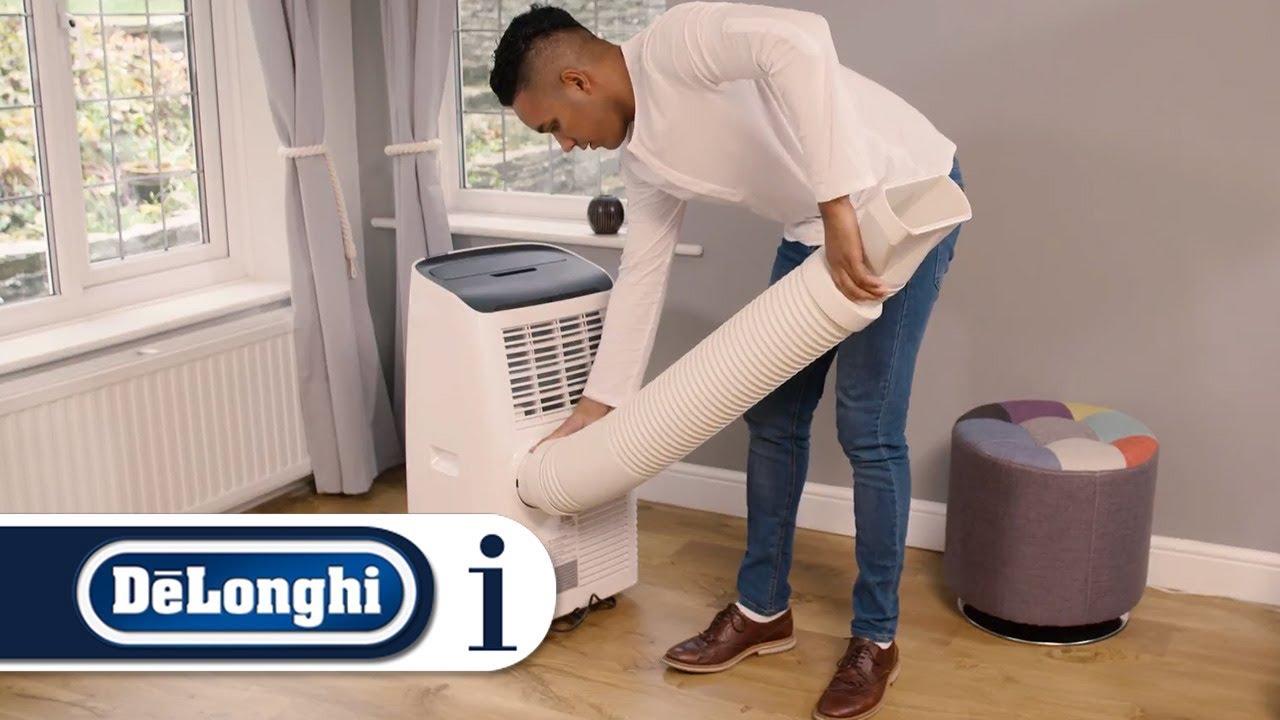
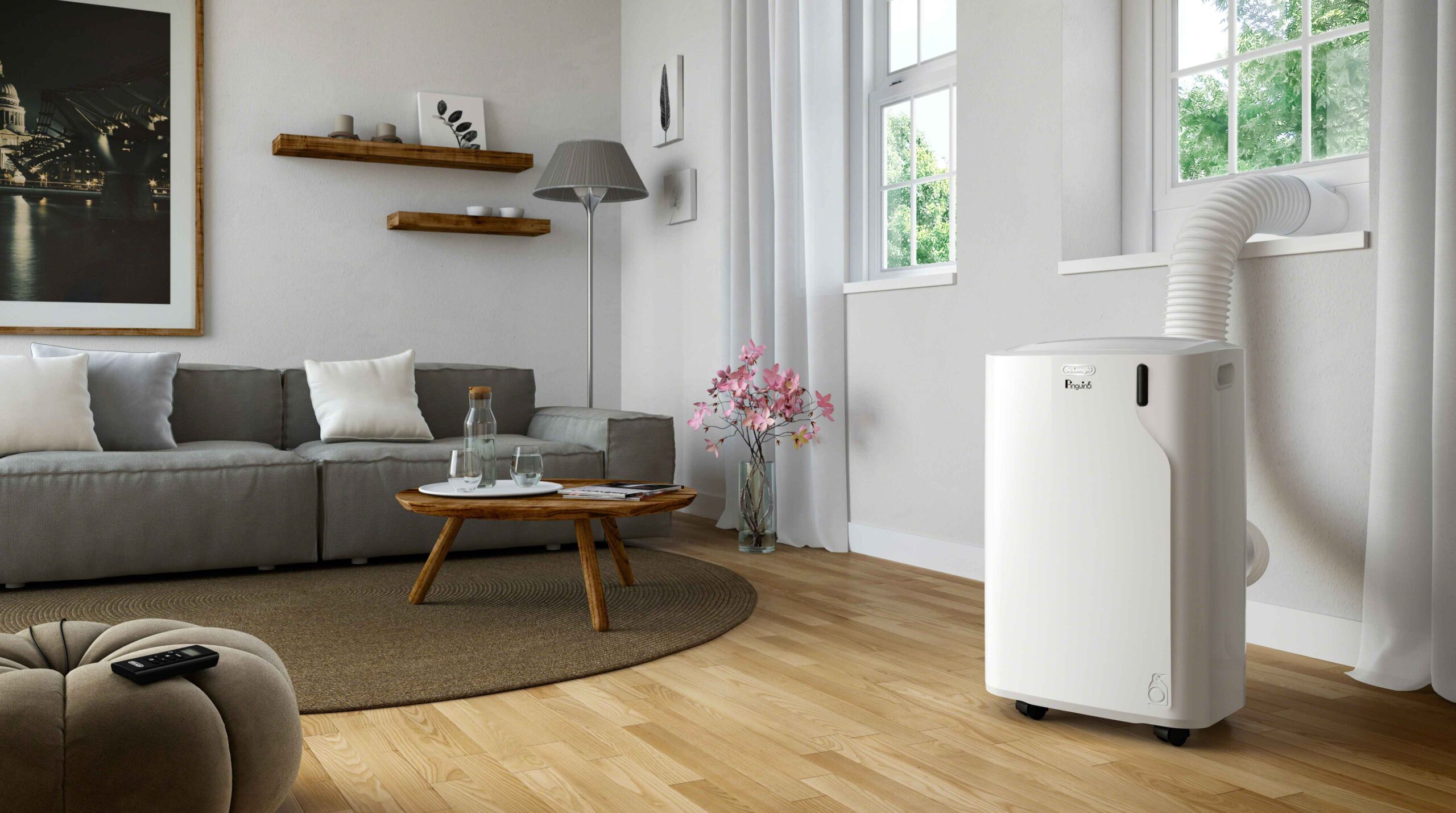
- Placement and Ventilation: Portable AC units need proper ventilation to exhaust hot air. Make sure the exhaust hose is properly connected to both the unit and the window adapter. Ensure the exhaust hose is not kinked, blocked, or excessively long. A kinked or blocked hose restricts airflow and prevents the AC from cooling effectively. Ideally, the exhaust hose should be as short and straight as possible.
- Window Adapter Installation: Is the window adapter properly installed and sealing the window opening? Gaps around the adapter allow hot air to leak back into the room, negating the cooling effect. Use weather stripping or foam to seal any gaps around the adapter.
Step 2: Checking the Air Conditioner's Settings and Controls
Now that we've ruled out basic power and placement issues, let's examine the AC unit's settings.
- Power Button: This might sound silly, but is the air conditioner actually turned on? Ensure the power button is pressed and the unit is in the "on" position.
- Mode Setting: Is the AC set to "cool" mode? Many portable AC units have multiple modes, such as "fan," "dehumidify," and "cool." Make sure it's set to the appropriate cooling mode.
- Temperature Setting: Is the temperature set low enough? If the set temperature is higher than the room temperature, the AC won't turn on or cool effectively. Lower the temperature setting a few degrees below the current room temperature.
- Fan Speed: Try increasing the fan speed. Sometimes, a low fan speed isn't sufficient to circulate cool air effectively.
- Timer Function: Is the timer function accidentally activated? If the timer is set to turn the AC off shortly after you turn it on, it might appear as if the unit isn't working properly. Deactivate or adjust the timer setting.
- Remote Control (if applicable): Are the batteries in the remote control fresh? Sometimes, a weak remote signal can prevent the AC from responding to commands. Try replacing the batteries.
Step 3: Inspecting and Cleaning the Filters
A dirty air filter is a common cause of poor cooling performance in portable air conditioners. A clogged filter restricts airflow, making the unit work harder and less efficiently. This can also lead to overheating and potentially damage the compressor.
- Locate the Filter(s): Refer to your air conditioner's user manual to locate the air filter(s). They are usually located on the back or side of the unit.
- Remove the Filter(s): Carefully remove the filter(s) from the unit.
- Clean the Filter(s): Use a vacuum cleaner with a brush attachment to remove dust and debris from the filter(s). If the filter(s) are heavily soiled, you can wash them with mild soap and water. Ensure the filter(s) are completely dry before reinstalling them. Damp filters can promote mold growth and damage the AC unit.
- Reinstall the Filter(s): Carefully reinstall the clean and dry filter(s) back into the unit.
Step 4: Checking for Ice Buildup
In some cases, ice can build up on the evaporator coils inside the air conditioner. This can restrict airflow and prevent the unit from cooling properly. This usually indicates low refrigerant or a dirty filter, but let's address the icing first.
- Turn off the Unit: Turn off the air conditioner and unplug it from the power outlet.
- Allow the Ice to Melt: Let the ice melt completely. This may take several hours. You can speed up the process by placing a fan near the unit. Do not use a hairdryer or any other heat source to melt the ice. This could damage the unit.
- Identify the Cause: Once the ice has melted, try to determine the cause of the icing. Was the air filter dirty? Was the room excessively humid? Addressing the underlying cause will help prevent future icing.
- Restart the Unit: Once the ice has melted and you've addressed the potential cause, plug the unit back in and turn it on. Monitor its performance. If the icing recurs frequently, it may indicate a more serious problem, such as a refrigerant leak, requiring professional attention.
Step 5: Draining the Water Tank (if applicable)
Some portable air conditioners have a water tank that collects condensation. If the tank is full, the unit may shut off automatically or display an error message. Refer to your user manual for specifics on your model.
- Locate the Drain Plug: Find the drain plug or drain hose on the air conditioner. It's usually located on the back or bottom of the unit.
- Prepare a Container: Place a container or bucket under the drain plug to catch the water.
- Remove the Drain Plug: Carefully remove the drain plug and allow the water to drain completely.
- Replace the Drain Plug: Once the water has drained, replace the drain plug securely.
- Consider Continuous Drain (if available): Some units allow for continuous draining by connecting a hose to the drain port and directing the water to a drain or sink. Consult your manual for instructions.
When to Call a Professional
While these troubleshooting steps can resolve many common issues, some problems require the expertise of a qualified technician. Never attempt repairs that you are not comfortable with or that involve electricity, gas, or complex components. Here are some situations when you should call a professional:
- Refrigerant Leaks: If you suspect a refrigerant leak (e.g., the unit is blowing warm air despite running constantly, and you notice a sweet, oily smell), do not attempt to repair it yourself. Refrigerant handling requires specialized equipment and training. Leaking refrigerant is also harmful to the environment.
- Electrical Issues: If you experience frequent circuit breaker trips, notice burning smells, or see sparks, contact an electrician immediately. Never attempt to repair electrical components yourself unless you are a qualified electrician.
- Compressor Problems: The compressor is the heart of the air conditioning system. If you suspect a compressor problem (e.g., the unit is making unusual noises, or the compressor is not turning on), it's best to leave the repair to a professional. Compressor repairs are complex and often require specialized tools.
- Complex Component Failures: If you suspect a failure of other complex components, such as the motor, control board, or fan, it's generally best to consult a technician.
- Persistent Problems: If you've tried all the troubleshooting steps outlined above and the air conditioner still isn't working properly, it's time to call a professional.
Preventative Maintenance Tips
To keep your portable air conditioner running smoothly and efficiently, consider these preventative maintenance tips:
- Clean the Filters Regularly: Clean the air filters at least once a month, or more often if you live in a dusty environment.
- Inspect the Exhaust Hose: Regularly inspect the exhaust hose for kinks, blockages, and damage.
- Clean the Exterior: Wipe down the exterior of the unit with a damp cloth to remove dust and dirt.
- Store Properly: When storing the air conditioner for the off-season, clean it thoroughly, drain any water, and store it in a dry, protected location. Cover the unit to prevent dust buildup.
- Consider a Professional Tune-Up: Every few years, consider having a professional technician inspect and tune-up your air conditioner. This can help identify and address potential problems before they become major issues.
By following these troubleshooting steps and preventative maintenance tips, you can keep your portable air conditioner running cool and efficiently for years to come. Remember to prioritize safety and consult a professional when needed. With a little knowledge and effort, you can stay cool and comfortable all summer long!