How To Shade Your Ac Unit
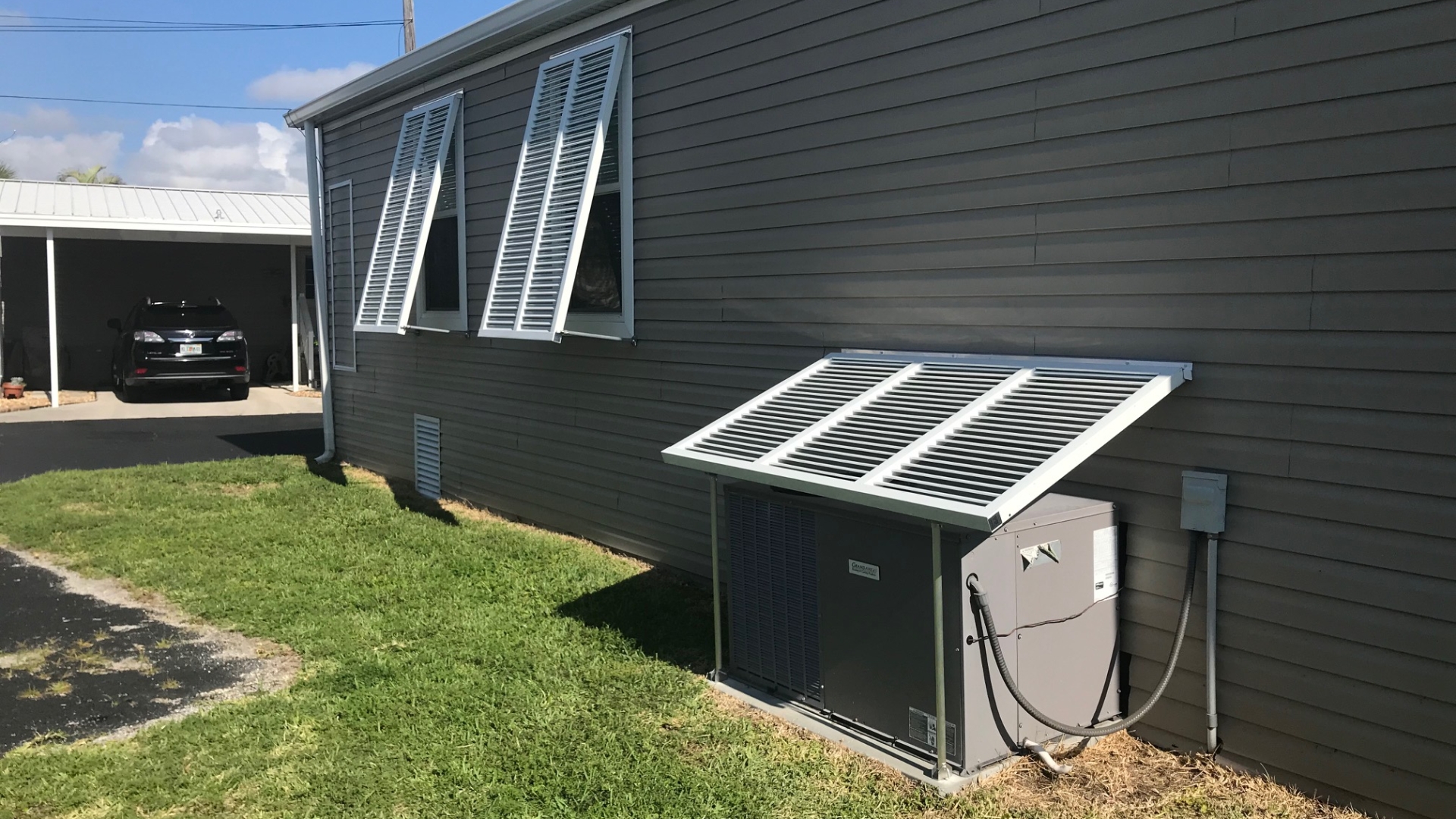
Air conditioning is a significant energy drain, especially during peak summer months. Shading your AC unit is a surprisingly effective, and often overlooked, strategy to improve its efficiency and lower your energy bills. This article explores various shading methods, their benefits, and how they integrate with smart HVAC systems to maximize energy savings.
Why Shade Your AC Unit? The Science Behind the Savings
Outdoor AC units, specifically the condenser, dissipate heat. When exposed to direct sunlight, the unit absorbs solar radiation, raising its operating temperature. This forces the AC unit to work harder to cool refrigerant, reducing its efficiency and increasing energy consumption. Studies show that a shaded AC unit can operate 2-10% more efficiently, translating to tangible savings on your electricity bill. The Environmental Protection Agency (EPA) recommends optimizing AC unit placement and shading strategies as part of comprehensive energy efficiency improvements.
Consider this: a condenser operating in direct sunlight can experience surface temperatures up to 30°F higher than a shaded unit. This difference dramatically impacts its cooling capacity and energy consumption. Energy Star guidelines also emphasize the importance of minimizing heat gain from external sources to improve AC system performance.
Shading Methods: Choosing the Right Approach
Several methods can effectively shade your AC unit, each with its pros and cons. Consider your budget, available space, and aesthetic preferences when selecting the best option.
1. Strategic Planting: Natural Shade and Aesthetic Appeal
Planting trees and shrubs strategically around your AC unit offers natural shade while enhancing your property's curb appeal. Deciduous trees are ideal, providing shade during summer and allowing sunlight to reach the unit during winter. Ensure plants are at least 3 feet away from the unit to avoid obstructing airflow. Consider native plant species for low maintenance and environmental benefits. Some fast growing trees like *maple trees* are not recommended due to falling debris and extensive root systems.
ROI: While the initial investment for plants might be higher, the long-term benefits include reduced energy consumption, increased property value, and improved air quality. Many local governments offer rebates for planting trees, further reducing the upfront cost.
2. Constructed Shade Structures: Custom Solutions for Maximum Efficiency
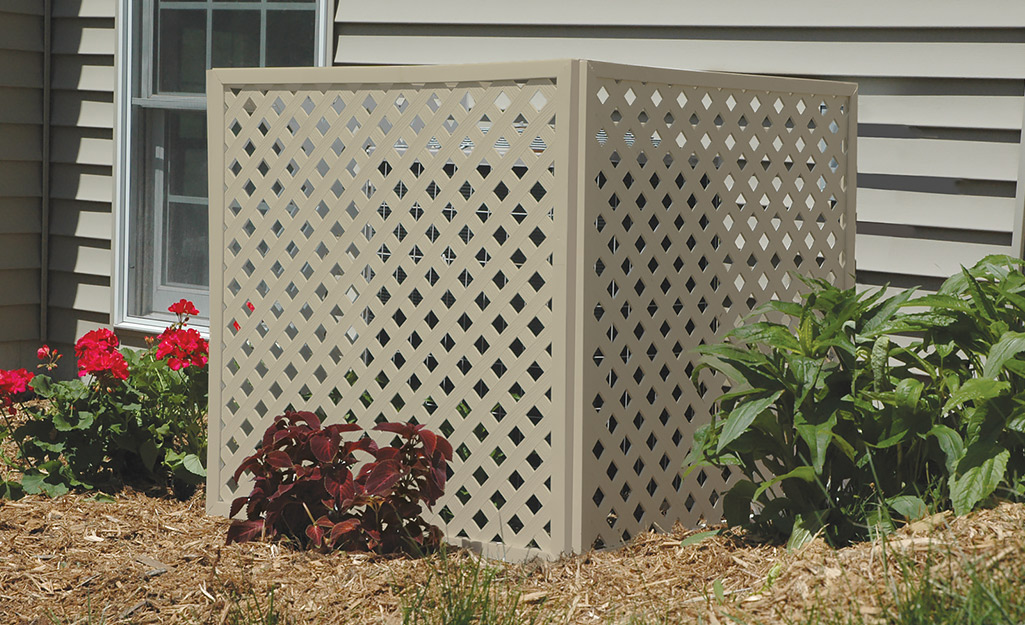
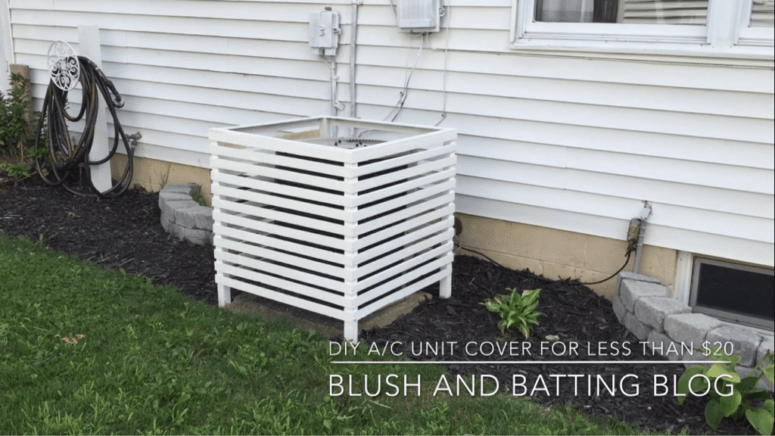
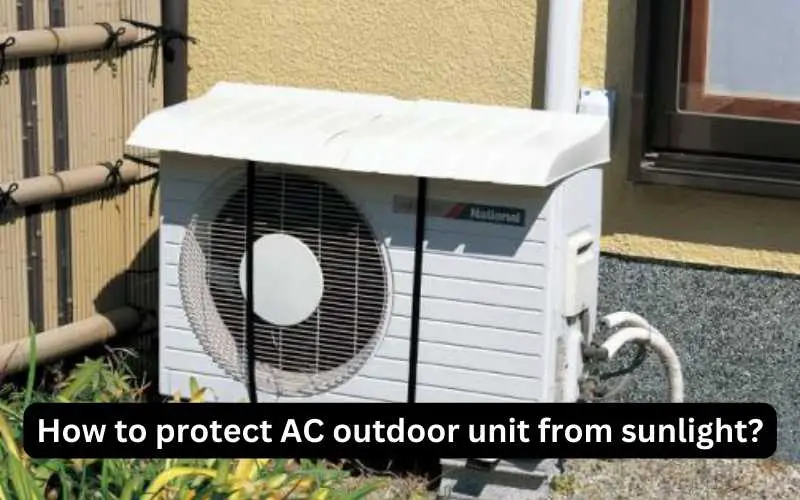
Building a custom shade structure offers greater control over the amount of shade provided. Options include pergolas, awnings, and lattice structures. Choose materials that reflect sunlight, such as light-colored wood or metal. Ensure the structure allows for adequate airflow around the unit for optimal performance. A simple 3-sided structure open to the front and top can be a great option.
Technical Tip: When designing a shade structure, consider the sun's path throughout the day to maximize shading effectiveness. Online tools can help you calculate the optimal angle and dimensions for your structure.
3. Shade Cloth and Sails: Budget-Friendly and Versatile
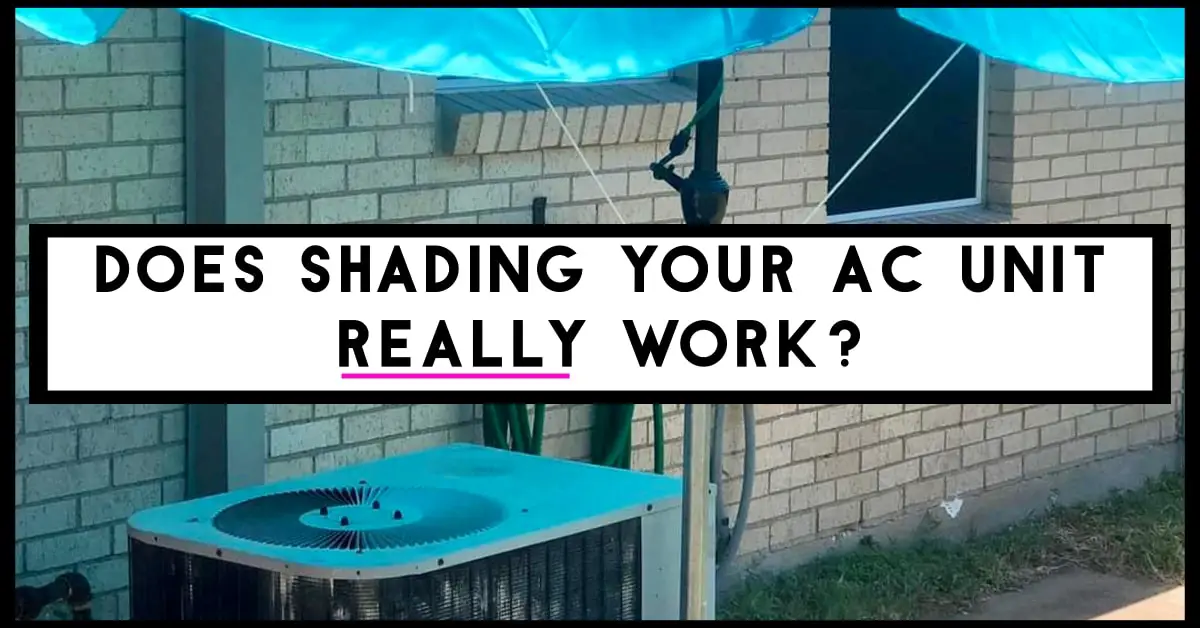
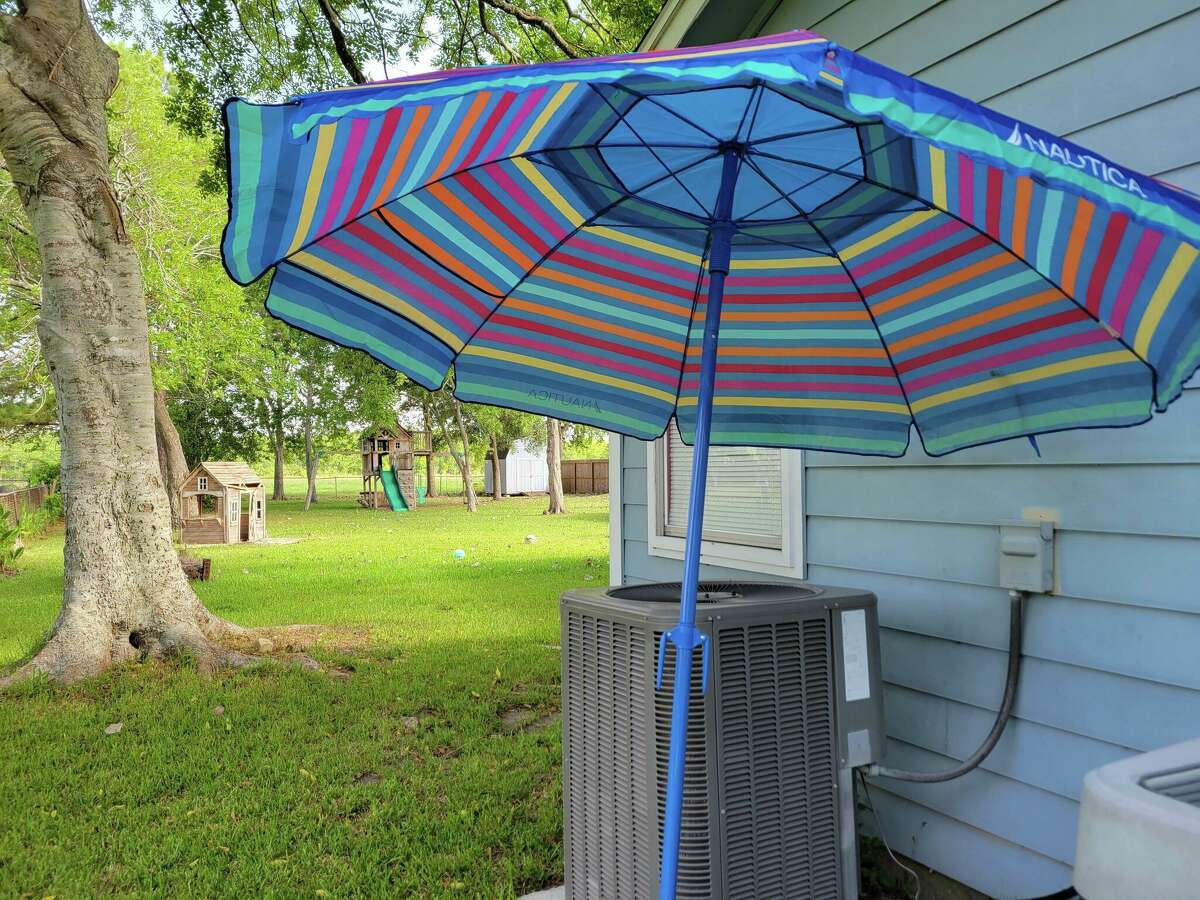
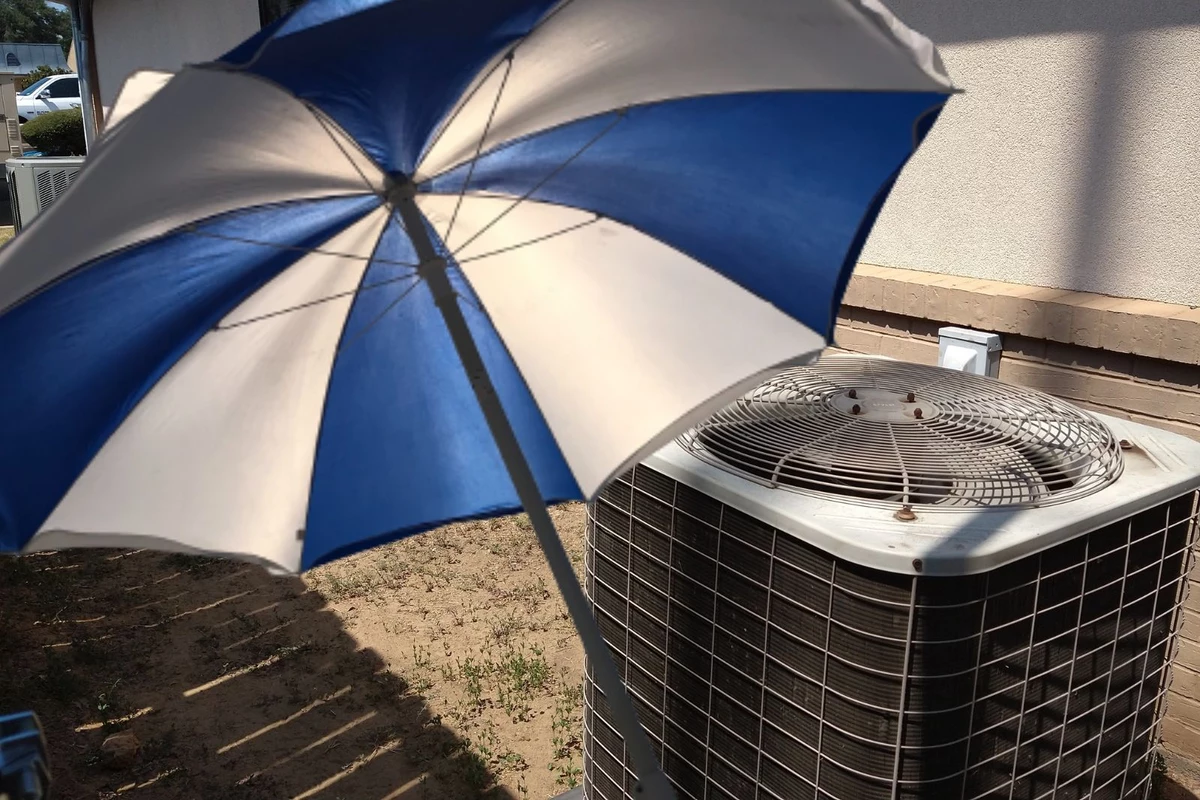
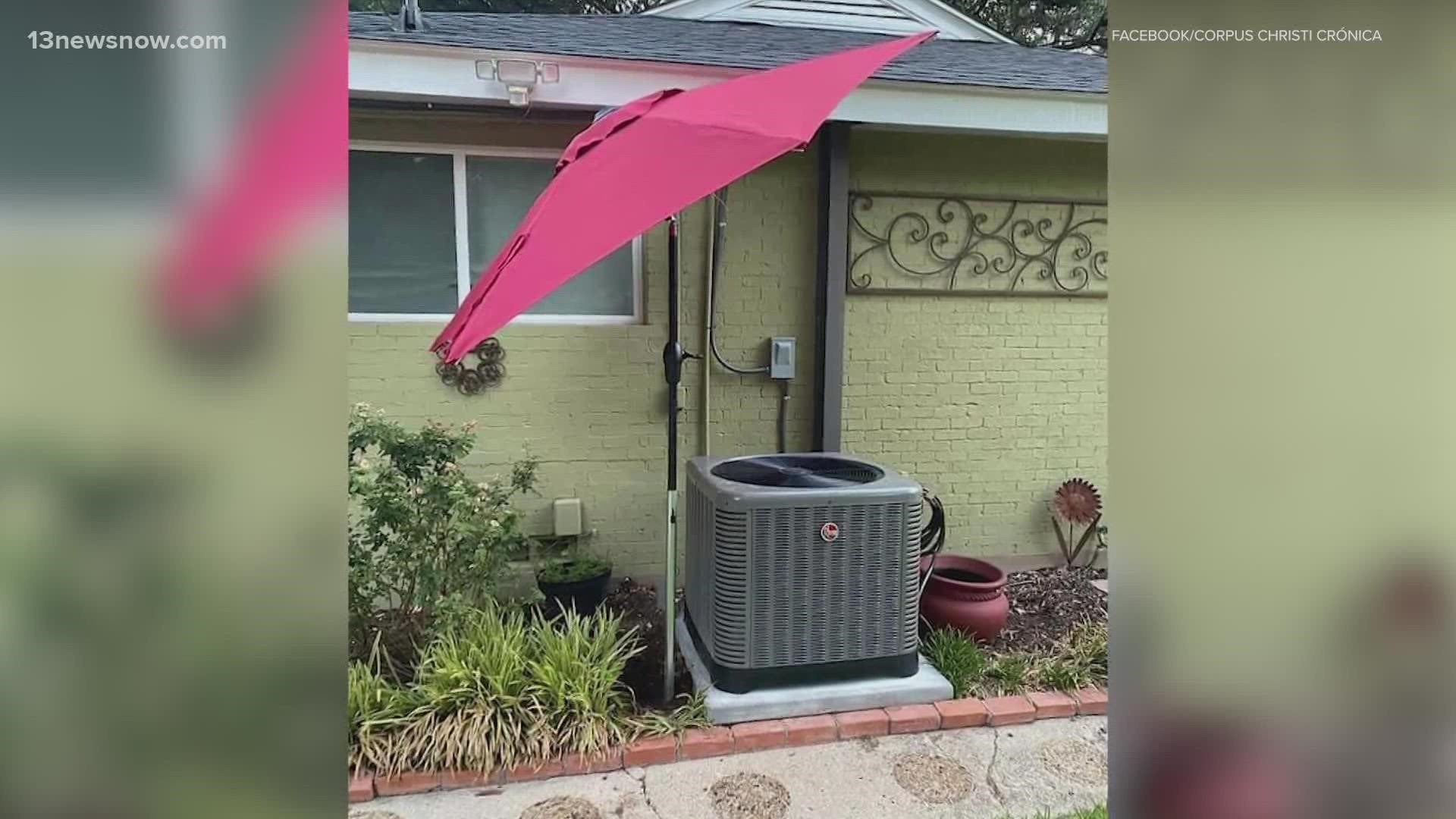
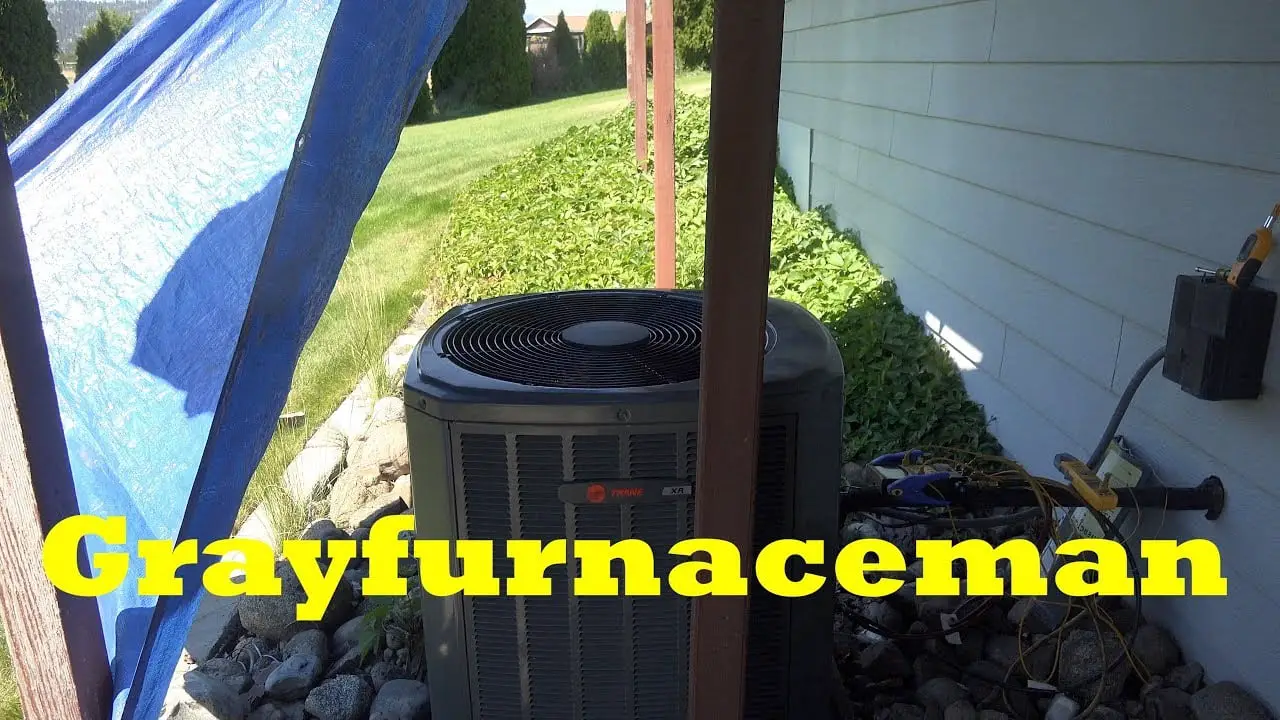
Shade cloth and sails are affordable and easy to install. They come in various sizes, colors, and materials, offering flexibility in shading design. Choose a shade cloth with a high UV protection rating to maximize its effectiveness. Securely anchor the cloth or sail to prevent it from being damaged by wind. Shade sails can also be used to give shade to different areas of the yard.
Data Point: Shade cloth can reduce the temperature of the shaded area by up to 15°F, significantly improving AC unit efficiency.
4. Existing Structures: Leveraging Natural Shade
Utilize existing structures, such as fences, walls, or overhangs, to provide shade. If possible, relocate your AC unit to a naturally shaded area. However, ensure the new location meets all installation requirements, including proper clearance and accessibility for maintenance.
Caution: Avoid completely enclosing the AC unit, as this can restrict airflow and lead to overheating.
Smart HVAC Integration: Maximizing Energy Savings with Shading
Integrating shading strategies with smart HVAC systems can further enhance energy efficiency. Smart thermostats can automatically adjust temperature settings based on external conditions and occupancy patterns. When combined with shading, the system can proactively reduce energy consumption during peak sunlight hours. Many smart thermostats offer features like geofencing and learning algorithms that optimize energy usage over time.
Consider adding smart sensors to monitor the temperature around your AC unit. These sensors can provide real-time data to your smart thermostat, allowing it to make informed decisions about cooling cycles. For example, if the sensor detects a high temperature due to direct sunlight, the thermostat can preemptively lower the temperature setting to maintain a comfortable indoor environment.
Example: A homeowner installs a smart thermostat and plants a shade tree near their AC unit. The thermostat learns that the AC unit operates more efficiently when shaded and adjusts its cooling schedule accordingly, resulting in significant energy savings.
DIY vs. Professional Installation: Weighing Your Options
Simple shading solutions, such as shade cloth or strategic planting, can be easily implemented as DIY projects. However, more complex projects, such as building custom shade structures or relocating your AC unit, may require professional assistance. Consider the following factors when deciding whether to DIY or hire a contractor:
- Skill Level: Are you comfortable with basic construction and landscaping tasks?
- Time Commitment: Do you have the time to dedicate to the project?
- Permits and Regulations: Are there any local permits or regulations required for your project?
- Safety Considerations: Are there any safety hazards associated with the project?
Hiring an HVAC contractor can ensure proper installation and compliance with local codes. They can also provide expert advice on the best shading strategies for your specific situation. When choosing a contractor, look for certifications from organizations like the North American Technician Excellence (NATE).
Maintenance and Best Practices
Regular maintenance is crucial for maximizing the benefits of shading. Here are some best practices to follow:
- Trim plants regularly to prevent them from obstructing airflow.
- Inspect shade structures for damage and make repairs as needed.
- Clean shade cloth or sails to remove dirt and debris.
- Ensure the AC unit is properly maintained according to the manufacturer's recommendations.
Important Note: Never cover the AC unit completely. Adequate airflow is essential for efficient operation.
Potential Issues and Solutions
While shading offers numerous benefits, some potential issues may arise. Here are some common problems and their solutions:
- Poor Airflow: Ensure adequate clearance around the AC unit to allow for proper airflow. Trim plants or adjust the shade structure as needed.
- Pest Infestation: Monitor plants for pests and take appropriate measures to control them. Avoid planting species that attract pests.
- Structural Damage: Inspect shade structures regularly for signs of damage and make repairs promptly.
- Mold Growth: Ensure the area around the AC unit is well-drained to prevent mold growth.
Government Rebates and Incentives
Many government agencies and utility companies offer rebates and incentives for energy-efficient upgrades, including AC unit shading. Check with your local utility company and state energy office to see what programs are available in your area. These incentives can significantly reduce the upfront cost of implementing shading strategies and improve the overall ROI. The Database of State Incentives for Renewables & Efficiency (DSIRE) is a great resource for finding available rebates and incentives.
Tip: Keep detailed records of your energy savings to demonstrate the effectiveness of your shading strategies when applying for rebates.
Conclusion: Shading Your Way to Energy Savings
Shading your AC unit is a simple yet effective way to improve its efficiency, lower your energy bills, and reduce your carbon footprint. By choosing the right shading method and integrating it with a smart HVAC system, you can maximize your energy savings and enjoy a more comfortable home environment. Whether you opt for strategic planting, a custom shade structure, or a simple shade cloth, the benefits of shading are undeniable. Take the time to assess your specific needs and implement a shading strategy that works for you. The long-term savings and environmental benefits will be well worth the effort.