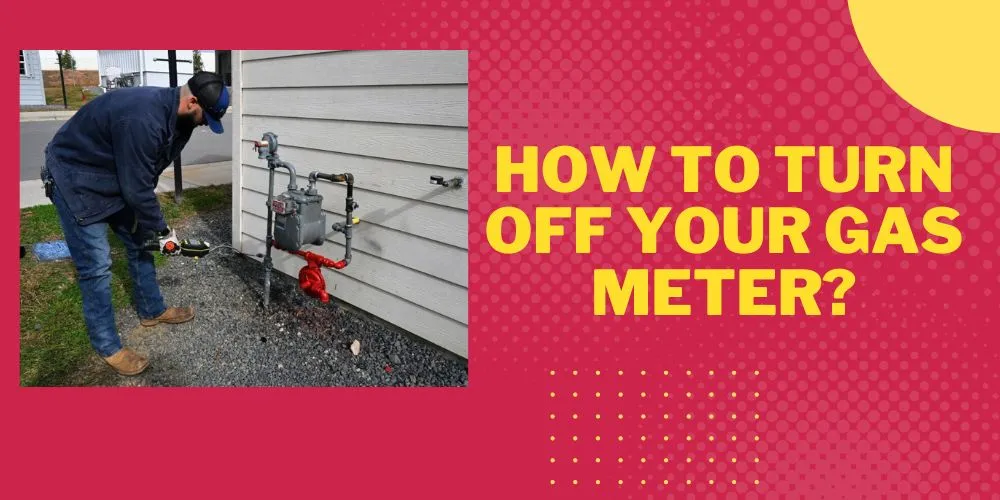
How To Shut Off A Gas Meter
The smell of gas can be alarming, or perhaps a gas appliance is malfunctioning and you suspect a leak. Knowing how to safely shut off your gas meter is a crucial skill for any homeowner. This guide provides clear, step-by-step instructions. However, never hesitate to call your gas company or 911 if you suspect a serious leak. This guide is for emergency situations only.
Understanding When to Shut Off Your Gas
Shutting off your gas meter should only be done in emergency situations. Here are some scenarios:
- Strong gas odor: A persistent, strong smell of natural gas is a major warning sign.
- Gas leak detected: If you have a gas leak detector that alarms.
- Damaged gas line: Visible damage to the gas line entering your property.
- Appliance malfunction: A severely malfunctioning gas appliance that you suspect is leaking gas.
- Natural disaster: In the event of an earthquake, flood, or other natural disaster where gas lines may be compromised.
Never shut off the gas meter as a first resort for appliance troubleshooting. Always attempt simpler solutions first, and only shut off the gas if you genuinely suspect a dangerous leak or line damage.
Safety First!
Before you even think about touching the gas meter, consider these safety precautions:
- Evacuate: If the gas odor is strong, evacuate everyone from the house immediately.
- No sparks: Do not use any electrical devices (lights, phones, garage door opener) as they could create a spark and ignite the gas.
- Ventilate: If possible, open windows and doors to ventilate the area after you are safely away from the immediate vicinity of the suspected leak.
- Call for help: From a safe location, call your gas company or 911 to report the leak.
Locating Your Gas Meter
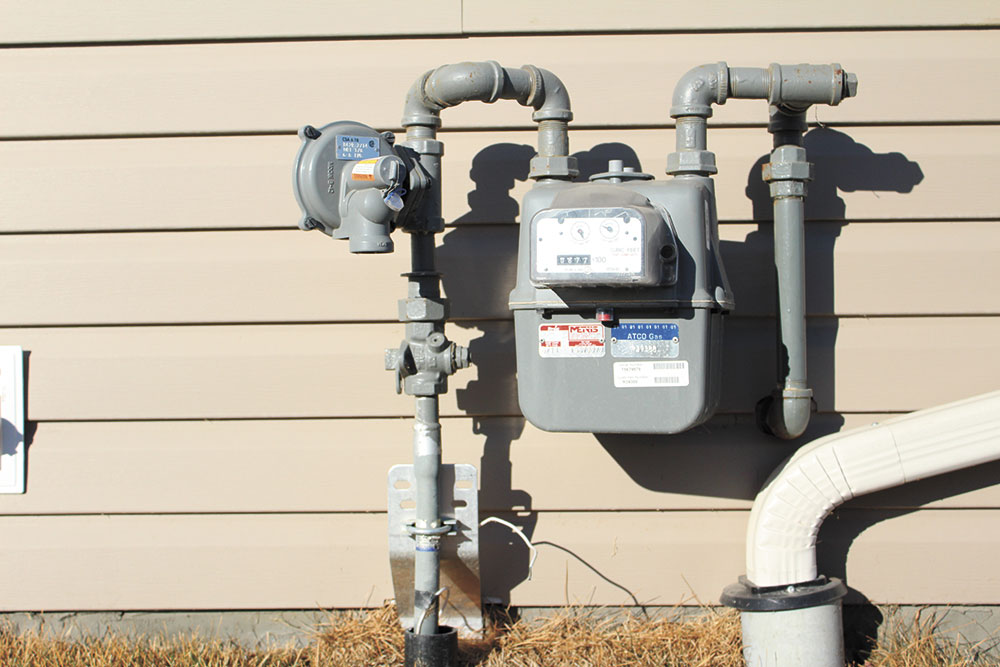
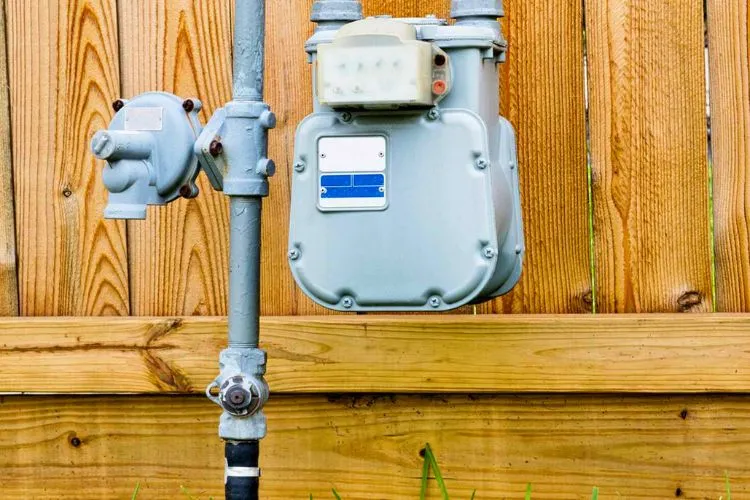
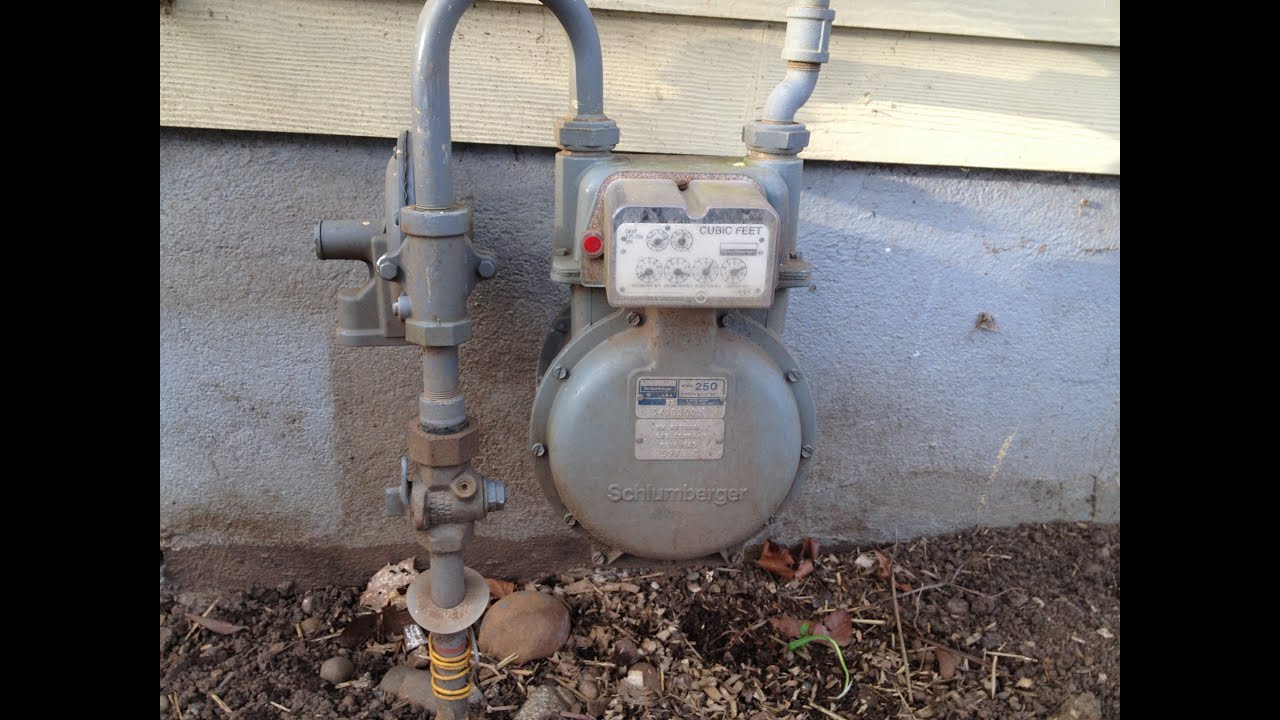
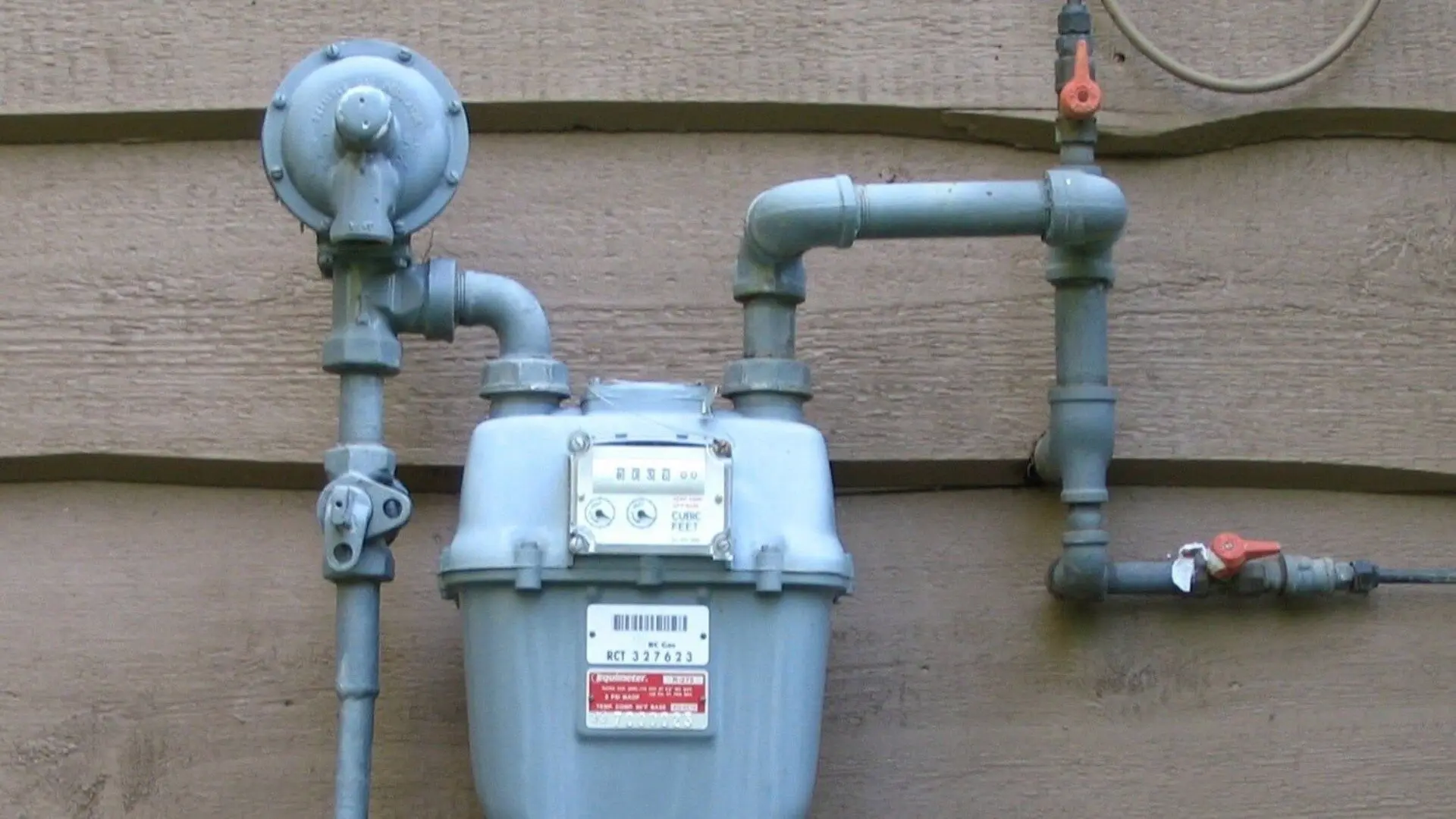
The first step is to locate your gas meter. It's typically located:
- Outside your house: Usually near the front or side of your property.
- Near the foundation: Often close to where the gas line enters your home.
- In a protective box or enclosure: Sometimes covered for protection from the elements.
Take a moment to familiarize yourself with the location of your meter *before* an emergency occurs. This can save valuable time in a crisis.
Identifying the Shut-Off Valve
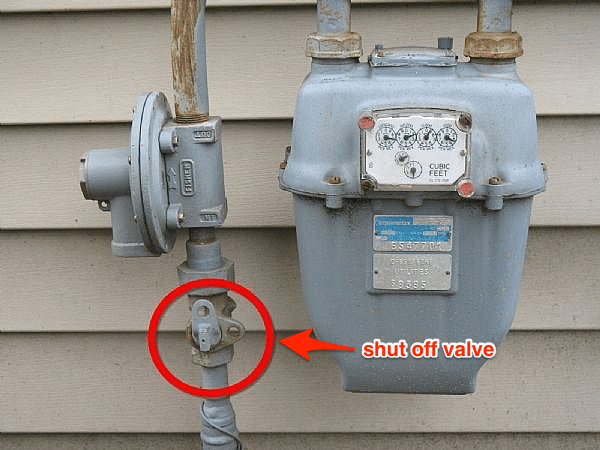
The shut-off valve is usually a rectangular or oblong valve located on the gas line before it enters the meter itself. It will have one of the following:
- A lever-style handle: This is the most common type.
- A wrench-operated valve: Requires a wrench to turn.
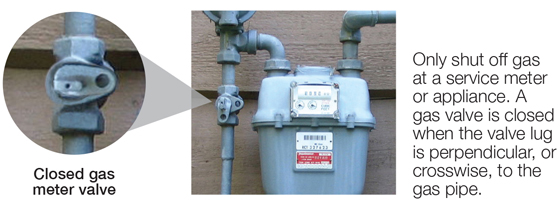
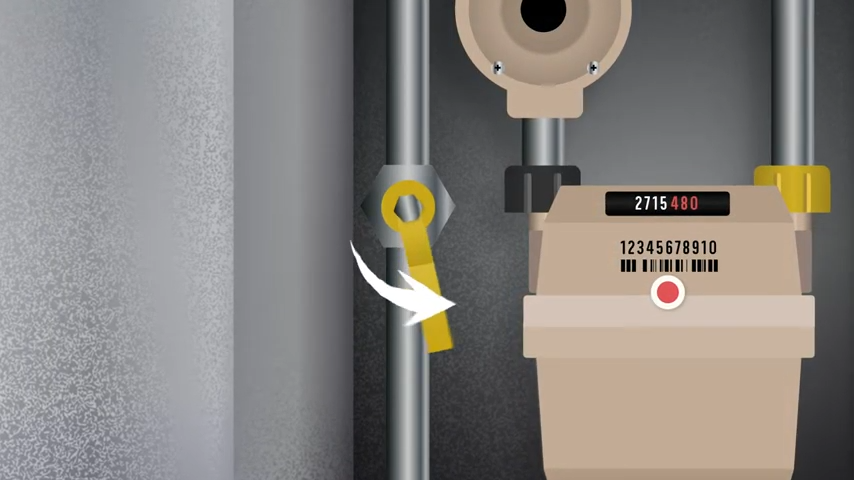
The lever-style handle is usually parallel to the gas pipe when the gas is on, and perpendicular to the pipe when the gas is off.
Tools You Might Need
You should only need one tool:
- Wrench (adjustable or pipe wrench): Only needed if your valve is wrench-operated. Make sure the wrench is the correct size.
Step-by-Step Guide to Shutting Off the Gas
Step 1: Prepare
Remember safety first! Ensure you've taken the necessary precautions (evacuated, no sparks, called for help if needed) before proceeding.
Step 2: Locate the Shut-Off Valve
Confirm you've located the correct valve – it should be on the gas line before the meter.
Step 3: Shut Off the Gas (Lever-Style Valve)
For a lever-style valve:
- Grip the lever firmly.
- Turn the lever 90 degrees so that it is perpendicular to the gas pipe. This will shut off the gas flow.
- The lever should now be at a right angle to the pipe.
Step 4: Shut Off the Gas (Wrench-Operated Valve)
For a wrench-operated valve:
- Fit the wrench securely onto the valve.
- Turn the valve a quarter turn (90 degrees) until it is perpendicular to the gas pipe. You might need to use some force.
- Do not over-tighten or force the valve. If it's stuck, call the gas company.
Step 5: Confirmation
After shutting off the gas, double-check that the valve is completely turned to the off position. The lever or wrench fitting should be clearly perpendicular to the pipe.
What to Do After Shutting Off the Gas
Do not attempt to turn the gas back on yourself! This is extremely important. Turning the gas back on requires a specific procedure to avoid dangerous situations.
- Contact the gas company: They will inspect the system for leaks and safely relight your appliances.
- Do not relight pilot lights: Leave this to the professionals.
Common Mistakes to Avoid
- Using the wrong valve: Make sure you're turning off the gas meter valve, not a water valve or some other fitting.
- Forcing the valve: If the valve is stuck, do not force it. Call the gas company.
- Not calling the gas company: This is essential after shutting off the gas. They need to inspect the system before it's turned back on.
- Trying to relight appliances yourself: This can be dangerous and lead to gas buildup and potential explosions.
Appliance Troubleshooting: A Different Approach
As mentioned earlier, shutting off the gas should be a last resort. Let's consider a more common scenario: your gas furnace isn't working. Here's a troubleshooting approach focusing on a gas furnace issue. Always disconnect power to the furnace before performing any internal checks.
Furnace Troubleshooting: A Step-by-Step Guide
Before calling a technician, try these simple steps:
1. Check the Thermostat
- Power: Ensure the thermostat has power. Replace batteries if necessary.
- Settings: Make sure the thermostat is set to "Heat" and the temperature is set higher than the current room temperature.
- Fan Setting: Ensure the fan is set to "Auto" and not "On" (unless you specifically want continuous fan operation).
2. Check the Power Supply to the Furnace
- Circuit Breaker: Locate the circuit breaker for the furnace in your electrical panel. Ensure it hasn't tripped. If it has, reset it. If it trips again immediately, there's a problem that requires a professional electrician.
- Emergency Shut-Off Switch: Many furnaces have an emergency shut-off switch (often resembling a light switch) located near the furnace. Make sure it's in the "On" position.
3. Check the Furnace Filter
- Dirty Filter: A clogged air filter can restrict airflow, causing the furnace to overheat and shut down. Replace the filter regularly (every 1-3 months).
4. Check the Pilot Light (Older Furnaces)
Modern furnaces typically have electronic ignition, but older models have a pilot light.
- Pilot Light Out: If the pilot light is out, follow the manufacturer's instructions to relight it. Always refer to the furnace's user manual for specific instructions.
- Smell of Gas: If you smell gas while attempting to relight the pilot light, stop immediately and call the gas company.
5. Check the Flame Sensor (Newer Furnaces)
Newer furnaces utilize a flame sensor to confirm that the gas is ignited and burning safely.
- Location Locate the flame sensor. It is usually a thin metal rod positioned near the burner.
- Cleaning the Sensor Turn off power to the furnace at the breaker panel. Disconnect the wire leading to the flame sensor. Using fine steel wool or sandpaper, gently clean the sensor rod to remove any carbon buildup. This buildup can prevent the sensor from properly detecting the flame.
- Reassemble Reconnect the wire to the flame sensor and restore power to the furnace at the breaker panel.
When to Call a Professional
If you've tried these basic troubleshooting steps and your furnace still isn't working, it's time to call a qualified HVAC technician. These issues are best left to professionals:
- Complex Electrical Problems: Any issues involving wiring, capacitors, or other electrical components.
- Gas Valve Problems: If you suspect a problem with the gas valve, do not attempt to repair it yourself.
- Burner Problems: Issues with the burners themselves, such as uneven flames or sooting.
- Heat Exchanger Problems: A cracked heat exchanger is a serious safety hazard and requires immediate professional attention.
- You smell gas and cannot determine the source.
Empowerment Through Knowledge
Understanding basic troubleshooting steps and knowing how to safely shut off your gas meter can give you peace of mind and potentially save you time and money. However, remember that safety should always be your top priority. When in doubt, always call a qualified professional.