How To Size A Hvac System
The Goldilocks of HVAC: How to Size Your System Just Right for Maximum Energy Savings
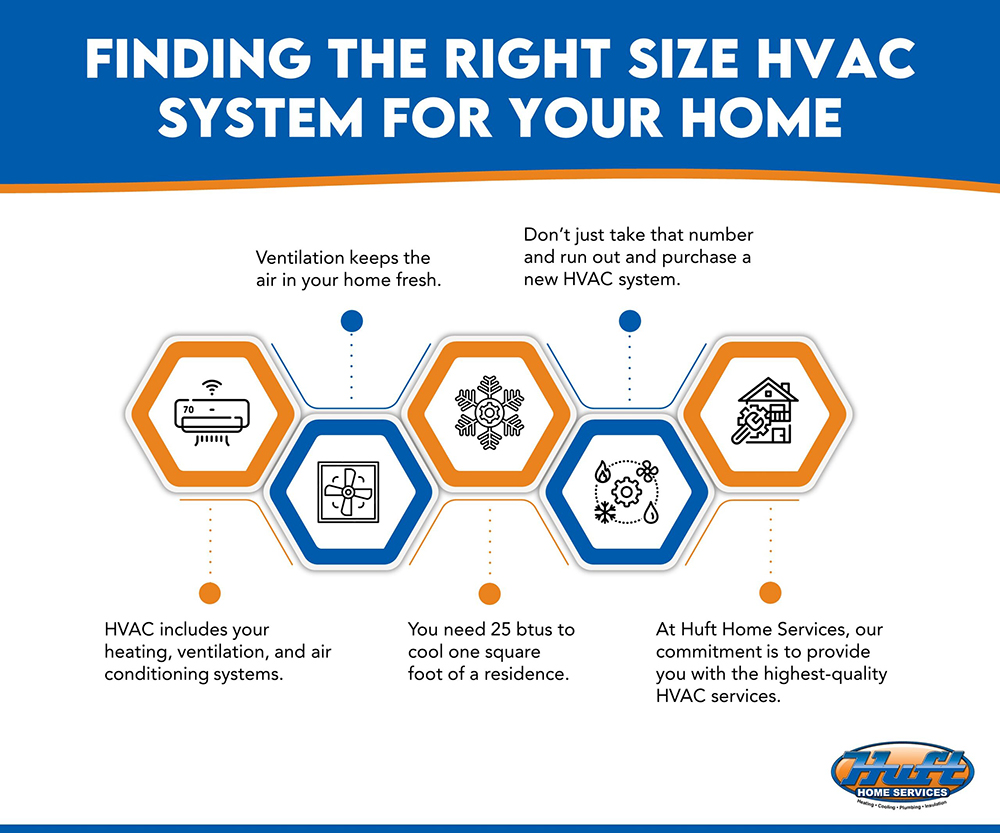
Choosing a new HVAC system is a significant investment, whether you're a homeowner looking to cut energy bills, a business aiming for sustainability, or a smart home enthusiast wanting seamless integration. But before you even think about SEER ratings or smart thermostats, the most crucial factor is **sizing**. An improperly sized HVAC system is like wearing shoes that are too big or too small – uncomfortable, inefficient, and ultimately, a waste of money. This article will guide you through the process of correctly sizing your HVAC system to ensure optimal performance, energy efficiency, and cost savings.
Why Size Matters: More Than Just BTU's
Many homeowners believe bigger is always better when it comes to cooling and heating. This couldn't be further from the truth. An oversized system cycles on and off too frequently. This short cycling leads to:
- Reduced Efficiency: HVAC systems operate most efficiently when running for longer periods. Short cycling wastes energy during startup and shutdown phases.
- Uneven Temperatures: Inconsistent operation results in hot and cold spots throughout your home.
- Increased Wear and Tear: Frequent starts and stops put unnecessary strain on components, shortening the lifespan of your system.
- Poor Dehumidification: Air conditioners remove moisture from the air as they run. Short cycles don't allow enough time for proper dehumidification, leading to a clammy, uncomfortable indoor environment.
On the other hand, an undersized system struggles to keep up with demand, leading to:
- Constant Operation: The system runs continuously, driving up energy bills and potentially leading to overheating.
- Insufficient Cooling/Heating: Your home may never reach the desired temperature, especially during extreme weather.
- Premature Failure: Overworked components are more likely to fail prematurely.
The goal is to find the "Goldilocks" zone – a system that's just right for your home's specific needs.
The Manual J Calculation: The Foundation of Accurate Sizing
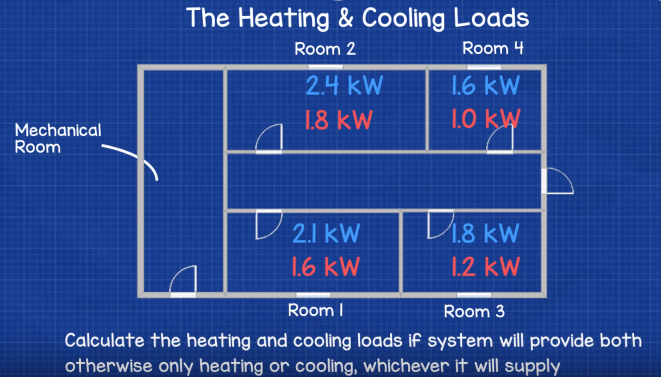
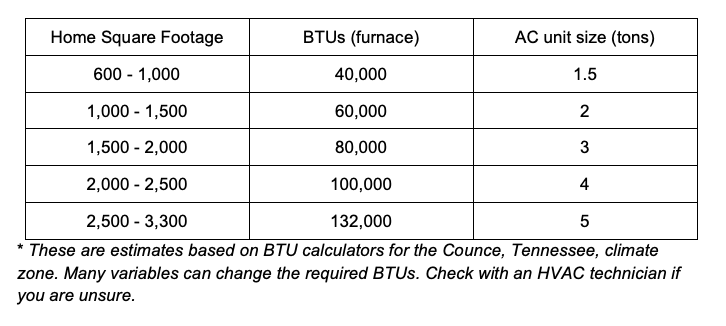
The industry standard for accurately sizing an HVAC system is the Manual J load calculation developed by the Air Conditioning Contractors of America (ACCA). This comprehensive calculation takes into account a wide range of factors to determine the precise heating and cooling load of your home.
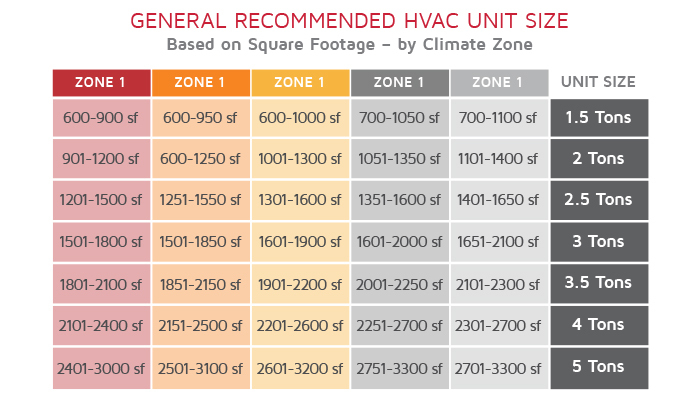
Instead of relying on outdated rules of thumb (like square footage alone), Manual J considers:
- Climate Zone: The average temperature and humidity in your region.
- Square Footage: The total living area of your home.
- Insulation Levels: The R-value of your walls, ceilings, and floors.
- Window Efficiency: The U-factor and Solar Heat Gain Coefficient (SHGC) of your windows.
- Air Leakage: The amount of air escaping through cracks and gaps in your home's envelope.
- Orientation: The direction your home faces (south-facing homes, for example, receive more sunlight).
- Occupancy: The number of people living in the home.
- Lighting and Appliance Heat Gain: The heat generated by lights and appliances.
- Ductwork Efficiency: The design and insulation of your duct system.
A qualified HVAC contractor will use specialized software to perform a Manual J calculation, providing a detailed report outlining your home's heating and cooling needs in BTUs (British Thermal Units) per hour. It's important to note that Manual J is not a DIY project unless you are a qualified professional. Invest in a professional assessment to avoid costly errors.
Beyond Manual J: Fine-Tuning the System
While Manual J provides the foundation for accurate sizing, other factors can further refine the selection process:
- Manual S (Equipment Selection): This ACCA standard helps contractors select equipment that closely matches the calculated load, considering factors like capacity, airflow, and efficiency.
- Manual D (Duct Design): This standard ensures your ductwork is properly sized and designed to deliver conditioned air efficiently throughout your home. Inadequate or leaky ductwork can negate the benefits of a perfectly sized HVAC system.
- Home Performance Testing: A blower door test and duct leakage test can identify air leaks and duct inefficiencies that Manual J may not fully capture. Addressing these issues before installing a new HVAC system can significantly improve its performance and reduce energy consumption.
Energy-Efficient Features and Technologies: Boosting Your Savings
Once you have the correct size, you can focus on maximizing energy efficiency:
- Variable-Speed Systems: Unlike traditional single-speed systems that operate at full capacity all the time, variable-speed systems can adjust their output to match the actual heating and cooling demand. This results in smoother temperature control, quieter operation, and significant energy savings. Some studies show potential savings of up to 40% compared to single-speed systems.
- Smart Thermostats: Smart thermostats learn your preferences and automatically adjust the temperature to optimize comfort and energy efficiency. Many models offer features like geofencing (adjusting the temperature based on your location) and remote control via smartphone. Look for Energy Star certified models for guaranteed performance.
- Zoning Systems: Zoning systems allow you to control the temperature in different areas of your home independently. This is particularly useful for homes with multiple stories or rooms with varying heating and cooling needs.
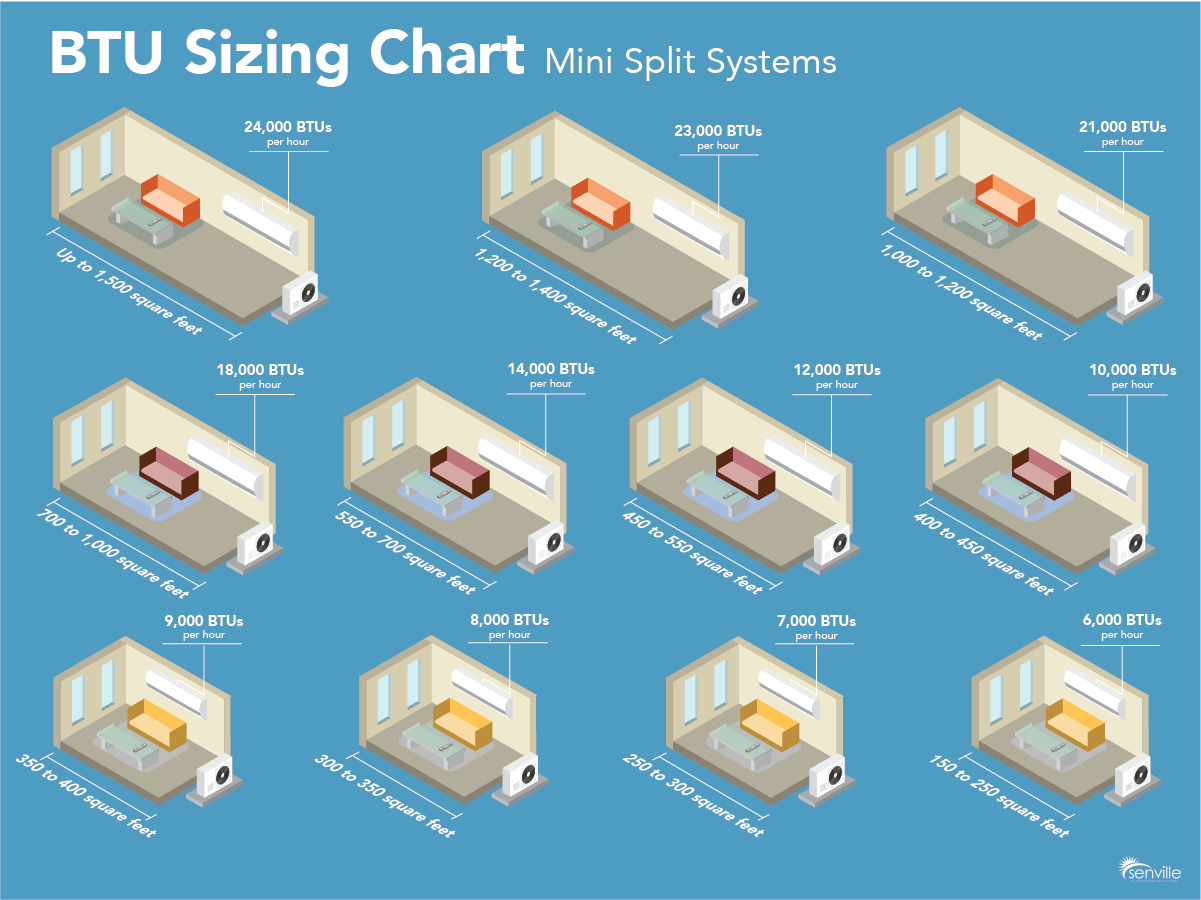
- Ductless Mini-Split Systems: These systems are ideal for additions, sunrooms, or homes without existing ductwork. They offer high efficiency and flexible zoning capabilities.
- Heat Pumps: In moderate climates, heat pumps can provide both heating and cooling efficiently. They transfer heat rather than generating it, making them more energy-efficient than traditional furnaces. Check for available federal and local rebates to reduce initial installation costs.
The ROI of Proper Sizing and Energy Efficiency
Investing in a properly sized and energy-efficient HVAC system offers a compelling return on investment. The initial cost may be higher, but the long-term savings on energy bills, reduced maintenance, and extended system lifespan more than compensate for the upfront investment.
Here's a breakdown of potential ROI benefits:
- Lower Energy Bills: Properly sized and energy-efficient systems consume less energy, resulting in significant savings on your monthly utility bills. The exact savings will vary depending on your climate, usage habits, and the efficiency of the system, but savings of 15-40% are common.
- Reduced Maintenance Costs: A properly sized system operates more efficiently and experiences less stress, leading to fewer breakdowns and lower maintenance costs.
- Extended System Lifespan: Overworked or short-cycling systems are more prone to premature failure. A properly sized system will last longer, reducing the need for costly replacements.
- Increased Home Value: A new, energy-efficient HVAC system can increase the value of your home and make it more attractive to potential buyers.
- Rebates and Incentives: Many utility companies and government agencies offer rebates and incentives for installing energy-efficient HVAC systems. These incentives can significantly reduce the upfront cost of your investment. Check the Energy Star website and your local utility provider for available programs.
Integrating Smart HVAC for Enhanced Control and Savings
Smart HVAC systems combine advanced technology with energy-efficient equipment to provide unparalleled control and savings. Integrating smart thermostats, sensors, and controls allows you to:
- Monitor Energy Consumption in Real-Time: Track your energy usage patterns and identify opportunities for further savings.
- Automate Temperature Adjustments: Schedule temperature changes based on your daily routine or occupancy patterns.
- Receive Alerts and Notifications: Get notified of potential problems, such as unusual temperature fluctuations or equipment malfunctions.
- Remotely Control Your System: Adjust the temperature from anywhere using your smartphone or tablet.
- Optimize Performance with Data Analytics: Use data analytics to identify inefficiencies and optimize system performance over time.
Finding a Qualified HVAC Contractor: Expertise is Key
Choosing the right HVAC contractor is just as important as selecting the right system. Look for a contractor who is:
- Licensed and Insured: Ensures they meet the required qualifications and are protected in case of accidents.
- Experienced and Certified: Look for certifications such as NATE (North American Technician Excellence) and ACCA membership.
- Knowledgeable about Energy Efficiency: They should be able to recommend energy-efficient systems and help you qualify for rebates and incentives.
- Willing to Perform a Manual J Calculation: A contractor who skips this step is not providing you with a complete and accurate assessment.
- Transparent and Communicative: They should be willing to answer your questions and explain the different options available to you.
- Offers a Comprehensive Warranty: A good warranty provides peace of mind and protects your investment.
Don't be afraid to get multiple quotes and compare proposals. Ask for references and check online reviews to get a sense of the contractor's reputation.
Final Thoughts: A Smart Investment for a Comfortable and Sustainable Future
Sizing your HVAC system correctly is a critical step in achieving optimal comfort, energy efficiency, and cost savings. By investing in a properly sized system, energy-efficient features, and smart technologies, you can create a comfortable and sustainable indoor environment while minimizing your environmental impact and maximizing your return on investment. Remember to prioritize the Manual J calculation, work with a qualified contractor, and explore available rebates and incentives to make the most of your HVAC upgrade.