How To Size A Window Ac Unit

Sizing a window air conditioning unit correctly is crucial for optimal performance, energy efficiency, and comfort. An undersized unit will struggle to cool the room, leading to discomfort and higher energy bills, while an oversized unit can cycle on and off too frequently, resulting in poor dehumidification and wasted energy. This guide provides a comprehensive overview of how to accurately size a window AC unit, targeting HVAC students, experienced technicians, and employers in the HVAC industry.
Understanding the Basics: BTU and Room Size
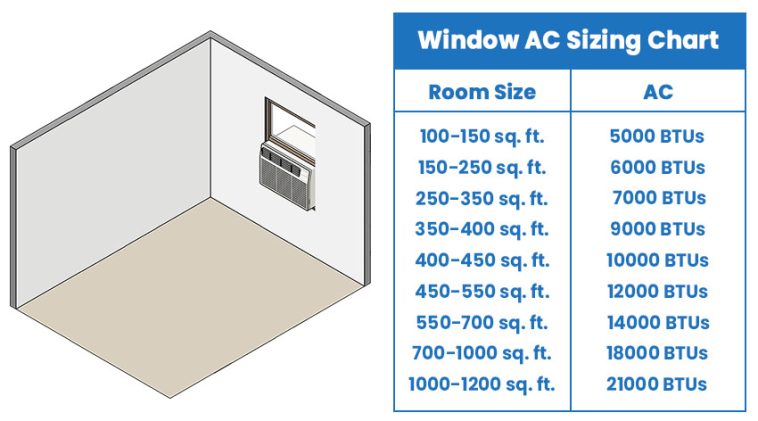
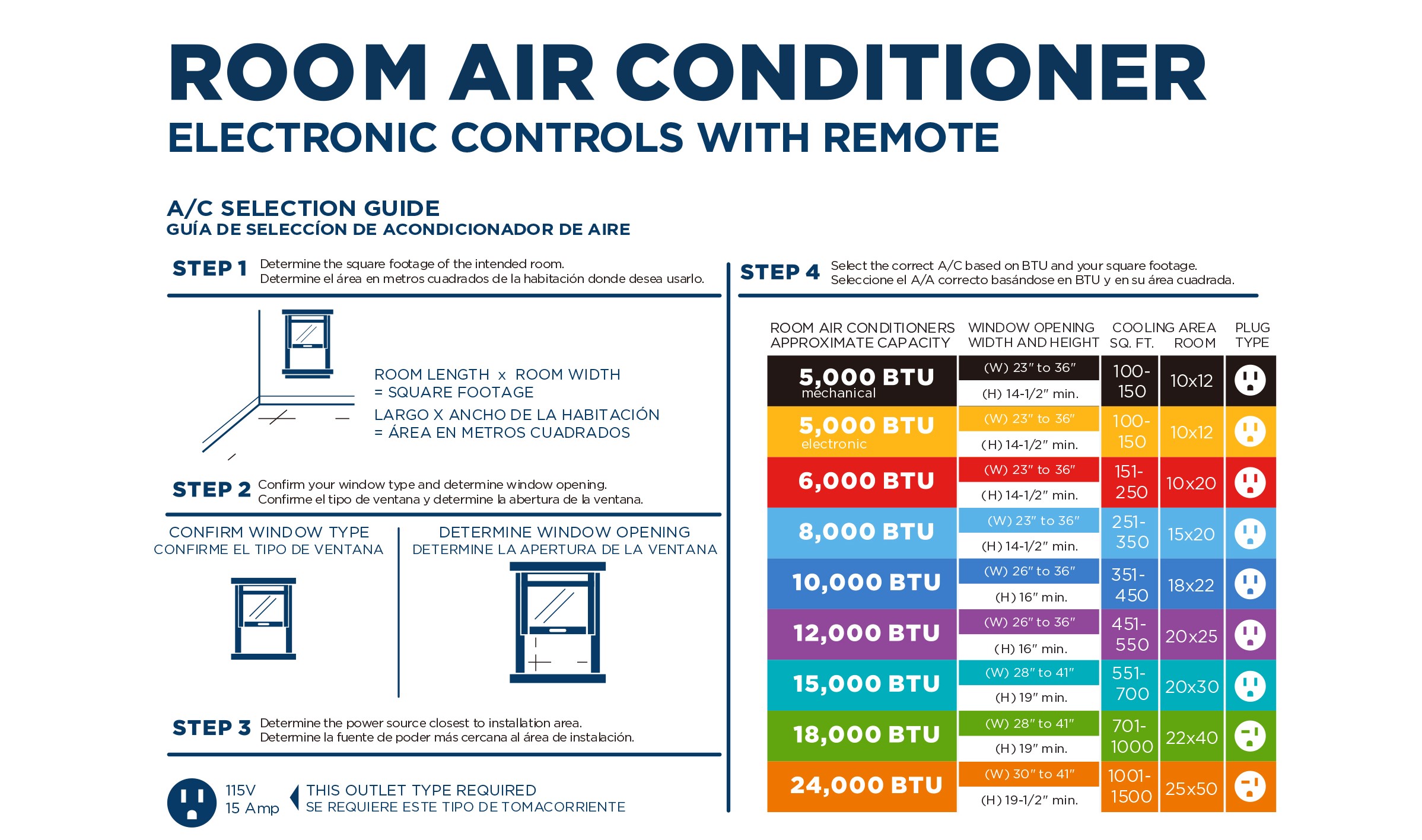
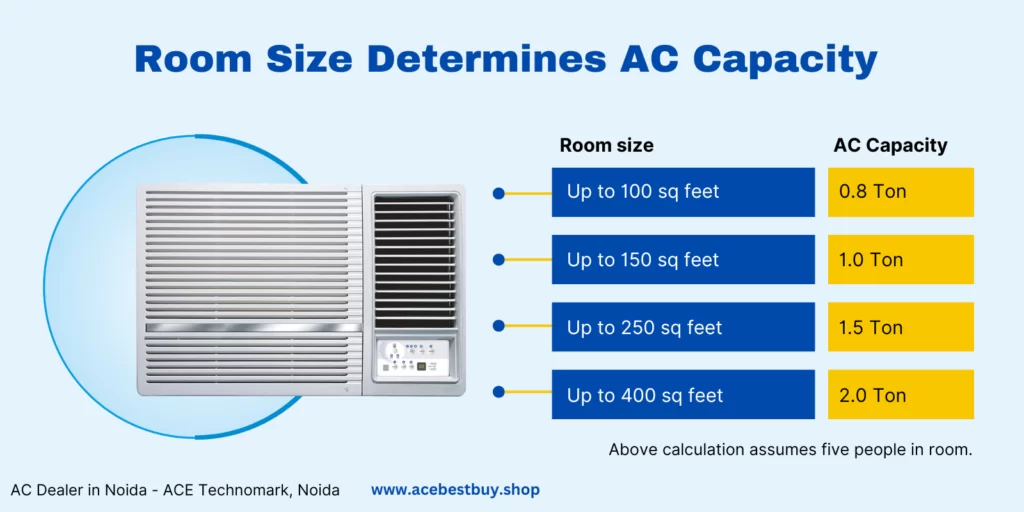
The cooling capacity of an air conditioner is measured in British Thermal Units (BTU). One BTU represents the amount of heat required to raise the temperature of one pound of water by one degree Fahrenheit. When selecting a window AC unit, you need to determine the appropriate BTU rating based on the size of the room you want to cool.
A general rule of thumb is to use 20 BTU per square foot of living space. For example, a 150-square-foot room would typically require a 3,000 BTU unit. However, this is just a starting point. Several other factors can influence the required BTU rating.
Factors Influencing BTU Requirements
Beyond square footage, consider these factors:
- Room Height: Rooms with high ceilings require more cooling power. If your ceilings are significantly higher than 8 feet, increase the BTU requirement accordingly.
- Sun Exposure: Rooms that receive a lot of direct sunlight, especially from south- or west-facing windows, will require more cooling. Add approximately 10% to the BTU rating for rooms with heavy sun exposure.
- Number of Occupants: Each person in the room generates heat. Add 600 BTU for each additional person who regularly occupies the room.
- Heat-Generating Appliances: Kitchens or rooms with computers, televisions, or other heat-generating appliances will require more cooling power. Add approximately 4,000 BTU for kitchens.
- Insulation: Poorly insulated rooms lose more cool air and gain more heat, requiring a higher BTU rating.
- Window Placement and Size: Large windows, especially single-pane windows, contribute to heat gain. Consider window coverings like blinds or curtains to reduce heat gain.
Calculating BTU: A Step-by-Step Approach
Here's a structured approach to calculating the correct BTU rating:
- Measure the Room: Calculate the square footage of the room by multiplying its length and width.
- Determine Base BTU: Multiply the square footage by 20 BTU per square foot.
- Adjust for Sunlight: If the room has heavy sun exposure, add 10% to the base BTU.
- Adjust for Occupants: Add 600 BTU for each additional occupant.
- Adjust for Appliances: Add 4,000 BTU for kitchens or rooms with significant heat-generating appliances.
Example:
Consider a bedroom that is 12 feet long and 10 feet wide, occupied by two people, with moderate sun exposure.
- Square footage: 12 ft x 10 ft = 120 sq ft
- Base BTU: 120 sq ft x 20 BTU/sq ft = 2,400 BTU
- Sun Exposure (Moderate, estimated 5%): 2,400 BTU x 0.05 = 120 BTU. Add 120 BTU to base.
- Occupants: 2 people x 600 BTU/person = 1,200 BTU
- Total BTU: 2,400 BTU + 120 BTU + 1,200 BTU = 3,720 BTU
In this case, a 4,000 BTU window AC unit would be an appropriate choice.
The Pitfalls of Oversizing and Undersizing
Oversizing: While it might seem logical to get a larger unit to ensure adequate cooling, an oversized AC unit can lead to several problems.
- Short Cycling: The unit will cool the room quickly and then shut off, resulting in uneven temperatures and poor dehumidification.
- Increased Wear and Tear: Frequent starting and stopping puts extra stress on the compressor, shortening the lifespan of the unit.
- Higher Energy Bills: Although it seems counterintuitive, oversized units often consume more energy due to inefficient operation.
Undersizing: An undersized unit will struggle to cool the room effectively, leading to:
- Constant Operation: The unit will run continuously, trying to reach the desired temperature.
- Inadequate Cooling: The room may never reach the desired temperature, especially on hot days.
- Higher Energy Bills: Continuous operation consumes significant energy.
Advanced Considerations for HVAC Professionals
Experienced HVAC technicians should consider these additional factors for more precise sizing:
- Building Orientation: The direction the building faces affects the amount of sunlight it receives.
- Window Type and Glazing: Double-pane windows and low-E coatings significantly reduce heat gain.
- Wall Construction: The type of wall construction and insulation materials affect heat transfer.
- Air Leakage: Drafty windows and doors increase the cooling load.
Career Paths and Certifications in HVAC
The HVAC industry offers a wide range of career opportunities, from entry-level technician positions to specialized engineering roles. The Bureau of Labor Statistics projects steady growth for HVAC technicians, with a median annual wage of $51,390 in May 2021. The job outlook is projected to grow 5 percent from 2021 to 2031.
Key certifications for HVAC professionals include:
- EPA Section 608 Certification: Required for technicians who handle refrigerants. This certification ensures proper handling and disposal of refrigerants to protect the environment.
- NATE (North American Technician Excellence) Certification: Demonstrates a technician's competency and knowledge in specific HVAC areas. NATE-certified technicians are often preferred by employers and customers.
- HVAC Excellence Certification: Another nationally recognized certification that validates a technician's skills and knowledge.
Example Career Path:
A student might start as an HVAC apprentice, gaining on-the-job training and classroom instruction. After completing the apprenticeship, they can pursue certifications like EPA 608 and NATE. With experience and further education, they could become a lead technician, supervisor, or even start their own HVAC business.
Technicians can also specialize in areas like:
- Residential HVAC: Focusing on heating and cooling systems in homes.
- Commercial HVAC: Working on larger, more complex systems in office buildings, hospitals, and other commercial properties.
- Industrial HVAC: Servicing specialized systems in factories and industrial facilities.
Tools and Resources for Sizing AC Units
Several tools and resources can assist in sizing AC units:
- Online BTU Calculators: Many websites offer free BTU calculators that take into account various factors.
- HVAC Load Calculation Software: Professional software programs provide more detailed calculations and consider a wider range of variables.
- ASHRAE (American Society of Heating, Refrigerating and Air-Conditioning Engineers) Standards: ASHRAE provides industry standards and guidelines for HVAC system design and sizing.
For example, a technician using a load calculation software might input detailed information about the building's construction, insulation, window types, and occupancy patterns to generate a precise BTU requirement for each room.
The Importance of Professional Consultation
While this guide provides a general overview of how to size a window AC unit, it's always best to consult with a qualified HVAC professional for complex situations or when dealing with whole-house cooling systems. A professional can conduct a thorough assessment of the building and provide tailored recommendations based on your specific needs.
HVAC Industry Trends and Future Outlook
The HVAC industry is constantly evolving, with new technologies and trends emerging regularly. Some key trends include:
- Energy Efficiency: Increasing emphasis on energy-efficient HVAC systems and practices to reduce energy consumption and environmental impact.
- Smart Technology: Integration of smart thermostats, sensors, and control systems to optimize HVAC performance and improve comfort.
- Renewable Energy: Growing interest in using renewable energy sources, such as solar power, to power HVAC systems.
- Sustainable Refrigerants: Phasing out of ozone-depleting refrigerants and adoption of more environmentally friendly alternatives.
Staying up-to-date with these trends is essential for HVAC professionals to remain competitive and provide the best possible service to their clients.
Employer Considerations: Hiring Skilled HVAC Technicians
For employers in the HVAC industry, hiring skilled and knowledgeable technicians is crucial for success. When recruiting HVAC professionals, consider these factors:
- Certifications: Prioritize candidates with relevant certifications, such as EPA 608 and NATE.
- Experience: Look for candidates with proven experience in HVAC installation, maintenance, and repair.
- Technical Skills: Assess candidates' technical skills through practical assessments and interviews.
- Problem-Solving Abilities: Evaluate candidates' ability to diagnose and troubleshoot HVAC system problems.
- Customer Service Skills: Ensure candidates have excellent communication and customer service skills.
Investing in training and development for your employees is also essential to ensure they stay current with the latest technologies and industry best practices.
Conclusion
Accurately sizing a window AC unit is a critical skill for HVAC professionals and a key factor in ensuring comfort, energy efficiency, and system longevity. By understanding the principles of BTU calculation, considering relevant factors, and staying informed about industry trends, you can make informed decisions about selecting and installing window AC units. Whether you're an HVAC student, an experienced technician, or an employer in the industry, continuous learning and professional development are essential for success in this dynamic and rewarding field. Remember to always prioritize safety, follow industry best practices, and consult with qualified professionals when needed.