How To Stop Downdraft In Chimney
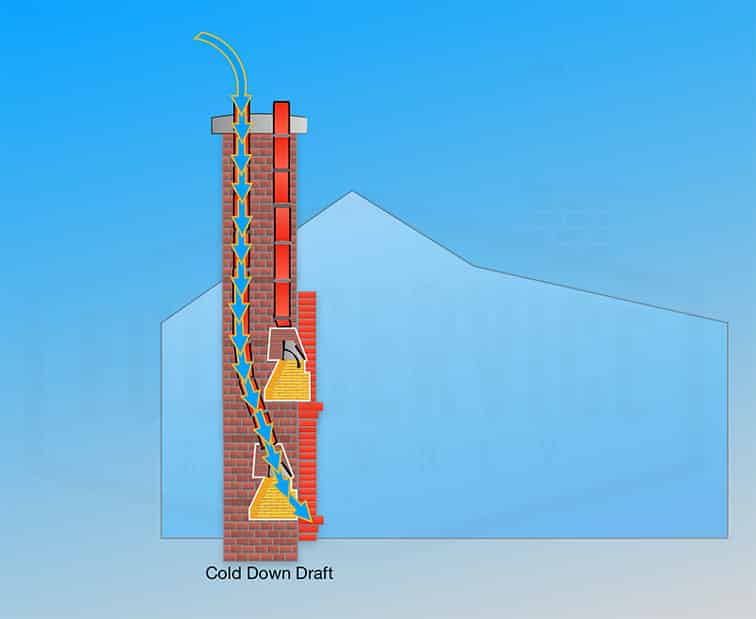
One of the most frustrating issues homeowners with fireplaces face is a chimney downdraft. This happens when air flows down the chimney, instead of up and out, bringing smoke, odors, and even cold air into your home. It's more than just an annoyance; persistent downdrafts can be a sign of underlying problems and can prevent you from safely enjoying your fireplace. Let's explore how to diagnose and address this common problem, starting with simple solutions you can try yourself.
Step 1: Understanding Why Downdrafts Occur
Before we dive into fixes, it's important to understand the common causes of a downdraft. A chimney works on the principle of draft - warm air rising. Several factors can disrupt this natural process:
- Temperature Differences: If the air inside your chimney is colder than the air outside, the cold air will sink, creating a downdraft.
- Wind: Strong winds, especially those blowing directly at the chimney opening, can force air down the flue.
- Negative Air Pressure in the House: Modern homes are often tightly sealed. When appliances like exhaust fans, dryers, or even furnaces operate, they can create negative air pressure inside the house, essentially sucking air down the chimney.
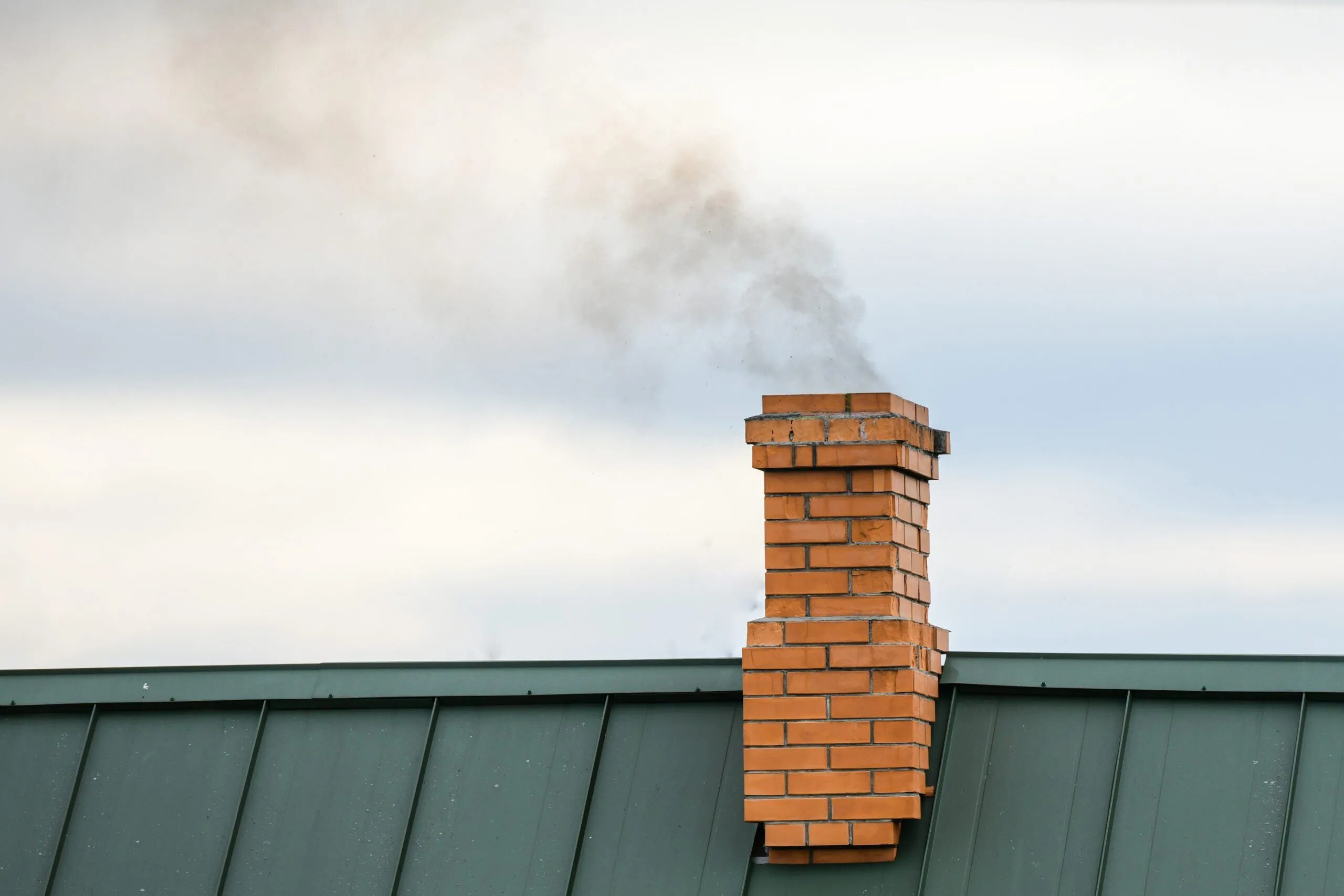
- Obstructions: Bird nests, leaves, or other debris can block the chimney, disrupting airflow and causing downdrafts.
- Chimney Height: If your chimney isn't tall enough relative to nearby structures (trees, houses), it may not have sufficient draft.
- Flue Size: An improperly sized flue (too large or too small) can also contribute to downdrafts.
Step 2: Diagnosing the Downdraft
Identifying when the downdraft occurs is crucial for pinpointing the cause. Observe the following:
When Does the Downdraft Occur?
- All the Time? This suggests a persistent problem like an obstruction, improper flue size, or inadequate chimney height.
- Only on Windy Days? Wind is likely the culprit.
- When Appliances are Running? Negative air pressure is the likely cause.
- Only When the Fireplace is Cold? Temperature differences are likely the issue.
Is There a Noticeable Odor?
- Smoke Smell? Indicates incomplete combustion or a blockage preventing proper smoke escape.
- Musty Smell? Could indicate moisture build-up in the chimney, potentially leading to deterioration.
Note: A persistent strong odor should always be investigated by a professional, as it could indicate a more serious issue like a gas leak or carbon monoxide build-up.
Step 3: Simple DIY Fixes You Can Try
Now that you have a better understanding of the problem, let's look at some DIY solutions you can try safely.
Warm Up the Chimney (Priming the Flue)
This is the first and easiest thing to try, especially if the downdraft occurs when the fireplace is cold. The goal is to reverse the temperature difference, encouraging warm air to rise.
- Roll up a newspaper.
- Light one end of the newspaper.
- Carefully hold the lit newspaper up inside the fireplace opening, close to the flue. Be extremely cautious and have a bucket of water or fire extinguisher nearby.
- Hold it there for a few minutes. The heat from the burning paper will warm the air inside the chimney, helping to establish an updraft.
- Once you feel the draft reversing (air starting to move *up* the chimney), you can light your fire.
Important Safety Note: Never leave a lit newspaper unattended. Use long tongs to hold the newspaper and wear fire-resistant gloves.
Address Negative Air Pressure
If the downdraft occurs when appliances are running, try this:
- Open a window slightly in the same room as the fireplace. This will equalize the air pressure and prevent appliances from sucking air down the chimney.
- Run your kitchen exhaust fan or clothes dryer on a lower setting. This will reduce the amount of air being drawn out of the house.
- Consider installing a dedicated fresh air intake for your furnace. This will provide the furnace with its own source of air, preventing it from drawing air from other areas of the house.
Inspect for Obstructions (Visually and with Caution)
This step requires extreme caution. Never climb onto your roof if you are not comfortable or lack the proper safety equipment. If in doubt, call a professional.
- From the ground, visually inspect the chimney opening. Look for obvious signs of bird nests, leaves, or other debris.
- If you feel comfortable and have a secure ladder, carefully climb onto the roof.
- Use a flashlight to inspect the inside of the chimney. Look for obstructions.
- If you see a small obstruction, try to remove it with a long-handled tool. A chimney brush can be helpful, but be careful not to dislodge larger pieces that could fall down and further block the flue.
Safety First: Wear safety glasses and gloves when inspecting the chimney. Use a sturdy ladder and have someone spot you. Never attempt to remove large or difficult-to-reach obstructions yourself.
Install a Chimney Cap
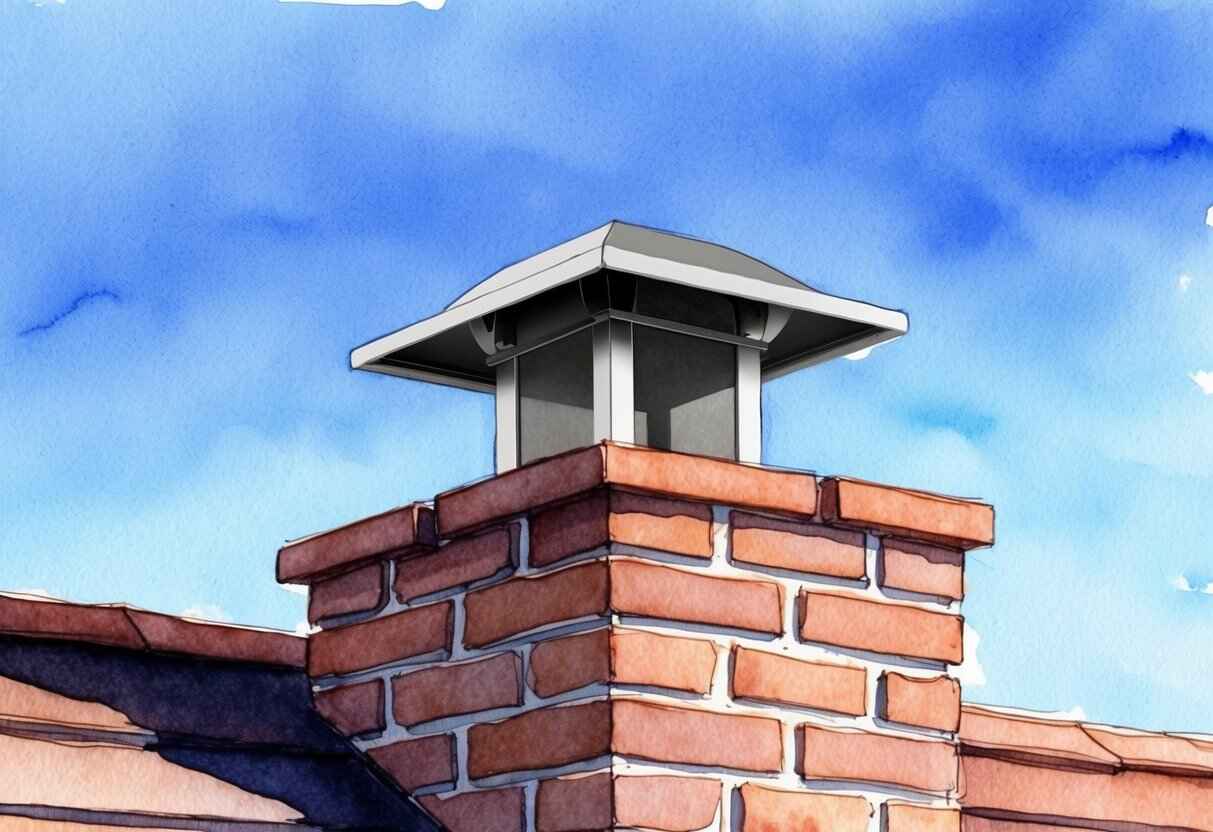
A chimney cap is a relatively inexpensive and effective way to prevent downdrafts caused by wind and rain. It also keeps out birds, squirrels, and debris.
- Measure the dimensions of your chimney flue. You'll need these measurements to purchase the correct size chimney cap.
- Purchase a chimney cap that is designed to prevent downdrafts. These caps typically have a sloped top and mesh sides to allow smoke to escape while blocking wind.
- Install the chimney cap according to the manufacturer's instructions. Most chimney caps are easy to install and require only a few simple tools.
Step 4: When to Call a Professional
While the DIY fixes above can address many common downdraft issues, some problems require professional intervention. It's time to call a qualified chimney sweep or technician in the following situations:
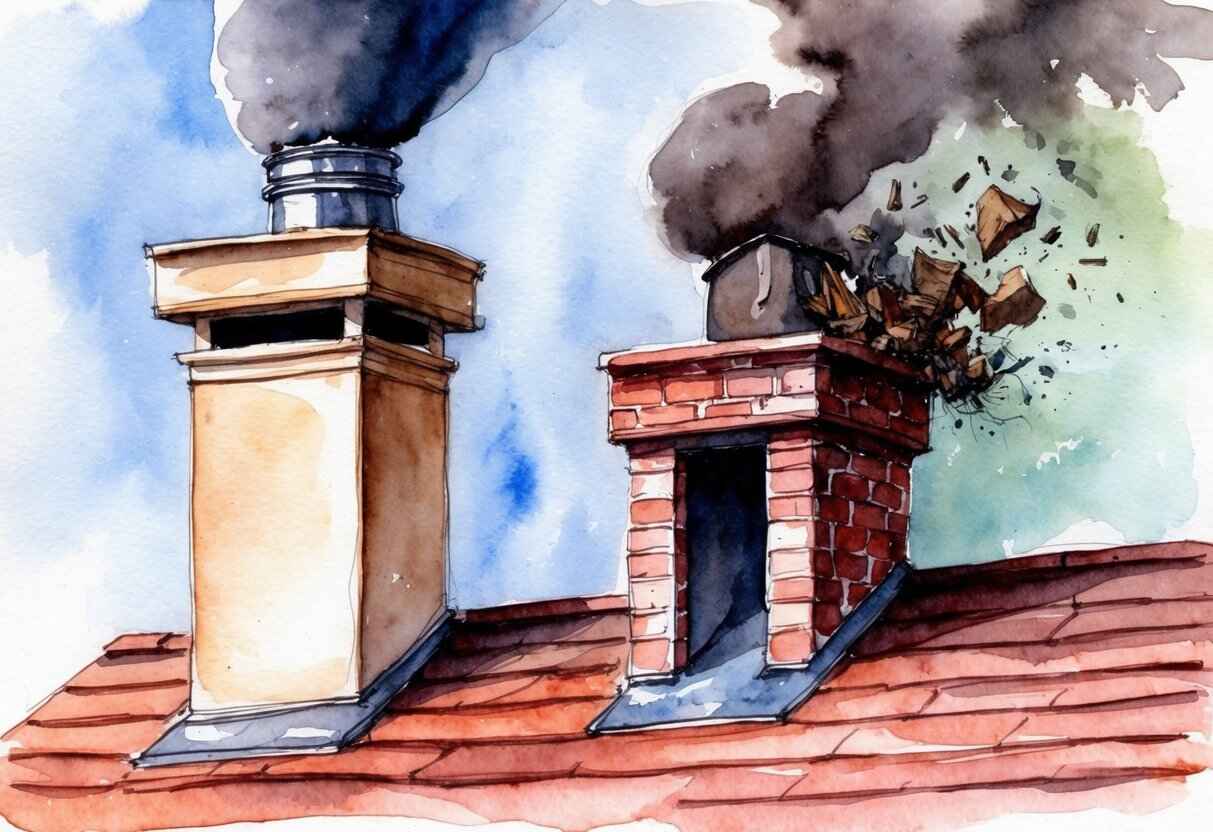
- You suspect a structural issue with the chimney. Cracks, crumbling bricks, or a leaning chimney are serious problems that need to be addressed by a professional.
- You cannot identify the cause of the downdraft. If you've tried the DIY fixes and the downdraft persists, a professional can perform a thorough inspection and identify the underlying cause.
- You suspect a blockage that you cannot safely remove. Large or difficult-to-reach obstructions should be removed by a professional with the proper tools and equipment.
- You notice a strong or unusual odor. This could indicate a gas leak, carbon monoxide build-up, or other serious problem that requires immediate attention.
- You are uncomfortable working on your roof. Safety should always be your top priority. If you are not comfortable working on your roof, call a professional to install a chimney cap or perform other maintenance.
- You suspect the flue size is incorrect. Determining and correcting flue size issues requires specialized knowledge and equipment.
- You have any concerns about the safety of your fireplace or chimney. It's always better to err on the side of caution when it comes to fire safety.
What a Professional Can Do:
- Chimney Inspection: A thorough inspection using specialized tools like chimney cameras to identify blockages, structural issues, and other problems.
- Chimney Cleaning: Removal of creosote buildup, which is a fire hazard.
- Chimney Repair: Repairing cracks, replacing damaged bricks, and addressing other structural issues.
- Flue Resizing: Installing a new flue liner to correct an improperly sized flue.
- Chimney Height Extension: Extending the chimney to improve draft.
- Install a Chimney Damper: A top-sealing damper can significantly reduce drafts when the fireplace is not in use.
Step 5: Ongoing Maintenance
Preventing downdrafts is an ongoing process. Here are some tips for maintaining your chimney and fireplace:
- Schedule regular chimney inspections and cleanings. The National Fire Protection Association (NFPA) recommends that chimneys be inspected at least once a year and cleaned as needed.
- Burn only dry, seasoned wood. Wet or unseasoned wood produces more smoke and creosote, which can contribute to blockages and downdrafts.
- Avoid burning trash or other debris in your fireplace. This can create harmful pollutants and damage your chimney.
- Keep the area around your chimney clear of trees and shrubs. Overhanging branches can block airflow and contribute to downdrafts.
- Consider installing a carbon monoxide detector. Carbon monoxide is a colorless, odorless gas that can be deadly. A carbon monoxide detector will alert you to the presence of this gas in your home.
By following these steps, you can effectively troubleshoot and address chimney downdrafts, ensuring a safer and more enjoyable fireplace experience. Remember to prioritize safety and don't hesitate to call a professional when needed. Enjoy your fireplace!