How To Tell If Ac Condenser Is Bad

Your air conditioner's condenser is a critical component responsible for releasing heat from your home to the outside. When it fails, your AC system struggles to cool your house effectively, leading to discomfort and potentially higher energy bills. This guide provides a comprehensive overview of how to identify a bad AC condenser, helping you determine if it needs repair or replacement.
Understanding the AC Condenser's Role
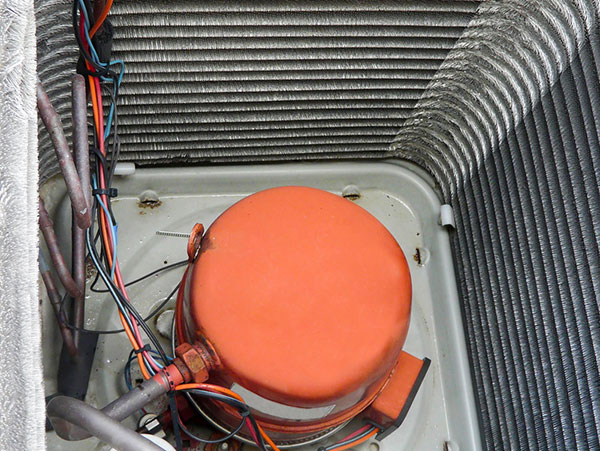
The AC condenser unit is typically located outside your home and houses several essential parts, including the condenser coil, compressor, and fan. Think of it as the "heat radiator" of your AC system. Here’s a simplified breakdown of its function:
- Refrigerant Circulation: The refrigerant, often called the “blood” of your AC system, absorbs heat from inside your house and carries it to the condenser.
- Heat Release: Inside the condenser, the refrigerant passes through the condenser coil. The condenser fan blows air across the coil, releasing the absorbed heat into the outside environment.
- Refrigerant Transformation: As the refrigerant releases heat, it changes from a hot gas to a high-pressure liquid, ready to cycle back into the evaporator coil inside your house to repeat the cooling process.
If the condenser fails, this heat exchange process is disrupted, and your AC will not cool efficiently.
Signs of a Failing AC Condenser
Several telltale signs can indicate a problem with your AC condenser. Being aware of these symptoms allows for early detection and can prevent more severe damage to your entire AC system.
1. Reduced Cooling Performance
One of the most obvious signs of a bad condenser is a noticeable decline in your AC's ability to cool your home. You might notice:
- The air coming from your vents is not as cold as it used to be.
- Your AC runs for longer periods to reach the desired temperature.
- Some rooms are significantly warmer than others.
If your thermostat is set to a comfortable temperature, but your home remains warm, it's time to investigate further.
2. Unusual Noises
A healthy AC condenser operates relatively quietly. Strange noises coming from the outdoor unit can signal a problem. Listen for:
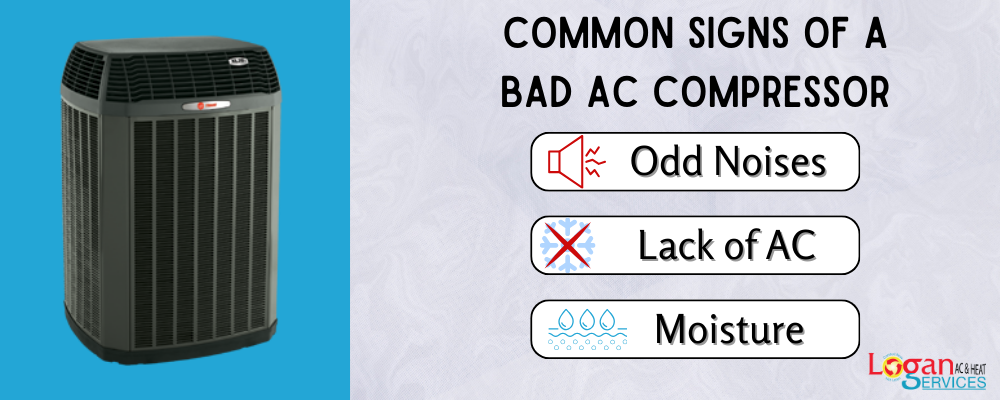
- Buzzing or Humming: May indicate electrical issues or a failing compressor.
- Grinding or Rattling: Could mean that internal components are loose, worn, or damaged.
- Hissing: Can suggest a refrigerant leak.
Any unusual noise warrants a professional inspection.
3. Refrigerant Leaks
Refrigerant is essential for the cooling process. A leak compromises the system's ability to remove heat. Signs of a refrigerant leak include:
- Ice Buildup: Ice on the condenser coil or refrigerant lines can occur when there's a leak, causing the system to work harder and potentially freezing up the coils.
- Visible Oil Stains: Oil stains near the condenser unit or on refrigerant lines are a telltale sign because refrigerant carries oil throughout the system.
- Hissing Sound: A hissing sound is often audible near the leak's location.
Refrigerant leaks are serious and require professional attention to prevent environmental damage and ensure the system functions correctly.
4. Overheating
The condenser unit is designed to release heat. However, if it cannot dissipate heat effectively, it can overheat. Signs of overheating include:
- The Condenser Unit is Hot to the Touch: While it’s natural for the unit to be warm, excessively hot surfaces indicate a problem.
- Frequent Cycling: The AC turns on and off more frequently than usual as a safety mechanism.
- System Shutdown: In severe cases, the system may shut down completely to prevent damage.
Overheating can be caused by a dirty condenser coil, a malfunctioning fan, or a failing compressor.
5. Increased Energy Bills
A failing AC condenser forces the system to work harder to maintain the desired temperature. This translates to increased energy consumption. If you notice a sudden spike in your energy bills without a corresponding change in usage habits, your condenser might be struggling.
Track your energy bills regularly to detect anomalies that could indicate AC problems.
6. Visible Damage
A visual inspection of the condenser unit can reveal obvious signs of damage. Look for:
- Bent or Damaged Fins: The fins on the condenser coil help dissipate heat. Bent or damaged fins reduce the coil's efficiency.
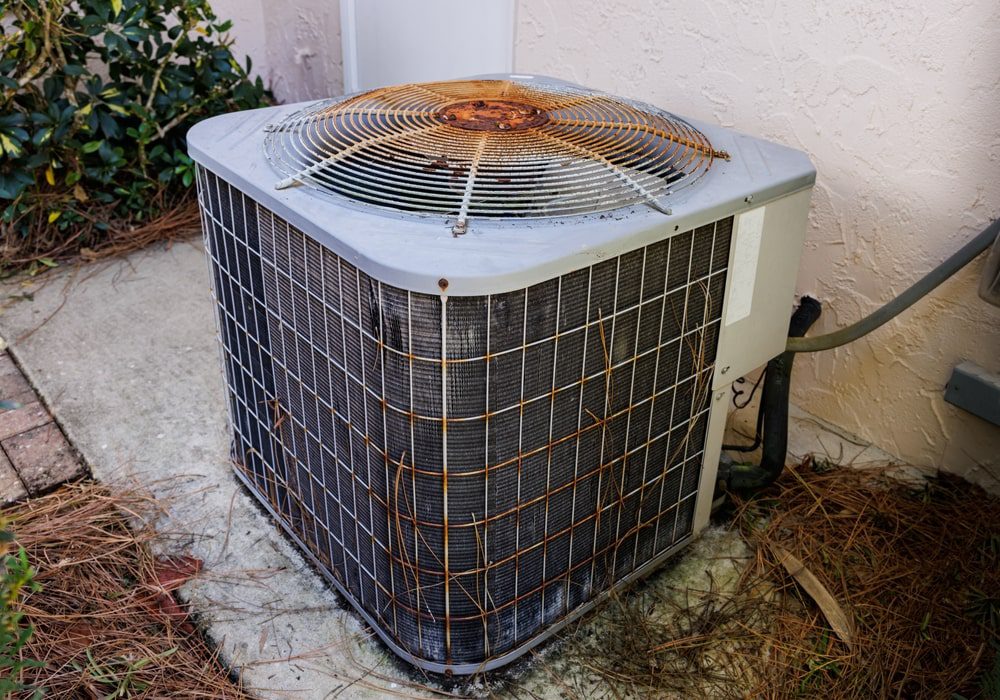
- Rust or Corrosion: Rust and corrosion can compromise the structural integrity of the unit and indicate internal damage.
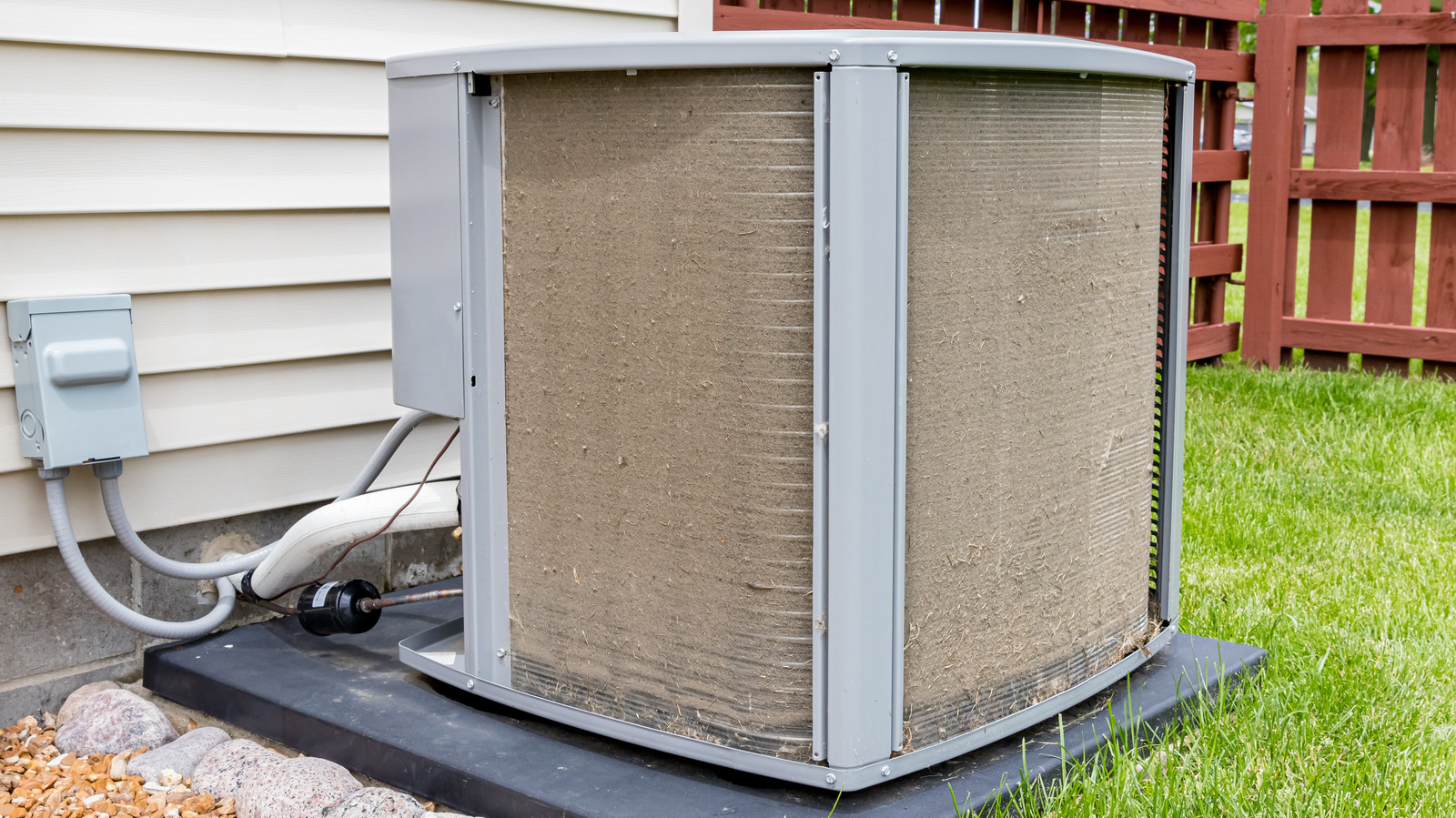
- Debris Accumulation: Excessive dirt, leaves, or other debris can block airflow and cause the system to overheat.
Regularly cleaning debris from around the condenser unit can help prevent these issues.
7. Compressor Issues
The compressor is the heart of the AC system. If it fails, the entire system malfunctions. Signs of a failing compressor include:
- Noises: Loud grinding, screeching, or banging noises coming from the condenser unit.
- Failure to Start: The compressor fails to start, preventing the AC from cooling.
- Circuit Breaker Tripping: A faulty compressor can draw excessive current, causing the circuit breaker to trip.
Compressor replacement is a significant repair, and in many cases, replacing the entire condenser unit is more cost-effective.
Diagnosing the Problem
Once you've identified potential signs of a bad AC condenser, it's important to diagnose the problem accurately. While some issues can be addressed with simple maintenance, others require professional attention. Here's a step-by-step approach:
- Visual Inspection: Start with a thorough visual inspection of the condenser unit. Look for any signs of damage, debris, or leaks.
- Clean the Condenser Coil: Use a garden hose to gently spray the condenser coil from the inside out, removing any accumulated dirt or debris. Be careful not to bend the fins.
- Check the Fan: Ensure that the condenser fan is operating properly. If it's not spinning, check for obstructions or a faulty motor.
- Listen for Noises: Pay close attention to any unusual noises coming from the unit. Note the type of noise and when it occurs.
- Monitor Cooling Performance: Observe how well your AC is cooling your home after performing basic maintenance.
If the problem persists after these steps, it's time to call a qualified HVAC technician.
When to Call a Professional
While some minor issues can be addressed with basic maintenance, it's crucial to seek professional help in the following situations:
- Refrigerant Leaks: Handling refrigerant requires specialized equipment and certification.
- Compressor Problems: Compressor repairs are complex and often require replacing the entire unit.
- Electrical Issues: Electrical repairs can be dangerous and should only be performed by qualified technicians.
- Uncertainty: If you're unsure about the cause of the problem or how to fix it, it's always best to err on the side of caution and call a professional.
A qualified HVAC technician can accurately diagnose the problem, recommend the best course of action, and ensure that the repairs are performed safely and effectively.
Repair vs. Replacement
When faced with a failing AC condenser, you'll need to decide whether to repair or replace it. Here are some factors to consider:
- Age of the Unit: If your AC system is more than 10-15 years old, replacement is often the more cost-effective option. Older units are less efficient and more prone to breakdowns.
- Extent of the Damage: Minor repairs, such as replacing a fan motor or cleaning the coil, are usually worthwhile. However, major repairs, such as compressor replacement, can be expensive and may not be worth the investment.
- Cost of Repair vs. Replacement: Obtain quotes for both repair and replacement. Compare the costs and consider the long-term benefits of a new, more efficient system.
- Energy Efficiency: New AC systems are significantly more energy-efficient than older models. Replacing your old unit can lead to substantial savings on your energy bills.
Discuss your options with an HVAC technician to make an informed decision that aligns with your budget and needs.
Preventative Maintenance
Regular maintenance can extend the life of your AC condenser and prevent costly repairs. Here are some essential maintenance tasks:
- Clean the Condenser Coil: Clean the coil at least once a year, preferably in the spring before the cooling season begins.
- Inspect the Fins: Straighten any bent fins to ensure proper airflow.
- Clear Debris: Remove any debris, such as leaves, grass clippings, or branches, from around the unit.
- Check the Fan: Ensure that the fan is operating properly and that there are no obstructions.
- Change Air Filters Regularly: Clogged air filters restrict airflow and cause the AC system to work harder.
- Schedule Professional Maintenance: Have your AC system professionally inspected and tuned up at least once a year.
By following these preventative maintenance tips, you can keep your AC condenser running smoothly and efficiently for years to come.
Conclusion
Identifying a bad AC condenser requires careful observation and attention to detail. By understanding the signs of a failing unit and taking proactive steps to diagnose and address the problem, you can ensure that your AC system provides reliable cooling throughout the summer months. Remember to prioritize safety and seek professional help when needed. Investing in regular maintenance can prevent costly repairs and extend the lifespan of your AC system.