How To Tell If Ac Has Mold
Is There Mold In My AC? A Comprehensive Guide
Mold in your air conditioning system isn't just unpleasant; it's a health hazard that can compromise indoor air quality and reduce the efficiency of your HVAC equipment. This guide, designed for homeowners, HVAC technicians, and facility managers, will walk you through identifying potential mold issues in your AC system, addressing them, and preventing future growth.
Understanding Why Mold Grows in HVAC Systems
Mold thrives in dark, damp environments. Air conditioners, by their very nature, create these conditions. The evaporator coil, responsible for cooling the air, produces condensation. This moisture, combined with dust and organic debris, provides the perfect breeding ground for mold spores. Common areas prone to mold growth include the evaporator coil, drain pan, air ducts, and even the air filter.
Understanding the components is key. The evaporator coil is located inside the indoor unit and cools the air. The drain pan collects the condensation. Air ducts distribute the cooled air throughout your home or building. The air filter, while designed to trap particles, can itself become a source of mold if it's not changed regularly.
Identifying Mold: Signs and Symptoms
Detecting mold early can save you significant time and money on repairs and remediation. Here are some key indicators:
Visual Inspection: What to Look For
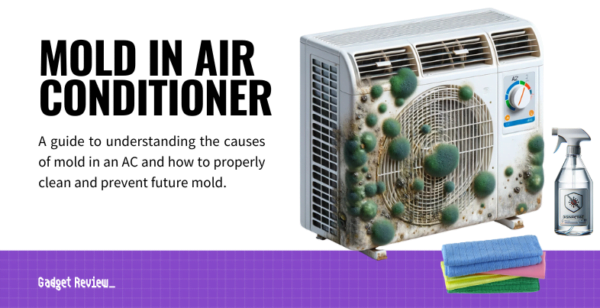
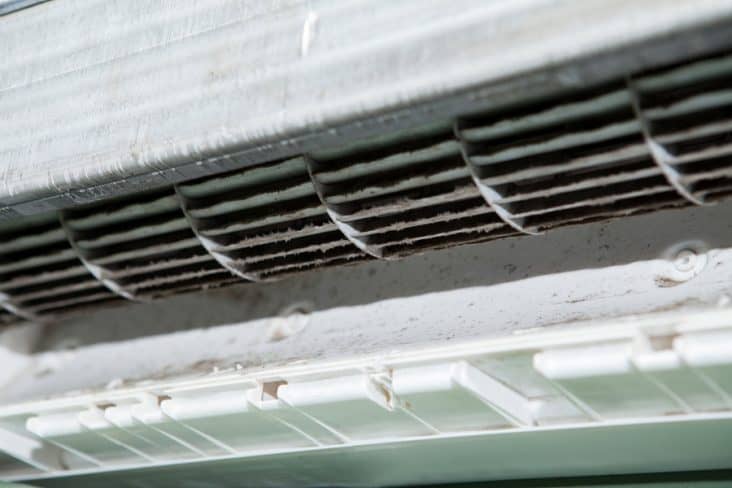
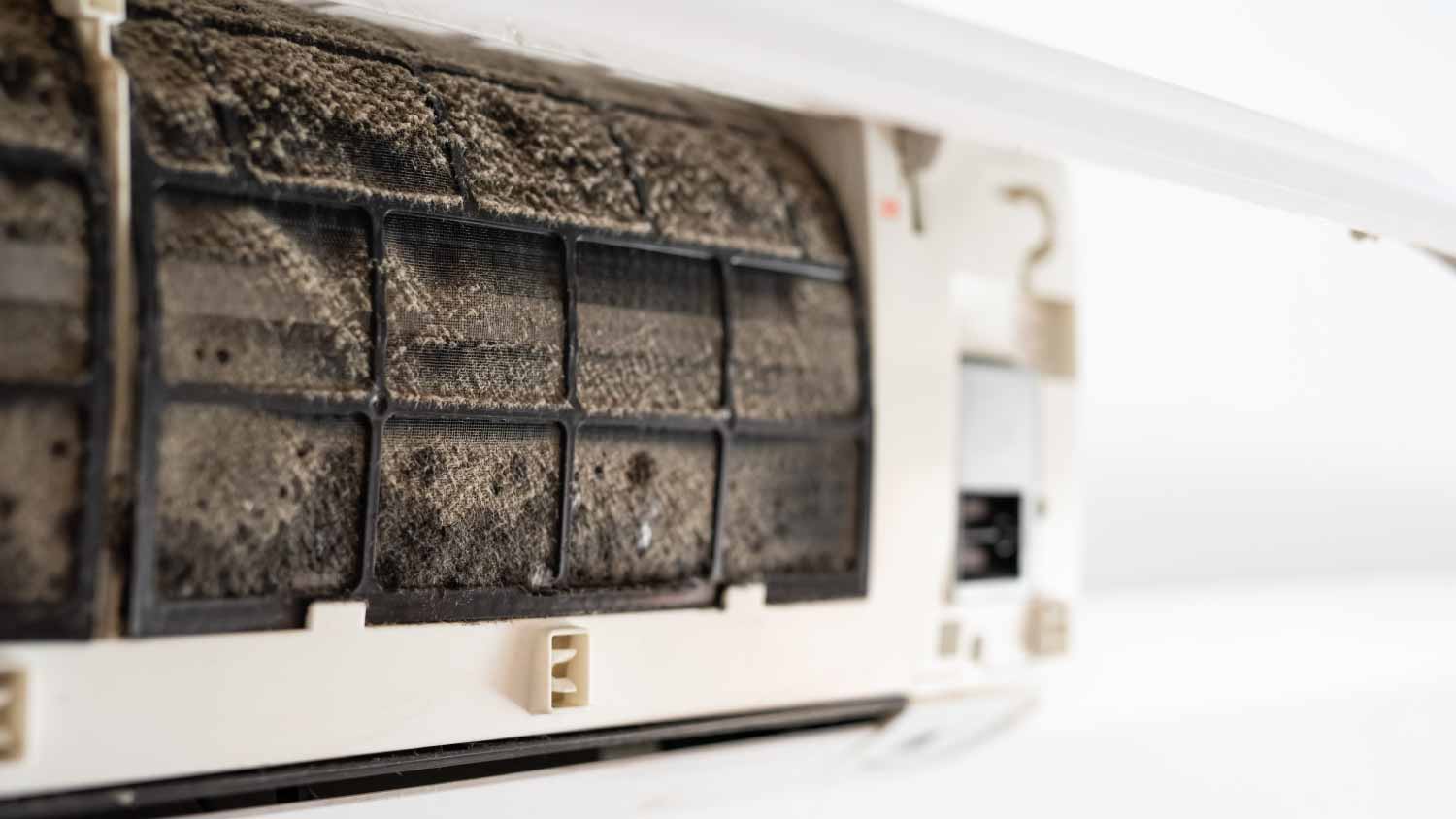
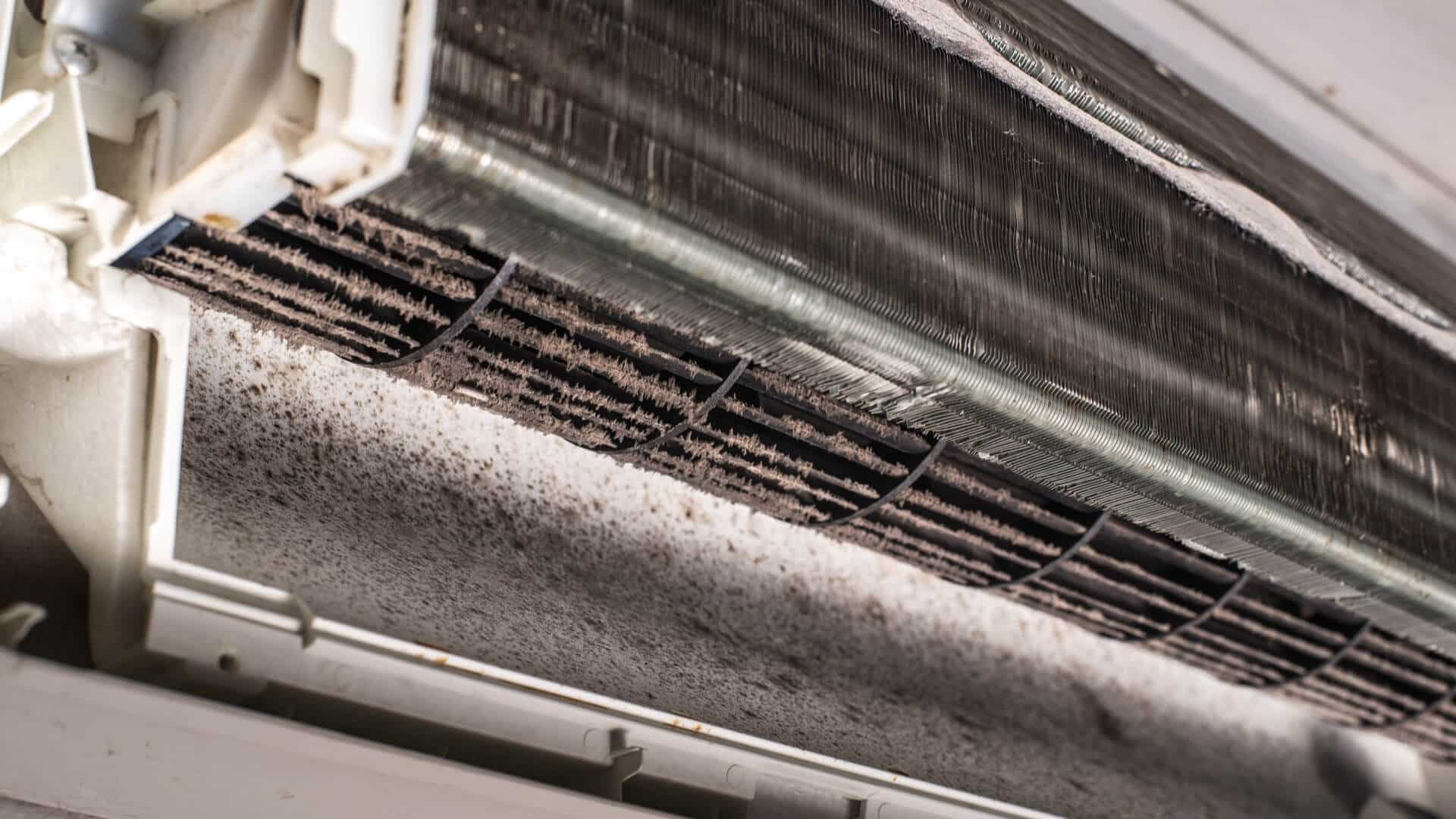
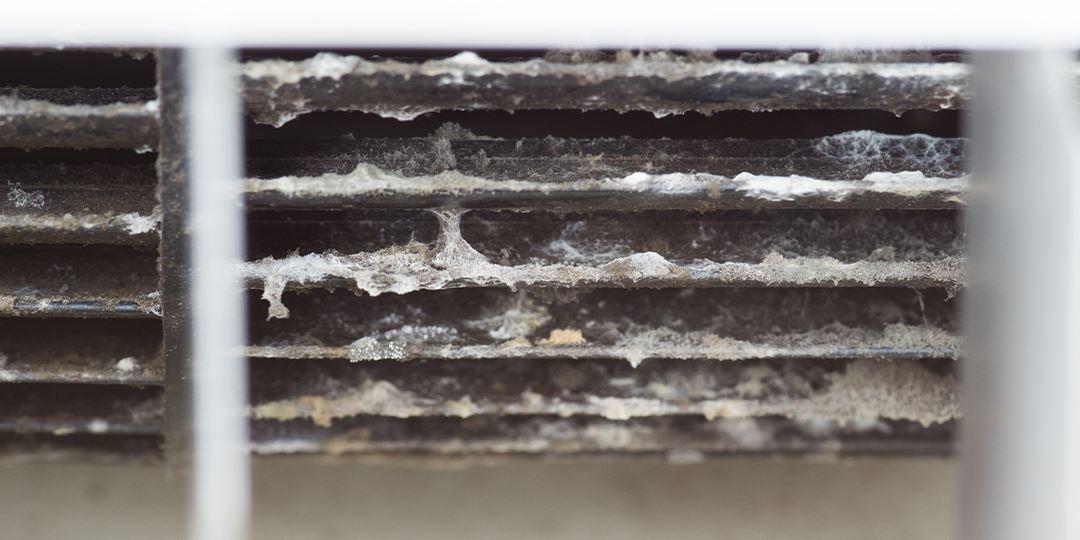
The most obvious sign is visible mold growth. Look for dark spots, often black, green, or brown, on or around the components mentioned above. Accessing the evaporator coil usually requires removing an access panel on the indoor unit. Always turn off the power to the unit before attempting any inspection.
For HVAC technicians and facility managers inspecting larger systems, use a flashlight and mirror to check hard-to-reach areas within the ductwork and around the cooling coils of rooftop units.
Musty Odors: The Tell-Tale Sign
A persistent musty or mildew-like odor emanating from your vents is a strong indicator of mold growth. This odor is often more noticeable when the AC is first turned on. Homeowners often describe it as a "locker room" smell.
If you notice the odor only when the heat is on, you may have a separate mold issue on your furnace's heat exchanger or within the heating ductwork.
Health Symptoms: Are You Feeling Sick?
Mold exposure can trigger a range of health problems, especially in individuals with allergies, asthma, or weakened immune systems. Common symptoms include:
- Respiratory problems: Coughing, wheezing, shortness of breath
- Allergic reactions: Sneezing, runny nose, itchy eyes, skin rashes
- Headaches
- Fatigue
- Irritation of the eyes, nose, and throat
If you experience these symptoms and suspect mold in your AC system, consult a doctor and have your HVAC system inspected.
Condensation and Water Leaks: Where There's Moisture, There's Potential
Excessive condensation around the indoor unit or water leaks can indicate a clogged drain line or other moisture-related issues that promote mold growth. Regularly check the area around your indoor unit for signs of water damage.
For facility managers, routine inspections should include checking drain lines for clogs and ensuring proper drainage from all AC units. Consider installing condensate pumps with overflow shut-off switches to prevent water damage.
Addressing Mold Growth: Cleaning and Remediation
The approach to cleaning mold depends on the extent of the contamination. For minor surface mold, you may be able to handle the cleaning yourself. However, for larger infestations or if you're unsure, it's best to hire a professional mold remediation company.
DIY Cleaning (For Minor Mold):
Caution: Always wear protective gear, including a mask, gloves, and eye protection, when cleaning mold.
- Turn off the AC: Disconnect the power to the unit.
- Clean accessible surfaces: Use a solution of mild detergent and water, or a commercial mold cleaner, to wipe down affected areas.
- Dry thoroughly: Ensure all surfaces are completely dry after cleaning to prevent mold from returning.
- Replace the air filter: Use a high-efficiency particulate air (HEPA) filter to trap mold spores.
Important: If the mold is widespread or if you're sensitive to mold, do not attempt to clean it yourself. Contact a professional.
Professional Mold Remediation: When to Call in the Experts
Professional mold remediation involves a more thorough and specialized cleaning process. Remediation companies have the equipment and expertise to safely remove mold, disinfect affected areas, and prevent future growth. They may use techniques like:
- HEPA vacuuming: Using specialized vacuums to remove mold spores from the air and surfaces.
- Antimicrobial treatments: Applying chemicals to kill mold and prevent its return.
- Duct cleaning: Cleaning and sanitizing the air ducts to remove mold and other contaminants.
- Source removal: Removing and replacing heavily contaminated materials, such as drywall or insulation.
The cost of professional mold remediation can vary depending on the extent of the problem, but it's a worthwhile investment to ensure a healthy indoor environment.
Preventing Mold Growth: Proactive Measures
Prevention is always better than cure. Here are some steps you can take to prevent mold growth in your AC system:
Regular Maintenance: A Key to Prevention
Schedule regular maintenance for your AC system. A qualified HVAC technician will inspect and clean the coils, drain pan, and other components, ensuring proper airflow and drainage. This typically costs between $75-$200, depending on the system size and location.
For facility managers, implementing a preventative maintenance schedule for all HVAC units is crucial. This should include regular filter changes, coil cleaning, and drain line flushing.
Air Filter Replacement: Don't Neglect This Simple Task
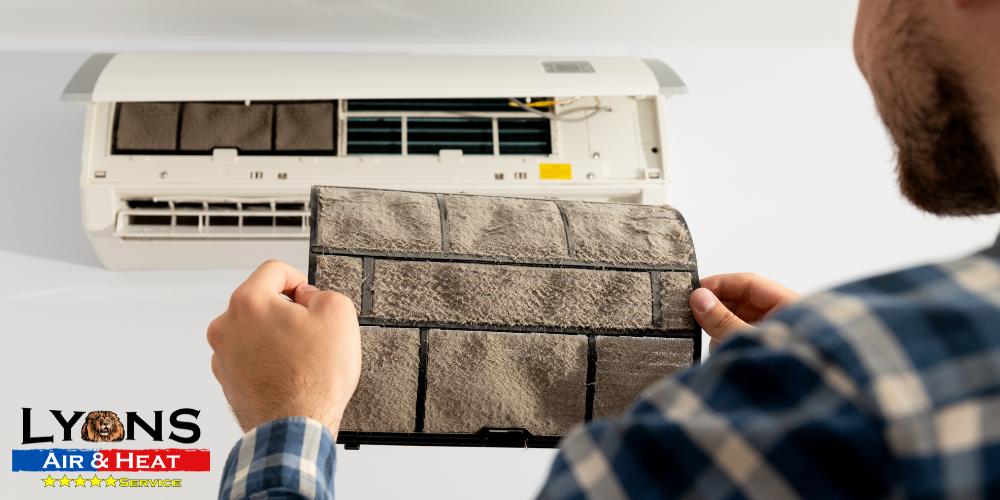
Change your air filter regularly, at least every 1-3 months, or more frequently if you have pets or allergies. A dirty air filter restricts airflow, increases humidity, and provides a breeding ground for mold. Consider using a MERV 11 or higher filter for better filtration.
Maintain Low Humidity: Keep it Dry
High humidity levels create a favorable environment for mold growth. Use a dehumidifier to keep indoor humidity below 60%. Proper ventilation in bathrooms and kitchens can also help reduce humidity.
UV Lights: A Powerful Weapon Against Mold
Installing UV lights in your air handler can help kill mold spores and bacteria. UV lights are installed near the evaporator coil and emit ultraviolet light that disrupts the DNA of microorganisms, preventing them from multiplying. The cost of installing UV lights ranges from $200-$500, but they can significantly improve indoor air quality.
Professional Duct Cleaning: When is it Necessary?
If you suspect mold in your air ducts or if you have experienced water damage, consider having your ducts professionally cleaned. Duct cleaning involves using specialized equipment to remove dust, debris, and mold from the ductwork. The cost of duct cleaning varies depending on the size and complexity of the duct system, but it's typically between $300-$1000.
Cost Considerations: Balancing Expense and Health
Addressing mold issues in your HVAC system involves various costs, from routine maintenance to professional remediation. Here's a breakdown:
- Regular maintenance: $75-$200 per service
- Air filter replacement: $10-$30 per filter (depending on type)
- UV light installation: $200-$500
- Duct cleaning: $300-$1000
- Mold remediation: $500-$5000+ (depending on severity)
While these costs may seem significant, they are far less than the potential health problems and structural damage that can result from untreated mold growth. Investing in preventative measures and addressing mold issues promptly is a wise decision that can save you money and protect your health in the long run.
By understanding the signs of mold, taking proactive measures, and seeking professional help when needed, you can ensure a healthy and comfortable indoor environment for yourself, your family, or your building occupants.