How To Tell If Bladder Tank Is Bad
Diagnosing Bladder Tank Failure: A Comprehensive Guide for HVAC Professionals
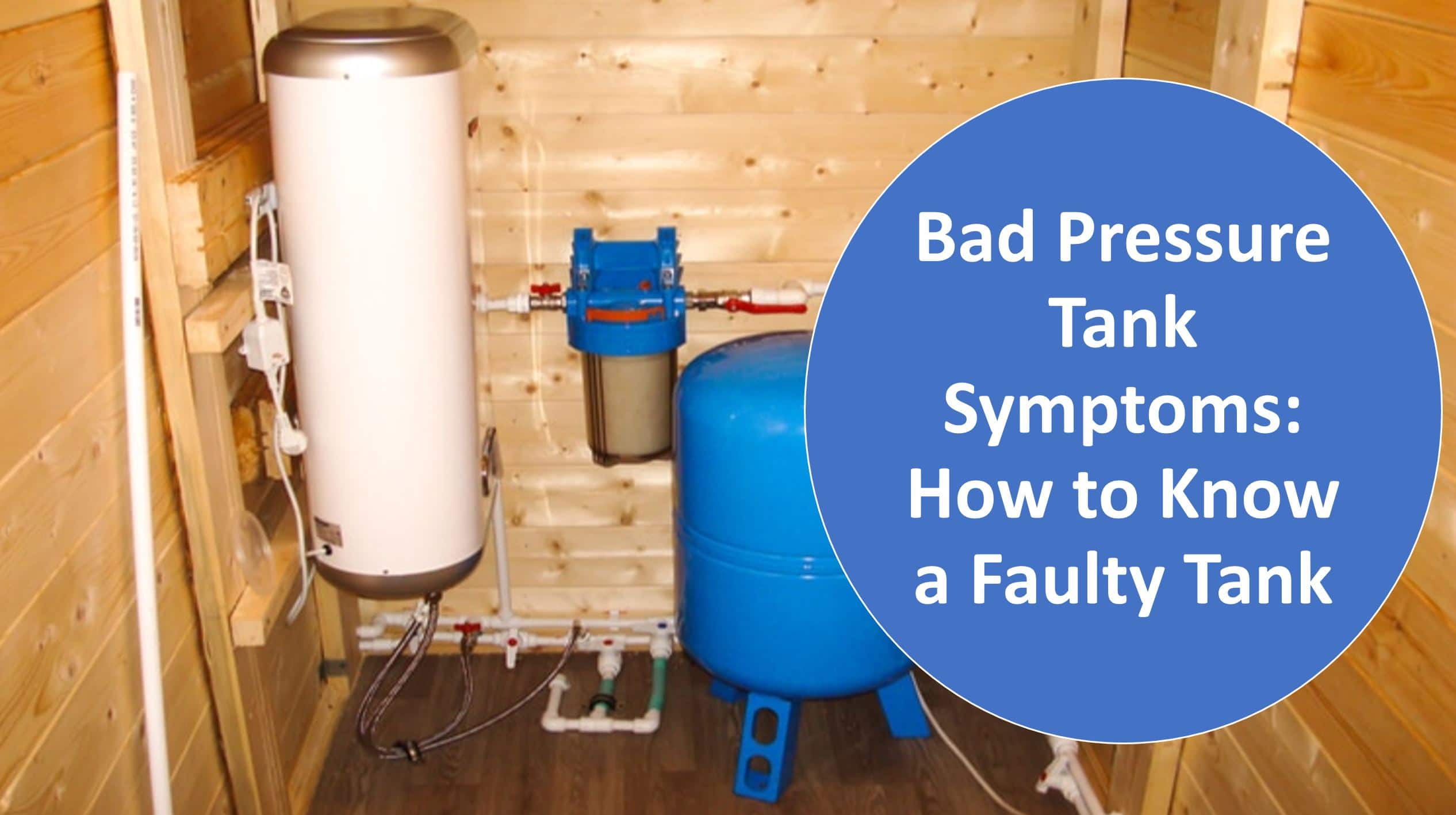
The unsung hero of many residential and commercial well water systems, the bladder tank, plays a crucial role in maintaining consistent water pressure and protecting your pump. A malfunctioning bladder tank can lead to a host of problems, from fluctuating water pressure to premature pump failure. This article provides a comprehensive guide on how to identify a failing bladder tank, offering valuable insights for HVAC students, seasoned technicians, and employers looking to enhance their team's diagnostic skills.
Understanding the Importance of Bladder Tanks
Before diving into diagnostics, it’s essential to understand the function of a bladder tank. It essentially creates an air cushion within the water system. This cushion allows the pump to cycle less frequently, preventing excessive wear and tear. A properly functioning bladder tank ensures a consistent water supply and prolongs the lifespan of the well pump. Without it, the pump would turn on and off every time a tap is opened, leading to rapid cycling and eventual failure.
The U.S. Bureau of Labor Statistics projects a 5% growth in HVACR jobs from 2022 to 2032. This demand highlights the importance of having skilled technicians who can diagnose and repair a wide range of water system components, including bladder tanks.
Common Signs of Bladder Tank Failure
Identifying a failing bladder tank early can prevent costly repairs and system downtime. Here are some key indicators to watch out for:
- Rapid Pump Cycling (Short Cycling): This is perhaps the most common symptom. If the pump turns on and off frequently, even when only a small amount of water is used, the bladder tank is likely compromised. This short cycling puts tremendous strain on the pump motor and will drastically shorten its lifespan.
- Fluctuating Water Pressure: Inconsistent water pressure, where it suddenly surges and then drops off, is another telltale sign. The bladder tank's ability to maintain a consistent pressure is diminished when the bladder is damaged or the air charge is lost.
- Waterlogged Tank: A bladder tank that is completely full of water indicates that the bladder has ruptured. You can usually tell this by tapping on the tank. If it sounds completely full, the bladder is likely damaged.
- Wet Area Around the Tank: Look for signs of water leakage around the tank, especially at the air valve (Schrader valve) or where the tank connects to the plumbing. Leakage indicates a breach in the tank's integrity.
- No Air Pressure at the Schrader Valve: The Schrader valve is used to check the air pre-charge in the tank. If you press the pin and no air is released (or only water comes out), it suggests the bladder has failed and water has displaced the air.
Diagnostic Procedures: A Step-by-Step Guide
Once you suspect a bladder tank issue, follow these steps to confirm your diagnosis:
- Isolate the Tank: Turn off the pump breaker and close the shut-off valve located between the tank and the well. This will isolate the tank for testing.
- Drain the Tank: Open a drain valve on the tank or a nearby faucet to completely drain the water from the tank.
- Check the Air Pressure: Use a tire pressure gauge to check the air pressure at the Schrader valve. A properly functioning tank should hold an air pressure that is typically 2 PSI below the pump's cut-in pressure (the pressure at which the pump starts). For example, if the pump cuts in at 40 PSI, the air pre-charge should be around 38 PSI.
- Listen for Air Leaks: With the tank drained, listen carefully for any hissing sounds around the tank, especially at the seams and the Schrader valve. This indicates an air leak.
- Inspect the Water: After draining the tank, check the water for any discoloration or debris. This can indicate corrosion or bladder deterioration.
- The "Tap Test": As mentioned earlier, tap on the sides and bottom of the tank. A hollow sound indicates the presence of air, while a solid, full sound suggests the tank is waterlogged.
Career Paths and Certifications
Mastering diagnostics like bladder tank troubleshooting can open doors to various career paths in the HVAC industry. Some examples include:
- HVAC Service Technician: A core role involving installation, maintenance, and repair of various HVAC systems, including well water systems. Entry-level salaries for HVAC service technicians typically range from $40,000 to $55,000 annually, with experienced technicians earning significantly more.
- HVAC Installer: Focused on the installation of new HVAC systems, including connecting them to existing plumbing and electrical infrastructure.
- HVAC Maintenance Technician: Specializing in preventative maintenance and ensuring optimal performance of HVAC systems.
- HVAC System Designer: Responsible for designing efficient and effective HVAC systems for new construction and renovation projects. This often requires a bachelor's degree in mechanical engineering.
Certification plays a crucial role in career advancement and earning potential. Key certifications include:
- NATE (North American Technician Excellence): NATE certification demonstrates a technician's knowledge and skills in HVACR. Specialized certifications related to hydronic systems are particularly relevant for well water systems.
- EPA Section 608 Certification: Required for technicians who handle refrigerants. While not directly related to bladder tanks, it's a fundamental certification for HVAC professionals.
- State and Local Licensing: Many states and municipalities require HVAC technicians to be licensed. Requirements vary by location.
Consider pursuing certifications like Certified Water Specialist (CWS) through the Water Quality Association (WQA) to further specialize in water treatment and well water systems.
Real-World Examples and Career Advice
Consider the career path of Maria Rodriguez, a recent HVAC graduate. After completing her associate's degree, she secured an apprenticeship with a local HVAC company specializing in residential water systems. During her apprenticeship, she gained hands-on experience diagnosing and replacing bladder tanks. Maria then pursued her NATE certification and is now a lead service technician, earning a salary in the top 25% for her region. Her story exemplifies how dedication and certification can lead to a successful career in the HVAC industry.
Another example is John Smith, an experienced HVAC technician who decided to specialize in water well systems. He earned his Certified Groundwater Professional (CGWP) certification and now runs his own business focusing on well pump and water treatment services. His specialized knowledge allows him to command higher rates and attract a loyal customer base.
For employers, investing in training and certification for your technicians is crucial for maintaining a competitive edge. Offering in-house training programs focused on specialized areas like well water systems can attract and retain top talent. According to a recent industry survey, companies that invest in employee training experience a 20% higher retention rate.
Preventative Maintenance: Extending the Life of Bladder Tanks
Preventative maintenance is key to extending the lifespan of a bladder tank and preventing premature failure. Here are some best practices to recommend to your clients:
- Regularly Check Air Pressure: Check the air pressure at the Schrader valve every 6 months and adjust as needed.
- Monitor Water Quality: Install a water filter to remove sediment and debris that can damage the bladder.
- Inspect for Leaks: Regularly inspect the tank and surrounding plumbing for any signs of leaks.
- Avoid Over-Pressurization: Ensure the pump pressure switch is properly adjusted to prevent over-pressurization of the tank.
Conclusion
Diagnosing a faulty bladder tank is a fundamental skill for HVAC professionals. By understanding the signs of failure, following proper diagnostic procedures, and staying up-to-date on industry best practices, you can provide valuable service to your clients and advance your career in the growing HVAC industry. Remember, a strong understanding of both theoretical knowledge and hands-on skills is essential for success. Take advantage of training opportunities, pursue relevant certifications, and stay curious about new technologies and advancements in the field. The demand for skilled HVAC technicians is high, and by investing in your professional development, you can secure a rewarding and fulfilling career.