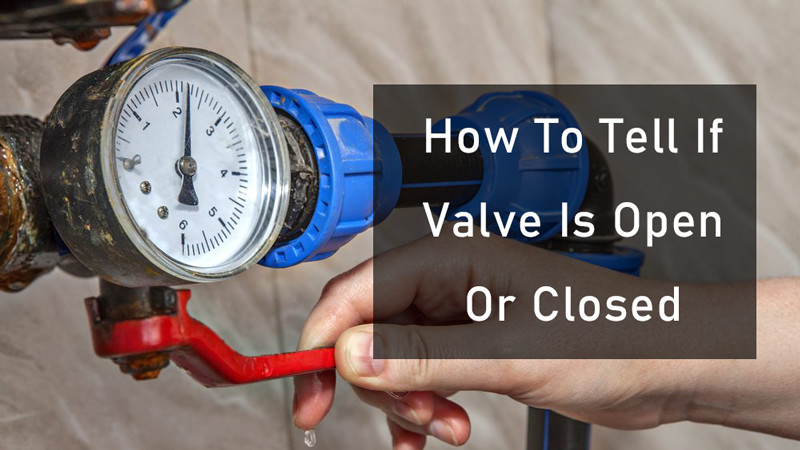
How To Tell If Gas Valve Is Open

It's a chilly evening, and your furnace stubbornly refuses to kick on. Or perhaps it's a sweltering summer day, and your AC is blowing warm air. One of the first culprits that might come to mind, and is often overlooked, is the gas valve. Is it open? Is it closed? A closed gas valve will prevent your appliances from receiving the fuel they need to operate, leading to a frustrating and uncomfortable situation. Figuring out whether your gas valve is open is crucial before calling in a professional, and this guide will walk you through the process step-by-step. We'll cover the basics, safe DIY checks, and when it's time to call in the HVAC pros.
Understanding the Gas Valve
Before we dive into troubleshooting, let's understand what a gas valve is and its function. Essentially, a gas valve controls the flow of natural gas (or propane) to your gas-powered appliances like your furnace, water heater, or gas stove. Think of it as a gatekeeper, either allowing or blocking the fuel supply.
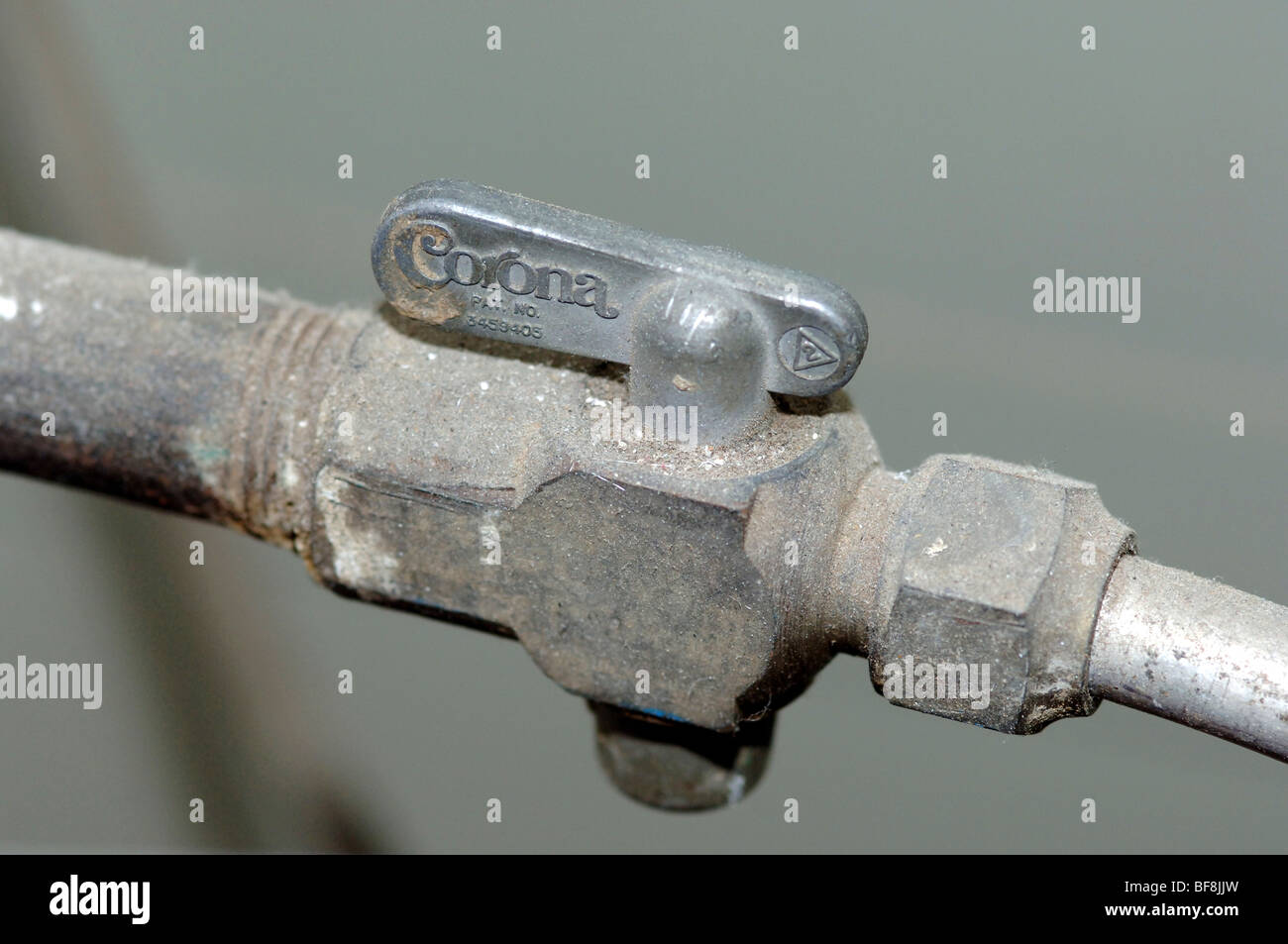
Location, Location, Location: Your main gas valve is typically located near your gas meter, often outside your home. Individual appliances will also have their own gas shut-off valves, usually located near the appliance itself. These are what we'll primarily focus on.
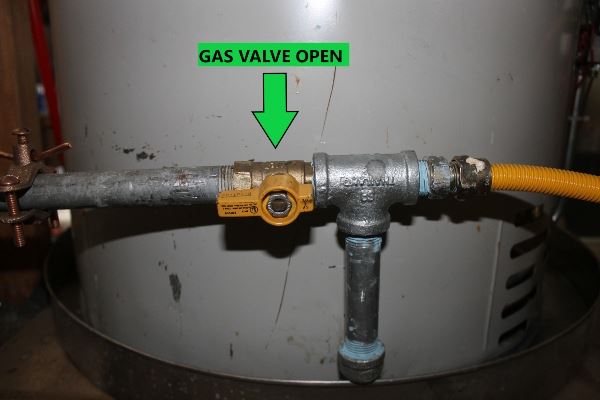
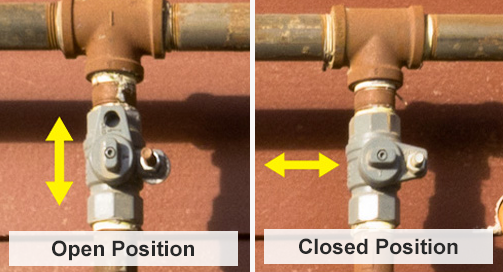
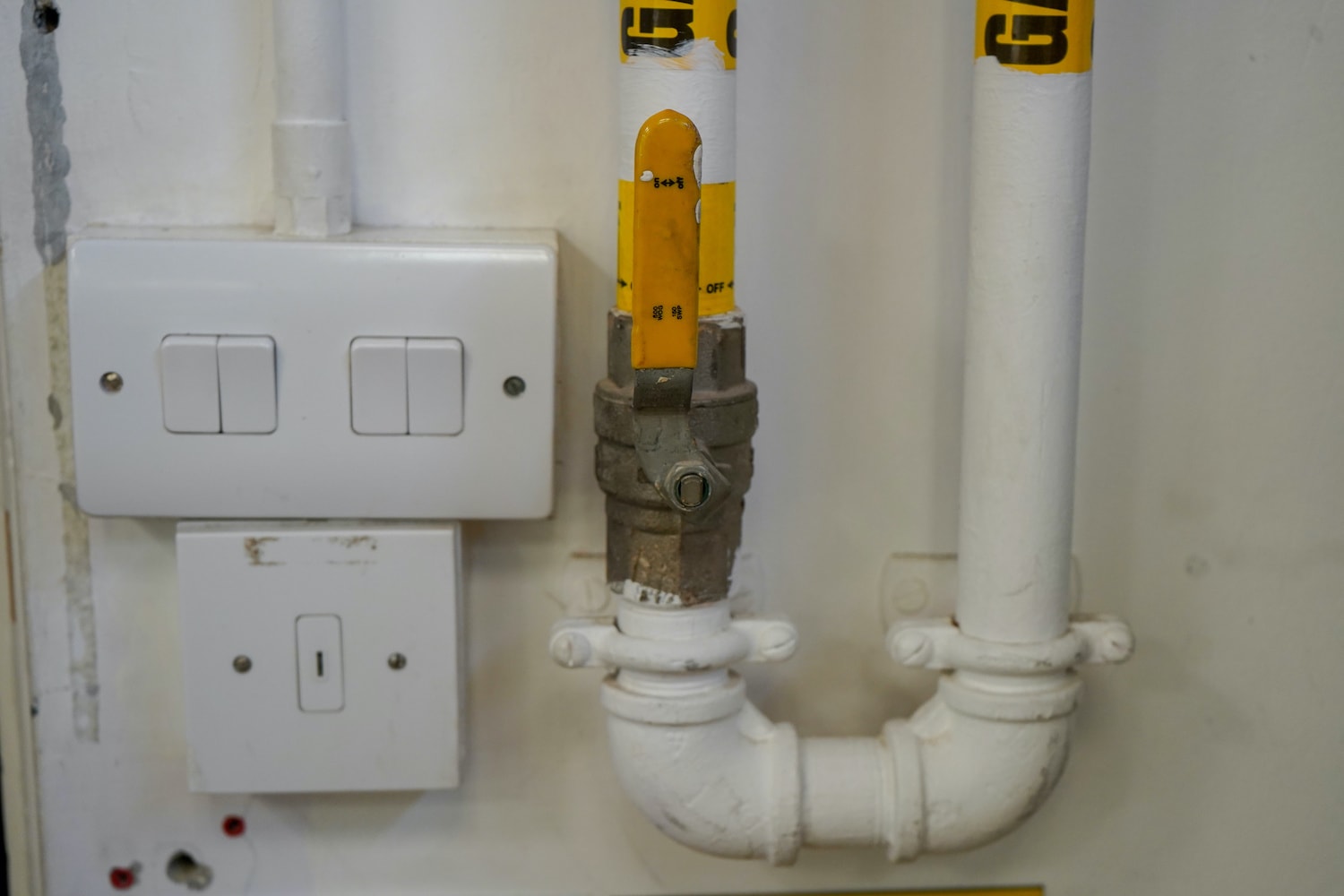
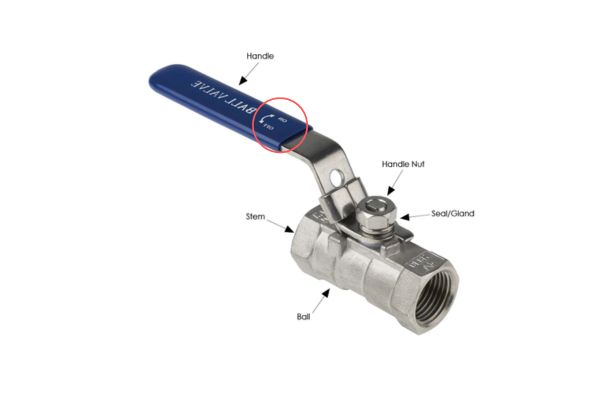
Valve Types: The most common type you'll encounter is a quarter-turn ball valve. This valve has a handle that you turn 90 degrees to open or close the gas line. The handle's position indicates the valve's state. A handle parallel to the pipe means the valve is open, while a handle perpendicular to the pipe means it's closed.
Diagnosing the Problem: Is the Gas Valve the Culprit?
Okay, so your furnace isn't firing up. Before you start tearing things apart, let's systematically check if the gas valve is the problem. Here's a methodical approach:
Step 1: Confirm Other Gas Appliances Are Working
This is a simple yet crucial first step. Check if other gas appliances in your home are functioning correctly. For example, try lighting a burner on your gas stove or turning on your gas water heater.
- If other gas appliances are working: This strongly suggests that the main gas supply is fine, and the problem likely lies with the specific appliance that isn't working (e.g., a faulty igniter in your furnace).
- If NO gas appliances are working: This indicates a potential issue with the main gas supply, a problem with the gas meter, or a central shut-off valve being closed. Proceed with caution and consider calling your gas company immediately.
Step 2: Visually Inspect the Appliance Gas Valve
Locate the gas valve for the appliance that isn't working. As mentioned earlier, it's usually a quarter-turn ball valve near the appliance.
- Position of the Handle: Is the handle parallel to the gas pipe (open) or perpendicular to it (closed)? This is the most obvious visual indicator.
- Check for Obstructions: Make sure nothing is blocking the valve from fully opening. Sometimes objects can bump against the handle, partially closing it.
- Inspect for Damage: Look for any signs of physical damage to the valve or the surrounding pipes. Any cracks, leaks, or corrosion are red flags.
Step 3: Test the Valve (Without Tools - proceed cautiously)
Warning: Only proceed if you are comfortable and confident. If you smell gas at ANY point, immediately evacuate the area and call your gas company.
This test assumes the valve *appears* to be open, but you're still having issues. This is less of a "test" and more of a confirmation that it's already open.
- Listen Closely: With the valve appearing to be open (handle parallel to the pipe), carefully listen near the appliance when it attempts to start. Do you hear a faint hiss of gas? This *might* indicate that gas is flowing, but it's not a definitive test.
Important: If you smell gas, STOP immediately! - Look at the pilot light: For appliances with a pilot light, if the valve seems to be open, is the pilot light lit. If it is not lit, try to light the pilot light. If it lights, then the valve is open. If it does not light, the gas is not flowing.
Important note: If after opening the valve you smell gas, shut the valve off and call the gas company immediately to inspect the area
Step 4: Resetting the Appliance (if applicable)
Sometimes, even with the gas valve open, the appliance's internal safety mechanisms might prevent it from firing up. Many modern furnaces and water heaters have a reset button, often near the burner compartment. Refer to your appliance's owner's manual for specific instructions on how to reset it. This may involve turning the power switch off then on or pressing and holding a reset button.
After resetting, try starting the appliance again. If it still doesn't work, move on to the next step.
DIY Actions You Can Take (Safely)
Now that you've diagnosed the problem, here are a few simple and safe DIY actions you can take, assuming you've ruled out any gas leaks or damage.
Opening a Closed Gas Valve
If you find that the gas valve is indeed closed, opening it is straightforward:
- Locate the valve: Identify the gas valve for the appliance.
- Turn the handle: Slowly turn the handle 90 degrees, so it's parallel to the gas pipe. This is the open position.
- Listen for a hiss: As you open the valve, you might hear a slight hiss of gas entering the appliance. This is normal. However, if you hear a strong, persistent hiss or smell gas, STOP immediately and call your gas company.
- Try starting the appliance: After opening the valve, try starting the appliance. If it still doesn't work, consider resetting it as described above.
Restarting the Pilot Light (if applicable)
If your appliance has a pilot light, it might have gone out. Refer to your appliance's owner's manual for specific instructions on how to relight it. This typically involves:
- Turning the gas control knob to the "Pilot" position.
- Pressing and holding the reset button while lighting the pilot light with a long lighter or match.
- Continue holding the reset button for about 30-60 seconds after the pilot light ignites.
- Release the reset button. The pilot light should remain lit. If it goes out, repeat the process.
- Turn the gas control knob to the "On" position.
When to Call a Professional HVAC Technician
While some gas valve issues are simple to resolve, others require the expertise of a qualified HVAC technician. Here are situations where you should absolutely call a professional:
- You Smell Gas: This is the most important reason. If you smell gas at any point during your troubleshooting, evacuate the area immediately and call your gas company or 911.
- Visible Damage to the Valve or Pipes: If you see any cracks, leaks, corrosion, or other damage to the gas valve or the surrounding pipes, do not attempt to repair it yourself. This is a serious safety hazard.
- You Suspect a Gas Leak: Even if you don't smell gas strongly, any suspicion of a gas leak warrants a professional inspection.
- The Valve is Stuck or Difficult to Turn: Forcing a stuck gas valve can damage it and create a leak.
- You've Tried Everything and the Appliance Still Doesn't Work: If you've followed all the steps outlined above and your appliance still isn't working, there's likely a more complex issue that requires professional diagnosis and repair.
- You Are Uncomfortable Working With Gas: If you feel uneasy or unsure about working with gas appliances, it's always best to err on the side of caution and call a professional. Gas can be dangerous, and it's better to be safe than sorry.
- Your Gas Company Shut Off Your Gas: If the gas company shut off your gas service (for example, due to a leak or repair), do NOT attempt to restore it yourself. They will need to inspect your system and ensure it's safe before turning the gas back on.
Equipment and Tools
For the steps outlined above, you shouldn't need any tools. However, if you progress beyond these basic checks, here are some common tools that HVAC technicians use, but should not be used by consumers.
- Gas Leak Detector: A device that detects the presence of natural gas or propane.
- Pipe Wrenches: Used for tightening and loosening gas pipes.
- Multimeter: Used to test electrical components in gas appliances.
- Manometer: Used to measure gas pressure.
- Bubble Leak Detector: A solution applied to gas fittings to check for leaks.
Important: Unless you are a qualified HVAC technician, you should NOT attempt to use these tools to repair gas lines or appliances. Incorrect use can be dangerous and could result in a gas leak or explosion.
Safety First!
Working with gas appliances requires caution and respect. Remember these safety guidelines:
- Never smoke or use open flames near gas appliances.
- Always ventilate the area when working on gas appliances.
- Know the smell of natural gas (usually a sulfur-like odor). If you smell gas, evacuate the area immediately and call your gas company.
- Don't tamper with gas meters or regulators. These are the responsibility of the gas company.
- If in doubt, call a professional. It's always better to be safe than sorry.
Conclusion
Troubleshooting a gas valve issue can seem daunting, but by following these steps, you can often diagnose the problem and take simple DIY actions to resolve it. Remember to prioritize safety at all times, and don't hesitate to call a professional HVAC technician when needed. With a little knowledge and caution, you can keep your gas appliances running smoothly and your home comfortable.