How To Tell If Heat Exchanger Is Cracked
The Silent Killer: How to Spot a Cracked Heat Exchanger Before It's Too Late
Your furnace works hard to keep your home warm during the colder months. At the heart of this system lies the heat exchanger, a critical component responsible for heating the air that circulates through your house. But what happens when this crucial part develops a crack? The consequences can range from reduced heating efficiency to severe health hazards. This guide will help you understand how to identify a cracked heat exchanger, what to do about it, and how to prevent it from happening in the first place.
Understanding the Heat Exchanger's Role
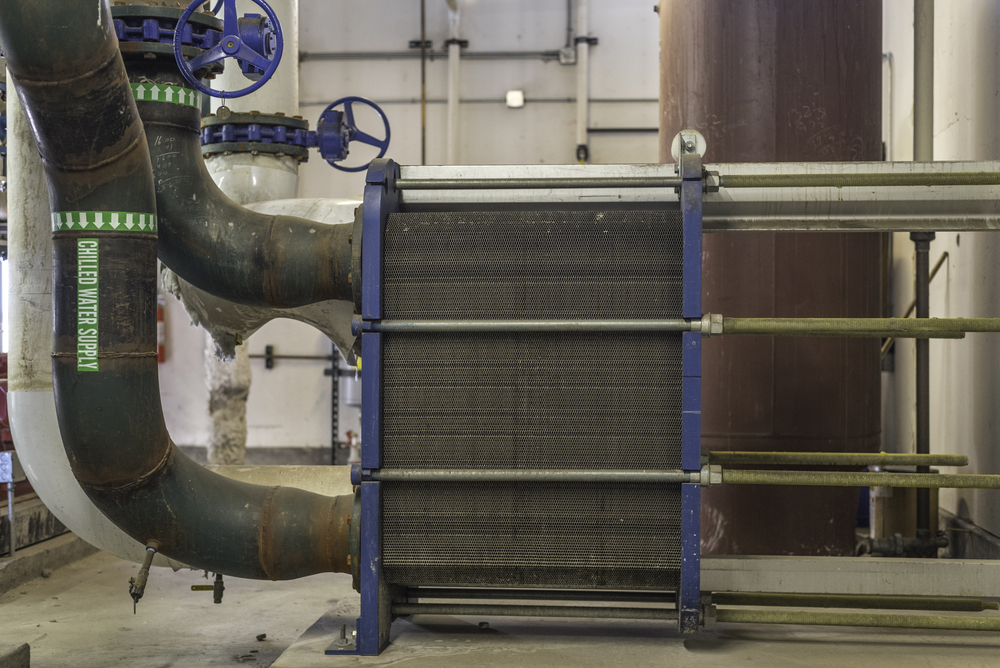
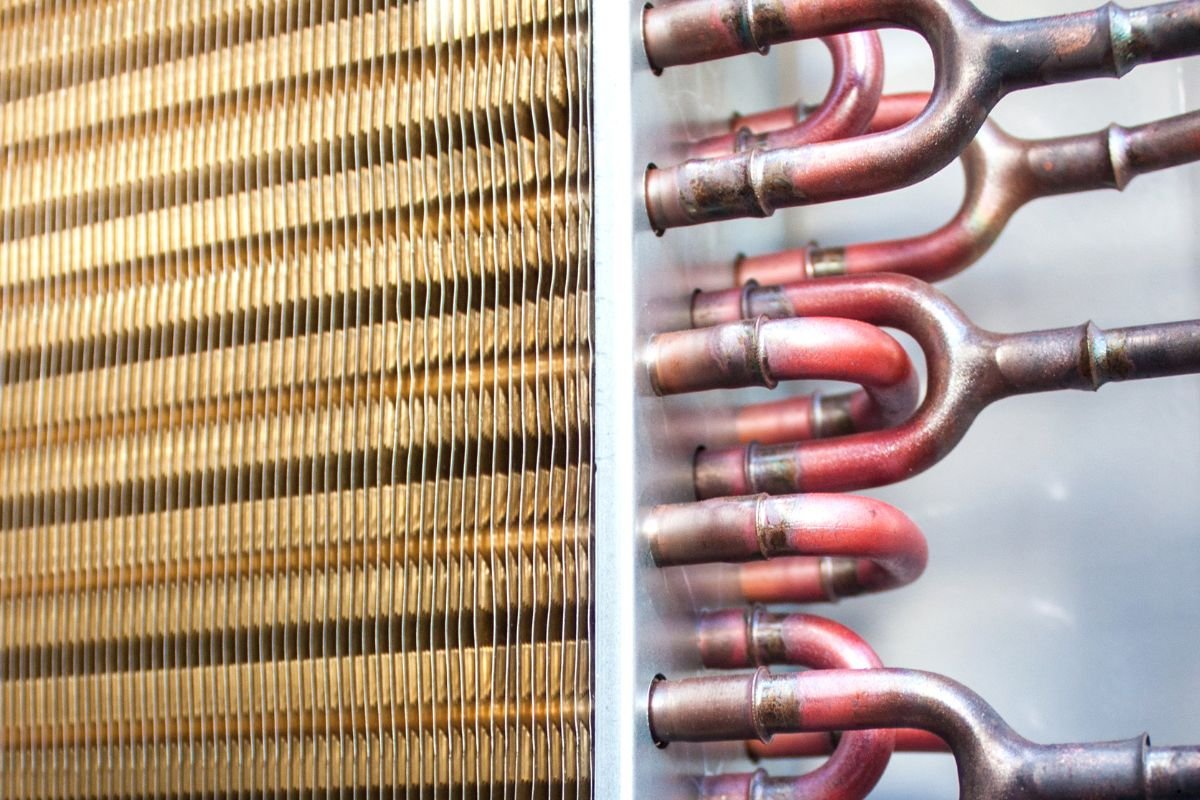
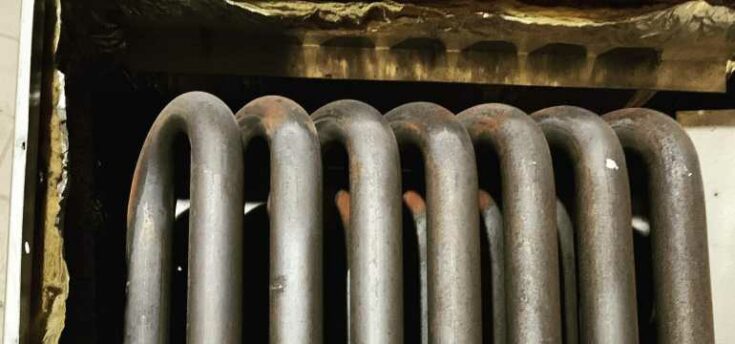
Before diving into the warning signs, it's essential to understand what a heat exchanger does. Inside your furnace, natural gas or propane is burned to generate heat. The heat exchanger is a set of metal coils or chambers that contain the combustion gases. Air from your home's ductwork is then blown across the outside of the heat exchanger, absorbing the heat and warming your house. Ideally, the combustion gases remain safely contained within the heat exchanger and are vented outside through the chimney.
Why Cracks Form: The Culprits Behind Heat Exchanger Failure
Several factors can contribute to cracks in a heat exchanger:
- Age: Like any mechanical component, heat exchangers degrade over time. The constant expansion and contraction from heating and cooling cycles can weaken the metal, eventually leading to cracks.
- Corrosion: Moisture, especially in humid environments, can cause corrosion inside the heat exchanger. This corrosion weakens the metal, making it more susceptible to cracking.
- Overheating: Restricted airflow due to dirty filters or blocked vents can cause the furnace to overheat. This excessive heat can stress the heat exchanger and lead to premature failure.
- Poor Maintenance: Neglecting regular furnace maintenance, such as annual inspections and cleaning, can exacerbate existing problems and contribute to heat exchanger cracks.
Detecting the Danger: Signs of a Cracked Heat Exchanger
Identifying a cracked heat exchanger early is crucial for safety and preventing costly repairs. Here are some telltale signs to watch out for:
Visual Clues: Inspecting the Flames and Components
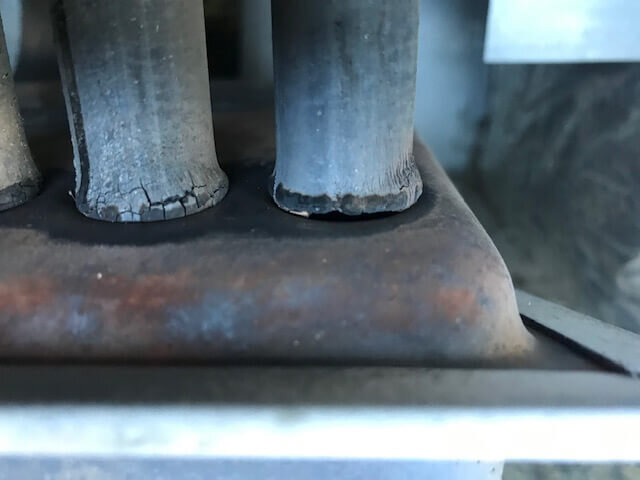
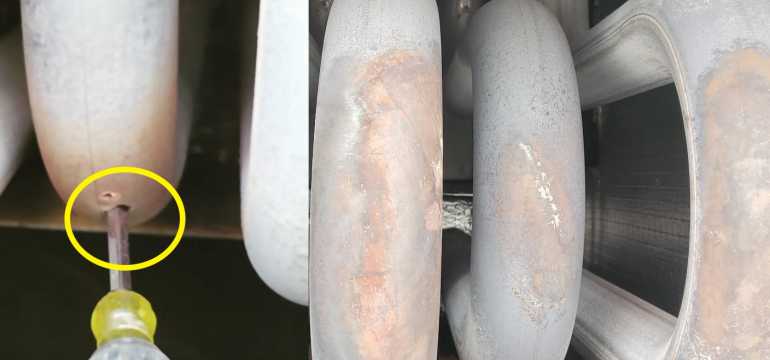
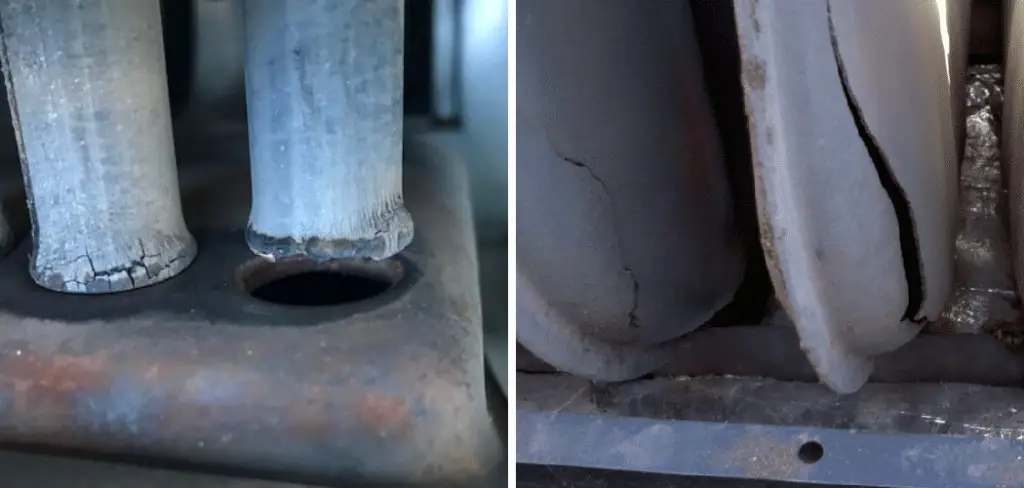
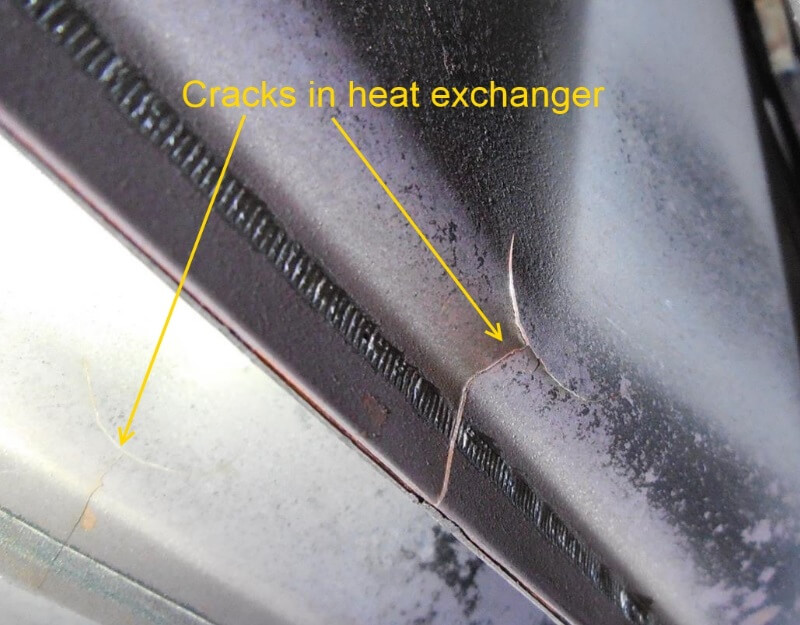
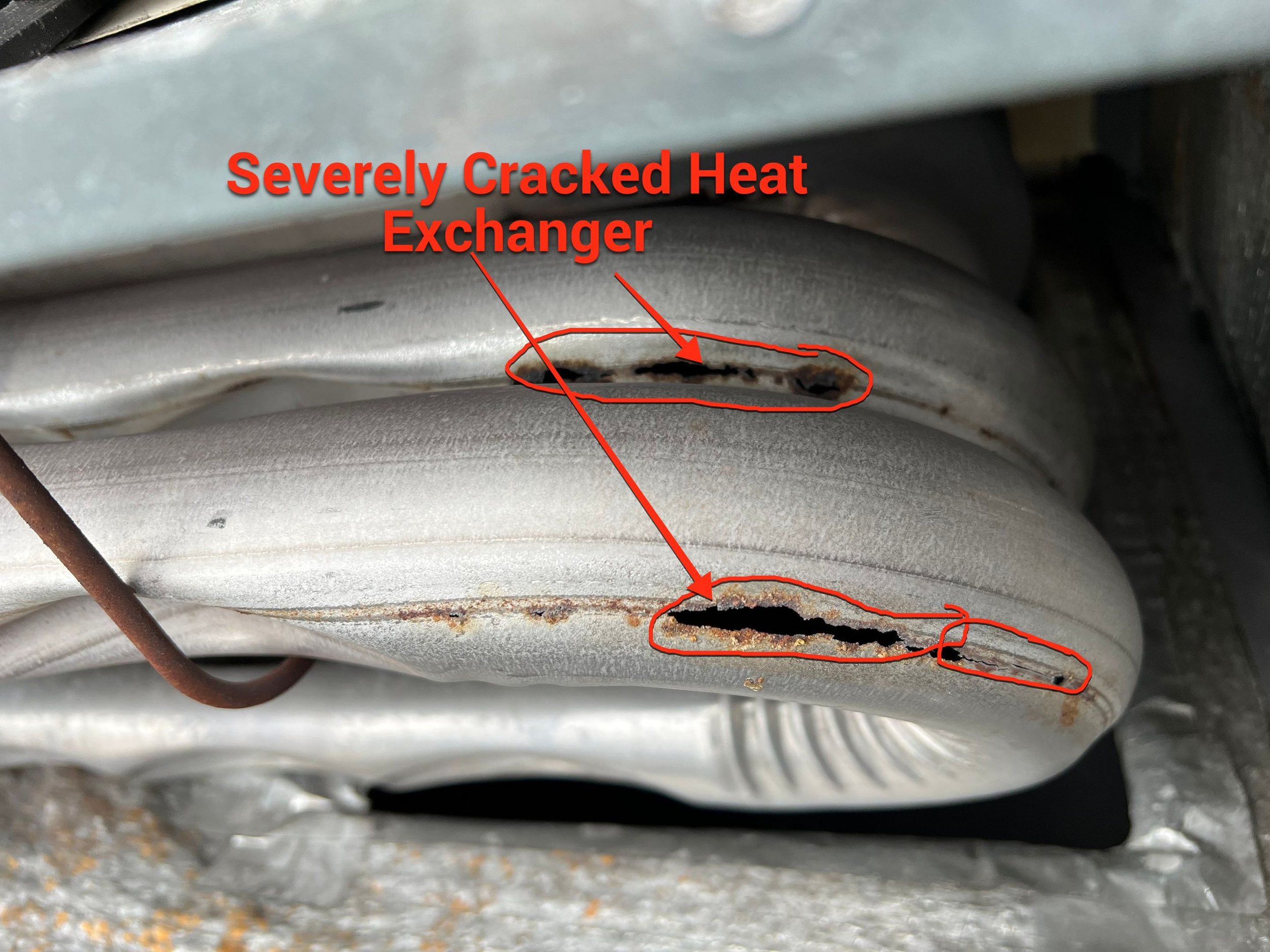
- Visible Cracks or Rust: This is the most obvious sign. Carefully inspect the heat exchanger for any visible cracks, rust, or holes. This often requires removing the furnace's access panels, which should ideally be done by a qualified HVAC technician.
- Distorted Flame: A healthy furnace flame should be blue and steady. A yellow or flickering flame can indicate incomplete combustion, which could be a sign of a cracked heat exchanger allowing combustion gases to escape.
- Soot Buildup: Excessive soot buildup around the furnace or vent pipes can indicate incomplete combustion and potential issues with the heat exchanger.
Sensory Indicators: Smells and Sounds
- Unusual Odors: A musty or metallic smell coming from your vents could be a sign that combustion gases are leaking into your home. A stronger odor similar to formaldehyde warrants immediate attention.
- Strange Noises: While not always indicative of a cracked heat exchanger, unusual banging, popping, or rattling noises from the furnace could signal internal problems.
Health Concerns: Carbon Monoxide Poisoning
This is the most serious consequence of a cracked heat exchanger. Carbon monoxide (CO) is a colorless, odorless, and tasteless gas that can be deadly. If you suspect a cracked heat exchanger, immediately evacuate your home and contact your local fire department or a qualified HVAC technician.
Symptoms of carbon monoxide poisoning include:
- Headaches
- Dizziness
- Nausea
- Fatigue
- Confusion
- Blurred vision
- Loss of consciousness
Install carbon monoxide detectors on every level of your home, especially near sleeping areas. Test them regularly and replace them according to the manufacturer's instructions.
Professional Diagnosis: The Importance of HVAC Technicians
While you can look for the signs mentioned above, a professional HVAC technician is best equipped to diagnose a cracked heat exchanger accurately. They have specialized tools and training to perform thorough inspections.
Common diagnostic methods include:
- Visual Inspection: A technician will carefully examine the heat exchanger for any visible signs of damage.
- Combustion Analysis: This test measures the levels of various gases in the furnace's exhaust, including carbon monoxide. High CO levels can indicate a cracked heat exchanger.
- Smoke Test: A technician will introduce smoke into the heat exchanger to see if it escapes through any cracks.
- CO Testing: Using a carbon monoxide detector, a technician can measure CO levels in the air near the furnace and in your home.
What to Do If You Suspect a Cracked Heat Exchanger
- Stop Using the Furnace: Immediately turn off your furnace to prevent further CO leakage.
- Evacuate Your Home: If you suspect carbon monoxide is present, evacuate your home and contact your local fire department or a qualified HVAC technician.
- Contact a Qualified HVAC Technician: Schedule a professional inspection to diagnose the problem accurately.
- Do Not Attempt Repairs Yourself: Repairing a cracked heat exchanger is a complex and dangerous task that should only be performed by a qualified professional.
The Cost of Replacement: Furnace Options and Considerations
If your heat exchanger is cracked, the most common recommendation is to replace the entire furnace. While it might seem expensive, replacing just the heat exchanger can be difficult, costly, and may not be as reliable as a new furnace.
Factors Affecting Furnace Replacement Cost
The cost of a new furnace depends on several factors:
- Furnace Type: Gas furnaces are the most common type, but oil and electric furnaces are also available.
- AFUE Rating: The Annual Fuel Utilization Efficiency (AFUE) rating indicates how efficiently the furnace converts fuel into heat. Higher AFUE ratings mean lower energy bills but typically come with a higher upfront cost.
- BTU Output: British Thermal Units (BTUs) measure the furnace's heating capacity. The appropriate BTU output depends on the size of your home and climate.
- Brand and Model: Different brands and models offer varying features, warranties, and price points.
- Installation Costs: Installation costs can vary depending on the complexity of the job and your location.
Popular Furnace Brands and Models
Here's a brief overview of some popular furnace brands and models, including their AFUE ratings:
- Carrier: Known for their high-efficiency models and advanced features. Carrier offers furnaces with AFUE ratings ranging from 80% to 98.5%.
- Trane: A reputable brand with a wide range of furnaces to suit different needs and budgets. Trane furnaces have AFUE ratings from 80% to 97%.
- Lennox: Offers some of the most energy-efficient furnaces on the market. Lennox furnaces boast AFUE ratings from 80% to 99%.
- Goodman: A more budget-friendly option that still provides reliable performance. Goodman furnaces have AFUE ratings from 80% to 96%.
- Rheem: Known for their durability and ease of maintenance. Rheem furnaces offer AFUE ratings from 80% to 97%.
When comparing furnace models, consider the AFUE rating, BTU output, warranty, and any additional features such as variable-speed blowers or smart thermostats.
Understanding Warranties
Furnace warranties typically cover parts and labor for a specific period. Pay close attention to the warranty terms and conditions, as some warranties may require annual maintenance to remain valid. Many brands offer extended warranties for added peace of mind.
Preventing Heat Exchanger Cracks: Proactive Maintenance
The best way to avoid the dangers and expense of a cracked heat exchanger is to prevent it from happening in the first place. Regular maintenance is key.
Essential Maintenance Tasks
- Change Air Filters Regularly: Dirty air filters restrict airflow, causing the furnace to overheat. Replace your air filter every 1-3 months, or more frequently if you have pets or allergies.
- Schedule Annual Inspections: Have your furnace inspected and serviced by a qualified HVAC technician at least once a year. They can identify potential problems early and perform necessary maintenance tasks.
- Keep Vents Clear: Ensure that all vents are unobstructed to allow for proper airflow.
- Monitor Your Furnace: Pay attention to any unusual noises, smells, or changes in performance.
The Bottom Line: Safety First
A cracked heat exchanger is a serious issue that can have dangerous consequences. By understanding the warning signs, taking proactive maintenance steps, and seeking professional help when needed, you can protect your home and family from the risks of carbon monoxide poisoning and ensure your furnace operates safely and efficiently for years to come. Remember, when it comes to your family's safety, proactive maintenance and prompt attention to any concerns are paramount. Don't hesitate to consult with a qualified HVAC professional to ensure your heating system is in optimal condition.