How To Tell If Humidifier Is Working
Is your humidifier doing its job, or is it just another energy-hogging appliance adding to your monthly bill? Determining whether your humidifier is working effectively is crucial for maintaining a comfortable and healthy indoor environment, and more importantly, for optimizing your energy usage. This guide provides homeowners, businesses, and HVAC professionals with practical methods to assess humidifier performance, understand the link between humidity and energy efficiency, and explore smart home integration for better control.
Understanding the Importance of Humidity Levels
Before diving into the diagnostics, it’s important to understand why maintaining proper humidity levels is crucial. According to the EPA, indoor humidity should ideally be between 30% and 50%. Lower humidity can lead to dry skin, irritated sinuses, and increased susceptibility to respiratory infections. Higher humidity, on the other hand, promotes mold growth and can worsen allergies. Maintaining optimal humidity not only improves comfort but also reduces the need for excessive heating, especially during winter months, ultimately contributing to significant energy savings.
Signs Your Humidifier is Working (and Not Working)
Visual Cues: Condensation and Comfort
One of the most obvious signs that your humidifier is working is the presence of condensation on windows. While a small amount of condensation might be normal during extremely cold weather, excessive condensation indicates that humidity levels are too high. Conversely, a complete lack of condensation, coupled with persistent symptoms like dry skin or a scratchy throat, suggests your humidifier isn't working hard enough. Beyond physical indicators, pay attention to your overall comfort level. Do you find yourself reaching for lotion more often? Are your sinuses constantly dry? These are clear indications that your home's humidity levels are too low, indicating that your humidifier is not performing as intended.
Using a Hygrometer: The Definitive Test
The most accurate way to determine if your humidifier is working is to use a hygrometer, a device that measures relative humidity. Digital hygrometers are readily available and affordable, providing precise readings. Place the hygrometer in various locations throughout your home, away from the humidifier itself. Monitor the readings over a period of 24 hours to get a comprehensive understanding of the humidity levels in different areas. If the hygrometer consistently shows readings below 30% or above 50%, even when the humidifier is running, it’s a strong indicator that the humidifier is not functioning correctly or is undersized for the space. Many smart thermostats now include built-in hygrometers, giving you continuous, centralized monitoring. This information can be accessed remotely via a smartphone app.
Checking Water Consumption and Tank Levels
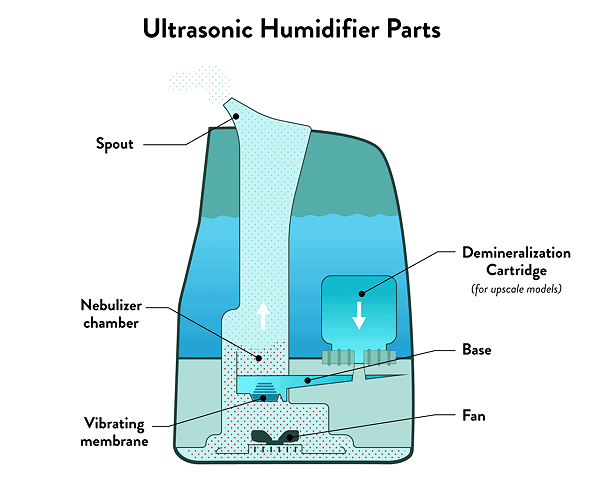
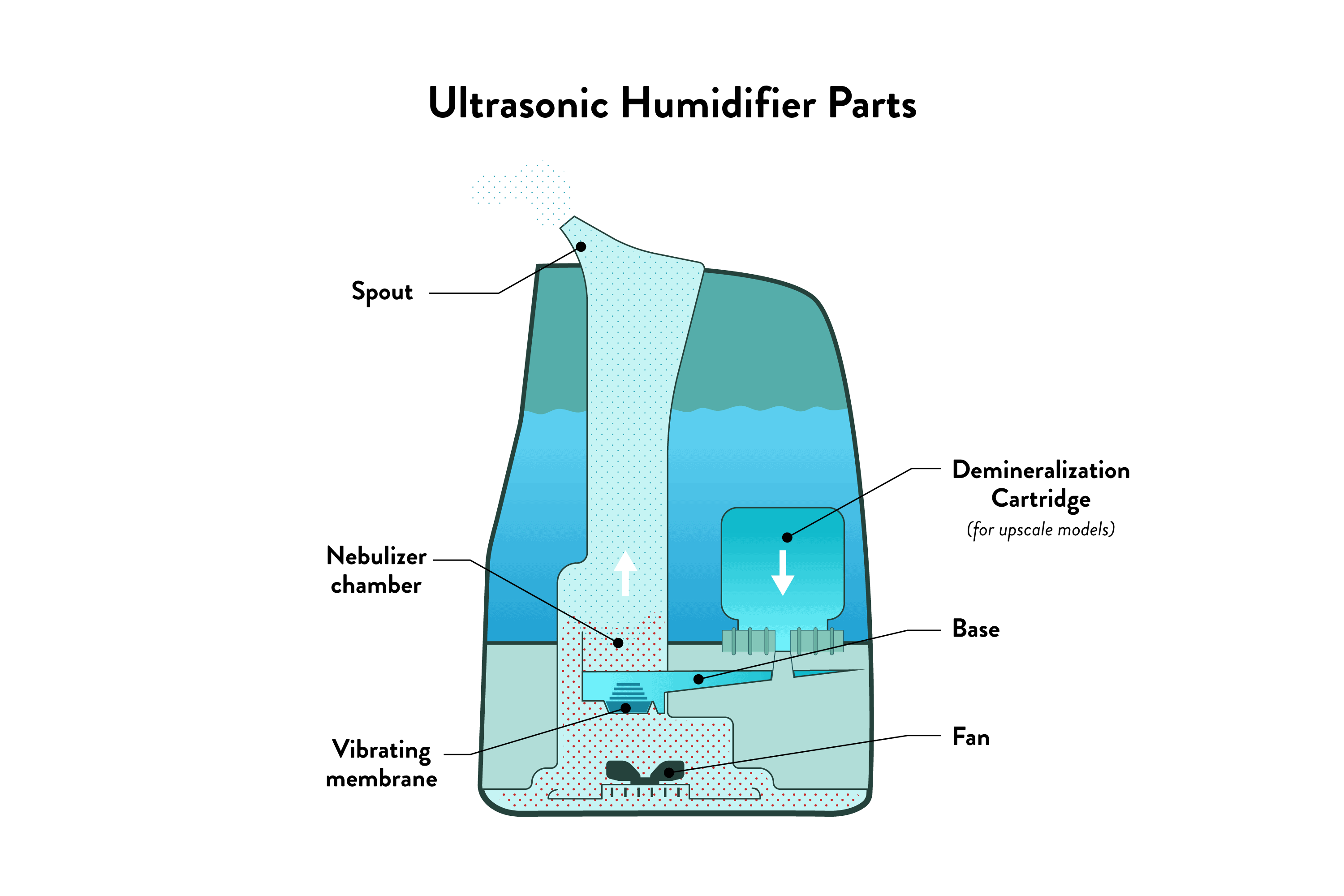
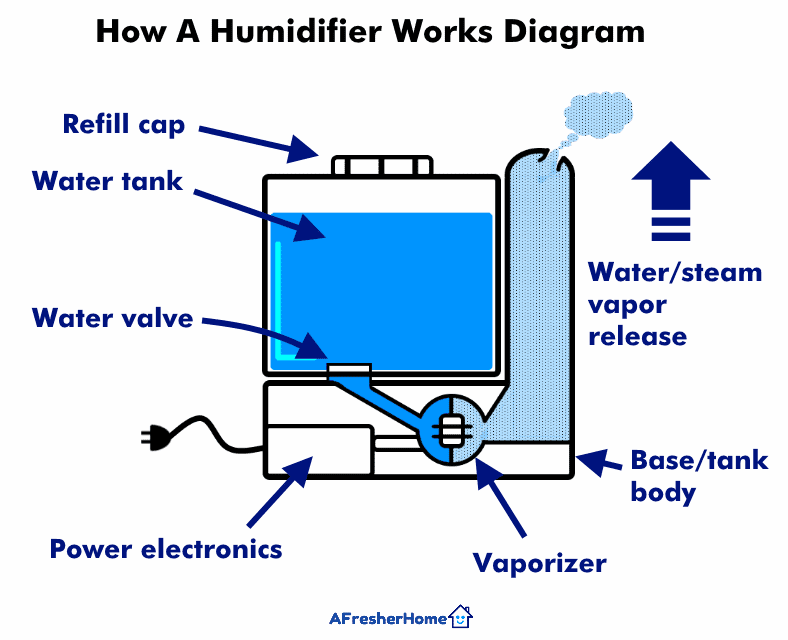
Humidifiers consume water to generate humidity. Regularly check the water tank level. If the tank remains full for extended periods, even with the humidifier running, it suggests that water is not being effectively converted into moisture. This could be due to a malfunctioning float valve, a clogged filter, or a faulty heating element (in steam humidifiers). Conversely, excessively rapid water consumption could point to a leak or a setting that's too high for the current environmental conditions. Careful monitoring of water usage provides another clue as to whether your humidifier is working efficiently.
Observing Physical Changes in Your Home
Pay attention to changes within your home that might indicate humidity problems. Wood floors may start to warp or creak excessively in low humidity environments, while mold or mildew growth in bathrooms or basements could indicate excessive humidity. Wallpaper might peel, and paint may crack or bubble in poorly ventilated, overly humid areas. These signs are often subtle but can provide valuable insights into the overall humidity balance in your home.
Troubleshooting a Malfunctioning Humidifier
Cleaning and Maintenance: The First Step
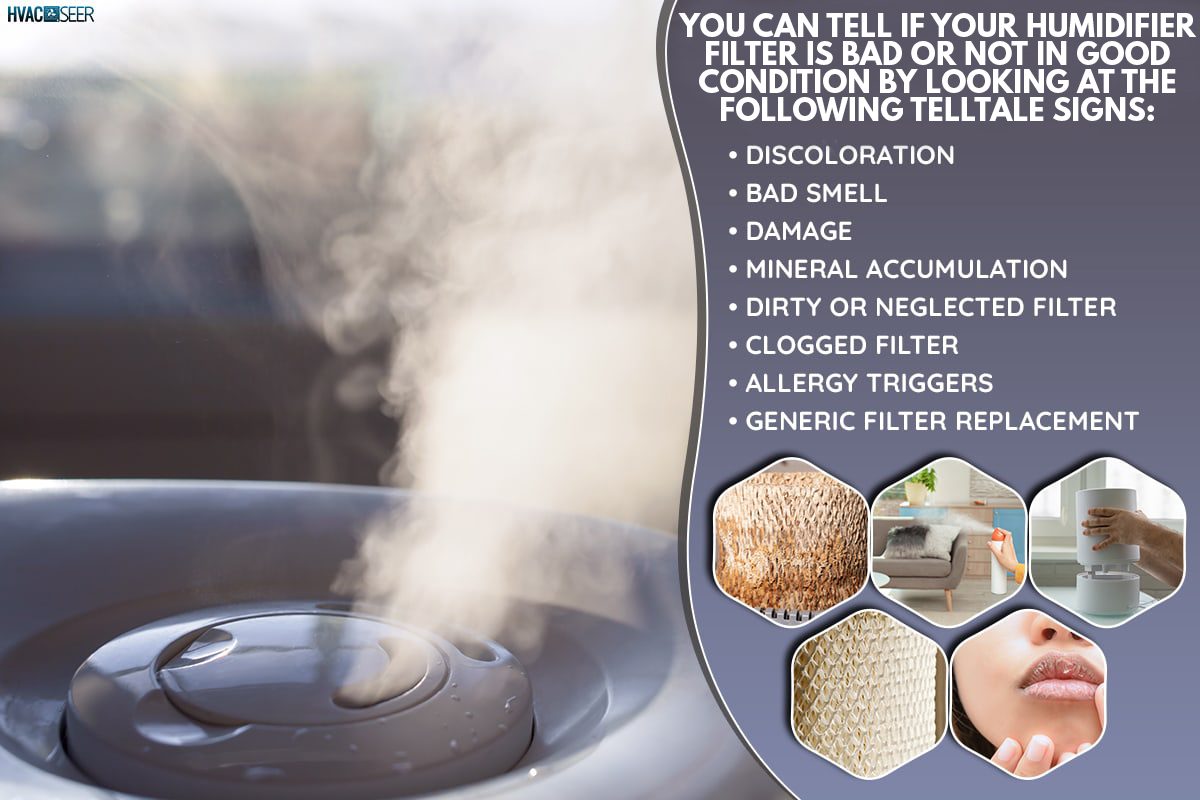
Before assuming your humidifier is broken, perform routine maintenance. Mineral buildup from hard water can significantly impair humidifier performance. Follow the manufacturer's instructions for cleaning and descaling the unit. Replace filters regularly, as clogged filters restrict airflow and reduce humidification efficiency. For whole-house humidifiers, check the water supply line for any obstructions or leaks. Regular cleaning and maintenance are essential for ensuring optimal performance and extending the lifespan of your humidifier. The Energy Star program offers guidelines on proper maintenance for various types of appliances, including humidifiers.
Examining Electrical Components
If cleaning doesn't solve the problem, check the electrical components. Ensure the humidifier is properly plugged in and that the outlet is functioning correctly. For steam humidifiers, inspect the heating element for signs of damage or corrosion. If you're comfortable working with electrical appliances, use a multimeter to test the continuity of the heating element. However, if you're unsure about electrical repairs, it's always best to consult a qualified HVAC technician.
Assessing the Humidifier's Size and Capacity
A humidifier that is too small for the area it is intended to humidify will struggle to maintain adequate humidity levels. Consider the square footage of the space and the humidifier's stated capacity. If you've recently expanded your home or are trying to humidify a larger area than the humidifier is designed for, you may need to upgrade to a larger unit. Similarly, if your home has significant air leaks, the humidifier will have to work harder to compensate for the escaping moisture.
Consider a Whole-House Humidifier
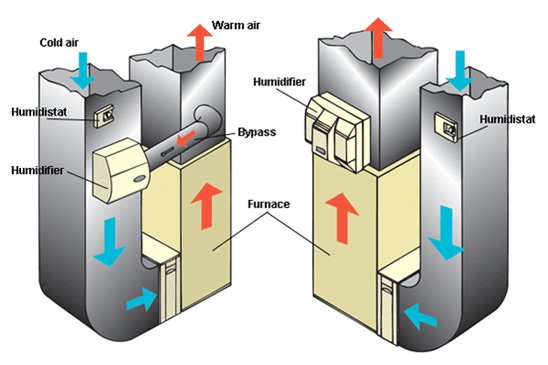
For homeowners looking for consistent humidity control throughout their entire home, a whole-house humidifier, typically installed as part of the HVAC system, might be the ideal solution. These systems are designed to humidify the entire home evenly and efficiently, without the need for individual portable units in each room. Whole-house humidifiers often offer features like automatic humidity control, adjusting output based on outdoor temperature and indoor humidity levels. While the initial investment is higher, the long-term benefits, including improved comfort and reduced energy consumption, can make it a worthwhile investment.
Smart Home Integration for Optimal Humidity Control
Integrating your humidifier with a smart home system offers unprecedented control and convenience. Smart thermostats with built-in humidity sensors can automatically adjust the humidifier's output based on pre-set preferences. You can also use smart plugs to remotely control the humidifier, turning it on or off from your smartphone. Furthermore, some smart humidifiers offer advanced features like automatic shut-off when the desired humidity level is reached, preventing over-humidification and saving energy. Integrating your humidifier with a smart home system empowers you to maintain optimal humidity levels with minimal effort, maximizing both comfort and energy efficiency.
ROI and Energy Savings: The Bottom Line
While the initial cost of a humidifier might seem like an expense, the long-term benefits in terms of energy savings and improved health can provide a significant return on investment. By maintaining optimal humidity levels, you can lower your thermostat setting during the winter months, reducing your heating bill. According to the U.S. Department of Energy, for every degree you lower your thermostat in the winter, you can save up to 1% on your heating bill. Furthermore, properly humidified air feels warmer, allowing you to be comfortable at a lower temperature. Additionally, investing in a high-efficiency humidifier, particularly an Energy Star-certified model, can further reduce energy consumption. Many utility companies offer rebates for energy-efficient appliances, including humidifiers, making them an even more attractive investment.
When to Call a Professional
If you've tried the troubleshooting steps outlined above and your humidifier is still not working correctly, it's time to call a qualified HVAC technician. A professional can diagnose complex issues, such as faulty sensors, malfunctioning motors, or problems with the water supply line. They can also provide expert advice on the best type of humidifier for your home and ensure proper installation and maintenance. Regular HVAC maintenance, including humidifier inspections, can help prevent costly repairs and ensure your system is operating at peak efficiency.
By understanding how to assess your humidifier's performance, addressing common issues, and leveraging smart home technology, you can ensure a comfortable and energy-efficient indoor environment. Remember, proper humidity control is not just about comfort; it's also about saving money and protecting your health.