How To Tell If You Smell Gas

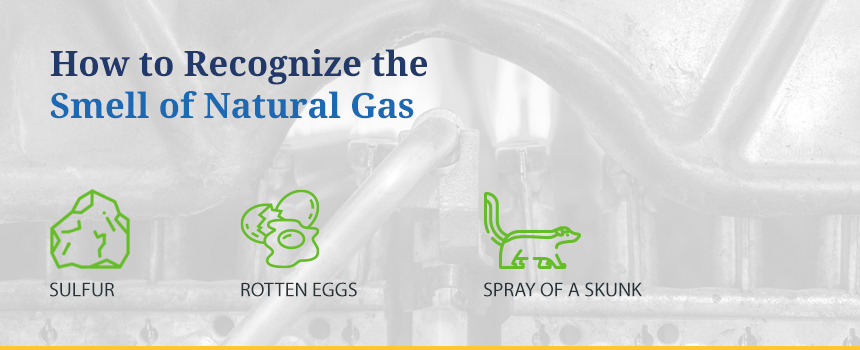
Natural gas is a vital energy source for many homes, powering appliances like stoves, water heaters, and furnaces. However, it's also inherently dangerous. Natural gas is odorless in its natural state, so utility companies add a chemical called mercaptan, which gives it a distinctive, pungent smell often described as rotten eggs. This is a crucial safety measure, allowing us to detect leaks and potential hazards. If you suspect you smell gas, acting quickly and carefully is paramount. This guide will help you determine if what you're smelling is actually a gas leak, and what steps you can take to address it safely.
Understanding the Smell and Initial Actions
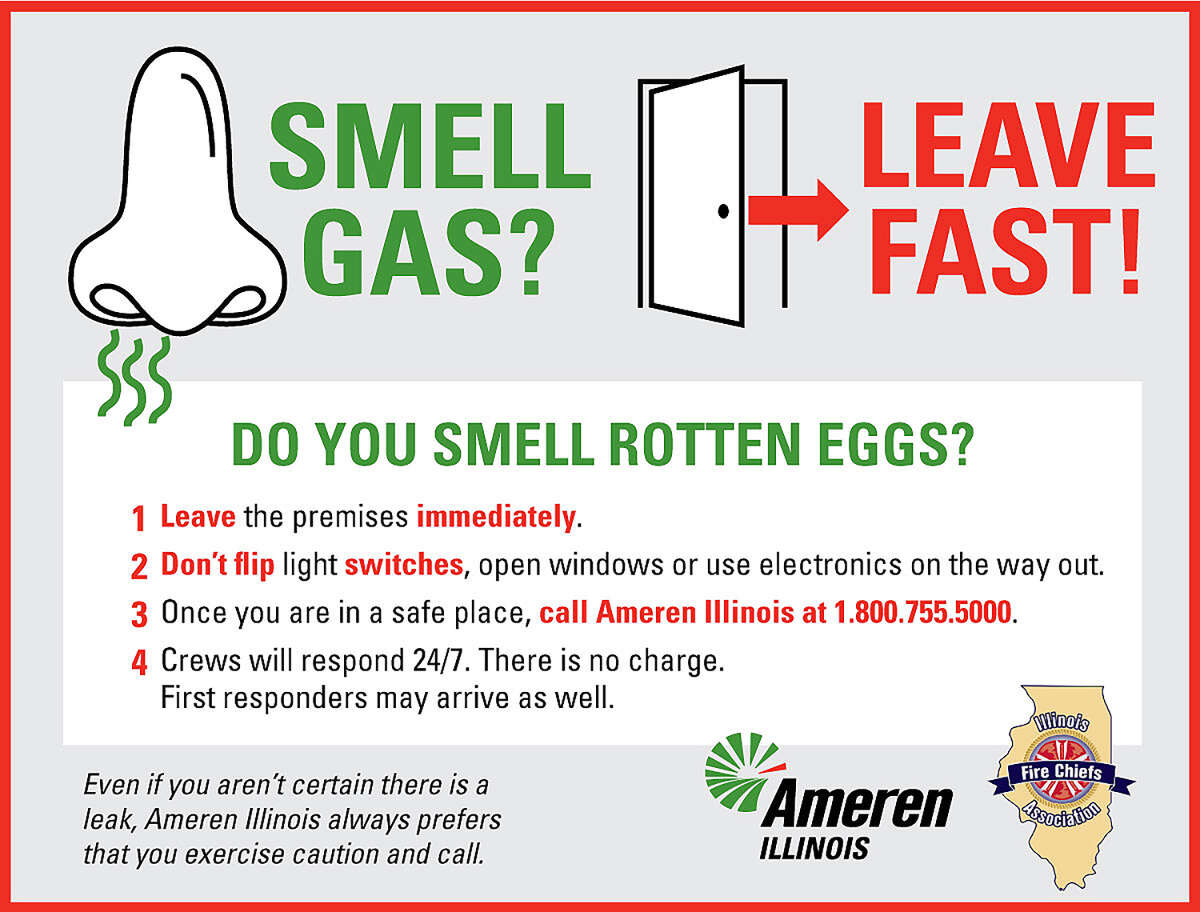
Before we dive into troubleshooting, let's clarify what a gas leak smells like. The rotten egg odor is unmistakable. It's not a subtle fragrance; it's a strong, unpleasant smell that should immediately raise a red flag. Sometimes, the smell might be faint, especially if the leak is small or you have a diminished sense of smell. Other possible indicators of a gas leak include a hissing sound near a gas line or appliance, dead or dying vegetation in a localized area near buried gas lines, or a visible dust cloud near a gas line.
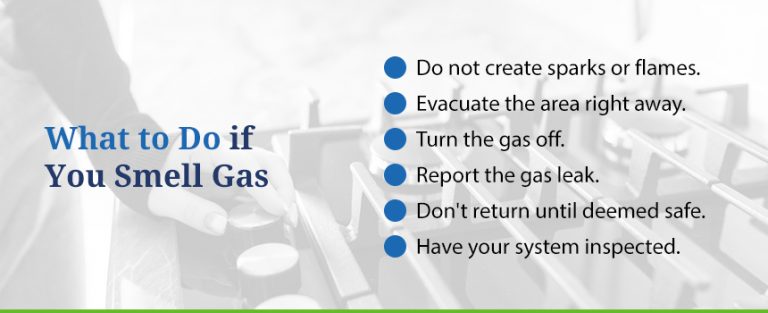
If you strongly suspect a gas leak, the first and most important step is to evacuate immediately! Don't hesitate. Get everyone out of the house, including pets. Once you're safely outside, away from the building, call your gas company or 911 from a neighbor's phone or your cell phone *away from the suspected leak area*. Do not use any electrical devices (including cell phones) inside the building, as these could potentially ignite the gas.
Once the authorities or gas company arrive, let them handle the situation. Do not attempt to re-enter the building until they give you the all-clear.
Troubleshooting After the Professionals Give the All-Clear
After the gas company or fire department has investigated and declared the area safe, they may advise you that the leak was minor or resolved. However, you might still want to investigate further to ensure it doesn't happen again. This is where some basic troubleshooting comes in handy. This section assumes the professionals have already addressed the primary source of the leak and deemed it safe to re-enter the premises.
Step 1: Ventilation is Key
The first thing to do upon re-entry is to thoroughly ventilate the house. Open all windows and doors to allow any lingering gas to dissipate. Use fans to circulate the air, but be sure to use fans that are rated for potentially explosive environments. If you're unsure, stick to opening windows and doors.
Step 2: Check Pilot Lights (If Applicable)
Many older gas appliances, such as water heaters and some stoves, use pilot lights to ignite the main burner. A pilot light that has gone out can release a small amount of unburned gas, which could be the source of the smell.
Here's how to check and relight a pilot light:
- Locate the pilot light assembly. This is usually near the bottom of the appliance, often behind a small access panel. Refer to your appliance's manual for specific instructions.
- Turn the gas control knob to the "Pilot" position. You'll likely need to push down on the knob while turning it.
- Press and hold the reset button. This allows gas to flow to the pilot light.
- Use a long lighter or match to ignite the pilot light. Keep holding the reset button down for about 30-60 seconds after the pilot light ignites. This allows the thermocouple (a safety device) to heat up and keep the gas valve open.
- Release the reset button. If the pilot light stays lit, you're good to go. If it goes out, repeat the process. If it continues to go out, there may be a problem with the thermocouple or the gas supply to the pilot light, and you should call a professional.
- Turn the gas control knob to the "On" position.
Important: If you smell gas while attempting to relight the pilot light, stop immediately and evacuate. There may be a more significant leak present.
Step 3: Inspect Gas Appliance Connections
Carefully inspect the gas connections to your appliances for any signs of damage or leaks. Look for:
- Corrosion: Rust or other signs of corrosion on the gas pipes or fittings.
- Damage: Dents, cracks, or other visible damage to the pipes or fittings.
- Loose Connections: Gently wiggle the gas lines and fittings. If they feel loose or wobbly, they may be leaking.
A simple way to check for leaks is with a soapy water solution. Mix dish soap with water in a spray bottle. Spray the solution onto the gas connections, valves, and fittings. If bubbles form, it indicates a gas leak.
If you find a loose connection, you might be able to tighten it yourself using two wrenches. Use one wrench to hold the gas pipe steady and the other to tighten the fitting. Be careful not to overtighten, as this can damage the fitting. If you're not comfortable tightening the connections yourself, it's best to call a professional.
Step 4: Check Appliance Burners
If the smell seems to be coming from a specific appliance, inspect the burners. For example, on a gas stove, check that the burner ports are clean and unobstructed. Debris or food particles can block the flow of gas, causing incomplete combustion and a gas smell.
Here's how to clean gas stove burners:
- Turn off the gas supply to the stove.
- Remove the burner grates and burner caps.
- Soak the burner caps in warm, soapy water.
- Use a stiff brush or wire to clean the burner ports. Make sure to remove any debris or blockages.
- Rinse the burner caps and dry them thoroughly.
- Reassemble the burner caps and grates.
- Turn the gas supply back on and test the burners.
For other appliances, such as furnaces and water heaters, the burner inspection process may be more complex. Consult your appliance's manual for specific instructions, or call a qualified technician.
Step 5: Inspect Flexible Gas Connectors
Many gas appliances use flexible gas connectors to connect to the rigid gas piping in your home. These connectors are typically made of corrugated stainless steel or other flexible materials. Over time, these connectors can become damaged or corroded, leading to gas leaks.
Carefully inspect the flexible gas connectors for:
- Kinks or bends: Sharp kinks or bends in the connector can weaken it and cause leaks.
- Corrosion: Rust or other signs of corrosion can compromise the integrity of the connector.
- Damage: Dents, cuts, or other visible damage to the connector.
If you find any damage to the flexible gas connector, it should be replaced immediately. This is a relatively simple DIY project for someone with basic plumbing skills, but if you're not comfortable doing it yourself, call a professional. Make sure to use a gas-rated connector that is the correct size and length for your appliance. Always turn off the gas supply to the appliance before replacing the connector.
When to Call a Professional
While some basic troubleshooting steps can be performed safely by homeowners, there are many situations where it's essential to call a qualified gas technician or plumber. Never attempt repairs involving the gas meter or main gas line.
Here are some situations where professional help is required:
- You're not comfortable working with gas.
- You can't find the source of the gas leak.
- The gas leak is significant or persistent.
- The leak is near the gas meter or main gas line.
- The appliance requires specialized tools or knowledge to repair.
- You suspect a problem with the gas regulator.
- You're unsure about any aspect of the repair process.
- You have any doubts about your ability to safely perform the repair.
- The appliance is under warranty. Attempting repairs yourself may void the warranty.
Working with gas can be dangerous, and it's always better to err on the side of caution. A qualified technician has the training, experience, and tools necessary to safely and effectively diagnose and repair gas leaks.
Safety Precautions
When working with gas appliances, always follow these safety precautions:
- Turn off the gas supply before performing any repairs.
- Use gas-rated Teflon tape or pipe dope on threaded connections.
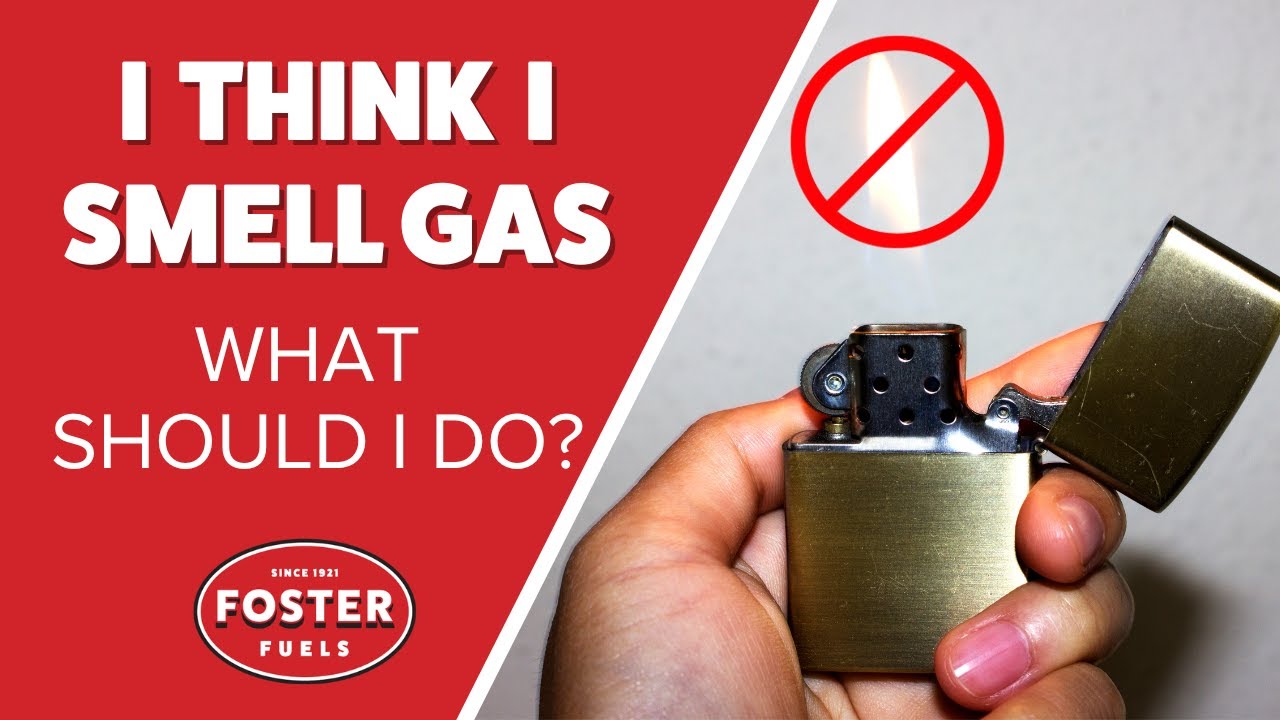
- Never use open flames to check for gas leaks. Use a soapy water solution instead.
- Ventilate the area thoroughly while working.
- Wear safety glasses and gloves to protect yourself.
- Have a carbon monoxide detector installed and working properly.
- Follow all local codes and regulations.
Preventive Maintenance
Regular maintenance can help prevent gas leaks and ensure that your appliances are operating safely and efficiently. Here are some preventive maintenance tips:
- Have your gas appliances inspected annually by a qualified technician.
- Clean your gas stove burners regularly.
- Check your gas appliance connections for leaks periodically.
- Replace flexible gas connectors every few years, or sooner if they show signs of damage.
- Keep the area around your gas appliances clear of clutter.
- Ensure proper ventilation for gas appliances.
By following these preventive maintenance tips, you can help prevent gas leaks and keep your home safe.
Conclusion
Smelling gas can be a frightening experience, but by understanding the potential causes and taking appropriate action, you can protect yourself and your family. Remember, safety is always the top priority. If you suspect a gas leak, evacuate immediately and call your gas company or 911. After the professionals have deemed it safe, you can use the troubleshooting steps outlined in this guide to further investigate the issue. However, don't hesitate to call a qualified technician if you're uncomfortable with any aspect of the repair process or if the problem persists. By being proactive and taking the necessary precautions, you can ensure the safe and efficient operation of your gas appliances.