How To Test A Backflow Preventer

How To Test A Backflow Preventer: Protecting Your Water and Your Wallet
Backflow preventers are unsung heroes in our plumbing systems. They diligently safeguard our drinking water from contamination, but often go unnoticed until something goes wrong. As homeowners and businesses strive for energy efficiency and lower utility bills, understanding the health of these devices is crucial. A malfunctioning backflow preventer can not only pose health risks but can also lead to significant water waste and increased energy consumption. This comprehensive guide will walk you through how to test a backflow preventer, covering everything from basic visual inspections to advanced testing procedures.
Why Test Your Backflow Preventer?
The primary reason to test your backflow preventer is to ensure the safety of your water supply. Backflow occurs when water flows in the reverse direction of its intended path, potentially drawing contaminants into the potable water system. This can happen due to pressure changes, such as a drop in municipal water pressure or a surge in pressure from a private well. Beyond the critical health aspect, regular testing also helps to:
- Prevent Water Waste: A faulty backflow preventer can leak, leading to wasted water and higher water bills.
- Maintain System Efficiency: A properly functioning backflow preventer ensures the efficient operation of your plumbing and HVAC systems.
- Comply with Regulations: Many municipalities and water companies require annual backflow preventer testing to comply with local codes. Failure to comply can result in fines or water service disruption.
- Extend Lifespan: Regular inspections and maintenance can extend the lifespan of your backflow preventer, saving you money on replacements.
Understanding Backflow Preventer Types
Before diving into testing, it's important to identify the type of backflow preventer you have. Common types include:
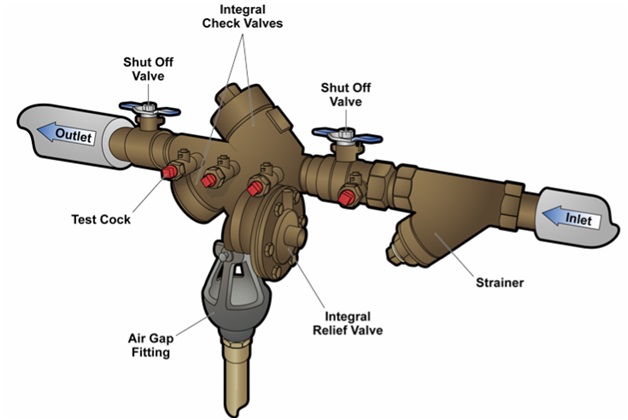
- Reduced Pressure Zone (RPZ) Valves: These offer the highest level of protection and are commonly used in high-hazard situations. They feature two independently acting check valves and a pressure-regulated zone between them.
- Double Check Valve Assemblies (DCVA): These provide good protection against backflow and are suitable for less hazardous applications. They consist of two independently acting check valves.
- Pressure Vacuum Breakers (PVB): These are typically used for irrigation systems and prevent back-siphonage. They are installed above the highest point of the irrigation system.
- Atmospheric Vacuum Breakers (AVB): These are the simplest type of backflow preventer and are also used for irrigation. They are installed at each individual sprinkler head or valve.
The testing procedures vary slightly depending on the type of backflow preventer. The RPZ valve test is the most complex, while AVB testing is the simplest.
Step-by-Step Guide to Basic Visual Inspection
Start with a basic visual inspection. This can be done by anyone and can identify obvious problems.
- Locate the Backflow Preventer: This is usually located where the water line enters your property, often near the water meter. For irrigation systems, it will be near the main water supply valve for the irrigation system.
- Check for Leaks: Look for any signs of water leaking from the valve body, fittings, or connections. Even a small drip can indicate a problem.
- Inspect for Corrosion: Examine the valve body and connections for signs of rust or corrosion. Corrosion can weaken the valve and lead to failure.
- Examine Test Cocks: Check the test cocks (small valves used for testing) for any damage or leaks. Make sure they are securely closed.
- Verify Proper Installation: Ensure the backflow preventer is installed correctly, with the arrow on the valve pointing in the direction of water flow. The *installation must comply with local codes*.
- Document Findings: Keep a record of your inspection, including the date, type of backflow preventer, and any issues observed.
If you find any issues during the visual inspection, it's best to consult with a qualified plumbing professional.
Professional Testing Procedures: RPZ Valves
Testing RPZ valves requires specialized equipment and training. It's best left to certified backflow testers. Here’s an overview of the process:
- Isolation: The tester will first isolate the RPZ valve by closing the shut-off valves on both sides of the device.
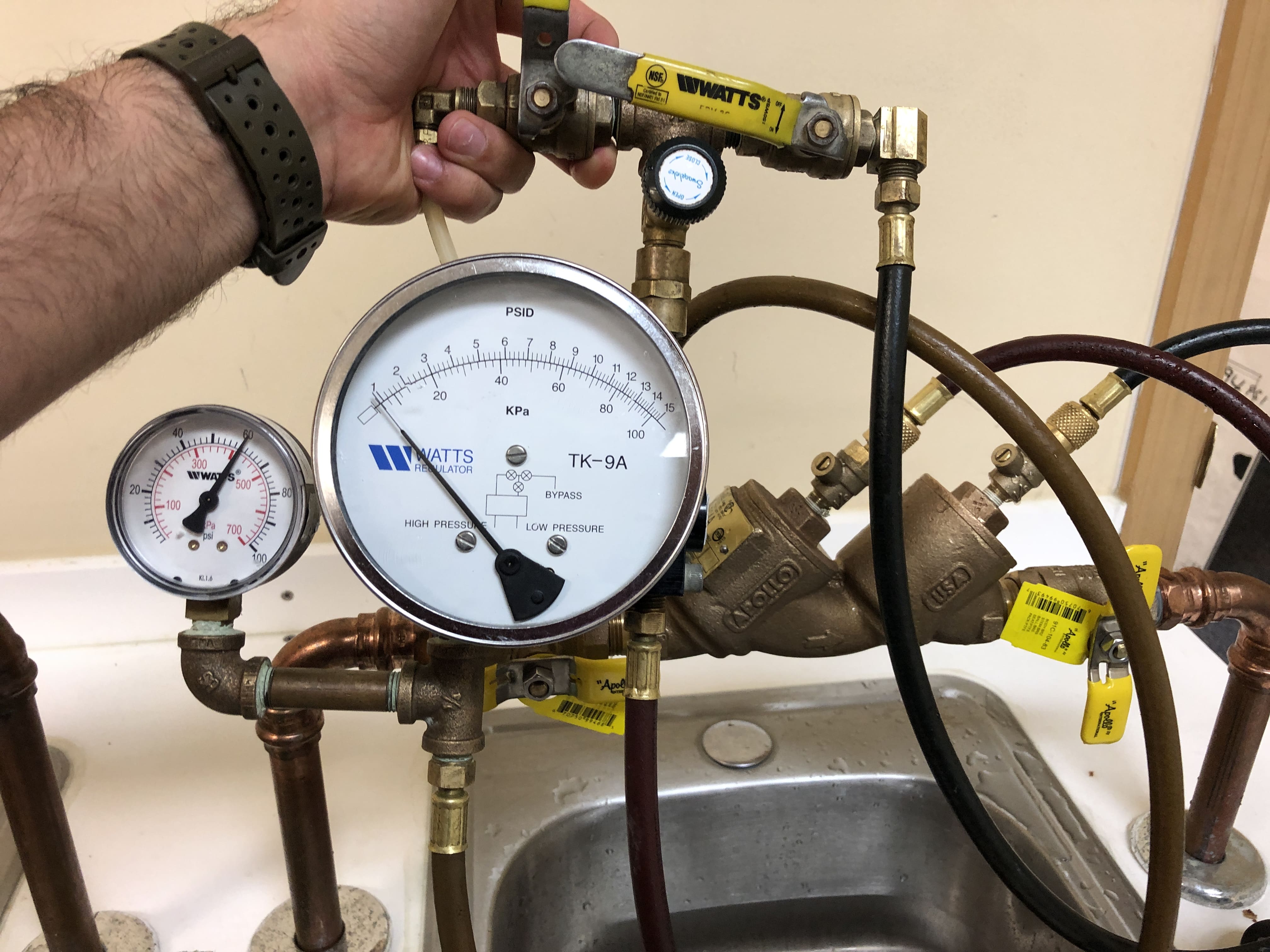
- Relief Valve Test: Using a differential pressure gauge, the tester will measure the pressure difference between the inlet and the reduced pressure zone. If the pressure difference falls below a certain threshold (typically 2 psi), the relief valve should open, indicating that the first check valve is failing.
- First Check Valve Test: The tester will then close the downstream shut-off valve and monitor the pressure in the reduced pressure zone. A drop in pressure indicates that the first check valve is leaking.
- Second Check Valve Test: The tester will then close the upstream shut-off valve and open the downstream shut-off valve. If the pressure in the reduced pressure zone rises, it indicates that the second check valve is leaking.
- Documentation: The tester will record the results of each test and provide you with a report.
It’s important to note that RPZ valves require annual testing to ensure proper operation and compliance with local regulations.
Professional Testing Procedures: Double Check Valve Assemblies (DCVA)
Testing a DCVA is similar to testing an RPZ valve, but it doesn't have a relief valve. Here’s the procedure:
- Isolation: Isolate the DCVA by closing the shut-off valves on both sides.
- First Check Valve Test: Attach a differential pressure gauge to the test cocks. Monitor the pressure drop across the first check valve. Excessive pressure drop indicates leakage.
- Second Check Valve Test: Repeat the process for the second check valve.
- Documentation: Record the results and provide a report.
Testing Pressure Vacuum Breakers (PVB)
PVBs are typically tested by shutting off the water supply and observing the device. If the internal components are functioning correctly, the water should drain out of the device. A qualified tester will also check the air inlet valve to ensure it opens and closes properly.
Testing Atmospheric Vacuum Breakers (AVB)
AVBs are the simplest to test. Simply shut off the water supply and observe the device. The water should drain out. Ensure the vent is clear of debris.
The Role of Smart Technology and Energy Efficiency
Smart home technology is increasingly playing a role in water conservation and leak detection. Smart water sensors can be installed near backflow preventers to detect leaks and alert you to potential problems. Integrating these sensors with a smart home system allows you to monitor water usage and identify anomalies in real-time. This can help you detect a failing backflow preventer early on, preventing water waste and costly repairs. Further integrating smart thermostats, which are *Energy Star* rated, allows for a combined energy and water management approach.
Some smart irrigation controllers also incorporate backflow prevention features and can monitor water flow to detect leaks. These controllers can automatically shut off the water supply if a leak is detected, preventing further damage.
Finding a Qualified Backflow Tester
When choosing a backflow tester, ensure they are certified by a recognized organization, such as the American Society of Sanitary Engineering (ASSE) or a local regulatory agency. Ask for proof of certification and insurance before hiring a tester. Check online reviews and ask for references from previous clients.
Many municipalities maintain a list of certified backflow testers. Contact your local water company or plumbing inspection department for a list of qualified testers in your area.
Cost Considerations and ROI
The cost of backflow preventer testing varies depending on the type of device and the location. A typical test for an RPZ valve can range from $100 to $300. While this may seem like an expense, consider the potential cost savings from preventing water waste, avoiding fines, and extending the lifespan of your plumbing system.
The ROI of regular backflow preventer testing can be significant, especially for businesses with large water usage. Preventing a single backflow incident can save thousands of dollars in water damage, health risks, and legal liabilities.
Furthermore, investing in water-efficient fixtures and appliances can complement backflow prevention efforts. Look for products with the WaterSense label, which indicates that they meet EPA criteria for water efficiency. These products can significantly reduce your water consumption and lower your utility bills.
Government Incentives and Rebates
Many states and municipalities offer incentives and rebates for water conservation measures, including backflow preventer testing and replacement. Check with your local water company or energy efficiency program to see what incentives are available in your area. The *Energy Star* website often lists links to state and local programs that may offer rebates.
These incentives can help offset the cost of testing and maintenance, making it even more cost-effective to protect your water supply and conserve resources. These rebates when combined with smart HVAC controllers offer a significant saving for the home or business owner.
Conclusion
Testing your backflow preventer is a crucial step in protecting your water supply, conserving resources, and saving money. By understanding the different types of backflow preventers, following basic inspection procedures, and hiring a qualified tester when needed, you can ensure the safety and efficiency of your plumbing system. Embracing smart technology and taking advantage of government incentives can further enhance your water conservation efforts and reduce your utility bills. Don't overlook this vital component of your home or business – a healthy backflow preventer is an investment in your health, your wallet, and the environment.