How To Test A Backflow Valve
Why and How to Test Your Backflow Valve: A Comprehensive Guide
Backflow valves, often overlooked, are crucial components in both your HVAC system and your overall plumbing, preventing contaminated water from flowing back into your clean water supply. Testing these valves regularly is essential for maintaining water quality and preventing potential health hazards. This guide provides a step-by-step approach to testing your backflow valve, along with helpful tips and considerations for homeowners, real estate investors, and HVAC professionals.
Understanding Backflow and Its Risks
Backflow occurs when the normal direction of water flow is reversed. This can happen due to pressure changes in the water supply or from siphoning. In HVAC systems, backflow can contaminate the potable water supply with chemicals used for cleaning or corrosion inhibition. In general plumbing, it can introduce sewage, pesticides, or other contaminants into your drinking water. Installing and maintaining a functioning backflow preventer is vital to mitigate these risks.
Preparing to Test Your Backflow Valve
Before you begin, it's important to gather the necessary tools and information. This will ensure a smooth and accurate testing process.
Tools and Materials You'll Need:
- Test Kit: A backflow preventer test kit is essential for accurately measuring pressure differentials. These kits are available for purchase or rent at most plumbing supply stores. Make sure it’s calibrated!
- Screwdrivers: You may need both flathead and Phillips head screwdrivers to access the test ports on the valve.
- Wrenches: Adjustable wrenches can be used to tighten or loosen connections as needed.
- Bucket: To catch any water that may be released during the testing process.
- Safety Glasses: Protect your eyes from splashing water.
- Gloves: Protect your hands.
- Manufacturer's Specifications: Refer to the manufacturer's documentation for your specific backflow valve model. This will provide critical information about testing procedures and acceptable pressure ranges.
Safety Precautions
Safety should always be your top priority when working with plumbing and water systems. Take these precautions:
- Turn Off the Water Supply: Locate the shut-off valve upstream of the backflow preventer and turn it off to prevent water flow during the test.
- Depressurize the System: Open a faucet downstream of the backflow preventer to release any remaining pressure in the system.
- Wear Safety Gear: Always wear safety glasses and gloves to protect yourself from potential hazards.
- Follow Manufacturer's Instructions: Adhere to the manufacturer's instructions for your specific backflow valve model.
Step-by-Step Guide to Testing Your Backflow Valve
This section provides a general procedure for testing a common type of backflow preventer. However, always refer to the manufacturer's instructions for your specific valve model.
Step 1: Identify the Test Ports
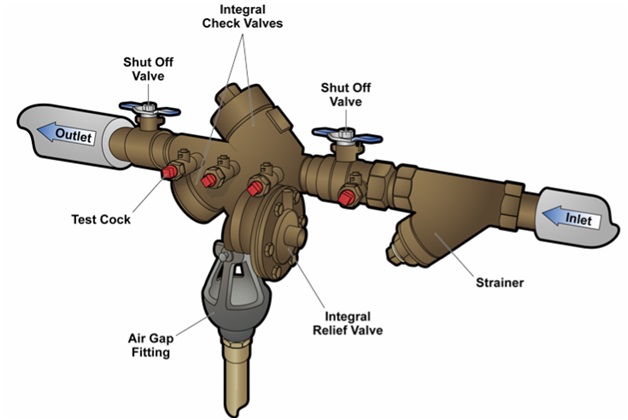
Locate the test ports on the backflow preventer. These are usually small valves or fittings located on the body of the device. They are typically labeled as test cock #1, #2, #3, and #4.
Step 2: Connect the Test Kit
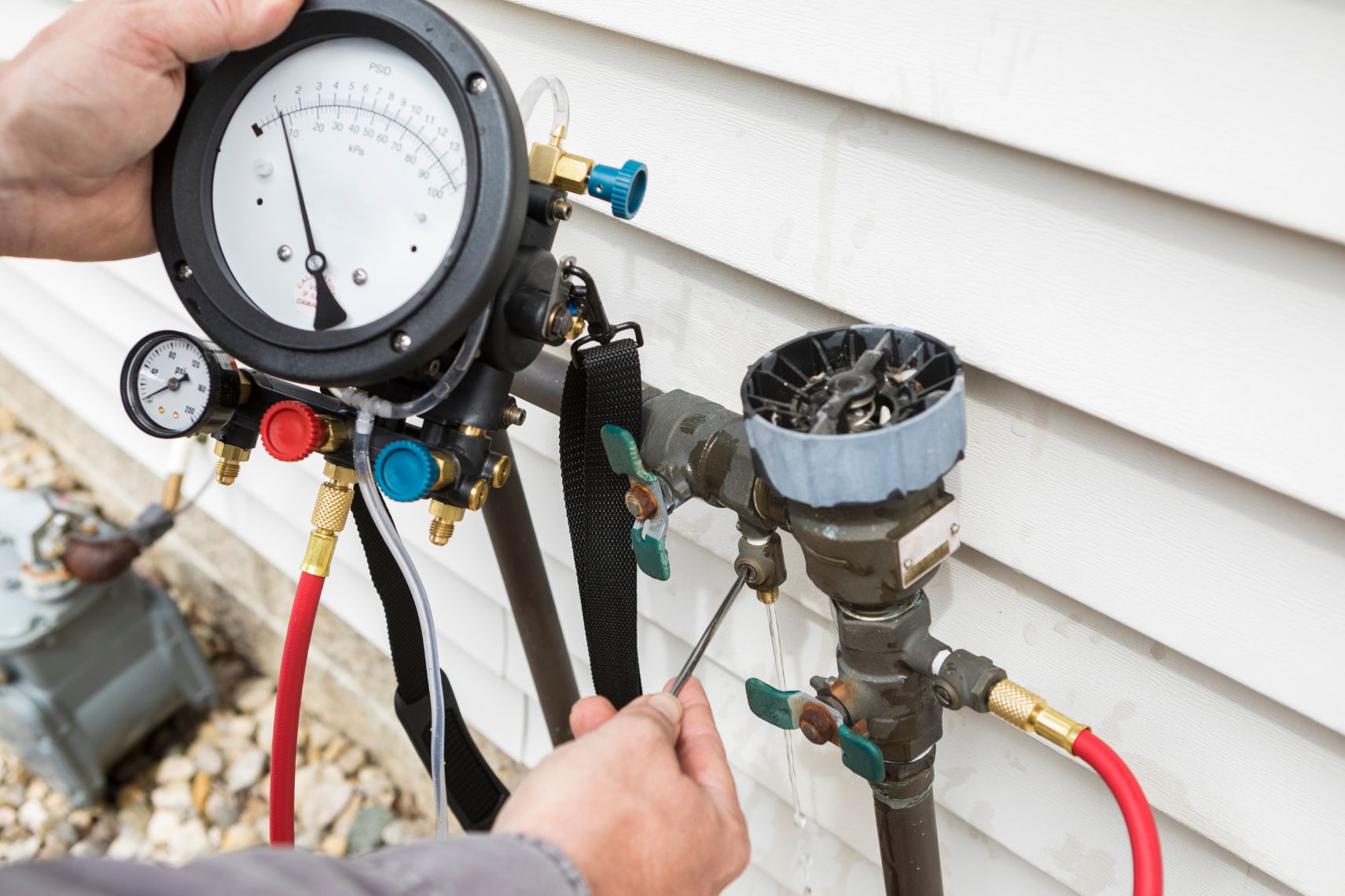
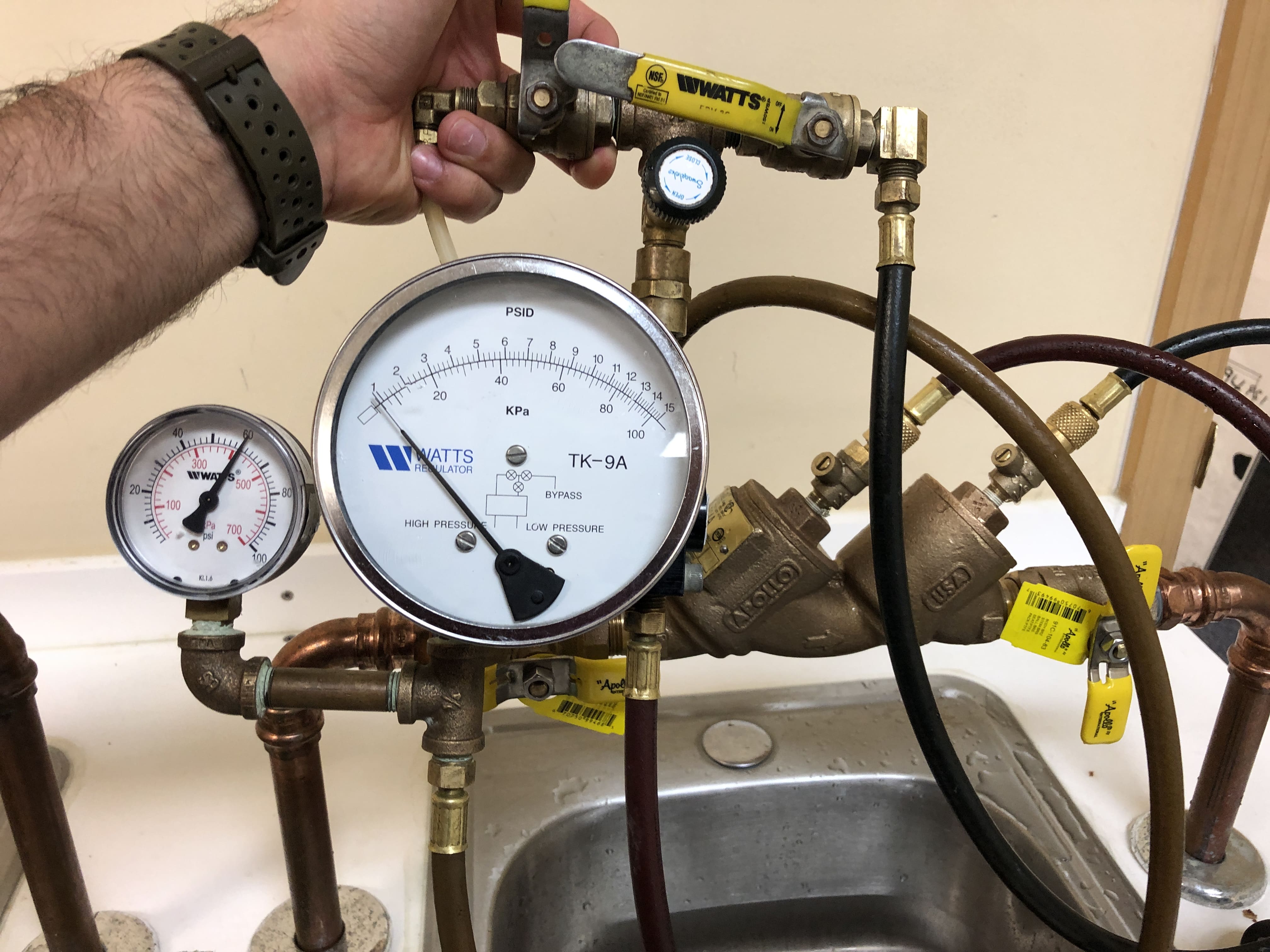
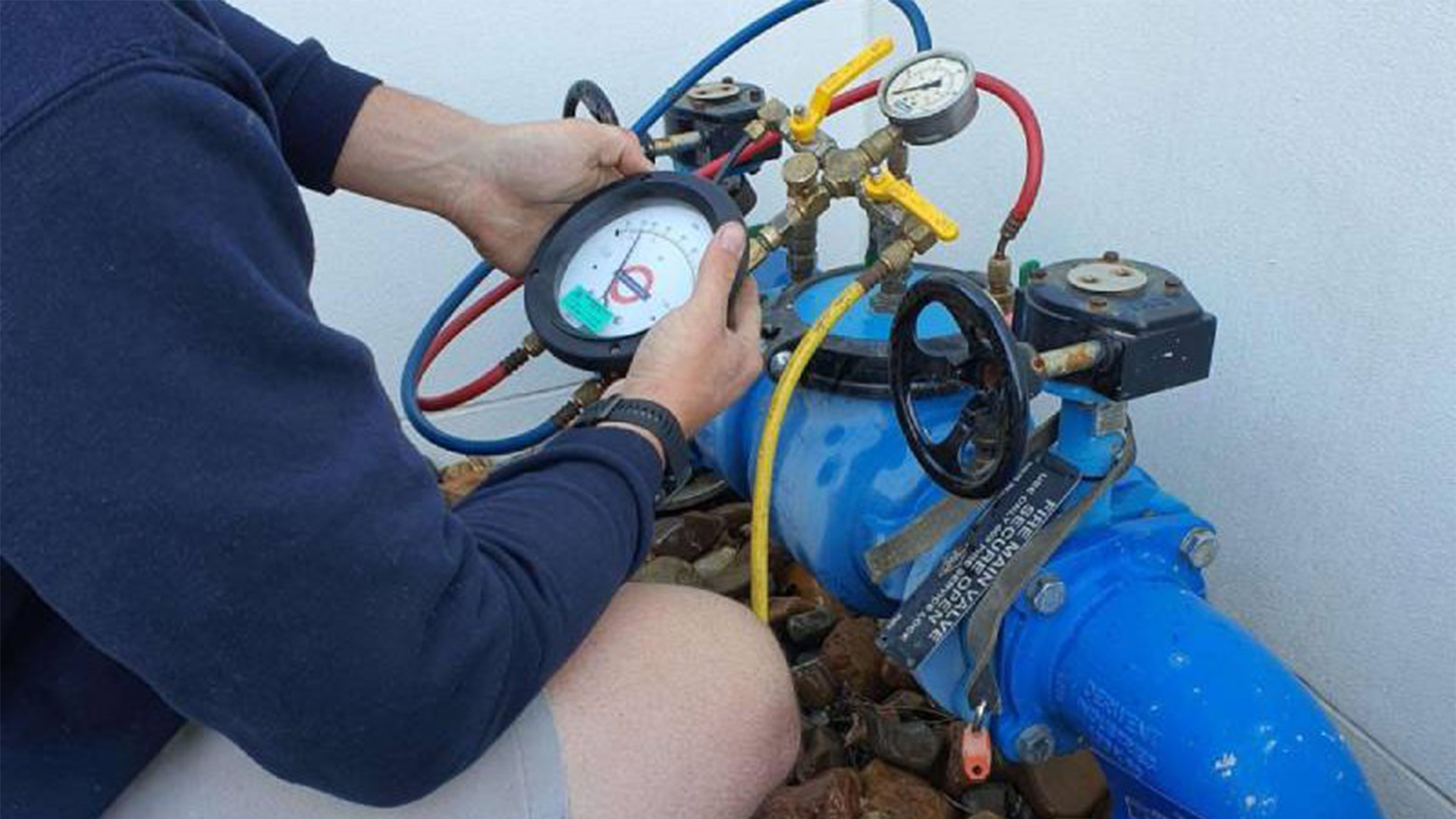
Connect the hoses from your backflow preventer test kit to the corresponding test ports on the valve. Ensure the connections are secure and leak-free.
Step 3: Open the Inlet Shut-off Valve (Slightly)
Slowly open the inlet shut-off valve upstream of the backflow preventer, allowing water to flow into the system. Watch the pressure readings on the test kit gauges.
Step 4: Measure the Pressure Differential
Using the test kit, measure the pressure differential across the check valves within the backflow preventer. The specific procedure for measuring the pressure differential will vary depending on the type of test kit you are using. Refer to the test kit's instructions for guidance.
Step 5: Compare Readings to Manufacturer's Specifications
Compare the pressure readings you obtained to the manufacturer's specifications for your backflow valve model. If the pressure readings are within the acceptable range, the backflow preventer is functioning correctly. If the readings are outside the acceptable range, the backflow preventer may need to be repaired or replaced.
Step 6: Close the Inlet Shut-off Valve
Close the inlet shut-off valve upstream of the backflow preventer.
Step 7: Disconnect the Test Kit
Carefully disconnect the hoses from the test kit from the test ports on the valve. Be prepared for a small amount of water to be released.
Step 8: Restore Water Flow
Slowly open the inlet shut-off valve to restore water flow to the system. Check for leaks around the backflow preventer and the test ports.
Interpreting the Results
Understanding the results of your backflow valve test is crucial for determining whether the device is functioning properly.
Passing Results
A passing result indicates that the pressure differential across the check valves is within the manufacturer's specified range. This means the backflow preventer is effectively preventing backflow and protecting your water supply.
Failing Results
A failing result indicates that the pressure differential across the check valves is outside the manufacturer's specified range. This could be due to a variety of factors, including:
- Dirty or Damaged Check Valves: Debris or corrosion can prevent the check valves from sealing properly.
- Worn-Out Seals: Seals can deteriorate over time, leading to leaks and inaccurate pressure readings.
- Internal Damage: Physical damage to the internal components of the backflow preventer can also cause it to fail.
If your backflow valve fails the test, it's essential to contact a qualified plumbing professional or certified backflow tester for further inspection and repair.
Maintenance and Troubleshooting
Regular maintenance can help prolong the life of your backflow valve and prevent costly repairs.
Regular Inspections
Visually inspect your backflow preventer regularly for signs of leaks, corrosion, or damage. Address any issues promptly.
Cleaning and Flushing
Periodically flush the backflow preventer to remove any debris or sediment that may have accumulated inside. Follow the manufacturer's instructions for proper flushing procedures.
Professional Testing and Certification
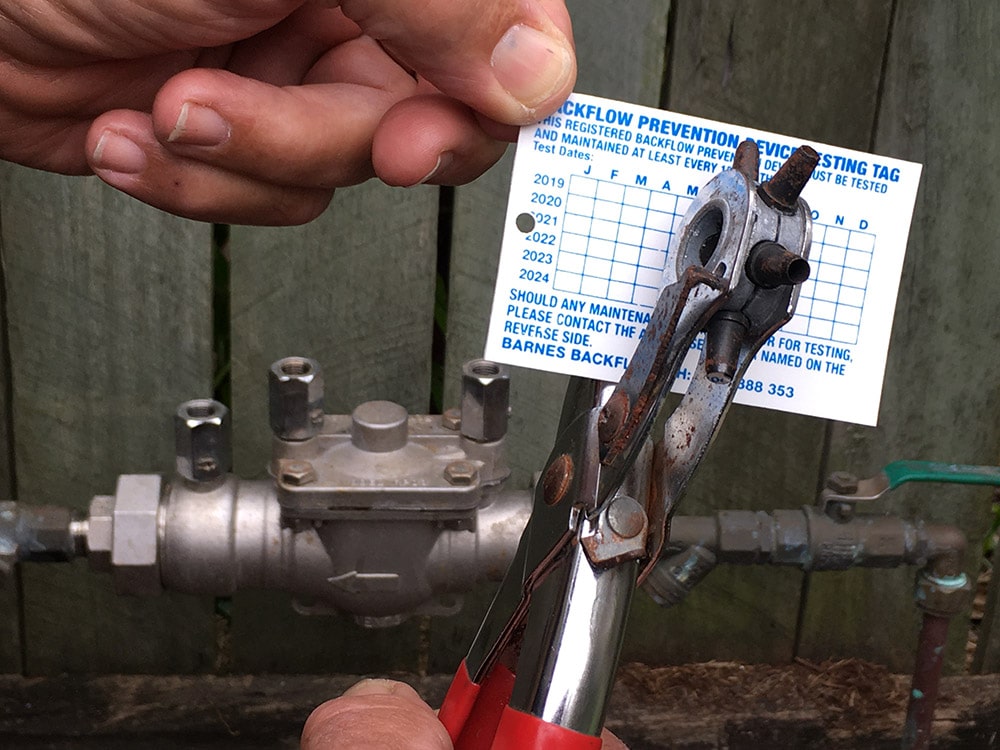
In many jurisdictions, annual testing and certification of backflow preventers are required by law. Contact your local water authority for specific regulations in your area.
When to Call a Professional
While some homeowners may be comfortable performing basic backflow valve testing, it's often best to leave more complex tasks to a qualified professional. Consider calling a plumber or certified backflow tester if:
- You are not comfortable performing the test yourself.
- You do not have the necessary tools or equipment.
- Your backflow valve fails the test.
- You suspect there may be a more serious problem with your plumbing system.
A qualified professional can accurately diagnose and repair any issues with your backflow valve, ensuring the safety and integrity of your water supply.
Backflow Prevention and HVAC Systems
Backflow prevention is particularly important in HVAC systems that utilize water for heating or cooling. These systems often contain chemicals that, if allowed to backflow into the potable water supply, could pose a serious health risk.
Closed-Loop Systems
Many modern HVAC systems utilize closed-loop systems, where the water is recirculated within the system. However, even in closed-loop systems, backflow prevention is necessary to protect against potential cross-contamination.
Chemical Treatment
Chemicals are often added to HVAC water systems to prevent corrosion, scale buildup, and biological growth. These chemicals can be harmful if ingested, so it's crucial to prevent them from backflowing into the potable water supply.
Types of Backflow Preventers Used in HVAC
Several types of backflow preventers are commonly used in HVAC systems, including:
- Reduced Pressure Zone (RPZ) Valves: These are considered the most reliable type of backflow preventer and are often required in high-hazard applications.
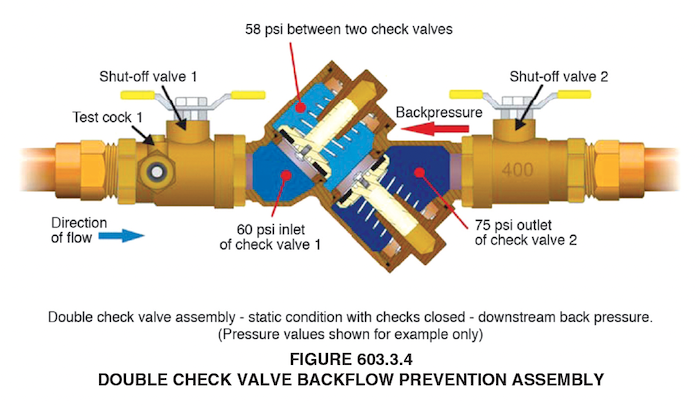
- Double Check Valve Assemblies (DCVA): These are a less expensive option than RPZ valves and are suitable for moderate-hazard applications.
- Pressure Vacuum Breakers (PVB): These are designed to prevent back-siphonage and are often used in irrigation systems and other non-potable water applications.
Conclusion
Testing your backflow valve is a vital step in protecting your water supply and ensuring the safety of your home or business. By following the steps outlined in this guide, you can gain a better understanding of your backflow preventer and identify potential problems before they escalate. Remember to prioritize safety and consult with a qualified professional if you have any concerns. Regular maintenance and testing will help ensure that your backflow valve is functioning properly and providing the protection you need.