How To Test A Flame Rod

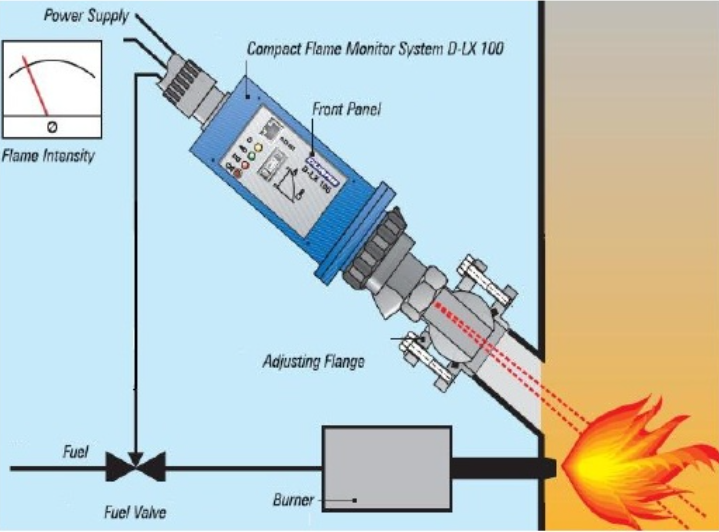
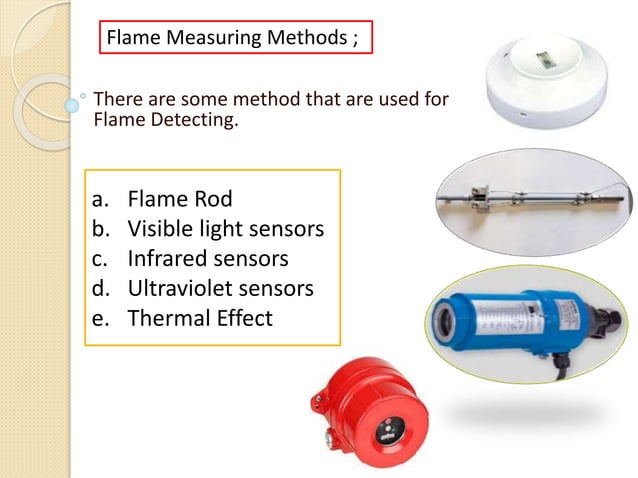
A flame rod, also known as a flame sensor, is a crucial safety component in many gas-fired appliances like furnaces, boilers, and water heaters. Its primary function is to verify the presence of a flame. If the flame is not detected, the flame rod signals the control board to shut off the gas supply, preventing a potentially dangerous buildup of unburnt gas. Understanding how to test a flame rod is therefore essential for maintaining the safety and efficiency of your heating system.
Understanding the Flame Rod's Function
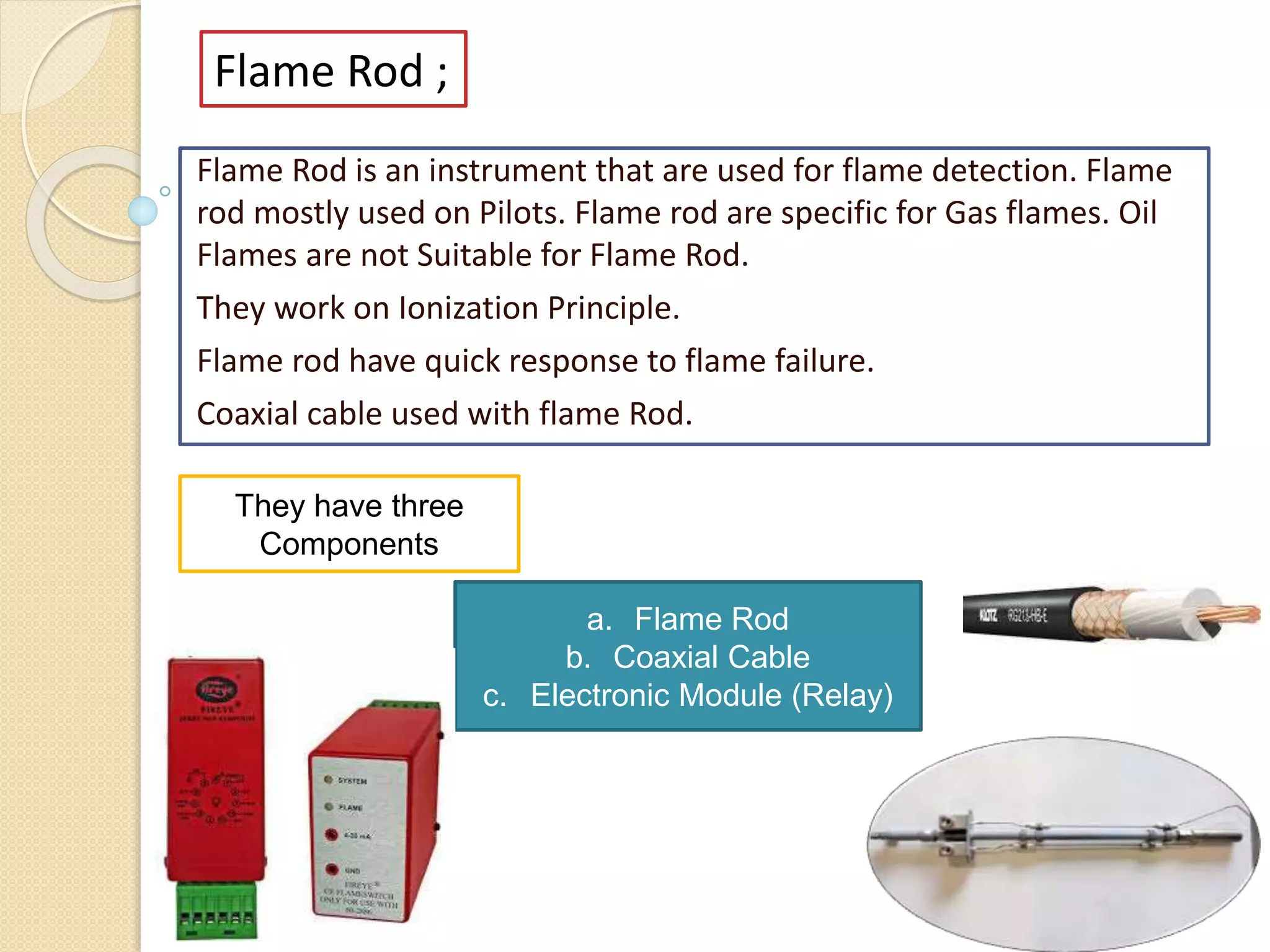
Before diving into testing, let's understand how a flame rod works. The flame rod is typically a thin, metal rod (often made of a high-temperature alloy) positioned near the burner. When the burner ignites, the flame completes an electrical circuit. Here's a breakdown:
- Ionization: When the gas burns, it creates ions – electrically charged particles.
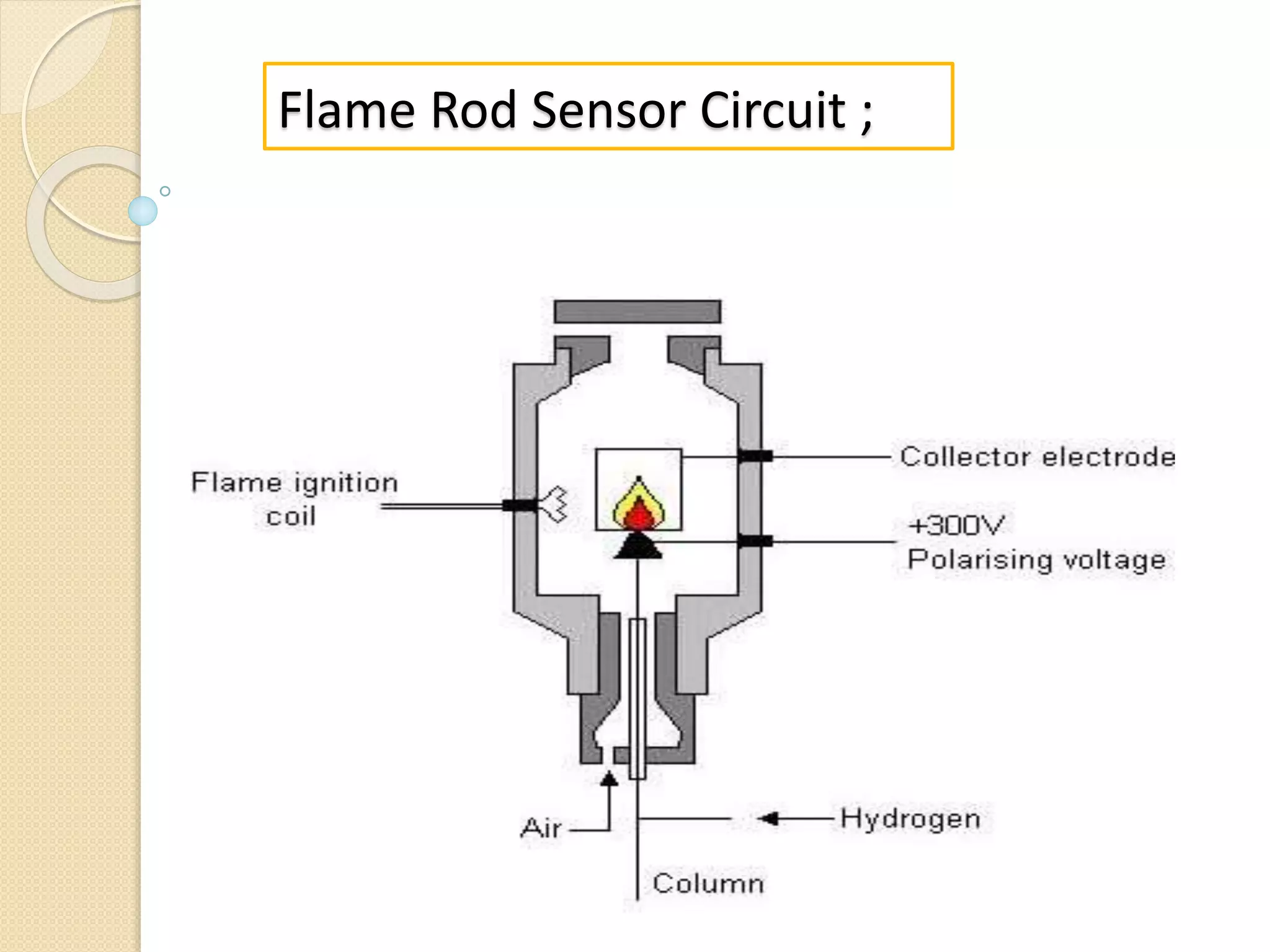
- The Circuit: The flame rod is connected to a low-voltage AC (alternating current) power source, usually through the control board. The burner, grounded to the unit’s chassis, acts as the ground.
- Current Flow: The ions in the flame allow a small AC current to flow from the flame rod, through the flame, to the burner/ground.
- Signal to Control Board: The control board monitors this current. If the current is within a specific range, it confirms the flame's presence and allows the gas valve to remain open. If the current is too low or non-existent, the control board shuts down the gas valve.
Think of it like a simple switch controlled by the flame. The flame completes the circuit, telling the system everything is okay. No flame, broken circuit, and the system shuts down. The amount of current, although very small, is significant.
Safety Precautions
Safety is paramount when working with gas appliances and electricity. Before you begin any testing, take the following precautions:
- Turn off the Power: Disconnect the appliance from its power source. Locate the circuit breaker or disconnect switch and turn it off. Verify the power is off using a non-contact voltage tester.
- Turn off the Gas: Locate the gas shut-off valve for the appliance and turn it off. This is usually located near the appliance on the gas supply line.
- Allow Cooling: Let the appliance cool down completely before working on it. Hot surfaces can cause burns.
- Work in a Well-Ventilated Area: Ensure good ventilation to prevent the buildup of any residual gas.
- Use Appropriate Tools: Use insulated tools designed for electrical work.
- If in Doubt, Call a Professional: If you are uncomfortable performing any of these steps, or if you suspect a more serious problem, contact a qualified HVAC technician.
Tools You'll Need
To test a flame rod effectively, you'll need the following tools:
- Multimeter: A multimeter is essential for measuring voltage, current, and resistance. A digital multimeter (DMM) is recommended for its accuracy and ease of use.
- Screwdrivers: You'll need various screwdrivers (Phillips head and flathead) to remove access panels and disconnect the flame rod.
- Wire Brush or Emery Cloth: To clean the flame rod.
- Non-Contact Voltage Tester: To verify the power is off before working on the appliance.
- Socket Set or Wrenches: Depending on the appliance, you might need sockets or wrenches to remove mounting screws or other components.
- Safety Glasses: To protect your eyes.
- Gloves: To protect your hands.
Testing the Flame Rod: A Step-by-Step Guide
Here's a detailed guide on how to test a flame rod using a multimeter:
1. Visual Inspection
Before using any tools, perform a thorough visual inspection of the flame rod. Look for the following:
- Damage: Check for any cracks, breaks, or burns on the rod itself.
- Corrosion: Look for signs of corrosion or rust on the rod and its connector.
- Debris: Ensure the rod is free from dirt, dust, carbon buildup, or other debris.
- Proper Placement: Verify the rod is positioned correctly in relation to the burner flame. It should be immersed in the flame when the burner is operating.
- Wiring: Check the wiring connected to the flame rod and the control board. Look for loose connections, frayed wires, or signs of damage.
If you find any obvious damage, the flame rod likely needs to be replaced.
2. Cleaning the Flame Rod
Even if the flame rod appears undamaged, it might be coated with a layer of contaminants that impede its ability to conduct current. Cleaning the rod is a crucial step.
- Disconnect the Flame Rod: Carefully disconnect the wire leading to the flame rod. Note its original position for reassembly.
- Clean the Rod: Use a wire brush or emery cloth to gently clean the surface of the flame rod. Remove any carbon buildup, corrosion, or other debris. Be careful not to damage the rod.
- Reinstall the Flame Rod: Reconnect the wire to the flame rod, ensuring a secure connection. Make sure the flame rod is correctly positioned near the burner.
3. Testing the Flame Rod with a Multimeter (Standing Current Test)
This test measures the current flowing through the flame rod while the appliance is operating. This test requires the appliance to be running, so extreme caution is necessary. If you are uncomfortable with this step, consult a qualified technician.
- Reconnect Power and Gas: Carefully restore power and gas to the appliance.
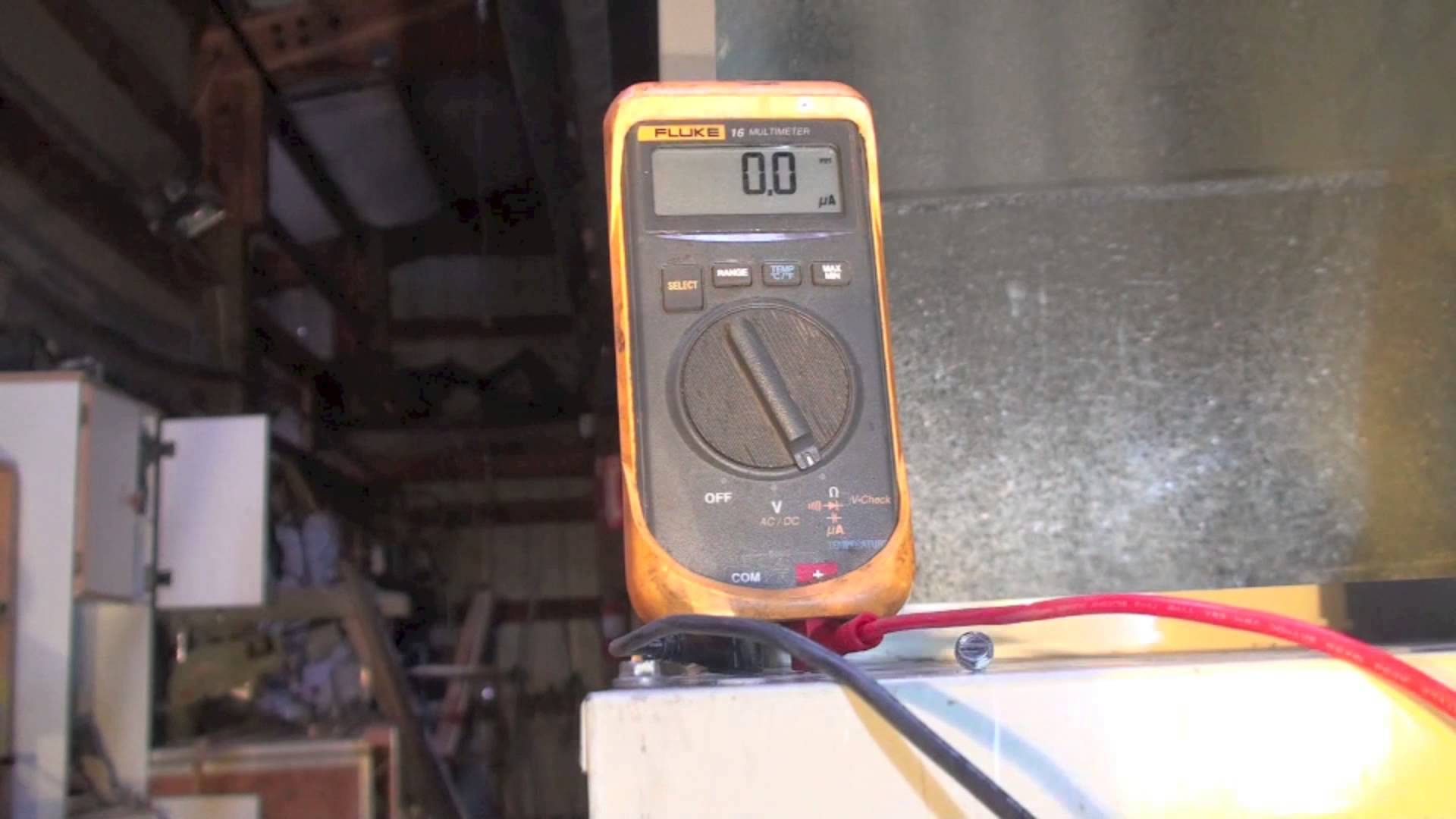
- Set the Multimeter: Set your multimeter to measure AC microamps (µA). The exact setting may vary depending on your multimeter model. Consult your multimeter's manual for instructions.
- Connect the Multimeter: Connect one lead of the multimeter to the flame rod wire and the other lead to the flame rod terminal on the control board. You may need to use alligator clips to make a secure connection.
- Start the Appliance: Turn on the appliance and allow it to go through its normal ignition sequence.
- Observe the Reading: Once the burner is lit and the flame is stable, observe the reading on the multimeter. The acceptable current range varies depending on the appliance manufacturer, but it's generally between 1 and 10 microamps. Consult the appliance's service manual for the specific recommended range.
- Interpret the Results:
- Acceptable Reading: If the current reading is within the specified range, the flame rod is likely functioning correctly.
- Low Reading: A low reading (below the specified range) indicates a weak flame signal. This could be due to a dirty or corroded flame rod, a weak flame, or a problem with the control board.
- No Reading: A reading of zero indicates that no current is flowing through the flame rod. This could be due to a faulty flame rod, a problem with the wiring, or a problem with the control board.
- Turn off the Appliance: Once you have obtained your reading, turn off the appliance, disconnect the multimeter, and restore the wiring to its original configuration. Turn off the power and gas again.
4. Testing the Flame Rod Wire and Connection
Sometimes, the issue isn't the flame rod itself, but the wiring connecting it to the control board. Check the wire for continuity using your multimeter.
- Disconnect the Wire: Disconnect the wire from both the flame rod and the control board.
- Set the Multimeter: Set your multimeter to the continuity setting (often indicated by a diode symbol or an audible beep).
- Test for Continuity: Touch one probe of the multimeter to one end of the wire and the other probe to the other end.
- Interpret the Results:
- Continuity: If the multimeter beeps or displays a low resistance reading (close to zero ohms), the wire has continuity and is not broken.
- No Continuity: If the multimeter does not beep or displays a high resistance reading (infinite ohms), the wire is broken and needs to be replaced.
- Inspect Connections: Ensure that the connections at both ends of the wire are clean and secure. Clean corroded connections with a wire brush.
Troubleshooting Common Issues
Here are some common issues related to flame rods and how to troubleshoot them:
- Flame Rod Dirty or Corroded: Clean the flame rod thoroughly. If corrosion is severe, consider replacing it.
- Weak Flame: A weak or unstable flame can cause a low current reading. Check the gas pressure and the burner for any obstructions.
- Incorrect Flame Rod Placement: Ensure the flame rod is properly positioned in the flame.
- Faulty Wiring: Check the wiring for damage or loose connections. Repair or replace any damaged wires.
- Grounded Flame Rod: Ensure the flame rod is not touching any metal parts of the appliance, as this can create a short circuit.
- Faulty Control Board: If you have ruled out all other possibilities, the control board may be faulty. This requires professional diagnosis and repair.
When to Call a Professional
While this guide provides instructions for testing a flame rod, there are situations where it's best to call a qualified HVAC technician:
- You are uncomfortable working with gas or electricity.
- You suspect a more serious problem with the appliance, such as a gas leak or a faulty control board.
- You have replaced the flame rod and the problem persists.
- You are not familiar with the operation of gas appliances.
Always prioritize safety. Working with gas appliances can be dangerous, and improper repairs can lead to serious consequences.
Conclusion
Testing a flame rod is a valuable skill for homeowners and DIY enthusiasts. By following these steps, you can diagnose and resolve many common issues related to flame sensing. Remember to prioritize safety, use the proper tools, and consult a professional when needed. Regular maintenance and testing of your flame rod can help ensure the safe and efficient operation of your gas-fired appliances.