How To Test For Natural Gas Leak

Natural gas is a common and efficient energy source used in many homes for heating, cooking, and hot water. However, it’s also highly flammable and potentially dangerous if leaks occur. Detecting and addressing a gas leak promptly is crucial for the safety of your home and family. This guide provides a comprehensive overview of how to test for natural gas leaks, enabling you to take proactive steps and seek professional help when needed.
Understanding Natural Gas and its Dangers
Natural gas is primarily composed of methane, which is odorless and colorless in its natural state. To make leaks easily detectable, gas companies add a chemical called mercaptan. This chemical produces a distinctive rotten egg or sulfur-like smell. If you smell this odor in or around your home, it’s a strong indication of a potential gas leak.
Ignoring a gas leak can lead to serious consequences:
- Fire and Explosion: Natural gas is highly flammable. Even a small spark can ignite it, leading to a fire or explosion.
- Carbon Monoxide Poisoning: Incomplete combustion of natural gas can produce carbon monoxide (CO), a colorless and odorless gas. CO poisoning can cause flu-like symptoms, loss of consciousness, and even death.
- Asphyxiation: High concentrations of natural gas can displace oxygen in the air, leading to asphyxiation.
Recognizing the Signs of a Gas Leak
Besides the distinctive smell, there are other signs that may indicate a gas leak. Be vigilant and pay attention to the following:
- Hissing or Whistling Sounds: Listen for unusual hissing or whistling sounds near gas lines or appliances. This could indicate gas escaping from a damaged pipe or connection.
- Dead or Dying Vegetation: If you notice a patch of dead or dying grass or plants near a buried gas line, it could be a sign of a leak. Gas can displace oxygen in the soil, harming vegetation.
- Bubbles in Water: If you see bubbles continuously rising to the surface of standing water (puddles, ponds, or even a bird bath) near a gas line, it could indicate gas seeping into the water.
- Physical Symptoms: Unexplained symptoms such as headaches, dizziness, nausea, fatigue, or breathing difficulties, especially if they subside when you leave the house, could be related to a gas leak.
DIY Testing Methods for Gas Leaks
While professional gas leak detection is always recommended, you can perform some simple DIY tests to check for potential leaks:
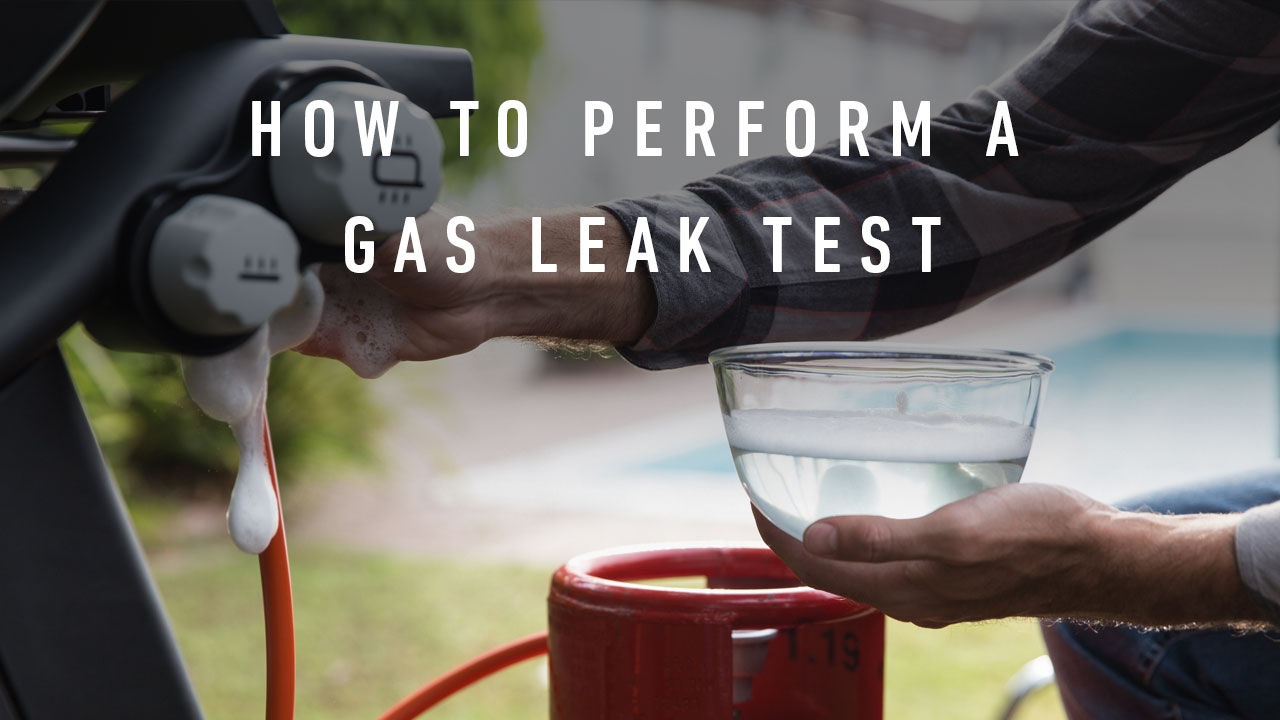
The Soapy Water Test
This is a simple and effective method for identifying leaks in exposed gas pipes and connections. You will need:
- Dish soap
- Water
- Spray bottle or sponge
Instructions:
- Mix a solution of equal parts dish soap and water in a spray bottle or bucket.
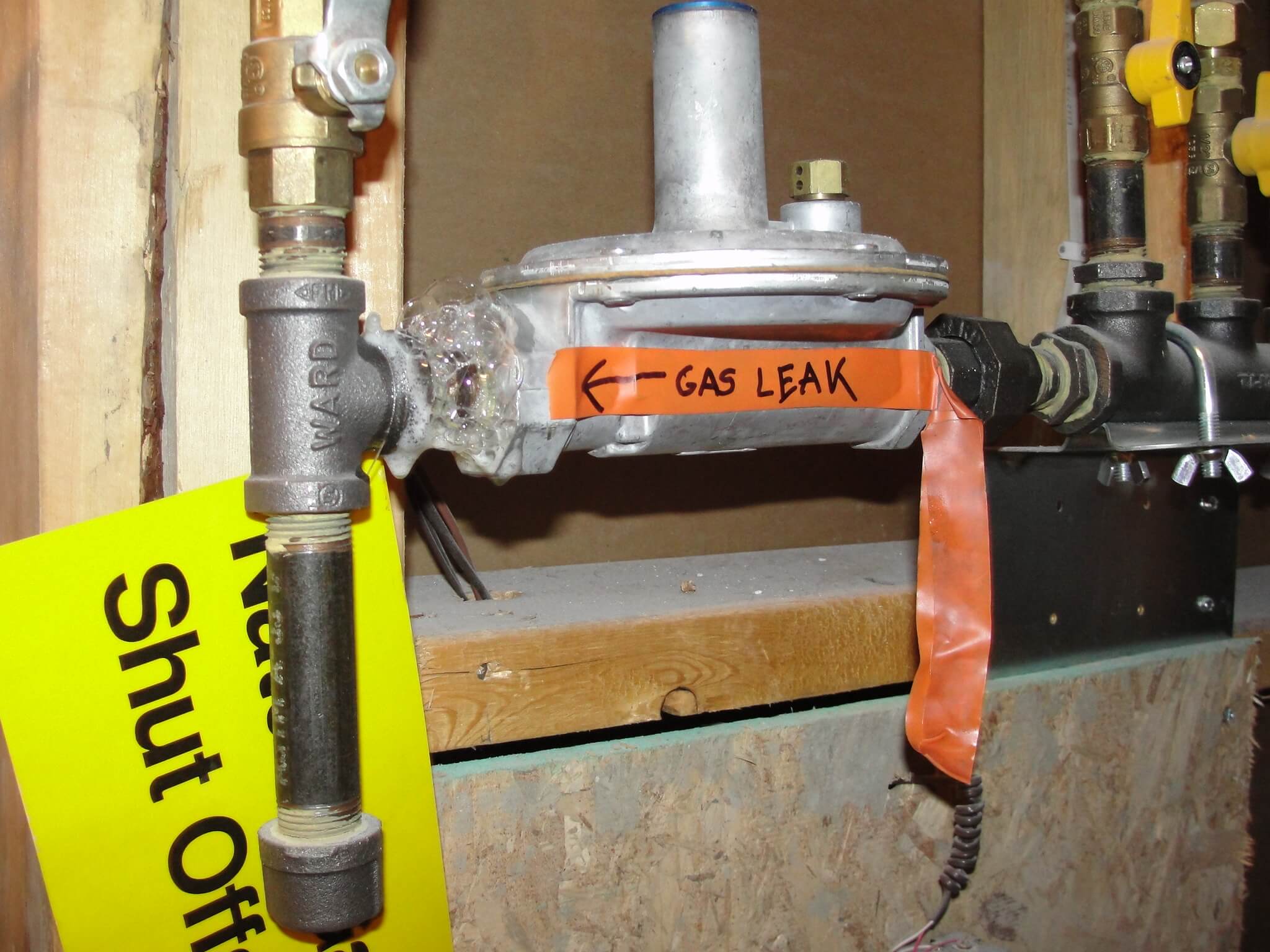
- Apply the soapy water liberally to gas pipes, connections, and fittings.
- Watch closely for bubbles to form. Even small bubbles indicate a gas leak.
- Pay particular attention to joints, valves, and areas where pipes connect to appliances.
Important Considerations:
- Safety First: Never use a flame to check for gas leaks.
- Thoroughness: Apply the soapy water generously to ensure complete coverage.
- Documentation: If you find a leak, take a photo or video to show the gas company or plumber.
Checking Appliance Connections
Gas appliances like stoves, water heaters, and furnaces are common sources of gas leaks. Regularly inspect the connections to these appliances:
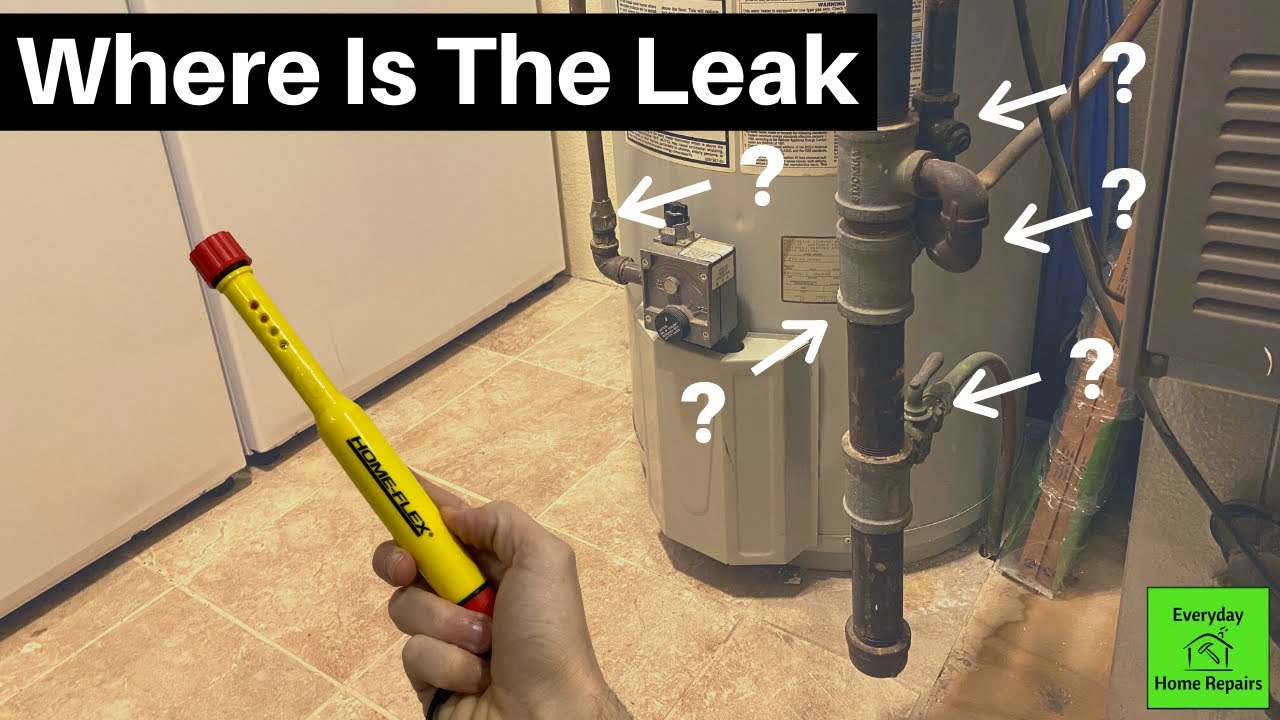
- Visually inspect the gas line connections to your appliances for any signs of damage, corrosion, or loose fittings.
- Use the soapy water test described above to check for leaks around the connections.
- Ensure that the flexible gas lines connecting to appliances are in good condition and not kinked or damaged.
Pro Tip: Schedule regular maintenance for your gas appliances by a qualified technician. They can identify and address potential issues before they become serious leaks.
When to Call a Professional
While DIY testing can help identify potential leaks, it is crucial to contact a qualified professional for gas leak detection and repair in the following situations:
- Strong Gas Odor: If you smell a strong gas odor, especially if it's persistent, evacuate the premises immediately and call the gas company or emergency services from a safe location.
- Multiple Suspected Leaks: If you find multiple potential leaks during your DIY testing, it's best to leave the diagnosis and repair to the professionals.
- Uncertainty: If you are unsure about the severity of a potential leak or uncomfortable performing DIY tests, call a qualified professional.
- Underground Leaks: Suspect an underground leak (dead vegetation, bubbles in water) - *never* attempt to dig or investigate. Contact your gas company immediately.
Who to Contact:
- Your Local Gas Company: Your gas company is equipped to handle gas leak emergencies and has trained technicians to locate and repair leaks.
- Licensed Plumber: A licensed plumber with experience in gas line repairs can also diagnose and fix gas leaks.
- Emergency Services: In a severe emergency, such as a strong gas odor or suspected explosion risk, call 911 or your local emergency services immediately.
Professional Gas Leak Detection Methods
Professional gas leak detection services use specialized equipment and techniques to pinpoint the source of gas leaks accurately:
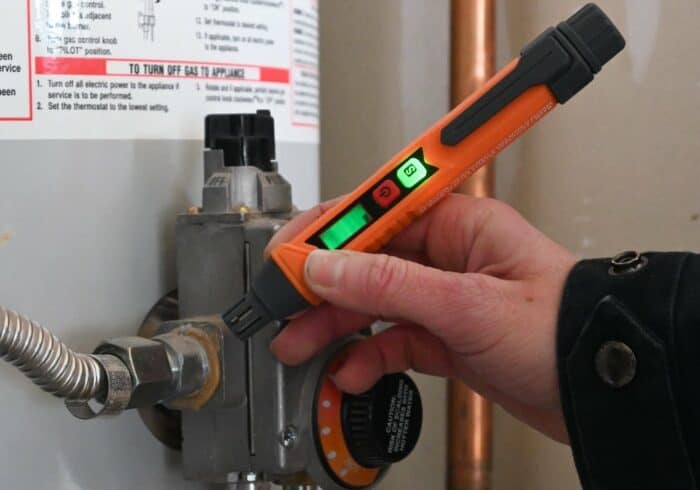
- Electronic Gas Leak Detectors: These devices are highly sensitive and can detect even trace amounts of gas in the air. Technicians use these to scan suspected areas.
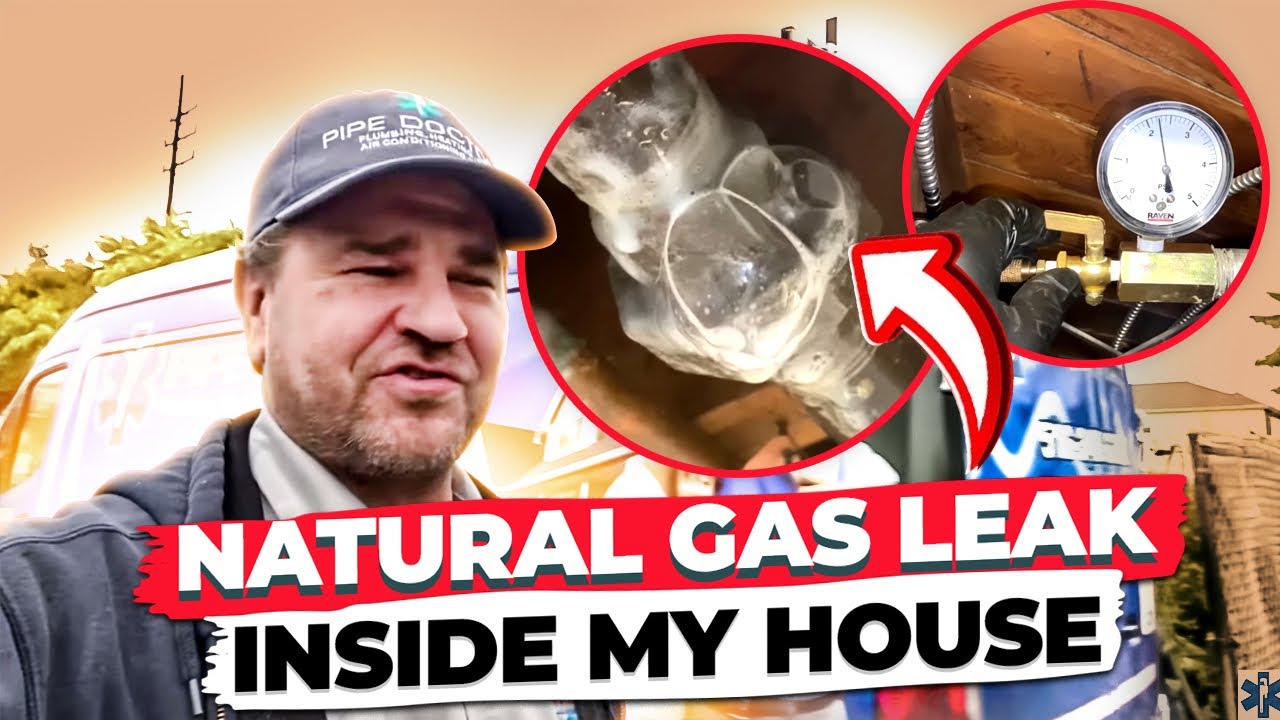
- Pressure Testing: This involves isolating sections of the gas piping system and testing them for pressure drops, which indicate a leak.
- Infrared Cameras: These cameras can detect temperature differences caused by escaping gas, making it possible to identify leaks that are difficult to find visually.
- Soap Bubble Solution (Larger Scale): Professionals often use specialized soap solutions and application methods for a more thorough check, especially on buried lines.
Preventing Gas Leaks
Taking proactive steps can help prevent gas leaks and ensure the safety of your home:
- Regular Appliance Maintenance: Schedule annual maintenance for your gas appliances by a qualified technician.
- Proper Installation: Ensure that all gas appliances are installed correctly by a licensed professional.
- Ventilation: Provide adequate ventilation for gas appliances to prevent carbon monoxide buildup.
- Carbon Monoxide Detectors: Install carbon monoxide detectors on every level of your home, especially near sleeping areas. Test them regularly and replace the batteries as needed.
- Protect Gas Lines: Be careful when digging near buried gas lines. Contact your gas company before digging to locate underground utilities.
- Promptly Repair Damage: Address any signs of damage or corrosion to gas pipes and connections immediately.
- Be Aware of Construction: If there is construction or digging happening near your property, be extra vigilant for gas odors, as construction activities can sometimes damage gas lines.
Responding to a Suspected Gas Leak
If you suspect a gas leak, take the following steps immediately:
- Evacuate: Get everyone out of the house or building immediately.
- Do Not Use Electrical Devices: Do not use light switches, telephones, cell phones, or any other electrical devices, as they could create a spark.
- Open Windows and Doors: Open windows and doors to ventilate the area.
- Turn Off the Gas Supply: If you know where the main gas shut-off valve is and it is safe to access, turn it off.
- Call for Help: From a safe location away from the building, call your gas company or emergency services.
- Stay Away: Do not return to the building until it has been declared safe by qualified professionals.
Conclusion
Detecting and addressing gas leaks promptly is essential for the safety and well-being of your family and home. By understanding the signs of a gas leak, performing simple DIY tests, and knowing when to call a professional, you can take proactive steps to prevent gas-related incidents. Remember, when in doubt, always err on the side of caution and contact your gas company or emergency services. Your safety is paramount.