How To Test Humidity In Room

Maintaining proper humidity levels in your home is crucial for comfort, health, and preventing damage to your property. Too much humidity can lead to mold growth and uncomfortable stickiness, while too little can cause dry skin, irritated sinuses, and damage to wooden furniture. Knowing how to test humidity in a room is the first step toward creating a healthier and more comfortable living environment. This guide will walk you through various methods for assessing humidity levels, from simple DIY techniques to using advanced digital tools.
Why Test Humidity Levels?
Understanding the humidity in your home allows you to take proactive measures to optimize your indoor air quality. The ideal relative humidity range is between 30% and 50%. Staying within this range can:
- Prevent mold and mildew growth
- Reduce allergens and dust mites
- Minimize respiratory problems
- Protect wooden furniture and musical instruments
- Increase comfort and energy efficiency
For homeowners upgrading their HVAC systems, understanding your existing humidity levels helps you choose the right system with dehumidification or humidification features. Real estate investors can assess potential moisture issues in properties, and contractors can use this information to advise clients on the best HVAC solutions.
DIY Methods for Testing Humidity
Before investing in expensive equipment, try these simple methods to get a general sense of the humidity in your room:
The Ice Cube Test
This method provides a rough estimate of relative humidity. Here's how to perform it:
- Place a few ice cubes in a glass.
- Let the glass sit in the room for about 5 minutes.
- Observe the outside of the glass.
Interpretation:
- If condensation forms quickly and runs down the glass, the humidity is likely high.
- If condensation forms slowly, the humidity is moderate.
- If no condensation forms, the humidity is low.
Limitations: This method is subjective and not very accurate. It only gives a general idea of humidity levels.
Observe Physical Indicators
Pay attention to signs of high or low humidity in your home. These include:
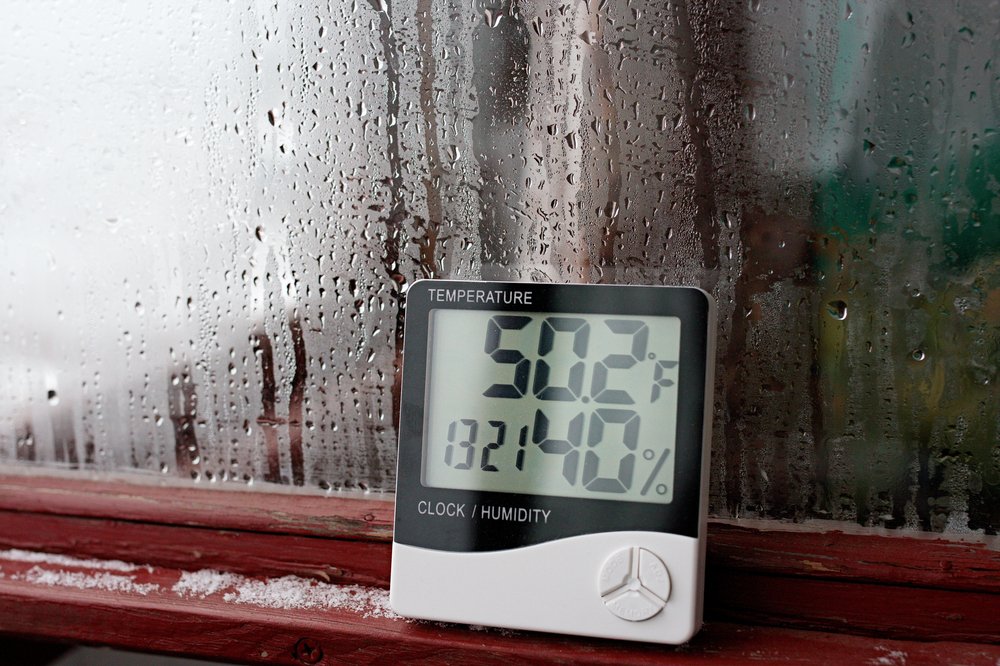
- High Humidity: Mold growth, musty odors, condensation on windows, sticky or clammy feeling air.
- Low Humidity: Static electricity, dry skin, cracked wood furniture, shrinking doors and window frames.
These observations can provide clues about your home's humidity levels, but they should be confirmed with more accurate testing methods.
Using a Hygrometer (Humidity Meter)
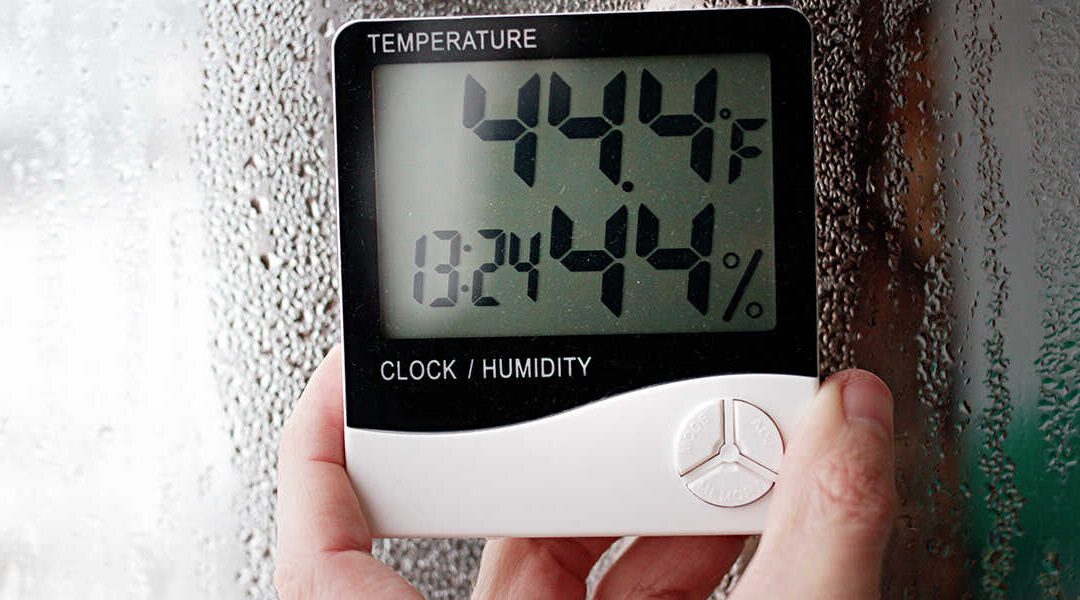
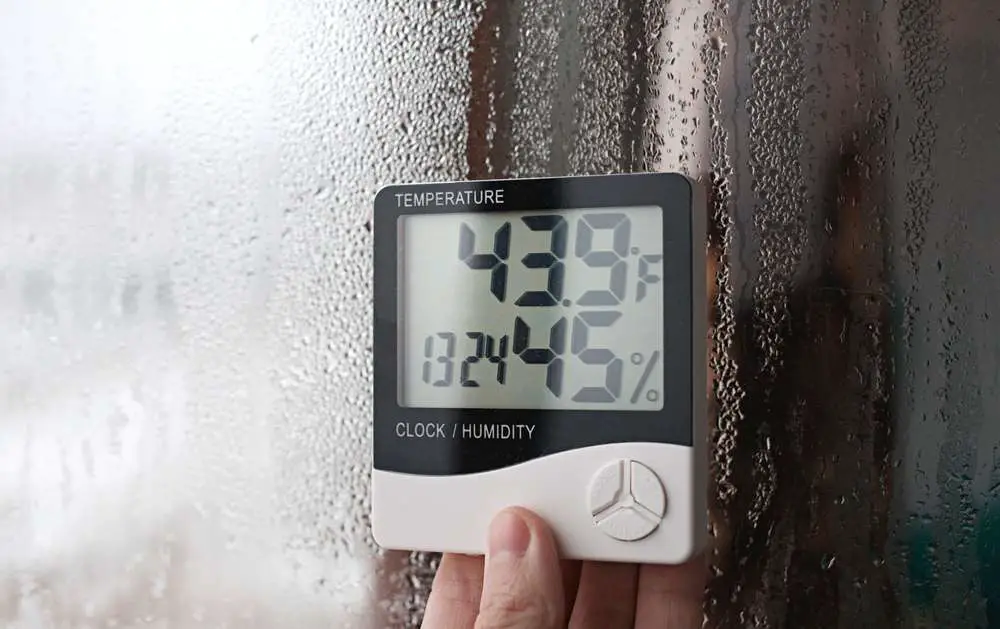
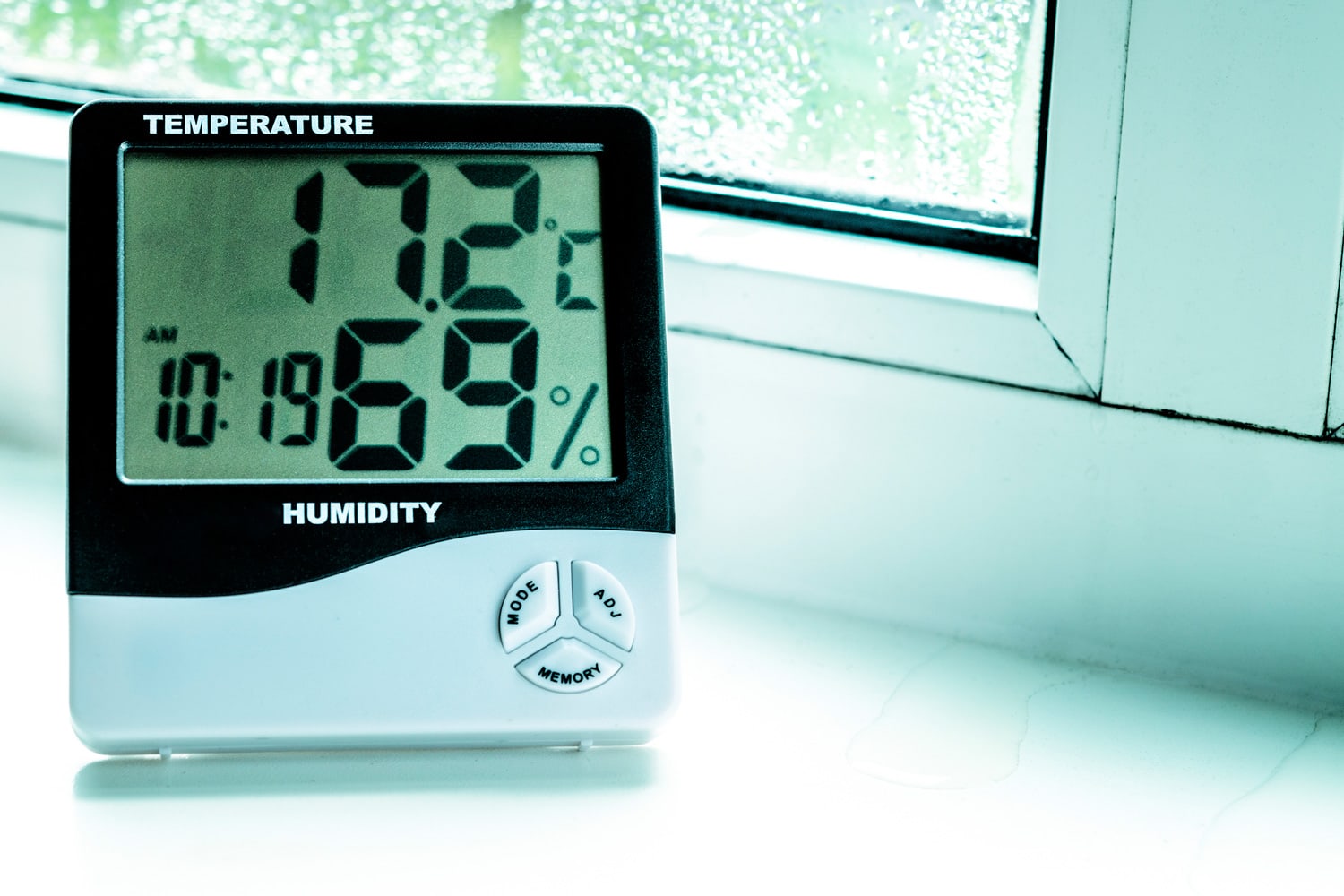
A hygrometer is a device specifically designed to measure humidity levels. It provides a more accurate and reliable reading than DIY methods. There are two main types:
- Analog Hygrometers: These use a mechanical mechanism to display humidity levels. They are generally less expensive but can be less accurate and require calibration.
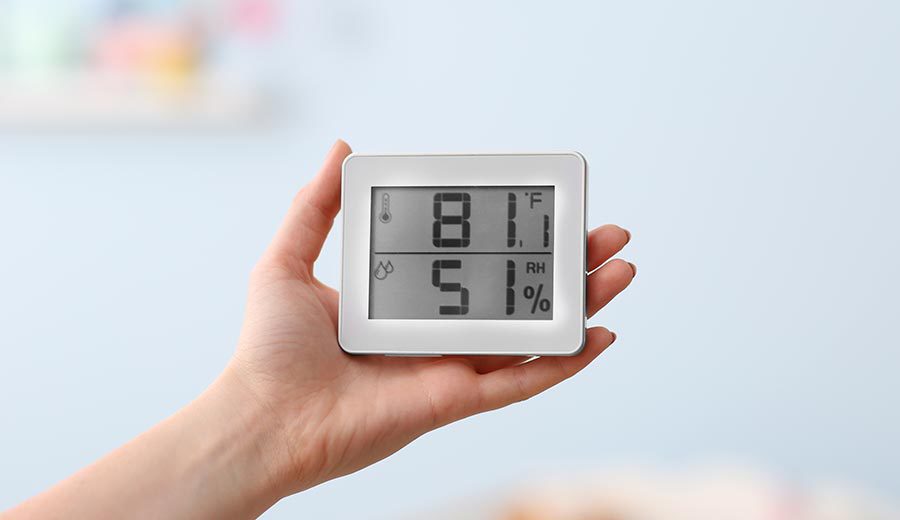
- Digital Hygrometers: These use electronic sensors to measure humidity and display the reading on a digital screen. They are more accurate, easier to read, and often include additional features like temperature readings and data logging.
How to Use a Hygrometer
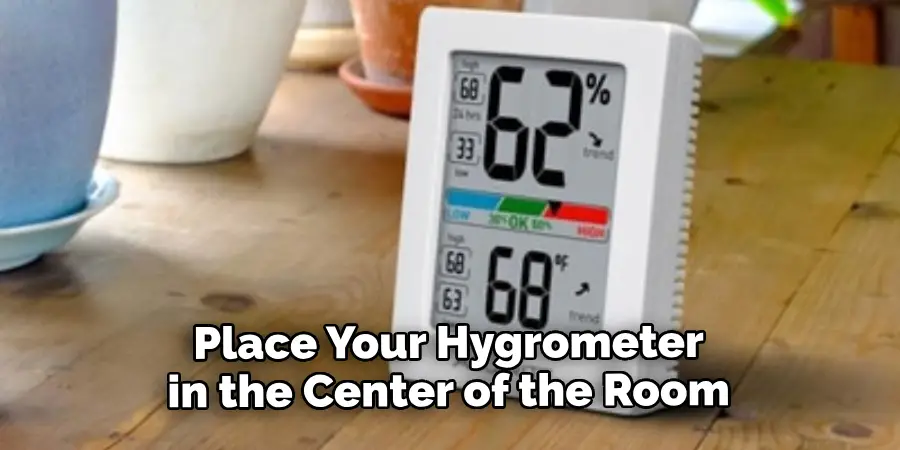
- Place the hygrometer in the room you want to test. Avoid placing it near direct sunlight, vents, or doorways, as these can affect the reading.
- Wait for at least 20-30 minutes for the hygrometer to stabilize and provide an accurate reading.
- Record the humidity level displayed on the hygrometer.
- Repeat the test in different areas of your home to get a comprehensive understanding of humidity levels.
Choosing a Hygrometer: Key Features
When selecting a hygrometer, consider the following features:
- Accuracy: Look for a hygrometer with an accuracy of +/- 5% RH (Relative Humidity) or better.
- Range: Ensure the hygrometer can measure humidity within the range you need (typically 0-100% RH).
- Display: Choose a model with a clear, easy-to-read display.
- Additional Features: Some hygrometers offer features like temperature readings, minimum/maximum humidity recording, and data logging.
- Calibration: Digital hygrometers are generally pre-calibrated, but some models allow for manual calibration. Analog hygrometers often require calibration.
Popular Hygrometer Brands and Models
- AcuRite: Offers a range of affordable digital hygrometers with accurate readings and additional features like temperature displays.
- ThermoPro: Known for its accurate and reliable digital hygrometers with remote sensor options for monitoring multiple locations.
- Ambient Weather: Offers professional-grade weather stations and hygrometers with advanced features like data logging and wireless connectivity.
Addressing Humidity Issues with HVAC Systems
If your humidity levels are consistently outside the ideal range (30-50%), you may need to consider upgrading or adjusting your HVAC system.
Dehumidifiers
Dehumidifiers remove excess moisture from the air, reducing humidity levels. They are particularly useful in areas with high humidity, such as basements and bathrooms.
- Whole-House Dehumidifiers: Integrated into your HVAC system to dehumidify the entire home. These are more expensive but offer consistent and efficient humidity control.
- Portable Dehumidifiers: Suitable for individual rooms or smaller areas. These are more affordable but require emptying the water tank regularly.
HVAC Considerations: When purchasing a new HVAC system, consider models with integrated dehumidification features. These systems offer superior humidity control and energy efficiency. Look for systems with a high SEER (Seasonal Energy Efficiency Ratio) rating for cooling and dehumidification.
Humidifiers
Humidifiers add moisture to the air, increasing humidity levels. They are beneficial in dry climates or during the winter months when heating systems can dry out the air.
- Whole-House Humidifiers: Integrated into your HVAC system to humidify the entire home. These provide consistent humidity levels and require minimal maintenance.
- Portable Humidifiers: Suitable for individual rooms or smaller areas. These are more affordable but require refilling the water tank regularly.
HVAC Considerations: When purchasing a new HVAC system, consider models with integrated humidification features. Look for systems with efficient humidification capabilities and proper filtration to prevent the spread of bacteria and mold.
HVAC System Maintenance and Humidity
Proper HVAC system maintenance is crucial for maintaining optimal humidity levels. Regular maintenance tasks include:
- Changing Air Filters: Clogged air filters can restrict airflow and affect humidity levels. Replace your air filter every 1-3 months, depending on usage and air quality.
- Cleaning Coils: Dirty evaporator and condenser coils can reduce the efficiency of your HVAC system and affect its ability to dehumidify or humidify the air.
- Checking Ductwork: Leaky ductwork can allow humid air to enter your home, increasing humidity levels. Seal any leaks with duct tape or mastic sealant.
- Professional Inspection: Schedule annual inspections with a qualified HVAC technician to ensure your system is operating efficiently and to identify any potential problems.
HVAC Brands and Models with Humidity Control Features
Several HVAC brands offer systems with advanced humidity control features. Here are a few examples:
- Carrier: Offers the Infinity series, which features smart thermostats with precise humidity control and zoning capabilities.
- Trane: Known for its TruComfort variable-speed systems, which can adjust humidity levels based on your preferences.
- Lennox: Offers the iComfort S30 smart thermostat, which integrates with Lennox HVAC systems to provide advanced humidity control and energy management.
- Bryant: Offers Evolution System, which is comparable to Carrier Infinity, offering robust humidity and temperature management.
When comparing HVAC systems, pay attention to the AFUE (Annual Fuel Utilization Efficiency) rating for heating, the SEER (Seasonal Energy Efficiency Ratio) rating for cooling, and the HSPF (Heating Seasonal Performance Factor) rating for heat pumps. Higher ratings indicate greater energy efficiency.
Warranties and Maintenance Contracts
Most HVAC systems come with a manufacturer's warranty that covers defects in materials and workmanship. The warranty period can vary depending on the brand and model. Consider these points regarding warranties:
- Standard Warranty: This usually covers parts for a specific period (e.g., 5-10 years).
- Extended Warranty: Offers additional coverage beyond the standard warranty period.
- Labor Costs: Check whether the warranty covers labor costs associated with repairs.
Additionally, consider purchasing a maintenance contract from a reputable HVAC contractor. Maintenance contracts typically include annual tune-ups, inspections, and discounts on repairs.
Conclusion
Testing humidity in your room is a simple yet crucial step in maintaining a healthy and comfortable home environment. Whether you use DIY methods, a hygrometer, or integrate humidity control into your HVAC system, understanding and managing humidity levels can prevent mold growth, reduce allergens, and protect your property. By following the guidelines in this article, you can take control of your indoor air quality and enjoy a healthier, more comfortable living space.