How To Test Humidity In Your Home

Are you constantly battling a clammy feeling in the summer, or static shocks and dry skin in the winter? These discomforts often point to a hidden culprit: improper humidity levels in your home. Before you resign yourself to enduring these seasonal woes, let's explore how to accurately test your home's humidity and take steps towards creating a more comfortable living environment. Many homeowners overlook the crucial role humidity plays in overall comfort, mistakenly attributing issues solely to temperature.
Understanding the Problem: The Humidity Rollercoaster
Imagine this: it's a sweltering July afternoon. Your air conditioner is blasting, but your house still feels sticky and uncomfortable. Or perhaps it's January, and despite cranking up the heat, you're constantly reaching for the lotion to combat dry, itchy skin. These scenarios are frequently symptoms of humidity imbalances. Too much moisture leads to that muggy feeling and can encourage mold growth; too little moisture results in dry air that irritates your sinuses and can damage wooden furniture.
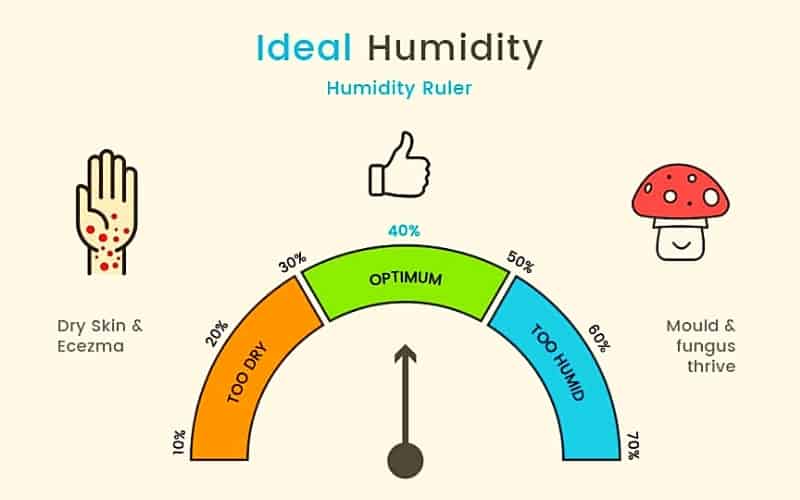
The ideal relative humidity (RH) for most homes falls between 30% and 50%. Maintaining this range not only enhances comfort but also protects your home from potential structural damage caused by excessive moisture or dryness.
Step-by-Step Diagnosis: Testing Your Home's Humidity
Let's get started with a systematic approach to assessing the humidity levels in your home. We'll cover methods ranging from simple observation to using readily available tools.
Phase 1: Initial Observations (No Tools Required)
Before you run out and buy any equipment, conduct a visual inspection and note any obvious signs of humidity issues. This is a crucial first step and can provide valuable clues.
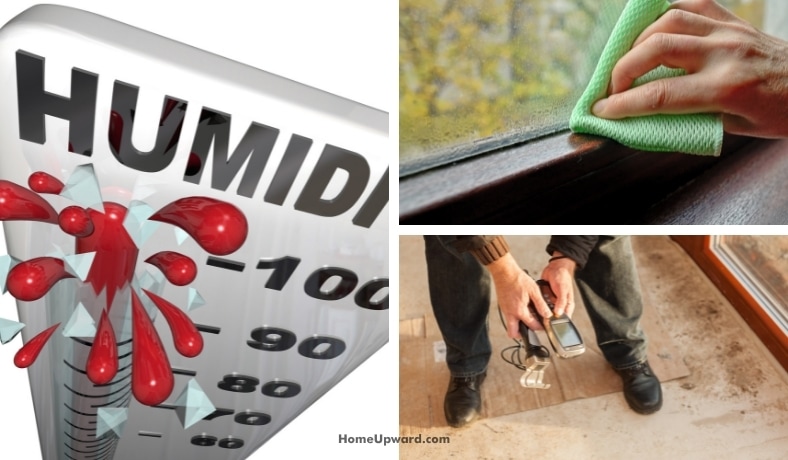
- Condensation on Windows: In the winter, condensation forming on the inside of your windows is a strong indicator of high humidity. Check for condensation on window panes, especially in bathrooms and kitchens.
- Visible Mold or Mildew: Look for dark spots or a musty odor in bathrooms, basements, and other areas prone to moisture. Mold growth is a telltale sign of excessive humidity.
- Water Stains: Check ceilings and walls for water stains, which could indicate leaks and subsequently increased humidity levels.
- Warped Wood: Examine wooden floors, furniture, and trim for warping or swelling, which can be caused by high humidity.
- Static Electricity: During the winter, excessive static electricity (shocks when touching doorknobs) is a sign of low humidity.
- Dry Skin and Irritated Sinuses: Pay attention to your body. Dry skin, cracked lips, and frequent nosebleeds can suggest low humidity levels.
Document your findings. Note the rooms where you observe these signs, as humidity levels can vary throughout your home.
Phase 2: The Ice Cube Test (Simple DIY)
This simple test can provide a rough indication of your home's humidity. You'll need a glass, some ice cubes, and about 15 minutes.
- Fill a glass with ice cubes.
- Place the glass in a room you suspect has humidity issues. Choose a room away from direct sunlight and drafts.
- Observe the glass for 10-15 minutes.
Interpreting the Results:
- Condensation forms on the outside of the glass: This suggests that the air in the room is relatively humid. The air is able to condense on the cold surface.
- No condensation forms, or the ice melts quickly: This indicates that the air in the room is relatively dry. The air is absorbing moisture from the melting ice.
Limitations: This test provides a very basic assessment and is not as accurate as using a hygrometer.
Phase 3: Using a Hygrometer (Essential Tool)
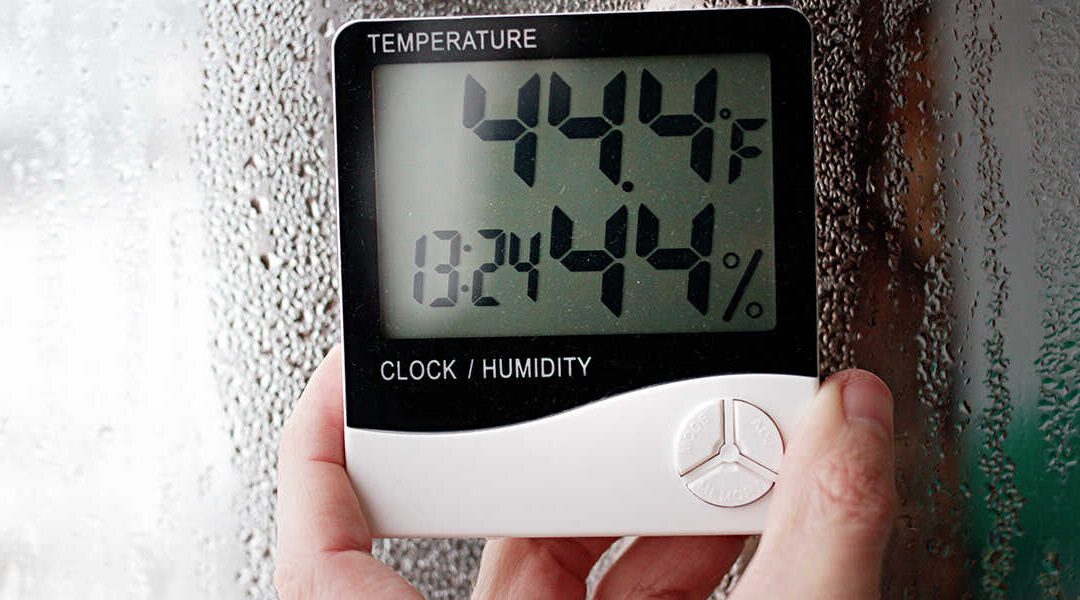
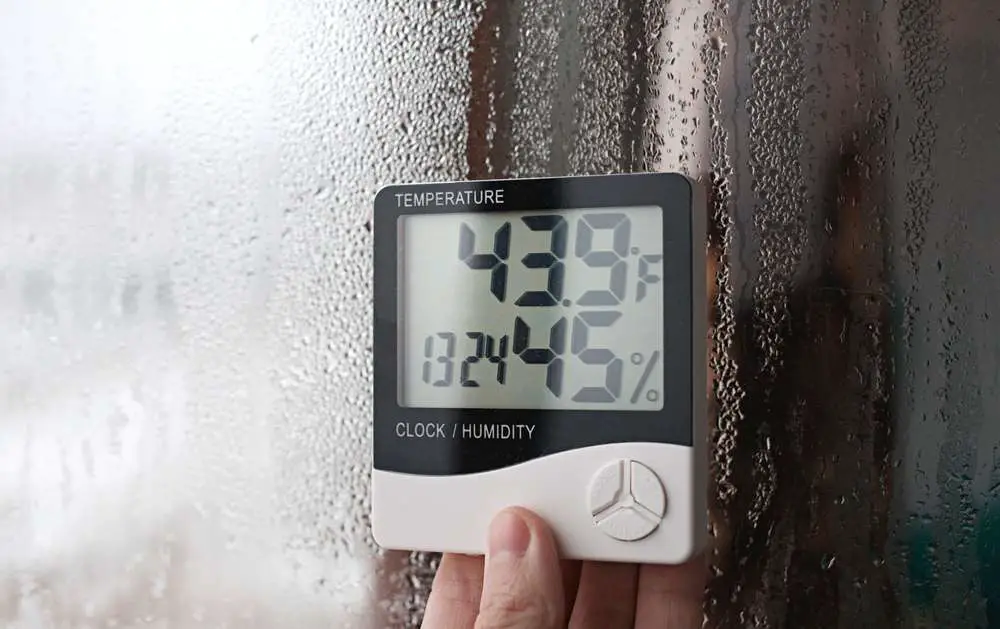
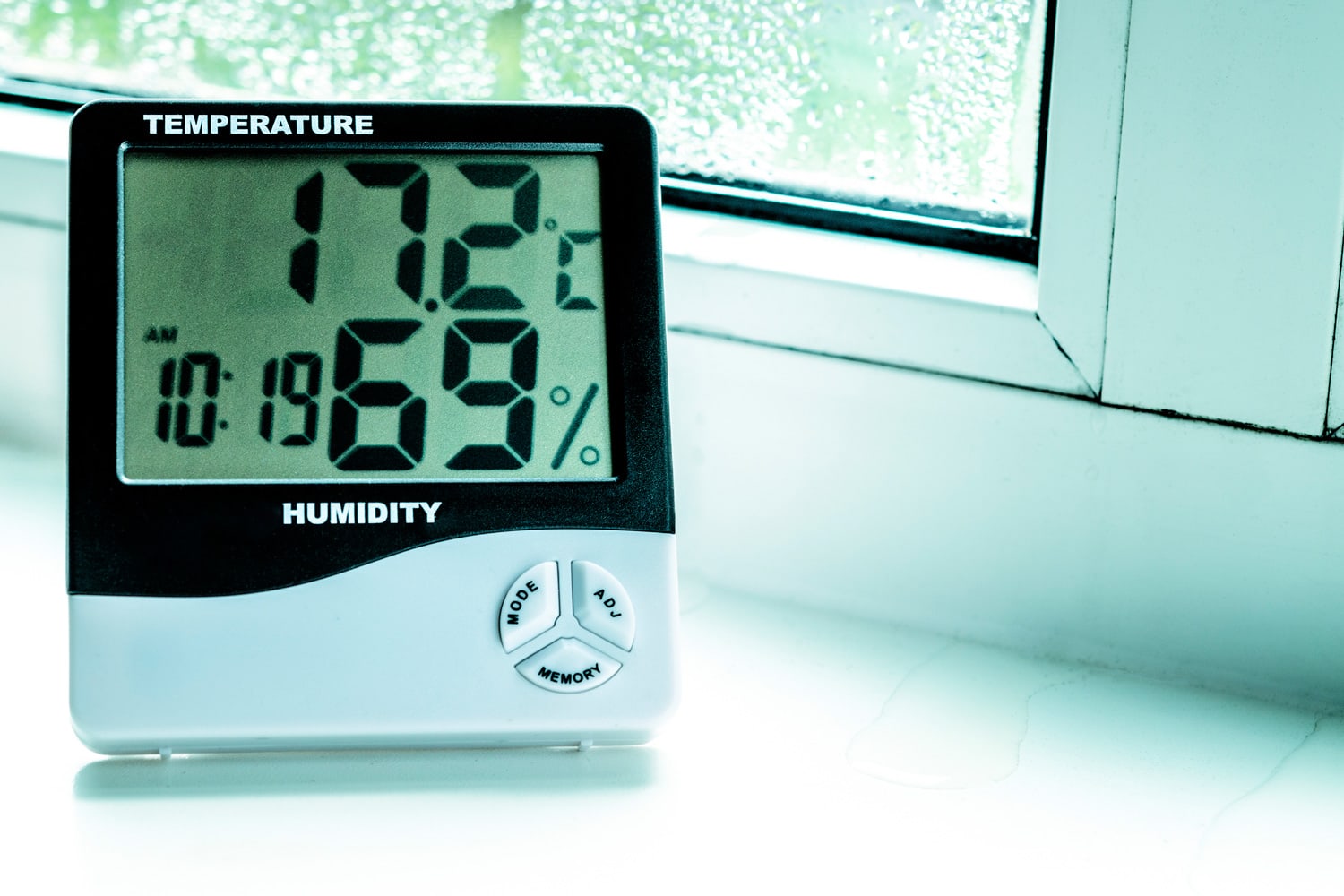
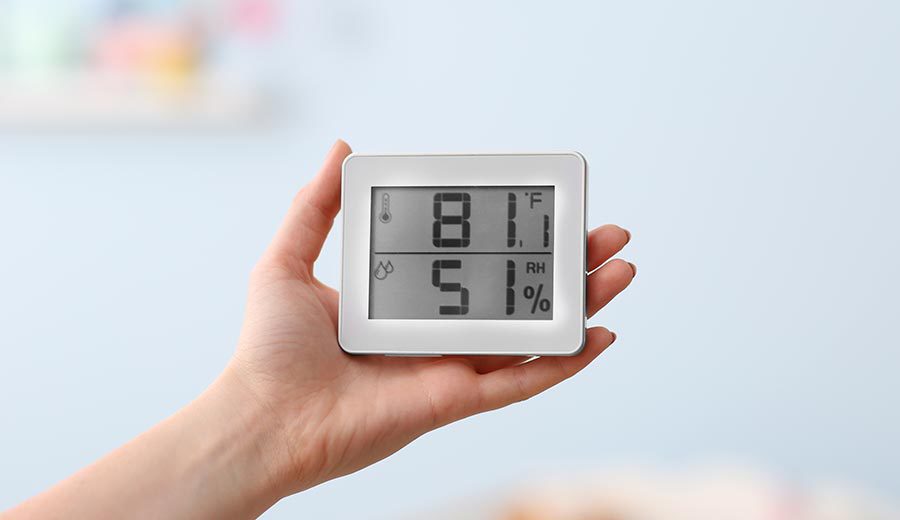
For a more precise measurement of your home's humidity, you'll need a hygrometer (also known as a humidity meter). These devices are readily available at most hardware stores and online retailers. You can find both analog and digital hygrometers; digital versions typically offer more accuracy and features.
- Purchase a hygrometer. Choose a reputable brand and read reviews to ensure accuracy.
- Calibrate your hygrometer (if necessary). Some hygrometers require calibration before use. Follow the manufacturer's instructions. A common method involves placing the hygrometer in a sealed bag with a saturated salt solution for a specific period.
- Place the hygrometer in various rooms of your home. Position it away from direct sunlight, drafts, and heat sources.
- Record the humidity readings at different times of the day. Humidity levels can fluctuate throughout the day. Take readings in the morning, afternoon, and evening to get a comprehensive picture.
Interpreting the Results:
- Readings consistently below 30%: Indicates low humidity.
- Readings consistently between 30% and 50%: Indicates ideal humidity.
- Readings consistently above 50%: Indicates high humidity.
Important Note: Compare readings from different rooms. Significant variations can pinpoint areas with specific humidity problems. Also, consider the outdoor humidity levels, as they can influence indoor readings.
Phase 4: Advanced Testing (When to Call a Pro)
If you suspect significant moisture problems, such as persistent mold growth or structural damage, it's crucial to involve a professional. Advanced testing can involve:
- Moisture Meters: Professionals use moisture meters to detect moisture levels within walls, floors, and ceilings. This can identify hidden leaks and potential mold growth.
- Thermal Imaging: Thermal cameras can detect temperature differences that indicate moisture intrusion.
- Air Quality Testing: If you suspect mold contamination, air quality testing can identify the types and levels of mold spores present in your home.
Warning: Do not attempt to access or inspect areas that are difficult to reach or potentially hazardous. Mold remediation, in particular, should be handled by trained professionals to prevent the spread of spores and potential health problems.
DIY Actions: Taking Control of Your Home's Humidity
Once you've identified the humidity issues in your home, you can take several steps to address them. These solutions range from simple lifestyle adjustments to installing humidity control devices.
Addressing High Humidity
If your hygrometer readings consistently indicate high humidity, try these solutions:
- Improve Ventilation: Use exhaust fans in bathrooms and kitchens when showering, bathing, or cooking. Ensure these fans vent to the outside and are not simply recirculating air within the room. Open windows when weather permits to promote airflow.
- Fix Leaks: Repair any leaky faucets, pipes, or roofs. Even small leaks can contribute to significant moisture problems.
- Dehumidifiers: Use a dehumidifier in areas with high humidity, such as basements. Choose a dehumidifier with the appropriate capacity for the size of the room. Regularly empty the water collection tank.
- Air Conditioner Maintenance: Ensure your air conditioner is functioning properly. A malfunctioning AC unit can contribute to high humidity. Clean or replace the air filter regularly.
- Reduce Indoor Plants: While plants can be beneficial, too many indoor plants can increase humidity levels.
- Properly Vent Appliances: Ensure your clothes dryer is properly vented to the outside. A clogged dryer vent can release moisture and lint into your home.
Addressing Low Humidity
If your hygrometer readings consistently indicate low humidity, try these solutions:
- Humidifiers: Use a humidifier to add moisture to the air. There are several types of humidifiers available, including portable units and whole-house systems. Choose a humidifier that is appropriate for the size of your room or home. Clean the humidifier regularly to prevent the growth of mold and bacteria.
- Houseplants: Indoor plants can help to increase humidity levels. Choose plants that are known for their ability to release moisture into the air.
- Boiling Water: Simmering a pot of water on the stove can add moisture to the air. However, be sure to monitor the pot closely and never leave it unattended.
- Open the Bathroom Door After Showering: Leaving the bathroom door open after a shower allows the moisture to dissipate into the rest of the house.
When to Call a Professional: Recognizing the Limits of DIY
While many humidity issues can be addressed with DIY solutions, there are certain situations where it's best to call a professional HVAC technician or a mold remediation specialist.
- Persistent Humidity Problems: If you've tried the DIY solutions mentioned above and your humidity levels remain consistently outside the ideal range, it's time to consult a professional. They can diagnose the underlying cause of the problem and recommend more effective solutions.
- Suspected Mold Growth: If you suspect mold growth, especially if you have allergies or respiratory problems, it's crucial to have the mold professionally assessed and remediated. DIY mold removal can be ineffective and can even spread mold spores throughout your home.
- HVAC System Issues: If you suspect that your HVAC system is contributing to the humidity problem (e.g., a malfunctioning air conditioner), it's best to have it inspected and repaired by a qualified HVAC technician. Attempting to repair HVAC equipment yourself can be dangerous and can void your warranty.
- Structural Damage: If you notice signs of structural damage caused by excessive moisture, such as warped floors, sagging ceilings, or crumbling walls, it's important to consult a professional contractor. They can assess the extent of the damage and recommend appropriate repairs.
Maintaining a Comfortable Home: Long-Term Strategies
Addressing humidity issues is not a one-time fix. Maintaining a comfortable and healthy home environment requires ongoing monitoring and preventative measures.
- Regularly Monitor Humidity Levels: Use a hygrometer to monitor humidity levels throughout the year. Adjust your humidity control measures as needed based on the readings.
- Maintain Your HVAC System: Schedule regular maintenance for your HVAC system, including cleaning or replacing air filters, inspecting ductwork, and checking for leaks.
- Address Leaks Promptly: Repair any leaks as soon as they are detected. Even small leaks can lead to significant moisture problems over time.
- Improve Insulation: Proper insulation can help to regulate temperature and humidity levels. Consider adding insulation to your attic, walls, and floors.
- Control Water Sources: Be mindful of water usage in your home. Avoid overwatering plants, take shorter showers, and repair leaky faucets promptly.
By taking these steps, you can create a more comfortable, healthier, and safer living environment for you and your family. Remember that a little proactive effort goes a long way in preventing costly repairs and maintaining the value of your home.
Disclaimer: This article provides general guidance on testing and managing humidity in your home. It is not a substitute for professional advice. If you have concerns about humidity levels in your home, consult with a qualified HVAC technician or mold remediation specialist.