How To Trick A Flame Sensor
Ever wake up on a chilly morning to discover your furnace isn't doing its job? Or maybe you've noticed your air conditioner keeps shutting down after only a few minutes of running? One common culprit behind these frustrating heating and cooling problems is a faulty flame sensor.
The flame sensor is a small, but crucial, safety device in your furnace. Its primary job is to confirm that a flame is present when the furnace is trying to heat your home. If the sensor doesn't detect a flame, it shuts down the gas supply to prevent a dangerous gas buildup. This is a vital safety feature, but sometimes a slightly dirty or malfunctioning sensor can trigger false shutdowns, leaving you in the cold (or heat).
Diagnosing a Potential Flame Sensor Issue
Before you start poking around, let's make sure the flame sensor is actually the problem. Here's a step-by-step diagnosis process you can follow:
Step 1: Preliminary Checks (No Tools Required)
- Check the Thermostat: Seems obvious, but make sure your thermostat is set to "heat" (for furnace issues) or "cool" (for AC issues) and that the temperature setting is higher (heating) or lower (cooling) than the current room temperature. Also, check the batteries in your thermostat. Low batteries can cause erratic behavior.
- Inspect the Furnace Filter: A dirty air filter can restrict airflow to the furnace, causing it to overheat and shut down. Replace a dirty filter with a clean one.
- Look for Obvious Blockages: Ensure that the air vents around your home are not blocked by furniture, rugs, or curtains. Restricted airflow can impact the flame.
- Listen for the Ignition Sequence: When the thermostat calls for heat, you should hear a series of clicks and whirs as the furnace attempts to ignite. If you hear these sounds but the furnace doesn't fire up, it could indicate a problem with the gas supply, igniter, or flame sensor. Listen carefully for the gas valve opening.
- Check the Breaker: Verify that the breaker for your furnace is not tripped. Reset it if necessary.
Step 2: Observing the Furnace Behavior
Pay close attention to how your furnace behaves when it tries to start. This can provide valuable clues.
- Short Cycling: Does the furnace turn on briefly (for a few seconds or minutes) and then shut down? This is a classic symptom of a flame sensor issue.
- Error Codes: Many modern furnaces have LED indicator lights that display error codes. Consult your furnace's manual to understand the meaning of any error codes you see. Some codes will specifically point to a flame sensor problem.
- Repeated Ignition Attempts: Does the furnace repeatedly try to ignite before eventually giving up? This could indicate a weak flame signal, often caused by a dirty flame sensor.
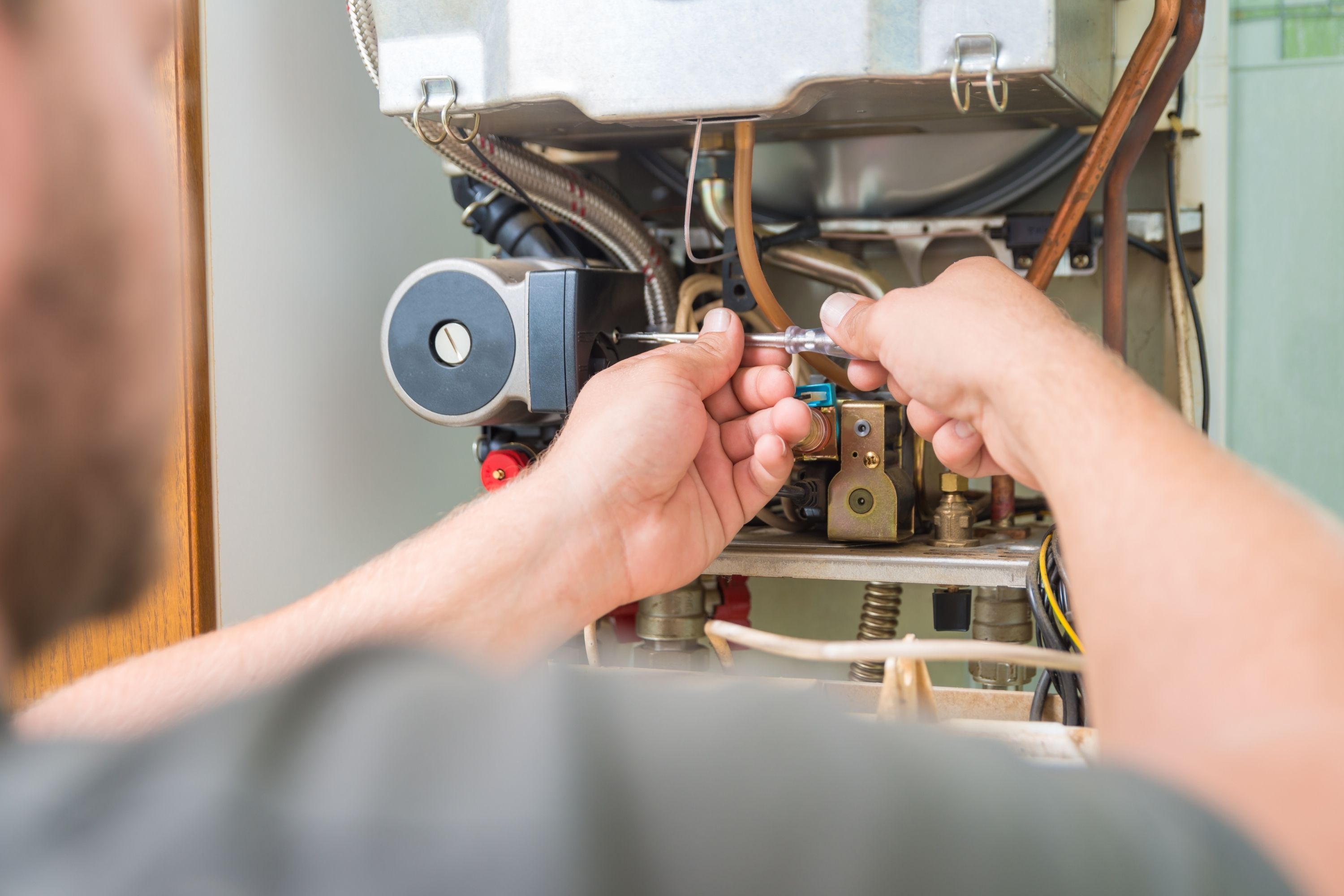
Step 3: Inspecting the Flame Sensor (Requires Basic Tools)
Safety First! Before working on your furnace, turn off the power at the breaker. Also, turn off the gas supply to the furnace by turning the gas valve to the "off" position.
- Locate the Flame Sensor: The flame sensor is usually a thin, metallic rod located near the burner assembly. It is often a single rod, sometimes slightly curved, projecting into the path of the flame. Look for a wire connected to it. Refer to your furnace's manual if you're unsure of its location.
- Visually Inspect the Sensor: Look for any signs of damage, corrosion, or excessive buildup of soot or carbon deposits on the sensor. A dirty sensor is a common cause of problems.
- Clean the Flame Sensor: Use a piece of fine-grit sandpaper (220 grit or higher) or steel wool to gently clean the sensor rod. Remove any visible buildup of soot or carbon. Be careful not to damage the sensor.
- Reinstall the Flame Sensor: Reconnect the wire to the flame sensor and reassemble any parts you removed to access it.
- Restore Power and Gas: Turn the power back on at the breaker and turn the gas valve back to the "on" position.
- Test the Furnace: Set your thermostat to call for heat and observe if the furnace now starts and runs properly.
Simple DIY Actions
After diagnosing a potential flame sensor issue and ensuring all safety precautions are in place (power and gas OFF), here's what you can attempt on your own:
- Cleaning the Flame Sensor: This is the most common and often successful DIY fix. As described above, use fine-grit sandpaper or steel wool to clean the sensor rod. Make sure to remove all visible soot or carbon deposits.
- Checking the Wiring: Ensure that the wire connected to the flame sensor is securely attached and that there are no breaks or corrosion in the wire itself. A loose or corroded connection can prevent the sensor from sending a proper signal. Gently wiggle the wire at the connection point to see if the connection is solid.
- Ensuring Proper Grounding: A weak ground connection can also affect the flame sensor's performance. Make sure the furnace chassis is properly grounded. This typically involves a wire connected to a metal part of the furnace and then to a ground point. If you suspect a grounding issue, it's best to consult a qualified electrician.
When to Call a Professional HVAC Technician
While cleaning the flame sensor is a relatively simple DIY task, there are situations where you should absolutely call a qualified HVAC technician. Do not attempt repairs beyond your skill level, as this could be dangerous.
- You're Unsure of What You're Doing: If you're not comfortable working with gas appliances or electrical components, it's best to leave the repairs to a professional.
- You Smell Gas: If you smell gas at any time, immediately turn off the gas supply to the furnace, evacuate your home, and call your gas company or fire department.
- The Flame Sensor is Damaged: If the flame sensor is visibly damaged (cracked, bent, or corroded), it needs to be replaced. Replacing the sensor itself is usually best left to a professional, as it requires understanding the specific type of sensor required for your furnace model.
- The Furnace Still Doesn't Work After Cleaning: If you've cleaned the flame sensor and checked the wiring, but the furnace still doesn't work, there may be a more complex problem, such as a faulty igniter, gas valve, or control board.
- You Suspect a Gas Leak: If you suspect a gas leak, even a small one, do not attempt any repairs yourself. Call your gas company or a qualified HVAC technician immediately.
- Your Furnace is Old: If your furnace is old (15-20 years or more), it may be nearing the end of its lifespan. It might be more cost-effective to replace the entire furnace rather than continue repairing it. A professional can assess the condition of your furnace and advise you on the best course of action.
Understanding the Underlying Issues
Sometimes, the flame sensor is just a symptom of a larger problem. Here are a few other things that can cause flame sensor issues:
- Poor Combustion: Incomplete combustion can lead to a buildup of soot and carbon on the flame sensor, preventing it from detecting the flame properly. This can be caused by a variety of factors, such as a dirty burner, incorrect gas pressure, or insufficient airflow.
- Improper Venting: Improper venting can also lead to poor combustion and soot buildup. Make sure the furnace's venting system is clear and unobstructed.
- Weak Flame Signal: Even if the flame sensor is clean, it may not be able to detect the flame properly if the flame itself is weak or unstable. This can be caused by a low gas supply or a faulty gas valve.
- Control Board Problems: The control board is the brain of the furnace. If the control board is malfunctioning, it can send incorrect signals to the flame sensor, causing it to shut down the furnace prematurely.
Preventive Maintenance
Regular maintenance can help prevent flame sensor problems and extend the life of your furnace. Here are a few tips:
- Replace the Air Filter Regularly: A dirty air filter can restrict airflow to the furnace, causing it to overheat and shut down. Check your air filter monthly and replace it when it's dirty.
- Schedule Annual Furnace Tune-Ups: A qualified HVAC technician can inspect your furnace, clean the burner, check the gas pressure, and ensure that all components are working properly.
- Keep the Area Around the Furnace Clean: Dust and debris can accumulate around the furnace, potentially interfering with its operation. Vacuum the area around the furnace regularly.
By following these steps, you can effectively diagnose and address many common flame sensor issues. Remember to prioritize safety and call a professional when needed. With a little knowledge and effort, you can keep your furnace running smoothly and keep your home comfortable all winter long.