How To Turn Heat On Mitsubishi Electric

Frequently Asked Questions: Turning on the Heat on Your Mitsubishi Electric System
This article provides clear and concise answers to the most common questions about operating the heating function of your Mitsubishi Electric system. Whether you're a new homeowner or a seasoned facility manager, this guide will help you efficiently and effectively manage your heating needs.
Question 1: How do I switch my Mitsubishi Electric unit to heat mode?
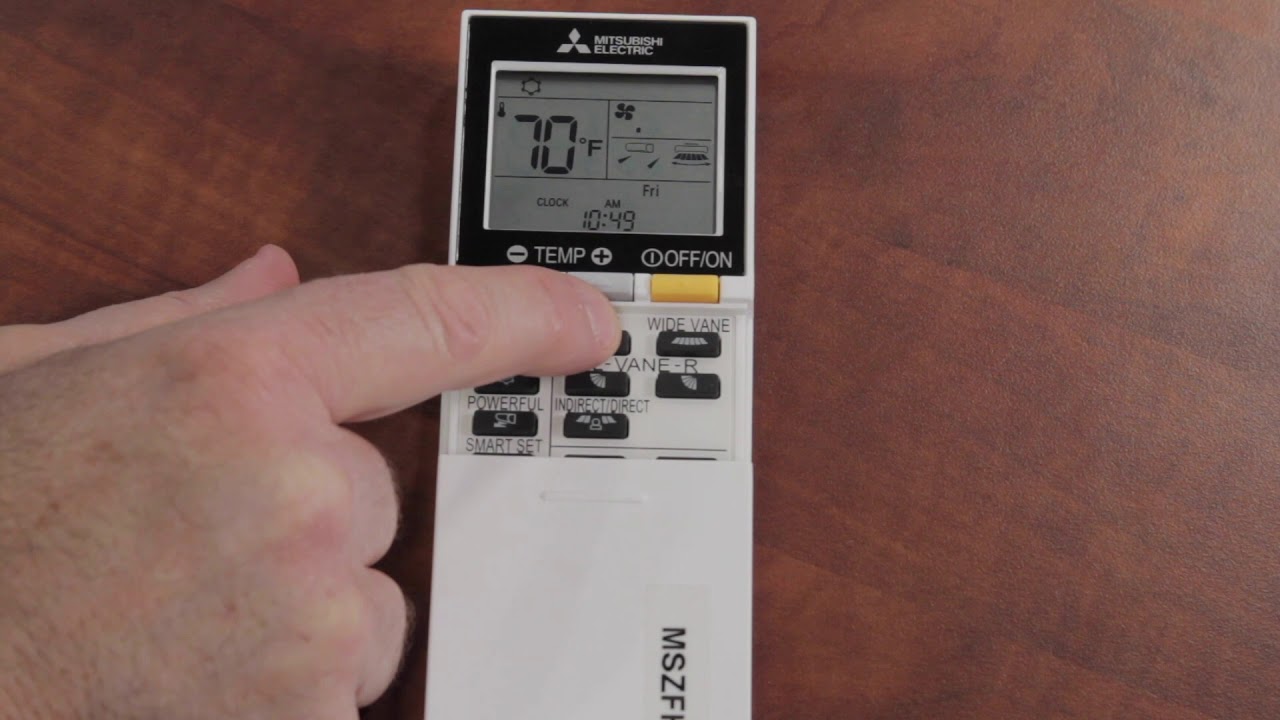
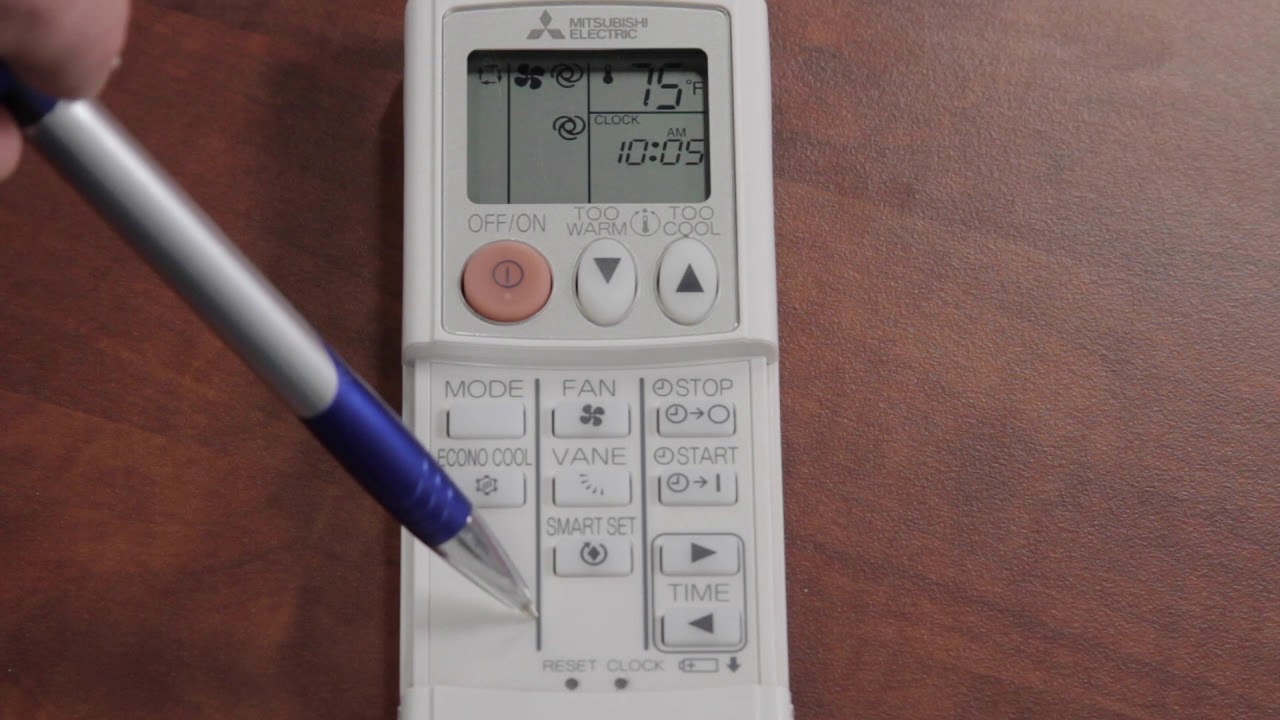
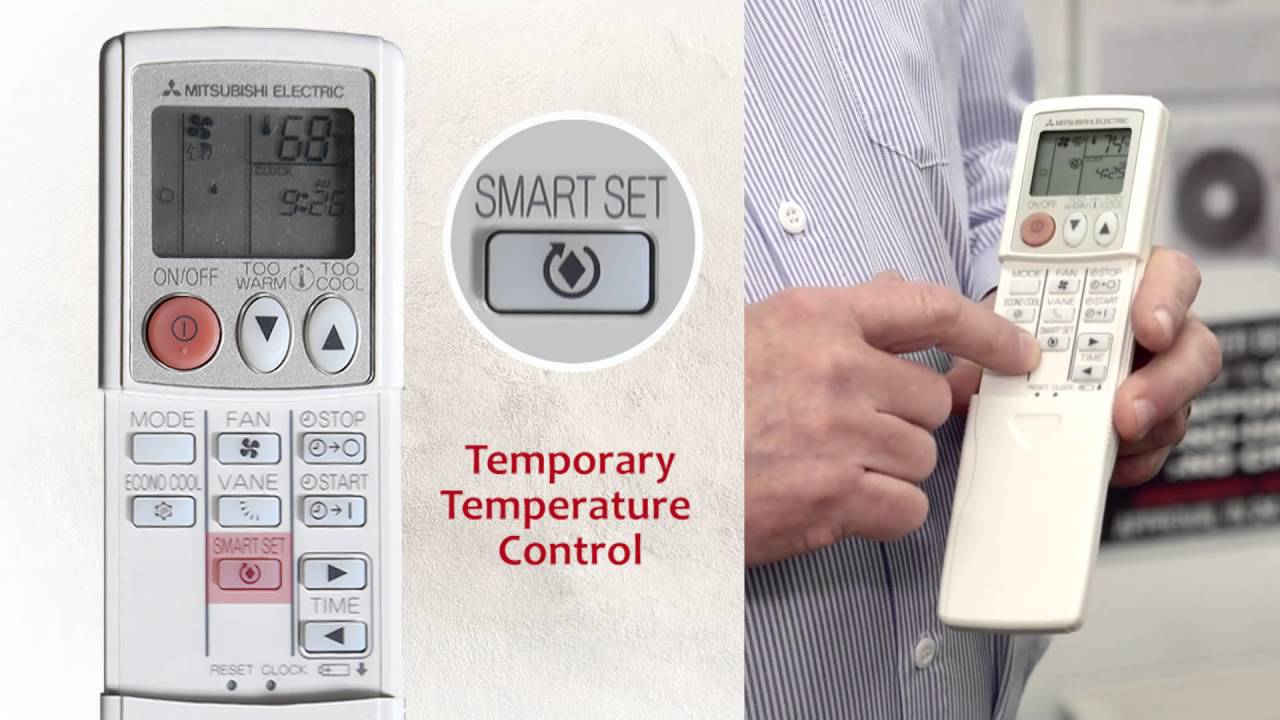
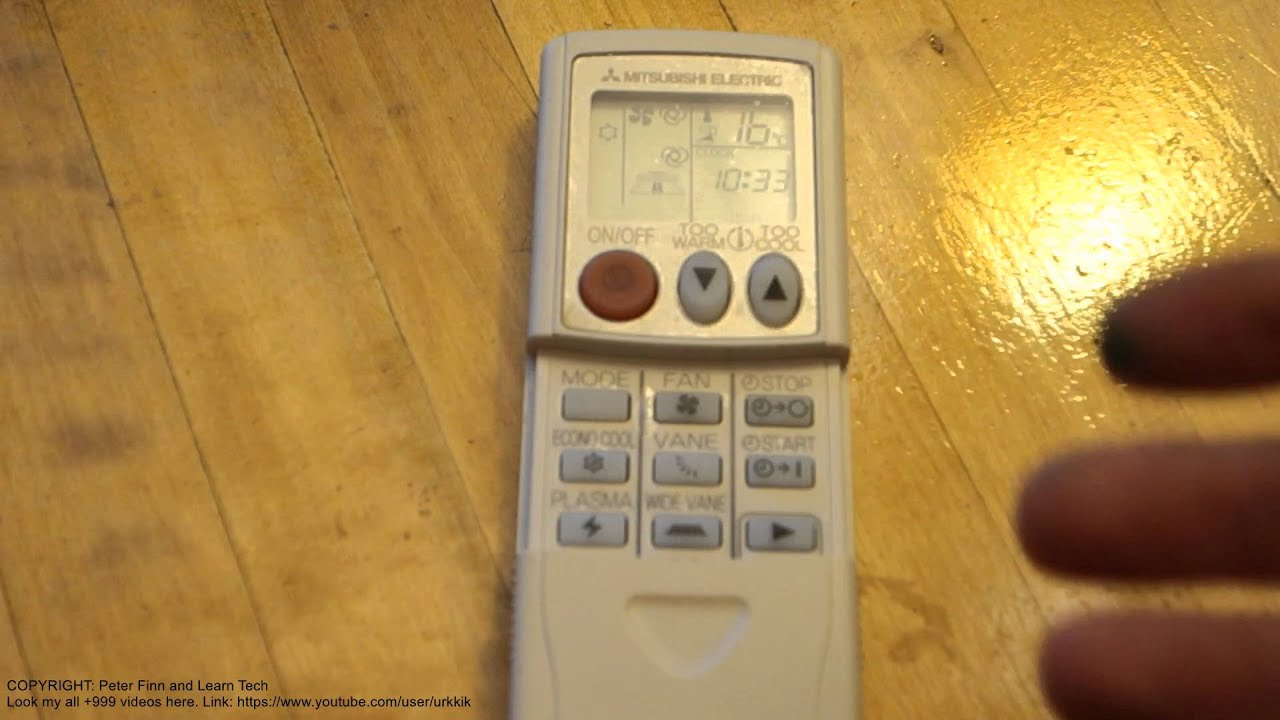
The primary way to activate the heating function is through your remote controller. Here's a simplified process:
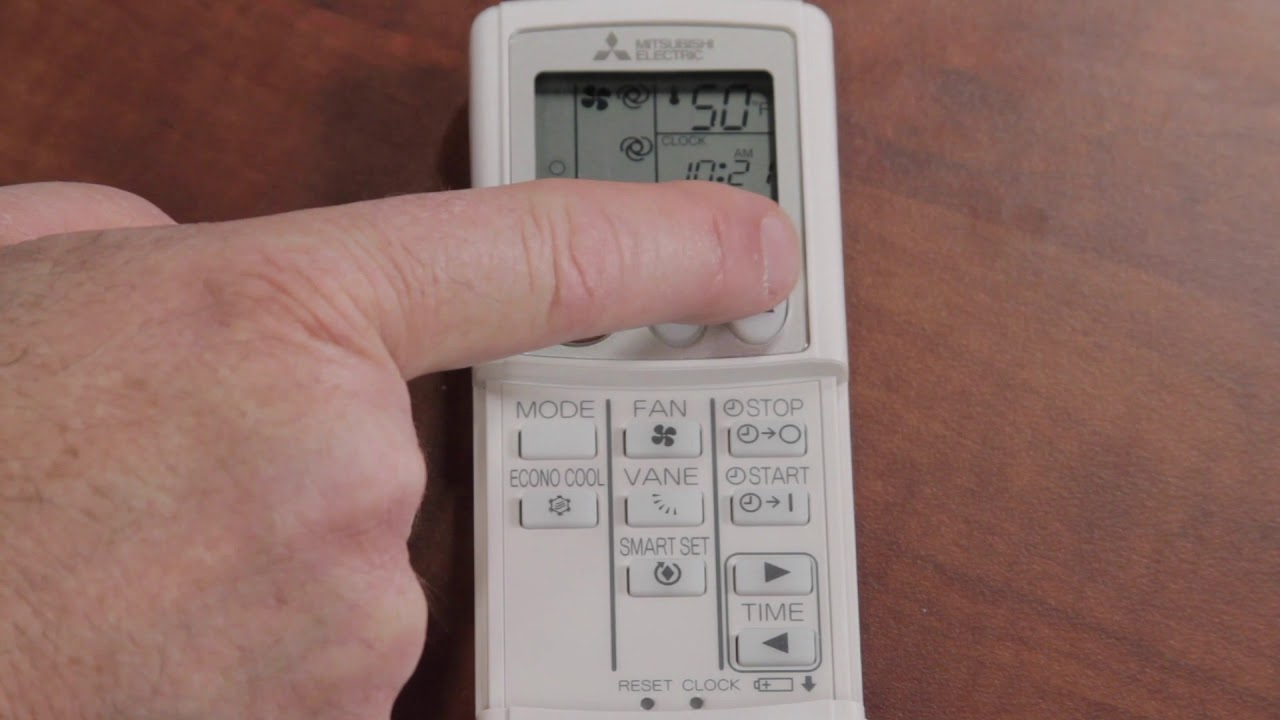
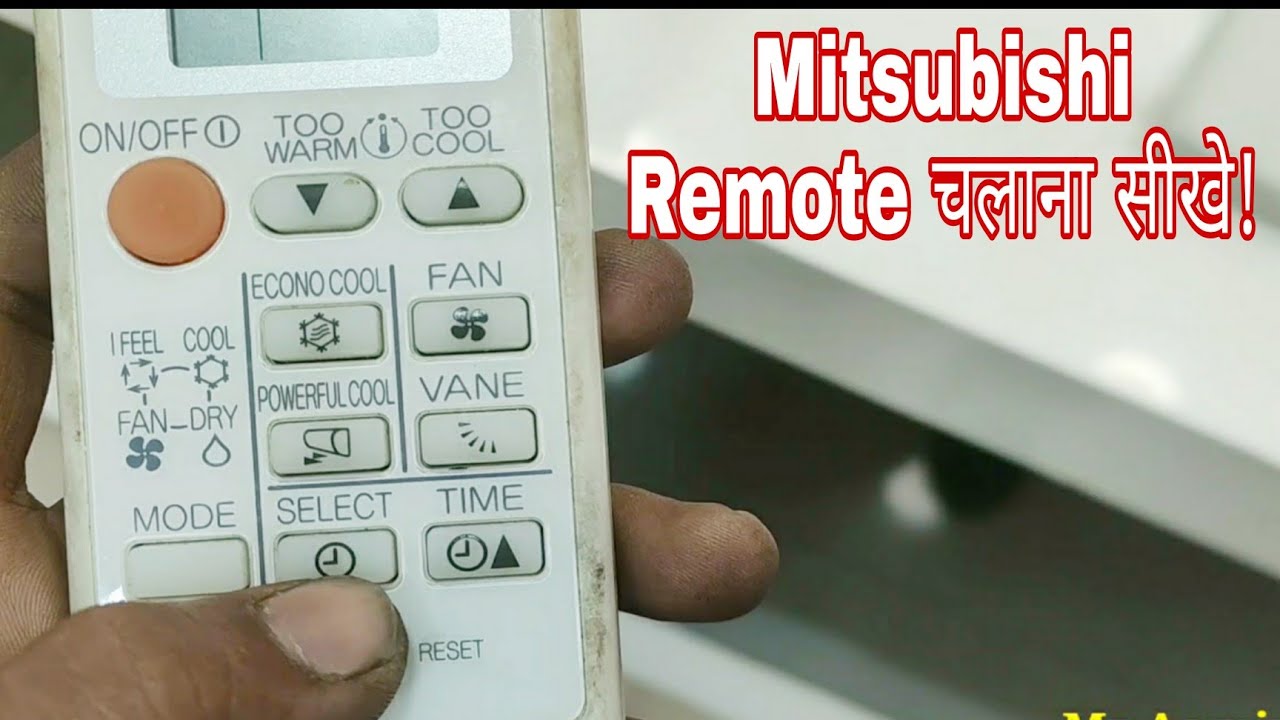
- Power On: First, ensure your unit is powered on by pressing the "ON/OFF" button.
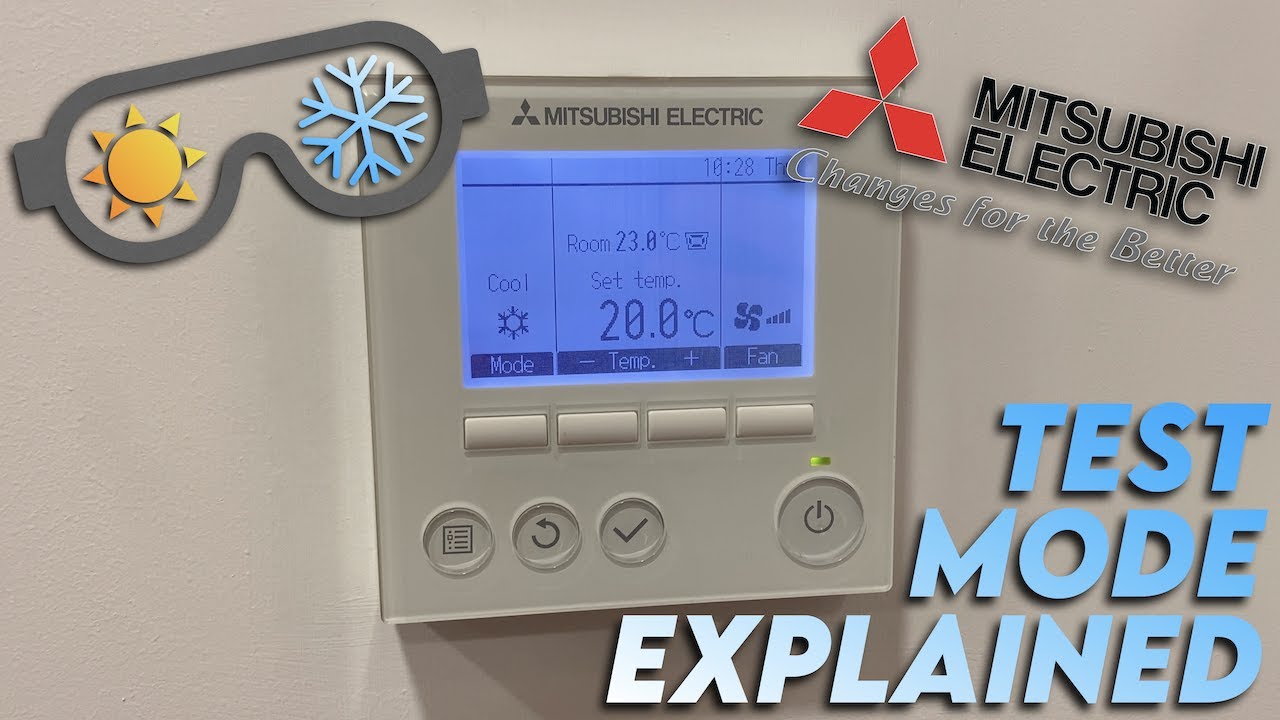
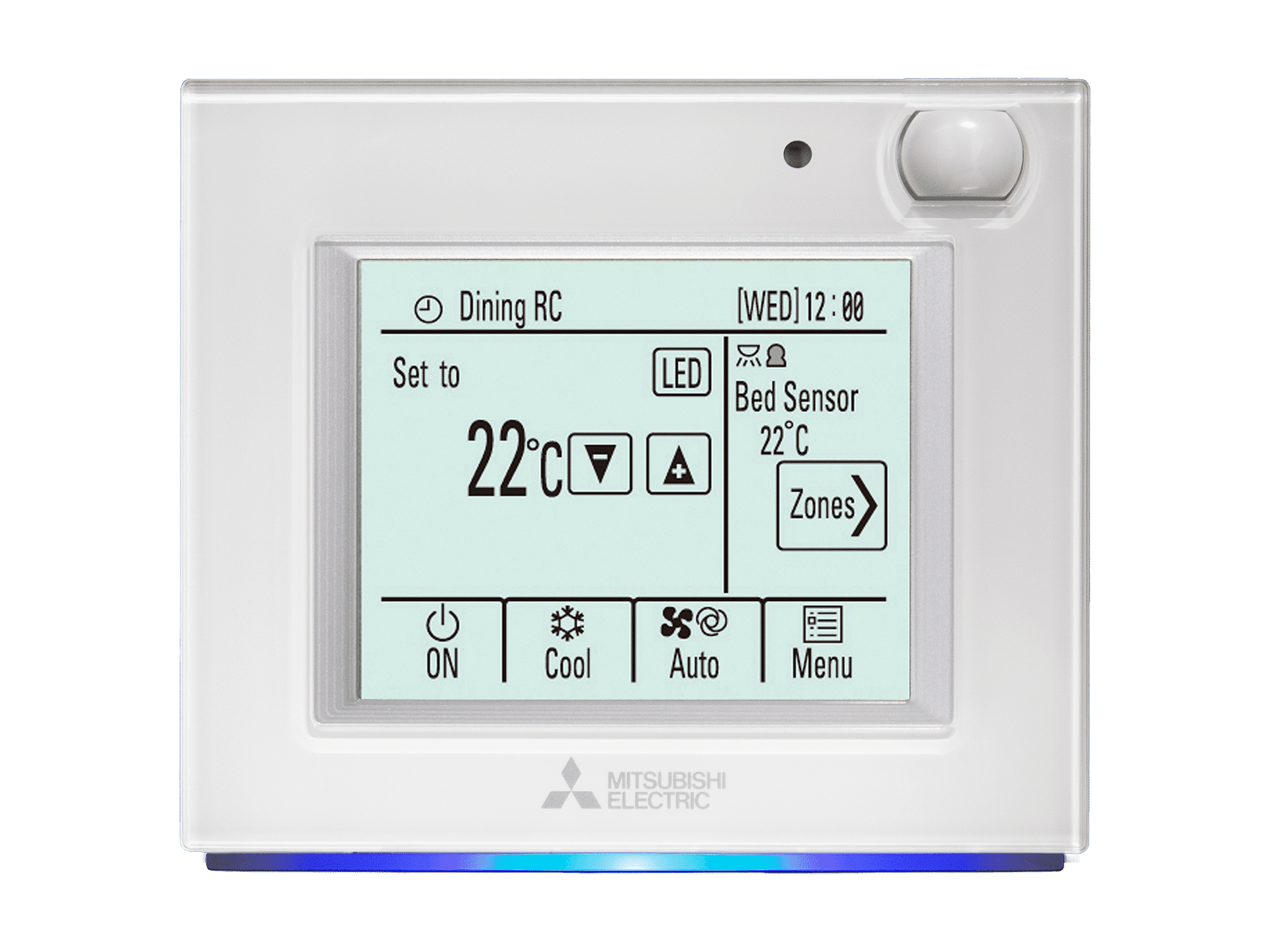
- Mode Selection: Look for the "MODE" button. Press it repeatedly to cycle through the available modes (Auto, Cool, Dry, Heat, Fan).
- Heat Mode Icon: Stop when you see the "HEAT" icon displayed on the remote. This icon usually resembles a sun or a flame.
- Temperature Setting: Use the up and down arrow buttons (often marked with "+" and "-") to set your desired temperature.
- Fan Speed: Adjust the fan speed using the "FAN" button. Auto is generally recommended for optimal efficiency, but you can select a specific speed (low, medium, high) according to your comfort.
Important Note: Some older models might have slightly different remote layouts, but the core principle of using the "MODE" button to select "HEAT" remains consistent. Consult your unit's manual for specific instructions if needed.
Question 2: What temperature should I set my Mitsubishi Electric unit to for efficient heating?
While personal comfort is key, aiming for energy efficiency can save you money on your energy bills. Consider these factors:
- Optimal Range: A temperature between 68°F (20°C) and 72°F (22°C) is generally recommended for comfortable and energy-efficient heating.
- Programmable Timers: Utilize the programmable timer function to lower the temperature when you're asleep or away from home. Dropping the temperature by a few degrees during these periods can significantly reduce energy consumption.
- Smart Thermostats: Consider using a smart thermostat that learns your heating patterns and automatically adjusts the temperature for optimal comfort and efficiency. Many smart thermostats are compatible with Mitsubishi Electric systems.
- Gradual Adjustments: Avoid drastically increasing the temperature setting, as this forces the unit to work harder and consumes more energy. Make gradual adjustments to find your ideal comfort level.
Tip: Proper insulation in your home or building will help maintain a consistent temperature and reduce the load on your heating system, leading to lower energy bills.
Question 3: Why is my Mitsubishi Electric unit blowing cold air when it's set to heat mode?
There are several reasons why your unit might be blowing cold air despite being in heat mode. Here's a troubleshooting checklist:
- Initial Warm-Up: Most heat pumps, including Mitsubishi Electric units, need a few minutes to warm up before they start blowing hot air. Be patient and allow the unit some time to initiate the heating process.
- Defrost Cycle: During cold weather, the outdoor unit can accumulate frost. The system automatically initiates a defrost cycle to melt the frost. During this cycle, the indoor unit may temporarily blow cool air. This is normal. The defrost cycle typically lasts for a few minutes.
- Temperature Setting Too Low: Ensure that the temperature setting is higher than the current room temperature. If the set temperature is too low, the unit might not engage the heating function.
- Airflow Obstruction: Check both the indoor and outdoor units for any obstructions that might be blocking airflow. Clear any leaves, snow, or debris from the outdoor unit. Ensure that the indoor unit's air filter is clean.
- Refrigerant Leak: A refrigerant leak can significantly reduce the unit's heating capacity. If you suspect a refrigerant leak, contact a qualified HVAC technician for inspection and repair.
- Unit Malfunction: In some cases, a malfunctioning component (e.g., reversing valve, compressor) can prevent the unit from heating properly. If you've checked the above factors and the unit is still blowing cold air, contact a qualified HVAC technician for diagnosis and repair.
Important: If you notice any unusual noises, smells, or error codes displayed on the remote controller, consult your unit's manual or contact a qualified HVAC technician immediately.
Question 4: How often should I clean the air filters in my Mitsubishi Electric unit?
Regular air filter cleaning is essential for maintaining optimal performance and air quality. Clogged air filters restrict airflow, forcing the unit to work harder, reducing efficiency, and potentially causing damage to the system. The frequency of cleaning depends on several factors:
- General Guideline: As a general rule, clean the air filters every two to four weeks.
- Usage Frequency: If you use the unit frequently or have pets, you might need to clean the filters more often.
- Air Quality: If you live in an area with poor air quality or experience seasonal allergies, more frequent cleaning may be necessary.
- Filter Type: Some filters are washable, while others need to be replaced. Refer to your unit's manual for specific instructions on cleaning and replacing your filters.
Cleaning Procedure:
- Turn off the unit: Before cleaning, make sure the unit is completely switched off.
- Remove the filters: Open the front panel of the indoor unit and carefully remove the air filters.
- Clean the filters: Use a vacuum cleaner to remove loose dust and debris. If the filters are washable, rinse them with mild soap and water. Allow them to dry completely before reinstalling.
- Reinstall the filters: Once the filters are dry, carefully reinstall them in the indoor unit.
Warning: Operating the unit with dirty air filters can lead to reduced efficiency, increased energy consumption, and potential damage to the system. Always ensure that the air filters are clean and properly installed.
Question 5: My Mitsubishi Electric unit has a "Lossnay" ventilation system. How does this affect heating?
The "Lossnay" system is an energy recovery ventilation (ERV) system integrated into some Mitsubishi Electric units. It's designed to improve indoor air quality while minimizing energy loss. Here's how it affects heating:
- Heat Exchange: The Lossnay system recovers heat from the exhaust air before it's expelled from the building. This recovered heat is then used to pre-heat the incoming fresh air.
- Reduced Heating Load: By pre-heating the incoming air, the Lossnay system reduces the load on the heating system, resulting in lower energy consumption and improved efficiency.
- Improved Air Quality: The Lossnay system helps to remove stale air, pollutants, and excess moisture from the building, improving indoor air quality and creating a healthier living environment.
- Combined Operation: The Lossnay system operates in conjunction with the heating system to provide both comfortable temperatures and good indoor air quality. The ERV works to minimize the amount of energy the heating system needs to use.
- Filter Maintenance: Like the main unit, the Lossnay system also has filters that need to be cleaned or replaced regularly. Consult your unit's manual for specific instructions on maintaining the Lossnay filters.
Benefits: The Lossnay system is a valuable addition to your Mitsubishi Electric unit, offering improved energy efficiency, better indoor air quality, and a more comfortable living environment.
Question 6: What does the "i-see Sensor" do, and how does it affect heating performance?
The "i-see Sensor" is an advanced feature found in some higher-end Mitsubishi Electric units. It's an infrared sensor that detects the presence and location of people in the room. This information is then used to optimize heating (and cooling) performance.
- Personalized Comfort: The i-see Sensor can direct airflow towards or away from occupants. For example, in heating mode, it can direct warm air towards areas where people are detected, providing personalized comfort.
- Energy Savings: When the i-see Sensor detects that no one is in the room, it can automatically adjust the temperature to a more energy-efficient setting, saving you money on your energy bills.
- Indirect Airflow: The i-see Sensor can also be used to avoid direct airflow on occupants, preventing discomfort. It achieves this by sensing the room's occupants and directing air elsewhere.
- Automatic Adjustments: The system continuously monitors the room and adjusts the airflow and temperature based on the detected occupancy patterns.
- Enhanced Efficiency: By optimizing airflow and temperature based on occupancy, the i-see Sensor helps to improve the overall efficiency of the heating system.
- Manual Override: You can typically override the i-see Sensor's automatic adjustments and set the desired airflow and temperature manually.
Understanding Settings: Familiarize yourself with the i-see Sensor settings in your unit's manual to fully leverage its benefits for personalized comfort and energy savings.
Question 7: Can I use my Mitsubishi Electric system for heating even if the outside temperature is very low?
Mitsubishi Electric systems are designed to provide reliable heating performance in a wide range of outdoor temperatures. However, there are limitations to consider:
- Heating Capacity at Low Temperatures: Most Mitsubishi Electric heat pumps can maintain a significant portion of their heating capacity even at low outdoor temperatures (e.g., down to -13°F/-25°C). However, the heating capacity will decrease as the outdoor temperature drops.
- Hyper-Heating Models: Mitsubishi Electric offers specific "Hyper-Heating" models that are designed to provide even greater heating capacity at extremely low outdoor temperatures. These models are ideal for colder climates.
- Auxiliary Heat: In very cold weather, some systems may use auxiliary heat (e.g., electric resistance heaters) to supplement the heat pump's output. This ensures that you can maintain a comfortable temperature even when the heat pump's capacity is reduced.
- Defrost Frequency: In extremely cold and humid conditions, the defrost cycle may occur more frequently. As mentioned earlier, this is normal and necessary to maintain optimal performance.
- System Limitations: While Mitsubishi Electric systems are generally very capable, it's important to be aware of their limitations. In extremely cold climates, a supplemental heating source (e.g., a furnace or fireplace) may be necessary to maintain a comfortable temperature during the coldest periods.
- Installation and Sizing: Proper installation and sizing of the system are crucial for optimal performance in cold weather. Consult with a qualified HVAC technician to ensure that your system is properly sized for your specific climate and heating needs.
Checking Specifications: Review the specifications of your specific Mitsubishi Electric model to understand its heating capacity at different outdoor temperatures. This information will help you determine whether the system is suitable for your climate and heating requirements.