How To Use A Copper Pipe Cutter
Mastering the Copper Pipe Cutter: A Guide for HVAC Projects
Working with copper pipes is a common task in HVAC installations and repairs. Knowing how to properly use a copper pipe cutter is essential for clean, leak-free connections. This guide will walk you through the process, covering different types of cutters, best practices, and safety tips.
Understanding Copper Pipe Cutters
There are several types of copper pipe cutters, each suited for different situations. The most common are:
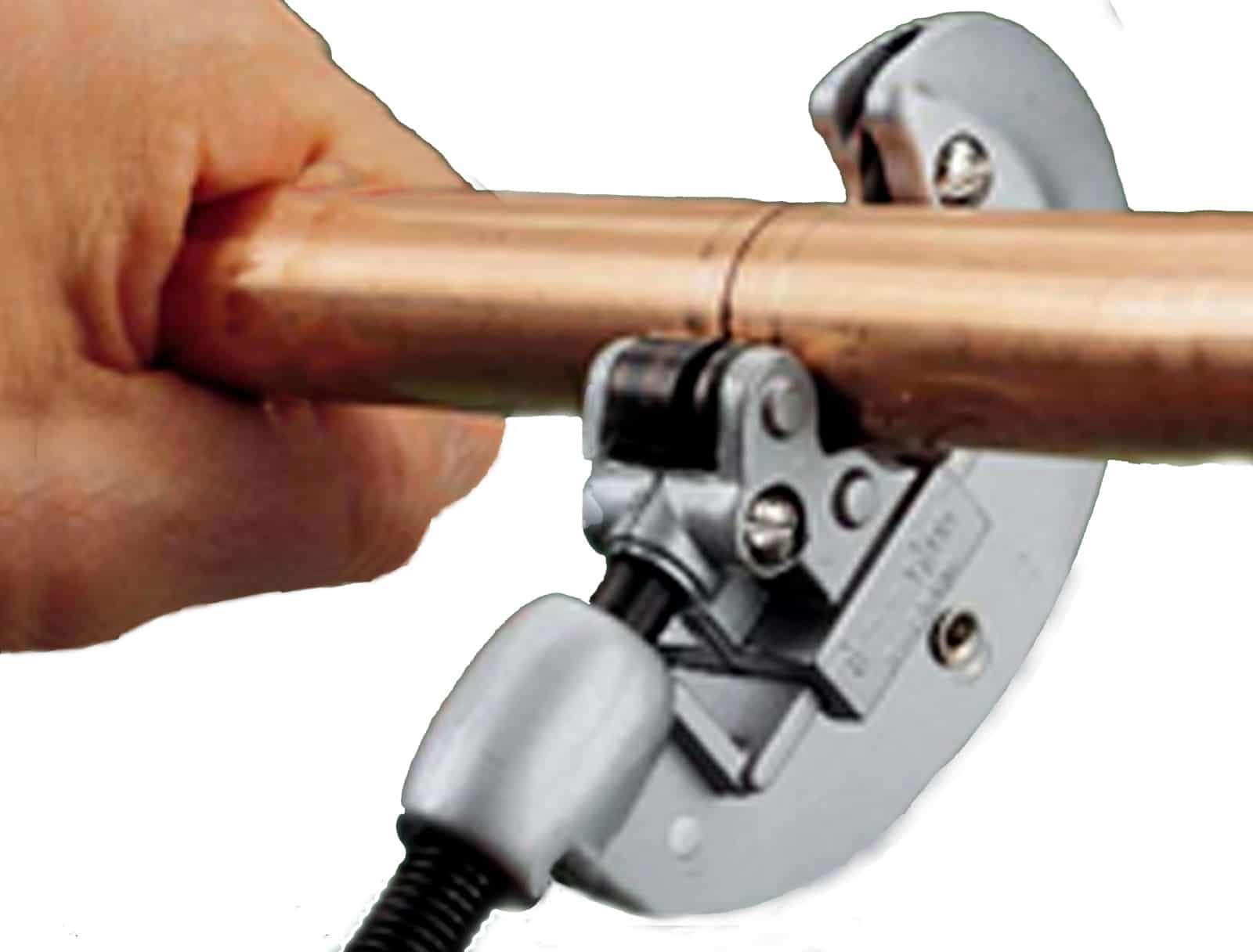
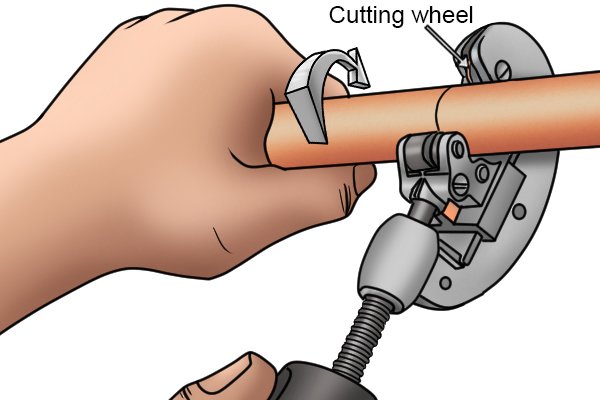
- Standard Pipe Cutter (Wheel Cutter): This is the most versatile and widely used type. It consists of a cutting wheel, two guide rollers, and a screw mechanism to adjust the pressure. Ideal for most general plumbing and HVAC applications.
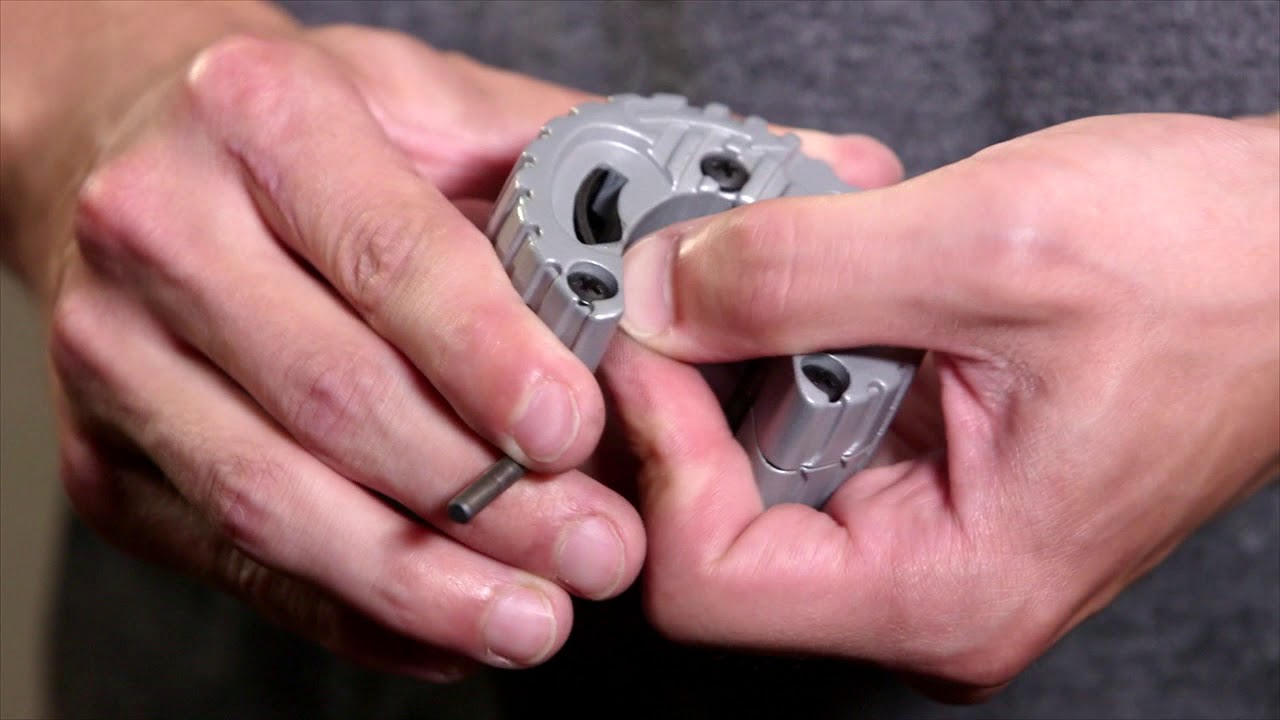
- Mini Pipe Cutter (Close Quarters Cutter): Designed for tight spaces where a full rotation is impossible. These cutters often use a scissor-like action or a very compact rotating mechanism.
- Internal Pipe Cutter: Used to cut pipes from the inside, typically when a pipe has been damaged or corroded near a fitting.
- Ratchet Pipe Cutter: Similar to a standard cutter but with a ratchet mechanism for easier operation in confined spaces.
Choosing the Right Cutter for the Job
The best cutter depends on the available space and the diameter of the pipe. For most residential HVAC projects, a standard or mini pipe cutter will suffice. Consider a ratchet cutter if you anticipate working in tight spots frequently. Always check the cutter's specifications to ensure it can handle the pipe size you're working with.
Step-by-Step Guide to Using a Standard Copper Pipe Cutter
Follow these steps for a clean, professional cut:
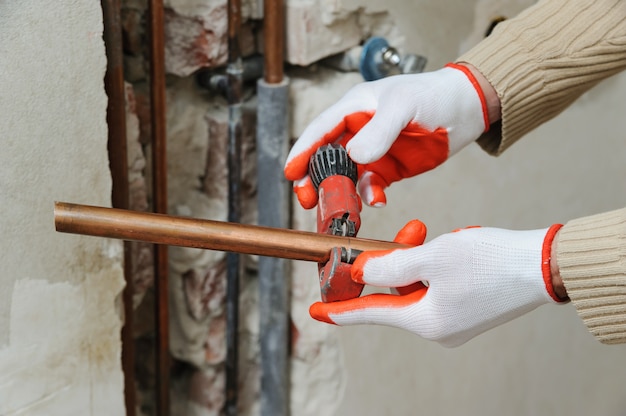
- Preparation: Mark the cut location on the copper pipe using a marker. Ensure the pipe is clean and free of debris. Use sandpaper or emery cloth to smooth any rough edges near the cut line.
- Positioning the Cutter: Open the pipe cutter by turning the adjustment knob counterclockwise. Place the cutter around the pipe, aligning the cutting wheel with the marked cut line.
- Initial Tightening: Gently tighten the adjustment knob until the cutting wheel makes contact with the pipe. Avoid over-tightening at this stage.
- Rotation and Tightening: Rotate the cutter around the pipe, keeping it square to the pipe. After each rotation, tighten the adjustment knob slightly (about a quarter turn). The goal is to gradually score the pipe, not to cut through it in one pass.
- Continue Cutting: Repeat the rotation and tightening process until the pipe is completely cut. You'll feel the cutter gradually slicing through the copper.
- Deburring: After cutting, use a deburring tool (often integrated into the pipe cutter) to remove any burrs or sharp edges from the inside and outside of the pipe. This is crucial for ensuring a smooth, leak-free connection when soldering or using compression fittings.
Tips for a Perfect Cut
- Avoid Over-Tightening: Over-tightening the cutter can deform the pipe and make it difficult to deburr properly. It can also damage the cutting wheel.
- Keep the Cutter Square: Ensure the cutter remains perpendicular to the pipe throughout the cutting process. This will result in a clean, even cut.
- Use Cutting Oil (Optional): Applying a small amount of cutting oil to the cutting wheel can help lubricate the process and extend the life of the wheel, especially when cutting thicker copper pipes.
- Sharp Blade Matters: A dull blade will crush the pipe instead of cutting it cleanly. Replace the blade if you notice the cutter requires excessive force or leaves a ragged edge.
Working with Mini Pipe Cutters
Mini pipe cutters are invaluable in tight spaces. Here's how to use them effectively:
- Placement: Open the cutter and position it around the pipe in the confined space.
- Cutting Action: Depending on the design, you'll either rotate the cutter back and forth in short arcs or use a scissor-like squeezing motion.
- Incremental Tightening: Similar to a standard cutter, gradually tighten the cutting mechanism after each small movement.
- Patience is Key: Cutting with a mini cutter often takes longer due to the limited movement. Be patient and avoid forcing the cutter.
- Deburring: As with standard cutters, deburr the pipe after cutting.
Safety Precautions
- Wear Safety Glasses: Protect your eyes from flying debris when cutting and deburring.
- Gloves: Wear work gloves to protect your hands from sharp edges and potential cuts.
- Secure the Pipe: Ensure the pipe is securely held in place during cutting. Use a pipe vise or clamp if necessary.
- Deburr Carefully: Be cautious when using the deburring tool, as the edges can be sharp.
HVAC Applications and Copper Pipe
Copper pipe is frequently used in HVAC systems for refrigerant lines, water lines, and condensate drains. Proper installation and maintenance are crucial for efficient and reliable operation.
Common HVAC Uses of Copper Pipe
- Refrigerant Lines: Connect the outdoor condenser unit to the indoor evaporator coil in air conditioning and heat pump systems. These lines carry refrigerant, which is essential for the cooling and heating process.
- Water Lines: In hydronic heating systems (radiators or baseboard heaters), copper pipes circulate hot water to provide heat.
- Condensate Drains: Carry away condensate water produced by air conditioners and dehumidifiers. Proper drainage prevents water damage and mold growth.
HVAC System Considerations
When working on HVAC systems involving copper pipes, keep the following in mind:
- Refrigerant Handling: Refrigerant is a regulated substance. If you are working on refrigerant lines, you may need to be certified and follow specific procedures for handling and disposal. Consider hiring a qualified HVAC technician.
- Soldering/Brazing: Making connections on copper pipes in HVAC systems often requires soldering or brazing. This requires specific tools, techniques, and safety precautions.
- Insulation: Refrigerant lines should be properly insulated to prevent heat loss or gain, which can reduce the efficiency of the HVAC system.
HVAC Brands and Copper Pipe Usage
Most major HVAC brands, such as Carrier, Trane, Lennox, and Goodman, rely on copper piping for refrigerant lines in their air conditioning and heat pump systems. The quality of the copper and the installation techniques directly impact the system's performance and longevity. The choice of system will have more to do with SEER, HSPF, and AFUE ratings, and any rebates or incentives available in your area.
Choosing HVAC Systems
When evaluating HVAC systems, consider the following factors:
- SEER (Seasonal Energy Efficiency Ratio): Measures the cooling efficiency of air conditioners. Higher SEER ratings indicate greater efficiency.
- HSPF (Heating Seasonal Performance Factor): Measures the heating efficiency of heat pumps. Higher HSPF ratings indicate greater efficiency.
- AFUE (Annual Fuel Utilization Efficiency): Measures the heating efficiency of furnaces. Higher AFUE ratings indicate greater efficiency.
- Warranty: Check the manufacturer's warranty on the system and its components, including the compressor and heat exchanger.
- Installation: Proper installation is crucial for optimal performance and longevity. Hire a qualified HVAC technician.
Using a copper pipe cutter correctly is a fundamental skill for anyone working on HVAC systems. By following the steps outlined in this guide and taking the necessary safety precautions, you can achieve clean, professional cuts and ensure the reliability of your HVAC installations.