How To Use A Pex Expander Tool

Mastering the PEX Expander Tool: A Comprehensive Guide for HVAC and Plumbing Projects
PEX (cross-linked polyethylene) tubing has become a staple in modern plumbing and HVAC systems due to its flexibility, durability, and cost-effectiveness. One of the key tools for working with PEX is the PEX expander tool. This guide provides a comprehensive overview of how to use a PEX expander tool, ensuring you can create reliable and leak-free connections for your heating, cooling, and plumbing projects.
Understanding the PEX Expansion Method
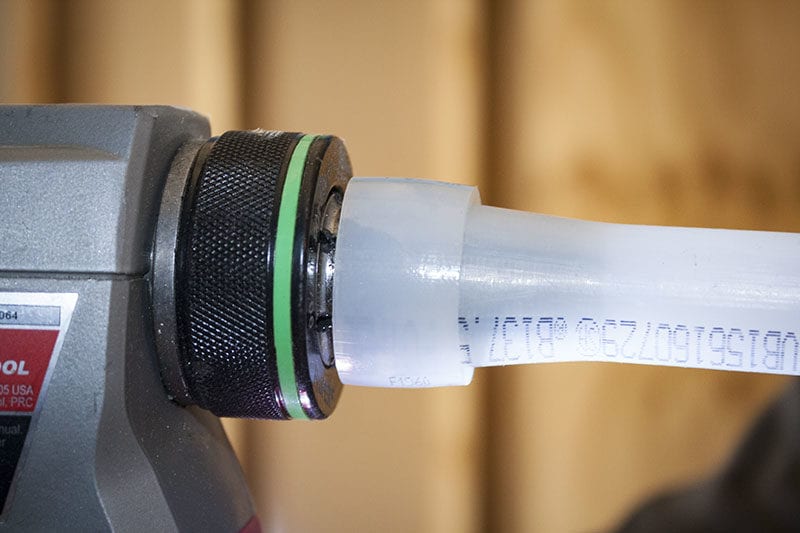
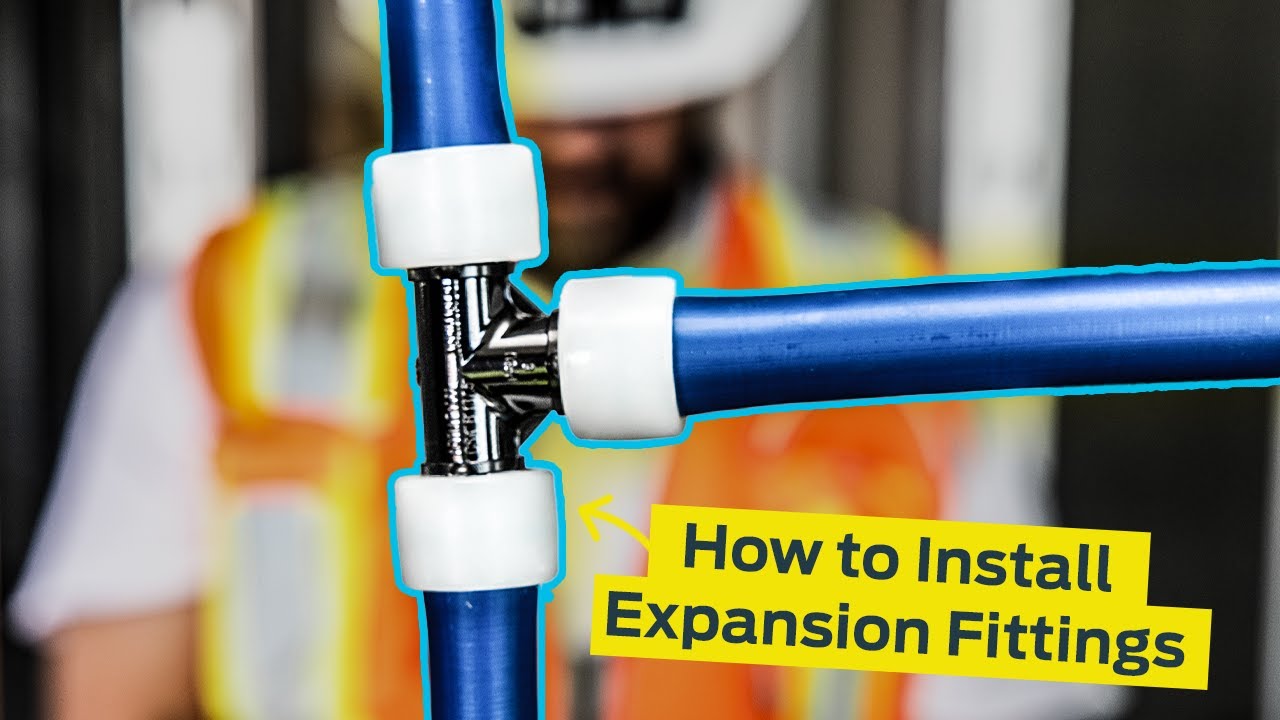
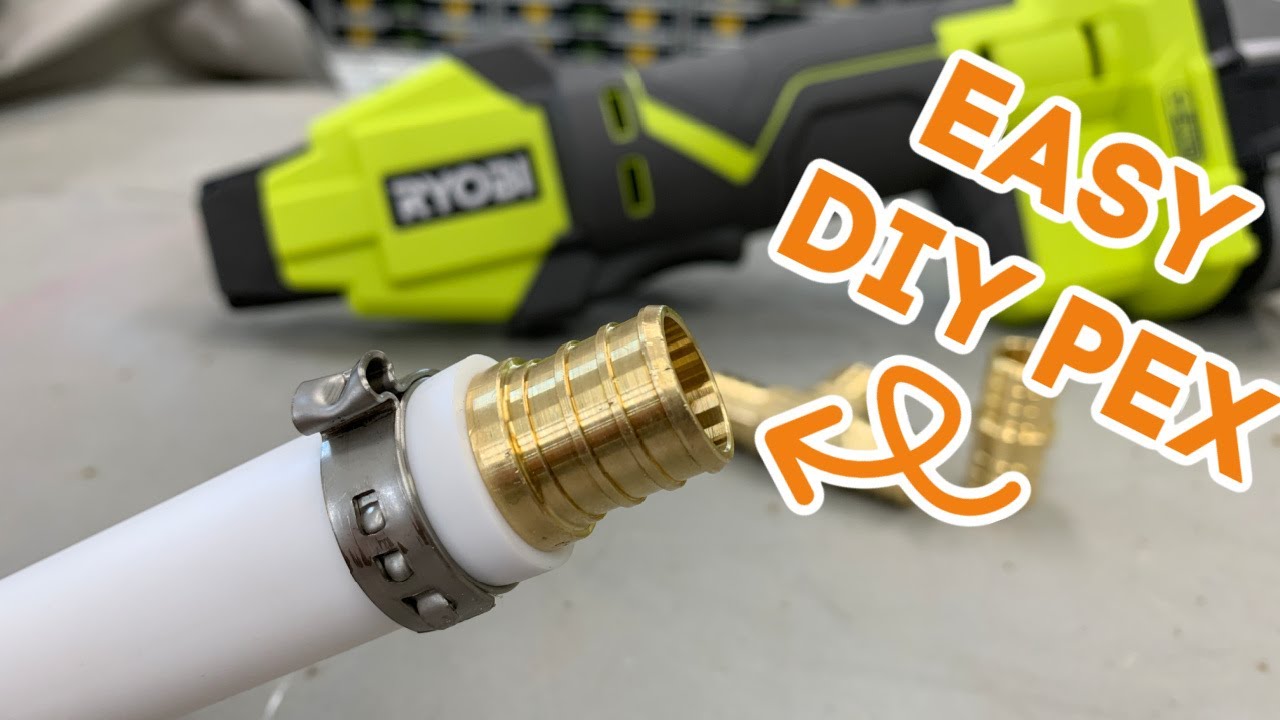
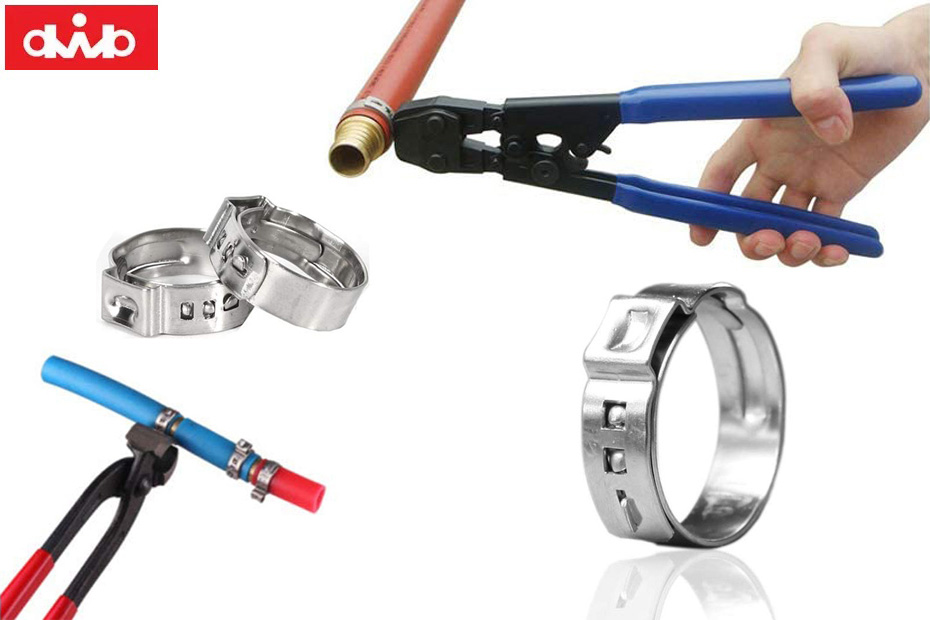
The PEX expansion method involves enlarging the end of the PEX tubing using a PEX expander tool, inserting a fitting, and then allowing the PEX to shrink back to its original size, creating a tight, secure connection. This method is preferred by many professionals due to its strength and the fact that it utilizes the PEX material itself to create the seal, eliminating the need for additional clamps or rings (in most systems, specifically Uponor/Wirsbo systems). This is in contrast to other PEX connection methods like crimp ring connections.
Types of PEX Expander Tools
Several types of PEX expander tools are available, each with its own pros and cons:
- Manual PEX Expander Tools: These are the most basic type, requiring manual force to expand the PEX tubing. They are typically the most affordable option but can be physically demanding, especially for larger diameter tubing.
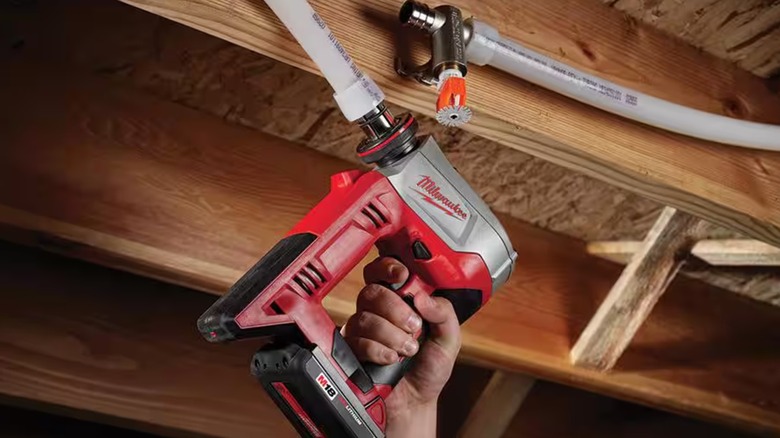
- Battery-Powered PEX Expander Tools: These tools offer convenience and ease of use, powered by rechargeable batteries. They are ideal for larger projects or for those who prefer a more automated approach. Brands like Milwaukee and DeWalt offer popular models.
- Hydraulic PEX Expander Tools: These tools use hydraulic pressure to expand the PEX, providing consistent and powerful expansion. They are typically used for larger diameter tubing or for heavy-duty applications.
Choosing the Right PEX Expander Tool
Selecting the right PEX expander tool depends on the scope of your project, your budget, and your personal preferences. Consider the following factors:
- Frequency of Use: If you only plan to use the tool occasionally, a manual tool may suffice. For frequent use, a battery-powered or hydraulic tool is a better investment.
- Tubing Size: Ensure the tool is compatible with the size of PEX tubing you will be working with. Most tools come with interchangeable heads to accommodate different sizes.
- Budget: Manual tools are the most affordable, while battery-powered and hydraulic tools are more expensive.
- Ease of Use: Consider the ergonomics and ease of operation, especially if you will be using the tool for extended periods.
Step-by-Step Guide: Using a PEX Expander Tool
Here's a detailed guide on how to use a PEX expander tool:
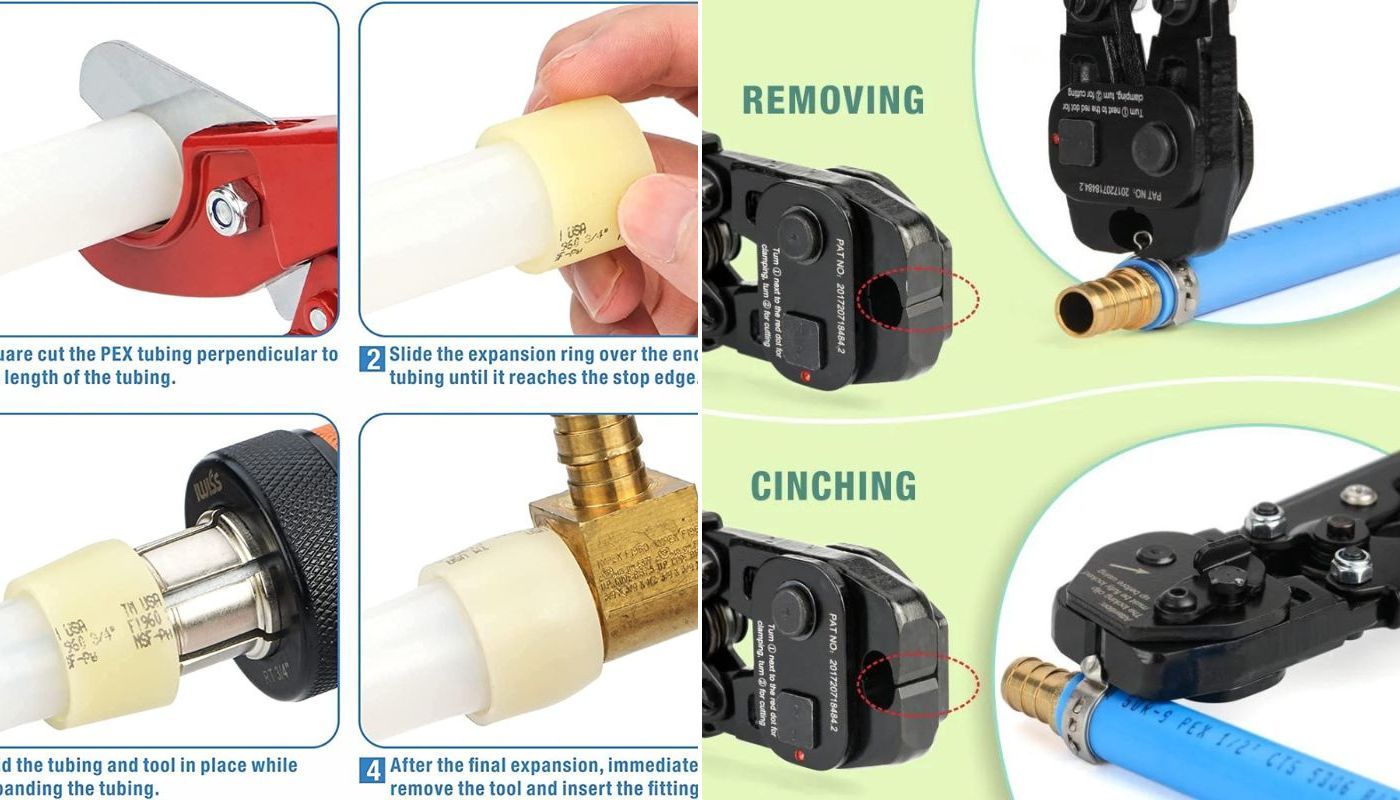
- Prepare the PEX Tubing: Cut the PEX tubing squarely using a PEX cutter. A clean, even cut is essential for a proper connection.
- Select the Appropriate Expansion Head: Choose the expansion head that matches the size of the PEX tubing you are using. Ensure the head is securely attached to the expander tool.
- Insert the Expansion Head: Insert the expansion head into the end of the PEX tubing.
- Expand the PEX Tubing: Activate the expander tool according to the manufacturer's instructions. For manual tools, this typically involves squeezing the handles. For battery-powered and hydraulic tools, it involves pressing a button or lever. Rotate the tool slightly between expansions to ensure even expansion. Refer to the tool's manual for the correct number of expansions.
- Insert the Fitting: Quickly insert the PEX fitting into the expanded end of the PEX tubing. The timing is crucial, as the PEX will begin to shrink back to its original size almost immediately.
- Hold the Connection: Hold the connection in place for a few seconds to allow the PEX to fully shrink around the fitting. This ensures a tight, secure seal.
- Inspect the Connection: Visually inspect the connection to ensure the PEX is fully seated around the fitting.
Tips for Successful PEX Expansion
Here are some helpful tips to ensure successful PEX expansion connections:
- Use the Right Tools: Always use a PEX cutter to ensure a clean, square cut. Avoid using knives or other tools that can damage the PEX tubing.
- Follow Manufacturer's Instructions: Always refer to the manufacturer's instructions for the specific PEX expander tool and PEX tubing you are using.
- Work Quickly: The PEX tubing will begin to shrink back to its original size almost immediately after expansion. Work quickly to insert the fitting and hold the connection in place.
- Ensure Proper Alignment: Make sure the fitting is properly aligned with the PEX tubing before the PEX fully shrinks.
- Test the Connection: After completing the connection, test it for leaks by pressurizing the system.
- Temperature Matters: PEX is more pliable in warmer temperatures. If working in cold conditions, consider warming the PEX tubing slightly to make it easier to expand.
Common Mistakes to Avoid
Avoiding these common mistakes will help you create reliable PEX connections:
- Over-Expanding the PEX: Expanding the PEX too much can weaken the material and lead to leaks. Always follow the manufacturer's instructions for the correct number of expansions.
- Using the Wrong Fitting: Ensure you are using the correct type of PEX fitting for the PEX tubing you are using.
- Not Cutting the PEX Squarely: A non-square cut can lead to a poor seal.
- Not Holding the Connection Long Enough: Failing to hold the connection in place long enough can prevent the PEX from fully shrinking around the fitting.
PEX Systems and HVAC Applications
PEX is increasingly used in HVAC systems for various applications, including:
- Radiant Heating: PEX tubing is ideal for radiant floor heating systems, providing efficient and even heat distribution.
- Hydronic Baseboard Heating: PEX can be used to connect hydronic baseboard heaters, offering a flexible and durable alternative to copper piping.
- Chilled Water Systems: PEX is suitable for chilled water systems, providing a cost-effective and corrosion-resistant solution.
- Geothermal Systems: PEX is commonly used in geothermal heating and cooling systems for underground loops, due to its resistance to soil chemicals and temperature fluctuations.
PEX vs. Other Piping Materials: A Comparison
When choosing piping materials for your HVAC or plumbing projects, consider the following comparison:
- PEX vs. Copper: PEX is more flexible, easier to install, and less expensive than copper. It is also resistant to corrosion and scaling. However, copper has a higher temperature rating and may be preferred for high-temperature applications.
- PEX vs. CPVC: CPVC is another type of plastic piping material that is suitable for hot water applications. PEX is more flexible and easier to install than CPVC.
- PEX vs. PVC: PVC is typically used for drain, waste, and vent (DWV) applications. PEX is suitable for potable water and heating applications.
Maintaining PEX Systems
PEX systems generally require minimal maintenance. However, it's important to:
- Protect PEX from UV Exposure: PEX can degrade over time when exposed to direct sunlight. Protect exposed PEX with insulation or UV-resistant coverings.
- Avoid Sharp Bends: Avoid sharp bends in PEX tubing, as this can restrict flow and weaken the tubing. Use bending supports or elbows to create smooth bends.
- Inspect Connections Regularly: Periodically inspect PEX connections for leaks or damage.
Popular PEX Brands and Systems
Several reputable brands offer PEX tubing and fittings. Some popular choices include:
- Uponor/Wirsbo: Known for their Uponor AquaPEX and ProPEX expansion system.
- Viega: Offers PEX Press fittings and systems, popular for their ease of installation.
- SharkBite: Provides push-to-connect fittings compatible with PEX, copper, and CPVC.
- Watts: Offers a range of PEX tubing and fittings for various applications.
Conclusion
The PEX expander tool is an essential tool for anyone working with PEX tubing in HVAC and plumbing applications. By understanding the different types of tools, following the proper procedures, and avoiding common mistakes, you can create reliable and leak-free PEX connections. Whether you're installing radiant heating, repairing a plumbing leak, or upgrading your HVAC system, mastering the PEX expansion method will save you time, money, and headaches.