How To Use A Ridgid Pipe Threader
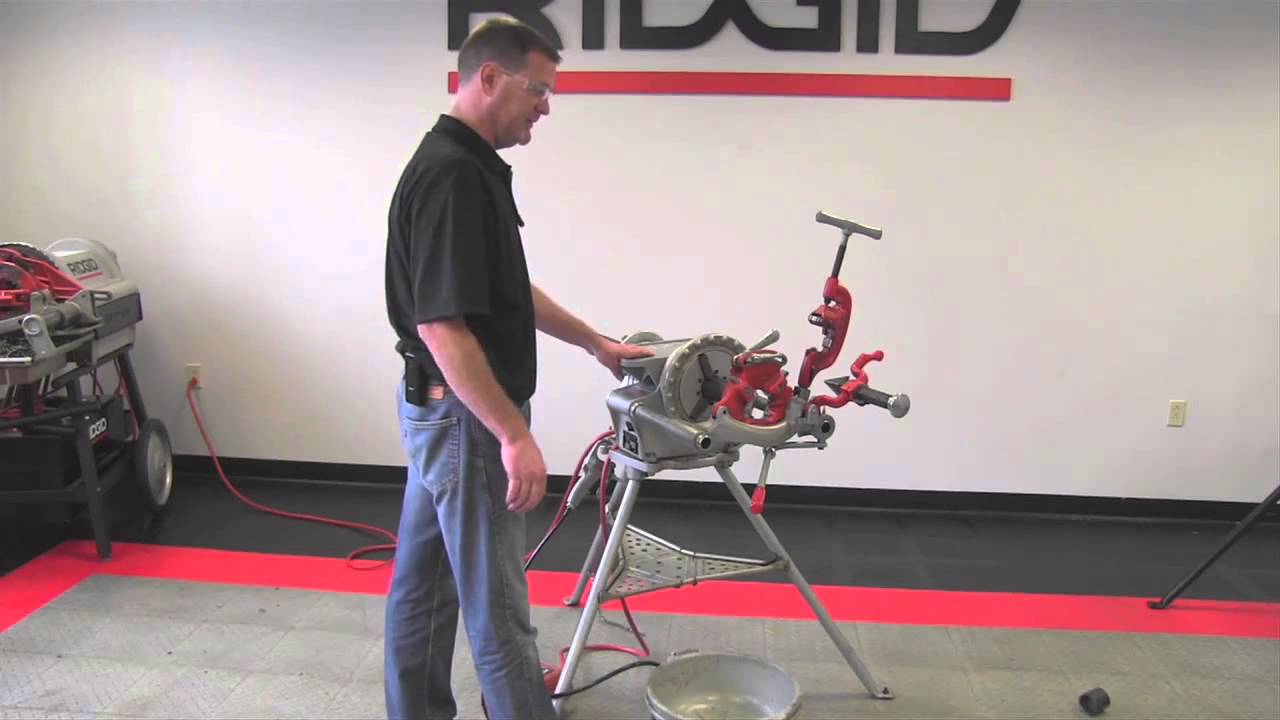
Pipe threading is a fundamental skill in the HVAC (Heating, Ventilation, and Air Conditioning) industry. Whether you're a student learning the ropes, a seasoned technician brushing up on your skills, or an employer seeking qualified candidates, mastering the use of a pipe threader is crucial. This article focuses on using a Ridgid pipe threader, a tool renowned for its durability and precision, providing practical guidance and industry insights.
Understanding the Importance of Pipe Threading in HVAC
HVAC systems rely heavily on piping to transport fluids like refrigerant, water, and gas. Accurate and reliable pipe threading is essential for creating leak-proof connections, ensuring the efficient and safe operation of these systems. Poorly threaded pipes can lead to leaks, reduced system performance, and even hazardous situations.
The U.S. Bureau of Labor Statistics projects a growth rate of 6% for HVAC technicians from 2022 to 2032, about as fast as the average for all occupations. This growth is driven by factors such as new construction, retrofitting older buildings with energy-efficient systems, and the increasing demand for indoor air quality. With a median annual wage of around $51,390 in May 2022, according to the BLS, skilled HVAC technicians are well-compensated, and those with specialized skills like pipe threading are even more sought after.
Step-by-Step Guide to Using a Ridgid Pipe Threader
Safety First: Before you even think about touching the equipment, prioritize safety. Always wear safety glasses to protect your eyes from flying metal shavings. Gloves are also recommended to protect your hands. Ensure the workspace is well-lit and free from obstructions.
Preparing the Pipe and Threader
- Select the Correct Pipe: Ensure you're using the right type and size of pipe for the application. Check for any damage or imperfections.
- Clean the Pipe: Remove any dirt, rust, or scale from the end of the pipe using a file or wire brush. This will ensure a clean and accurate thread.
- Ream the Pipe: Use a reamer to remove any burrs from the inside of the pipe. This improves flow and prevents restrictions in the system.
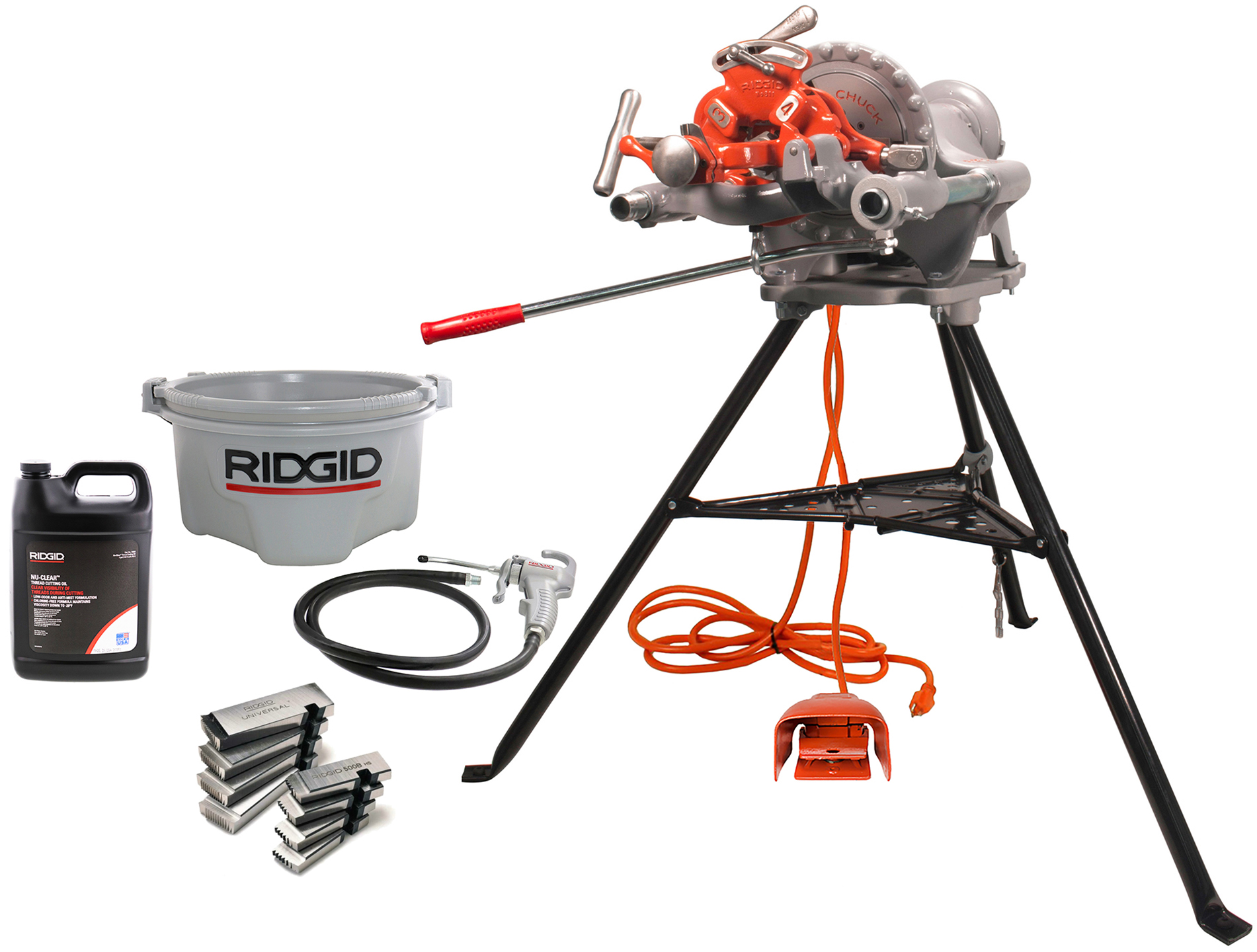
- Select the Correct Die Head: Ridgid threaders come with interchangeable die heads for different pipe sizes. Choose the correct die head for the pipe you're working with. The size is typically stamped on the die head.
- Mount the Die Head: Securely mount the die head onto the threader. Ensure it's properly locked in place.
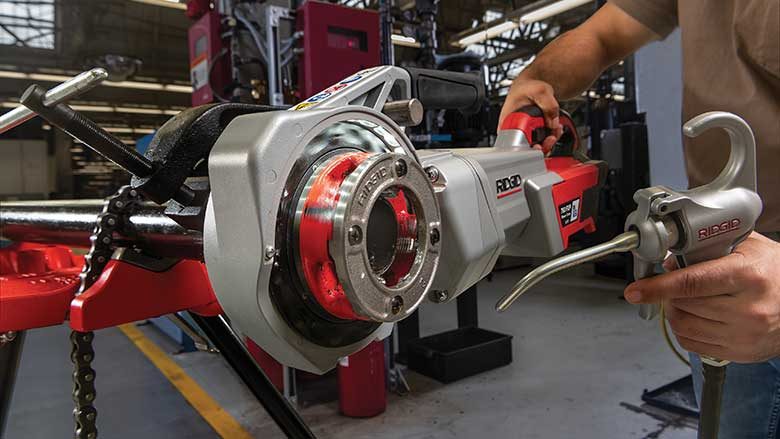
- Apply Cutting Oil: Generously apply cutting oil to the pipe end and the dies. Cutting oil lubricates the dies, reduces friction, and helps create clean, accurate threads. Ridgid offers specific cutting oils designed for pipe threading.
Threading the Pipe
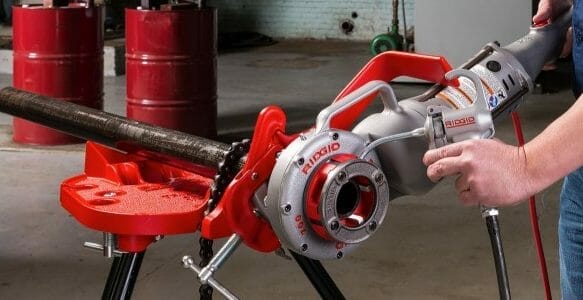
- Position the Pipe: Insert the pipe into the die head. Ensure the pipe is aligned straight and square with the die head.
- Engage the Threader: If you're using a manual threader, apply steady, even pressure while turning the handle. If you're using a power threader, engage the power switch and allow the machine to do the work.
- Maintain Even Pressure: Avoid applying excessive force, which can damage the dies or create poor-quality threads. Let the threader do the work.
- Continue Threading: Continue threading until the desired length of thread is achieved. Most die heads have a built-in gauge to indicate the correct thread length.
- Reverse the Threader: Once the threading is complete, reverse the threader to remove the pipe from the die head.
- Clean the Threads: Clean the newly threaded pipe with a wire brush to remove any metal shavings or excess cutting oil.
- Inspect the Threads: Visually inspect the threads for any imperfections. The threads should be clean, sharp, and uniform. Use a thread gauge to verify the thread pitch and depth.
Troubleshooting Common Issues
Even with proper technique, problems can sometimes arise. Here are some common issues and how to address them:
- Stripped Threads: This can occur if too much force is applied or if the dies are worn. Replace worn dies and avoid excessive force.
- Cross-Threading: Ensure the pipe is aligned straight and square with the die head before starting.
- Rough Threads: This can be caused by dull dies or insufficient cutting oil. Sharpen or replace the dies and ensure adequate lubrication.
- Difficulty Threading: Check for obstructions in the pipe or the die head. Ensure the correct die head is being used for the pipe size.
Certifications and Career Advancement in HVAC
Earning industry certifications can significantly boost your career prospects in HVAC. Some key certifications include:
- NATE (North American Technician Excellence): NATE certification demonstrates competence in specific HVAC areas, such as installation, service, and repair.
- EPA Section 608 Certification: This certification is required for technicians who handle refrigerants. It covers regulations related to refrigerant recovery, recycling, and reclamation.
- HVAC Excellence: Another nationally recognized certification organization that offers a variety of certifications for HVAC technicians.
Employers often prefer candidates with these certifications, as they demonstrate a commitment to professionalism and a high level of skill. Furthermore, holding certifications can lead to higher salaries and more opportunities for advancement.
Career paths in HVAC are diverse. Many technicians start as apprentices and gradually advance to become lead technicians, supervisors, or even business owners. Specializing in areas like commercial HVAC, refrigeration, or building automation can further enhance career opportunities.
The Future of HVAC and Pipe Threading
The HVAC industry is constantly evolving, with new technologies and regulations emerging regularly. Staying up-to-date with the latest trends is essential for career success. This includes understanding new refrigerant types, energy-efficient systems, and smart HVAC technologies.
While some newer piping systems, like those using press-fit connections, are gaining popularity, traditional pipe threading remains a vital skill. Many existing HVAC systems still rely on threaded connections, and in certain applications, threaded pipes offer superior durability and reliability.
According to industry research, the adoption of digital tools and technologies is increasing in the HVAC sector. Technicians are using tablets and smartphones to access technical information, diagnose problems, and generate reports. Embracing these technologies can improve efficiency and productivity.
For employers, investing in training and development for their employees is crucial for maintaining a competitive edge. Providing opportunities for technicians to learn new skills, such as advanced pipe threading techniques, can improve their performance and job satisfaction.
In conclusion, mastering the use of a Ridgid pipe threader is a valuable asset for anyone involved in the HVAC industry. By following the steps outlined in this guide and continuously updating your skills, you can ensure your success in this dynamic and rewarding field. The combination of practical skills, industry certifications, and a commitment to lifelong learning will pave the way for a fulfilling and prosperous HVAC career.