How To Use A Snake For Plumbing
We've all been there. You're washing dishes, taking a shower, or flushing the toilet, and suddenly the water starts backing up. A clogged drain is one of the most common household plumbing problems. While some blockages require professional help, many can be cleared using a simple plumbing snake. This article will guide you through the process of diagnosing a clog and using a snake safely and effectively.
Diagnosis: Is It Really a Clog?
Before reaching for the snake, it's important to confirm you're actually dealing with a clog and not a more serious plumbing issue. Consider these points:
- Slow Drainage: The most obvious sign. Water drains significantly slower than usual.
- Gurgling Sounds: Gurgling noises from the drain indicate trapped air struggling to escape past the blockage.
- Standing Water: Water pooling in the sink, tub, or toilet bowl is a clear indication of a clog.
- Multiple Fixtures Affected: If *all* your drains are slow or clogged, the problem might be further down the main sewer line, requiring professional attention.
- Foul Odor: A rotten egg smell could indicate a sewer gas leak, a serious issue that warrants immediate professional help.
If you've identified a localized clog in a single drain, then it's time to consider using a plumbing snake.
Safety First!
Before we get started, let's cover some essential safety precautions:
- Wear Gloves: Protect your hands from grime and potential bacteria. Heavy-duty rubber gloves are recommended.
- Eye Protection: Splashes can occur, so wear safety glasses or goggles to protect your eyes.
- Avoid Chemicals: Do *not* use chemical drain cleaners *before* snaking. The snake could splash the chemicals back onto you, causing burns. Also, chemical drain cleaners can weaken pipes.
- Gentle Approach: Avoid forcing the snake. Use a gentle, probing motion to avoid damaging your pipes.
Choosing the Right Snake
Plumbing snakes come in various types and sizes. Here's a breakdown:
- Toilet Auger (Closet Auger): Specifically designed for toilets, with a curved end to protect the porcelain.
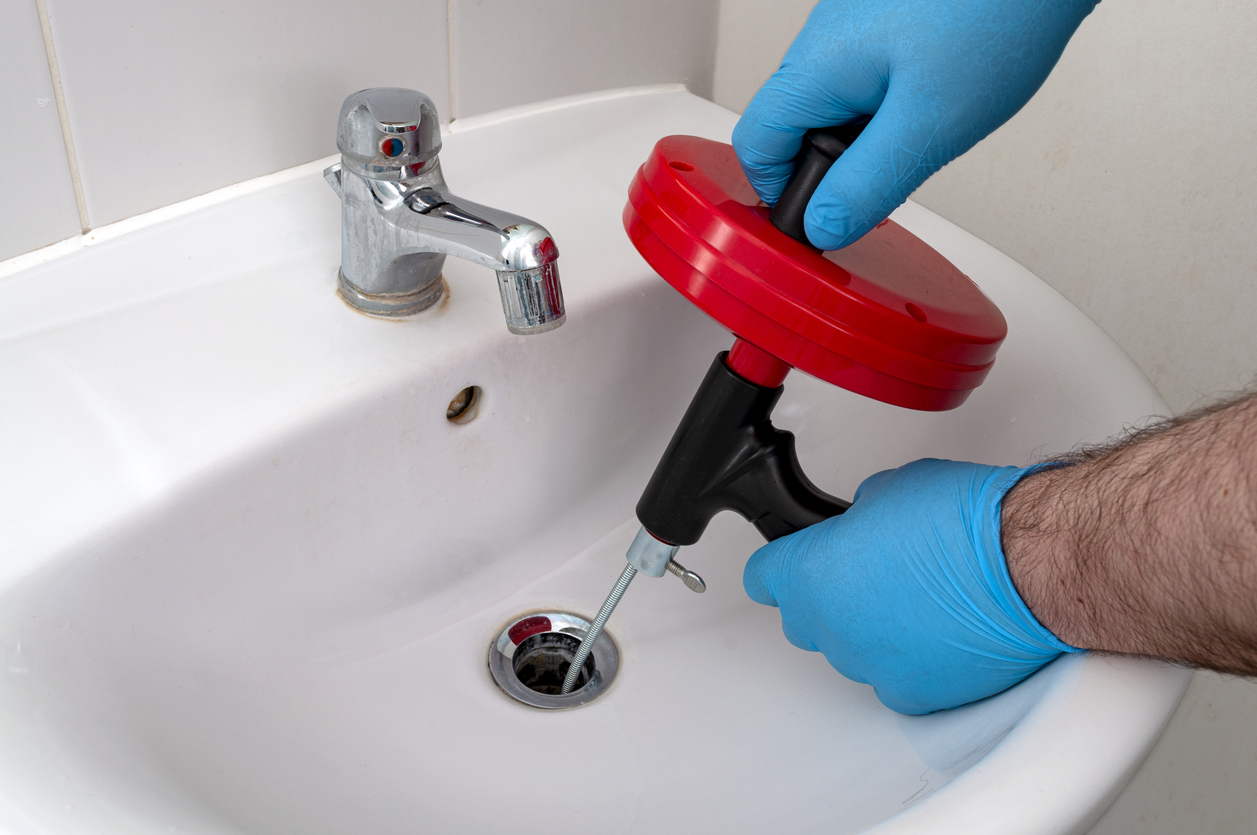
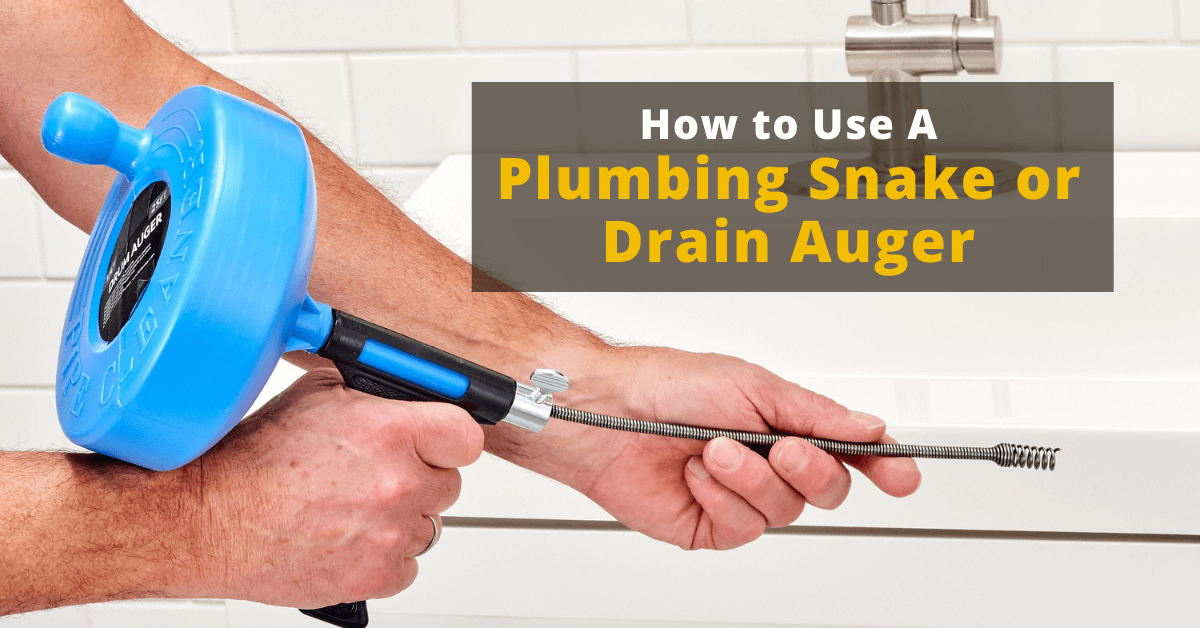
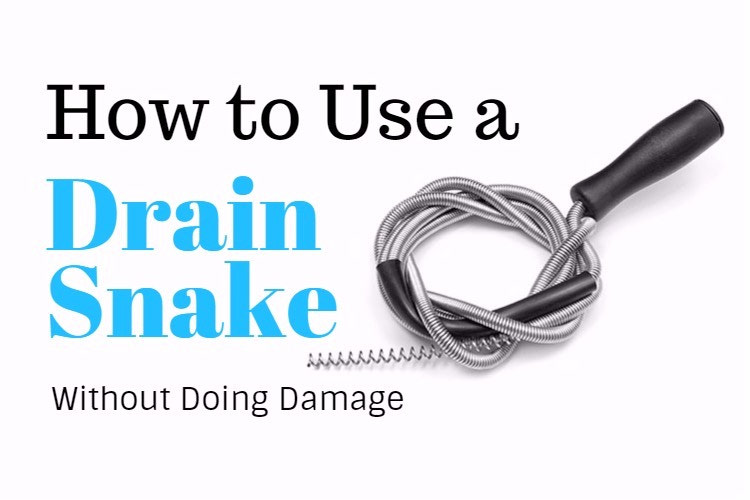
- Sink Snake (Drain Auger): A smaller, more flexible snake for sinks, tubs, and showers.
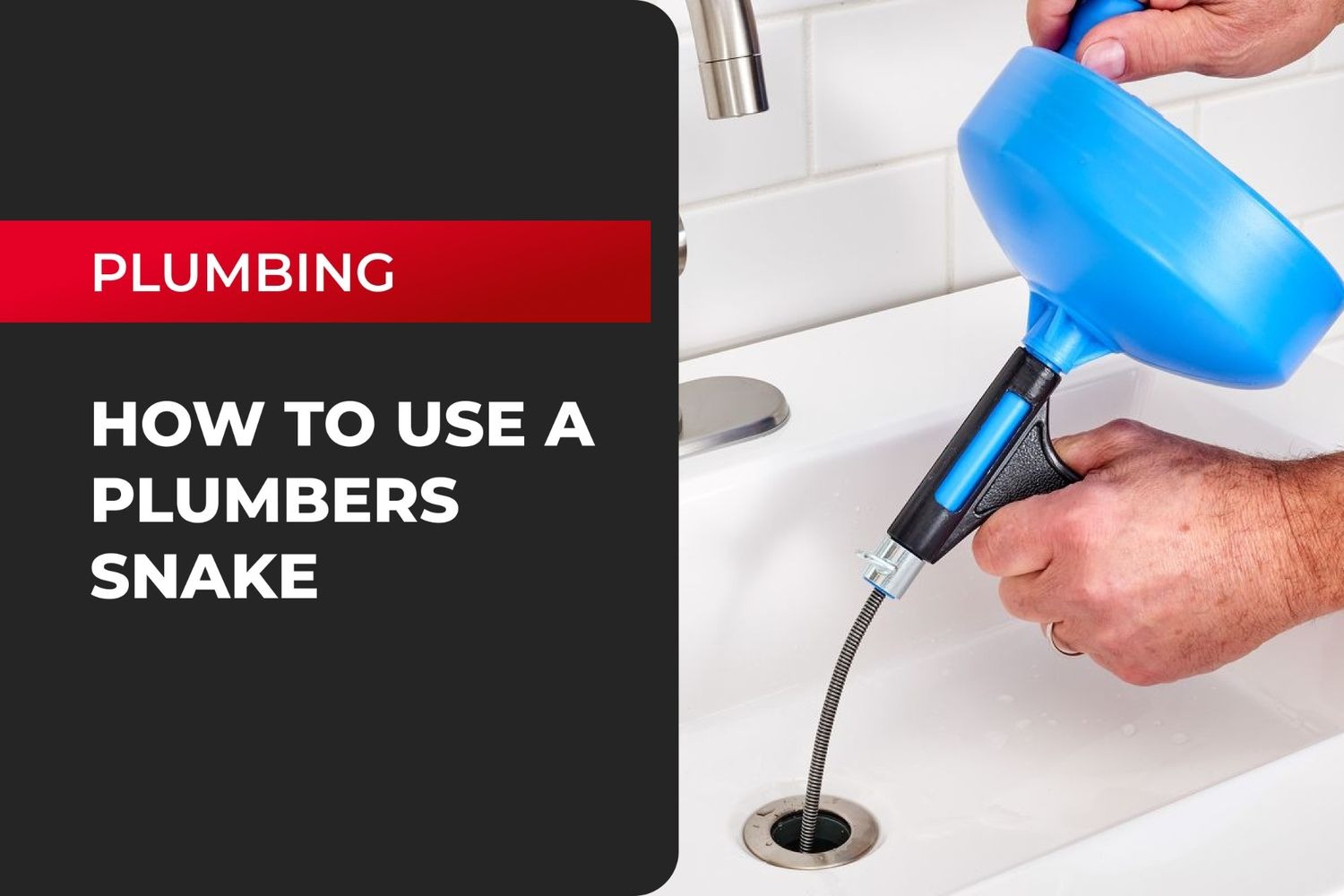
- Drum Auger: A larger snake with a hand crank that stores the cable in a drum. Suitable for longer runs of pipe.
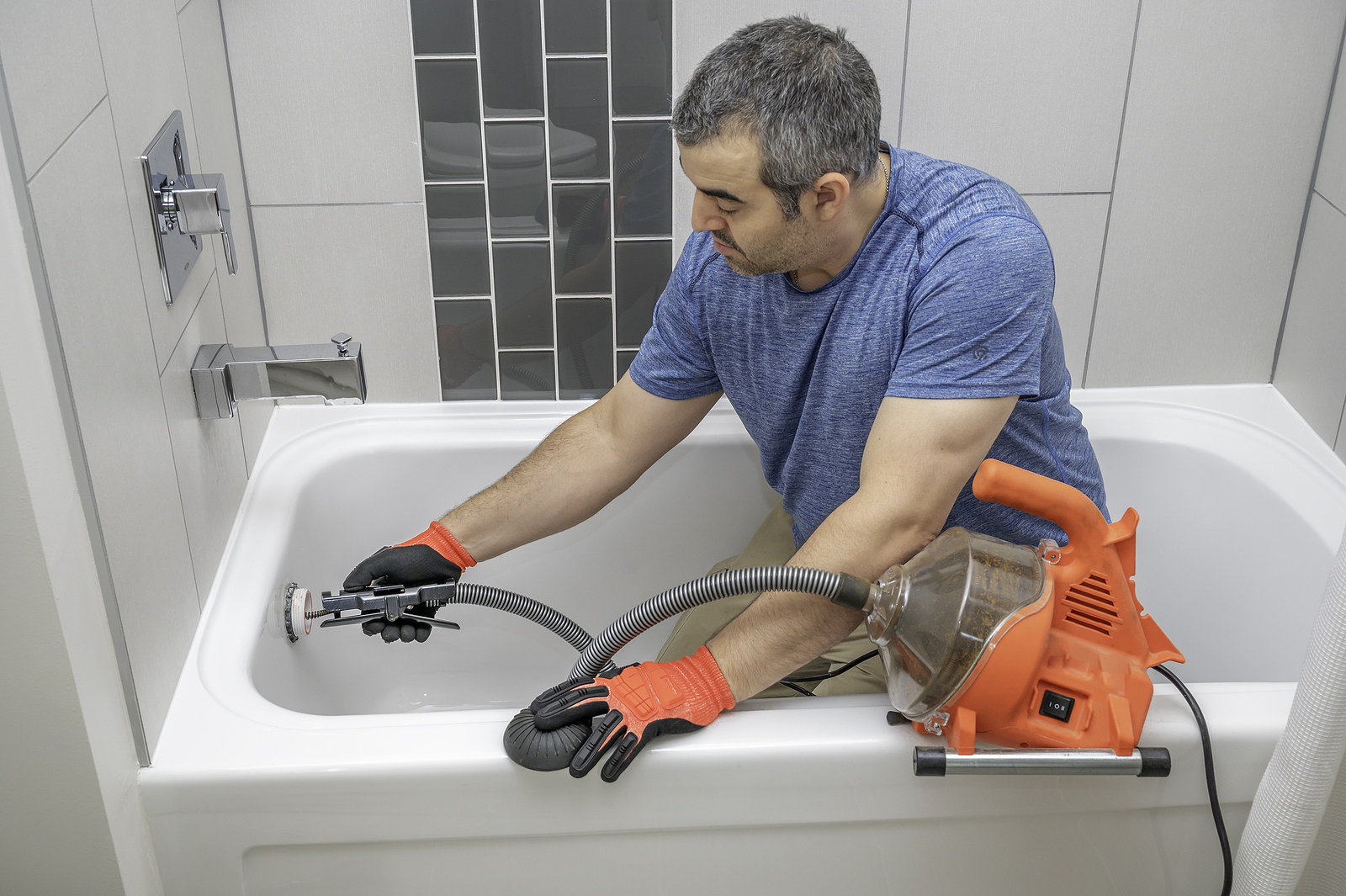
- Electric Auger: A powerful snake with a motor to rotate the cable. Best for stubborn clogs and larger pipes; usually best left to professionals.
For most common household clogs in sinks and tubs, a sink snake (drain auger) will suffice. For toilets, use a toilet auger (closet auger).
Step-by-Step Guide: Snaking a Sink or Tub Drain
Here's how to use a plumbing snake to clear a clog in a sink or tub drain:
Step 1: Preparation
Clear the area around the drain. Remove the drain stopper if possible. Some stoppers can be easily lifted out, while others might require loosening a screw.
Step 2: Inserting the Snake
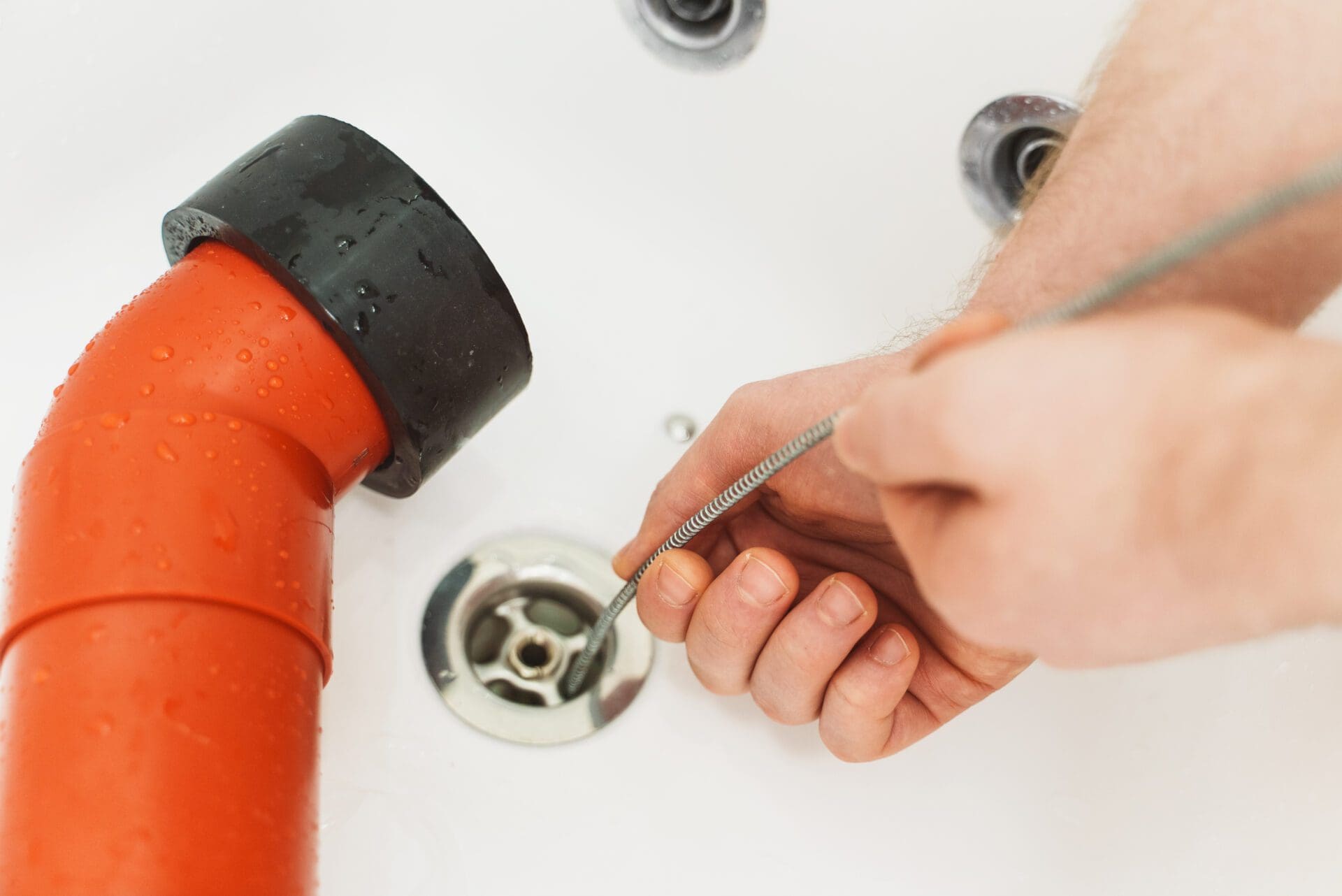
Carefully insert the end of the snake into the drain opening. Feed it in slowly and gently. If you encounter resistance, try rotating the snake slightly.
Step 3: Breaking Up the Clog
Once you feel the snake encounter the clog, use a twisting or rotating motion to break it up. Push and pull the snake gently to loosen the blockage.
Step 4: Removing the Snake
Carefully retract the snake from the drain. As you pull it out, clean off any debris that clings to the end. You might find hair, soap scum, or other gunk. Dispose of the debris properly.
Step 5: Flushing the Drain
Run hot water down the drain for several minutes to flush away any remaining debris. Observe how quickly the water drains. If the water drains freely, the clog is likely cleared.
Step 6: Repeat if Necessary
If the drain is still slow, repeat the process. You might need to snake the drain several times to completely clear the clog.
Step-by-Step Guide: Snaking a Toilet Drain
Toilets require a slightly different approach due to their unique design. Use a toilet auger for this task.
Step 1: Preparation
There's not much to prepare here, but make sure you have the toilet auger ready. You should also have a bucket nearby in case of overflow.
Step 2: Inserting the Auger
Carefully insert the curved end of the toilet auger into the toilet bowl opening. Guide it down the drain opening. The curved design helps protect the porcelain from scratches.
Step 3: Cranking and Breaking Up the Clog
Once the auger encounters resistance, begin cranking the handle. The cranking action will rotate the cable and help break up the clog. Continue cranking until the auger moves freely.
Step 4: Retracting the Auger
Carefully retract the auger from the toilet bowl. Clean off any debris attached to the end and dispose of it properly.
Step 5: Flushing the Toilet
Flush the toilet to see if the clog is cleared. Observe the water level and drainage. If the toilet flushes normally, the clog is likely gone.
Step 6: Repeat if Necessary
If the toilet still doesn't flush properly, repeat the process. It may take several attempts to completely clear the clog.
Tips for Preventing Future Clogs
Preventing clogs is always better than having to fix them. Here are some tips to keep your drains clear:
- Use Drain Screens: Install drain screens in your sinks and tubs to catch hair, soap scum, and other debris.
- Avoid Pouring Grease Down the Drain: Grease solidifies in the pipes and causes major blockages. Dispose of grease in a separate container.
- Flush Only Toilet Paper: Avoid flushing feminine hygiene products, paper towels, or other non-biodegradable items.
- Regularly Flush Drains with Hot Water: Once a week, flush your drains with hot water to help dissolve any buildup.
- Use Enzyme-Based Drain Cleaners: These cleaners use enzymes to break down organic matter without harming your pipes. Avoid harsh chemical drain cleaners.
When to Call a Professional Plumber
While snaking a drain is a relatively simple DIY task, there are times when it's best to call a professional plumber. Here are some situations where professional intervention is necessary:
- Multiple Clogged Drains: If multiple drains in your home are clogged, the problem could be in the main sewer line. This requires specialized equipment and expertise.
- Persistent Clogs: If you've tried snaking the drain multiple times without success, the clog might be too deep or too stubborn for a DIY fix. It could also indicate a more serious underlying issue, like tree root intrusion.
- Sewer Odor: A strong sewer odor emanating from your drains could indicate a broken sewer line or a problem with the venting system. This requires immediate professional attention.
- You Damage the Pipe: If you accidentally damage the pipe while snaking it, call a plumber immediately. Attempting to repair a damaged pipe yourself could lead to further problems and potential water damage.
- You're Uncomfortable: If you're not comfortable working with plumbing or you're unsure about any part of the process, don't hesitate to call a professional. It's better to be safe than sorry.
- Standing Water with Potential Contamination: If there's standing water that you suspect may be contaminated with sewage, avoid contact and call a plumber to handle the situation safely.
Specifically, tree root intrusion is a common cause of stubborn clogs, especially in older homes with aging sewer lines. Roots can infiltrate cracks in the pipes and create massive blockages. A plumber can use specialized equipment like a sewer camera to diagnose the problem and recommend the appropriate solution, such as hydro jetting or pipe replacement.
Hydro jetting is a powerful drain cleaning method that uses high-pressure water to blast away stubborn clogs and debris. It's more effective than snaking for removing grease, sludge, and tree roots. However, it should only be performed by a qualified plumber, as it can damage older or fragile pipes if not done correctly.
Pipe replacement is a more drastic solution, but it may be necessary if the pipes are severely damaged or corroded. A plumber can assess the condition of your pipes and determine if replacement is the best option.
In conclusion, using a plumbing snake is a valuable skill for any homeowner. By following these steps and taking the necessary precautions, you can often clear minor clogs yourself and save money on plumbing bills. However, it's important to recognize when the problem is beyond your capabilities and to call a professional plumber for assistance. Knowing when to DIY and when to seek expert help will keep your plumbing system running smoothly and prevent costly repairs down the road.