How To Use An Oil Burner Pipe

Understanding the oil burner pipe is crucial for HVAC professionals specializing in heating systems. This component, sometimes referred to as the oil line or fuel line, plays a vital role in delivering fuel from the oil tank to the burner. Improper installation or maintenance can lead to system inefficiencies, safety hazards, and costly repairs. This article will guide you through the safe and effective use of an oil burner pipe, covering everything from installation and maintenance to troubleshooting and career prospects in this specialized field.
Understanding the Oil Burner Pipe System
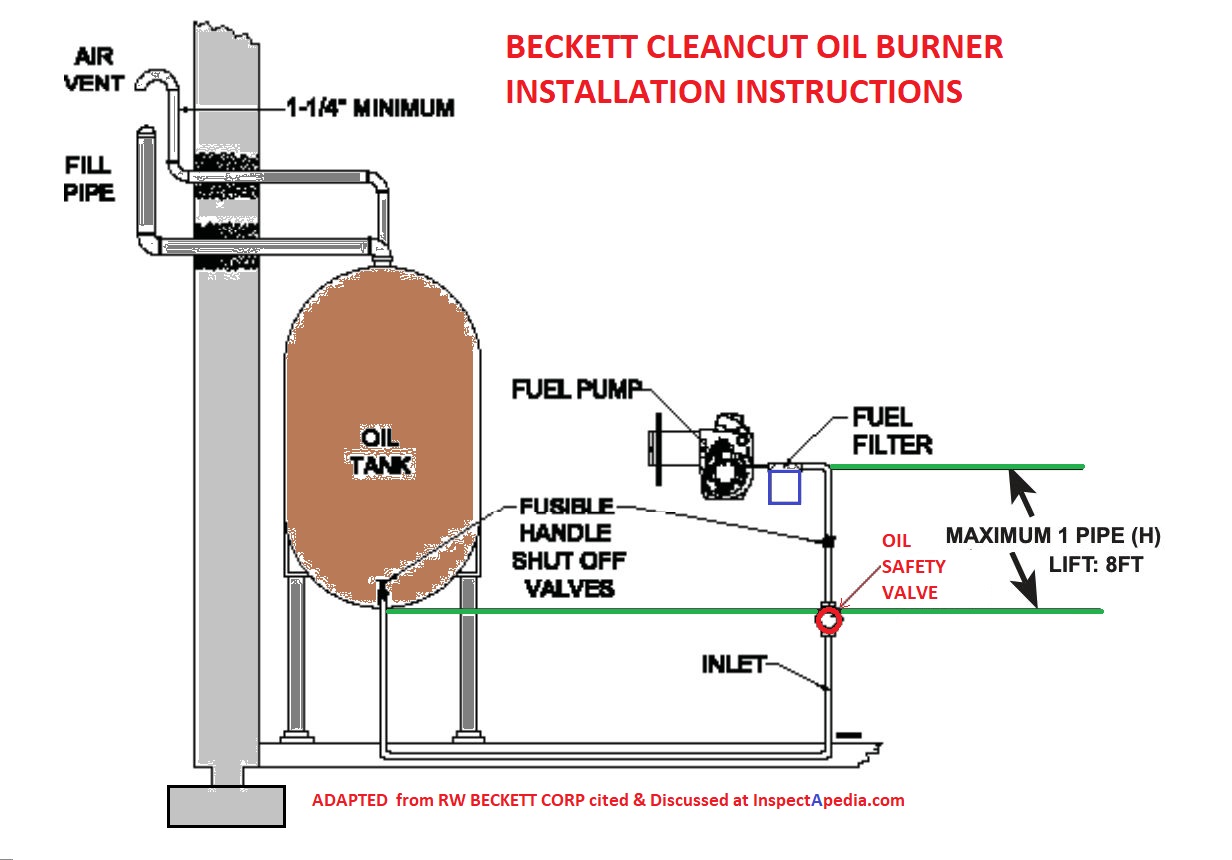
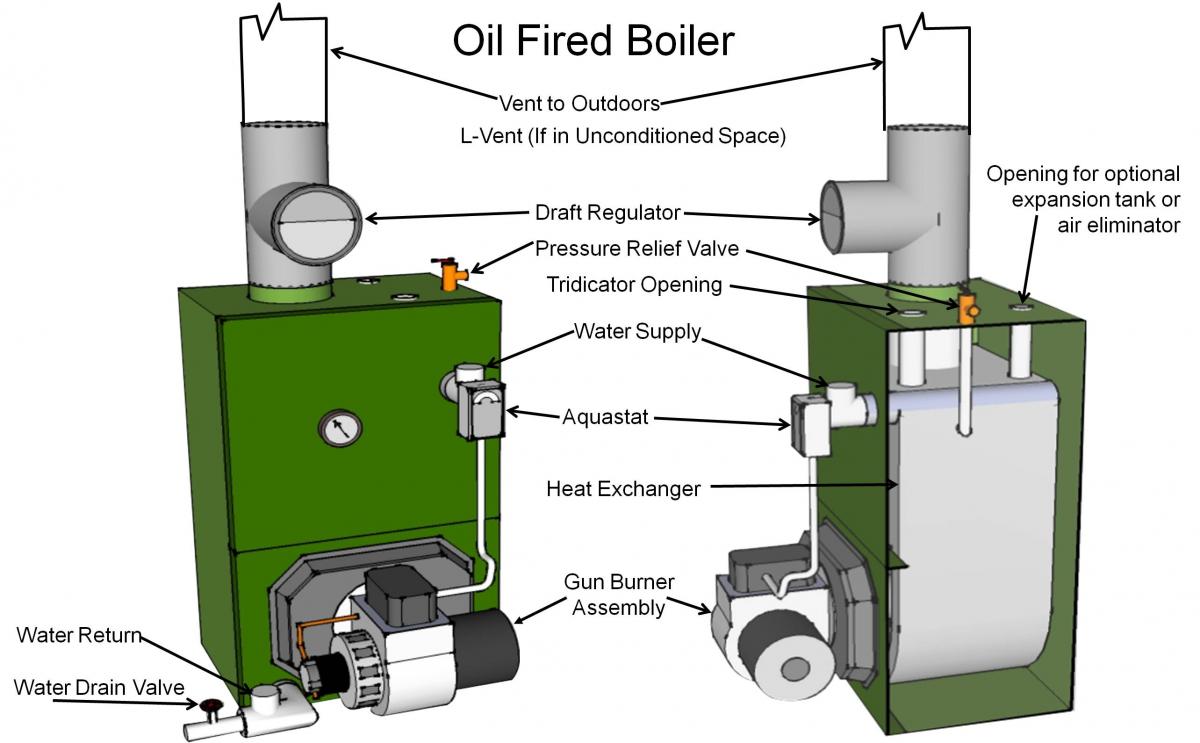
The oil burner pipe system is more than just a single pipe. It's a network designed to efficiently and safely transport fuel oil. Key components include:
- Oil Tank: The storage reservoir for the fuel oil.
- Oil Filter: Removes contaminants from the oil, protecting the burner nozzle.
- Oil Pump: Draws oil from the tank and delivers it to the burner at the required pressure.
- Oil Burner Nozzle: Atomizes the oil for efficient combustion.
- Fuel Lines (Oil Burner Pipe): The pipes connecting these components, typically made of copper or steel.
The type and size of the oil burner pipe are determined by the burner's fuel consumption rate and the distance between the tank and the burner. Always consult the manufacturer's specifications for recommended pipe sizes and materials.
Installation Best Practices
Proper installation is paramount for the safe and reliable operation of an oil burner system. Here are essential steps:
- Planning and Preparation: Before starting, carefully plan the routing of the oil burner pipe. Consider the shortest possible distance between the tank and the burner, avoiding sharp bends or obstructions. Check local codes and regulations for specific requirements.
- Material Selection: Copper and steel are the most common materials for oil burner pipes. Copper is more flexible and easier to work with, but steel is more durable and resistant to physical damage. Use approved fittings compatible with the chosen pipe material.
- Cutting and Joining: When cutting the pipe, use a proper pipe cutter to ensure a clean, square cut. Deburr the cut edges to prevent restrictions in oil flow. Use appropriate joining methods, such as flaring for copper and threading or compression fittings for steel. Ensure all connections are tight and leak-proof.
- Slope and Support: The oil burner pipe should be sloped slightly downwards from the tank to the burner to allow any air or water to drain back into the tank. Support the pipe at regular intervals using appropriate hangers or clamps to prevent sagging or stress on the connections.
- Leak Testing: After completing the installation, thoroughly test the system for leaks. Pressurize the line with air and use a leak detection solution to check all connections.
Safety Note: Always turn off the power to the oil burner before working on the fuel system. Wear appropriate personal protective equipment (PPE), such as gloves and eye protection.
Maintenance and Troubleshooting
Regular maintenance is crucial for ensuring the long-term performance and safety of an oil burner system. Key maintenance tasks include:
- Filter Replacement: Replace the oil filter regularly, typically every year. A clogged filter can restrict oil flow and cause burner problems.
- Nozzle Cleaning/Replacement: The burner nozzle should be cleaned or replaced annually. A dirty or worn nozzle can result in poor combustion and soot buildup.
- Leak Inspection: Regularly inspect the oil burner pipe and fittings for leaks. Address any leaks promptly to prevent fuel wastage and potential fire hazards.
- Tank Inspection: Inspect the oil tank for signs of corrosion or damage. Consider having the tank professionally inspected periodically.
Common problems related to the oil burner pipe include:
- Air Leaks: Air in the fuel line can cause the burner to sputter or fail to start. Check all connections for tightness and replace any damaged fittings.
- Oil Leaks: Oil leaks can be a fire hazard and should be addressed immediately. Locate the source of the leak and repair or replace the affected component.
- Clogged Lines: Debris or sludge in the oil tank can clog the fuel lines. Consider having the tank cleaned professionally.
If you encounter persistent problems with your oil burner system, consult a qualified HVAC technician.
Certifications and Training
For HVAC professionals, obtaining relevant certifications demonstrates competency and enhances career prospects. Here are some important certifications for working with oil burner systems:
- NATE (North American Technician Excellence): NATE offers certifications for HVAC technicians in various specialties, including oil heating. NATE certification is widely recognized and respected in the industry.
- EPA 608 Certification: While primarily focused on refrigerant handling, the EPA 608 certification is often a prerequisite for working on HVAC systems that contain refrigerants.
- State and Local Licenses: Many states and localities require HVAC technicians to be licensed. Check with your local authorities for specific requirements.
In addition to certifications, ongoing training is essential for staying up-to-date with the latest technologies and best practices. Consider attending workshops, seminars, and online courses to expand your knowledge and skills.
Career Paths and Job Outlook
The demand for skilled HVAC technicians is projected to grow in the coming years. According to the Bureau of Labor Statistics, the job outlook for HVAC mechanics and installers is projected to grow 6 percent from 2022 to 2032, about as fast as the average for all occupations. The median annual wage for HVAC mechanics and installers was $59,620 in May 2023. The best job prospects are expected for those with formal training and certifications.
Career paths for HVAC technicians specializing in oil burner systems can include:
- Installation Technician: Install and connect oil burner systems in residential and commercial buildings.
- Service Technician: Diagnose and repair problems with existing oil burner systems.
- Maintenance Technician: Perform routine maintenance on oil burner systems to ensure optimal performance and longevity.
- HVAC Sales Representative: Sell oil burner systems and related equipment to customers.
- HVAC Business Owner: Start and operate your own HVAC business.
Real-world example: Sarah, a recent graduate of an HVAC technical school, started her career as an installation technician for a local heating company. She quickly gained experience working on various types of oil burner systems and obtained her NATE certification. After a few years, Sarah transitioned to a service technician role, where she excelled at troubleshooting and repairing complex system problems. Her dedication and expertise led to a promotion to lead technician, where she now oversees a team of junior technicians.
Salaries and Compensation
Salaries for HVAC technicians vary depending on experience, location, and certifications. Entry-level technicians can expect to earn around $40,000 to $50,000 per year, while experienced technicians with advanced certifications can earn $70,000 per year or more. Many HVAC companies also offer benefits such as health insurance, retirement plans, and paid time off.
Technicians who specialize in oil burner systems may command higher salaries due to the specialized knowledge and skills required. Factors influencing earning potential include:
- Experience Level: More experience typically translates to higher pay.
- Certifications: NATE and other relevant certifications can increase earning potential.
- Location: Salaries vary depending on the cost of living and demand for HVAC services in a particular area.
- Specialization: Technicians with expertise in specific types of oil burner systems may earn more.
Resources and Further Learning
To further expand your knowledge of oil burner systems and HVAC in general, consider the following resources:
- HVAC Trade Associations: Organizations like the Air Conditioning Contractors of America (ACCA) and the Plumbing-Heating-Cooling Contractors Association (PHCC) offer training, resources, and networking opportunities.
- HVAC Technical Schools: Enroll in a formal HVAC training program to gain the knowledge and skills needed to succeed in the industry.
- Online Courses: Numerous online platforms offer courses on HVAC topics, including oil burner systems.
- Industry Publications: Stay up-to-date with the latest news and trends by reading HVAC trade publications.
By mastering the principles of oil burner pipe installation, maintenance, and troubleshooting, you can build a successful and rewarding career in the HVAC industry. Remember to prioritize safety, stay current with industry best practices, and continually seek opportunities to expand your knowledge and skills.