How To Use Cadet Wall Heater

Understanding and Using Your Cadet Wall Heater: A Comprehensive Guide
Cadet wall heaters are a popular and efficient way to provide supplemental heat, especially in colder climates. Their ease of installation and use makes them a favorite among homeowners. This guide will walk you through safely operating, maintaining, and troubleshooting common issues with your Cadet wall heater.
Safety First!
Before working on any electrical appliance, including your Cadet wall heater, always disconnect the power at the circuit breaker. Double-check with a non-contact voltage tester to ensure the power is off. Electricity can be dangerous; prioritize your safety.
Important Safety Precautions:
- Always disconnect power at the circuit breaker before any inspection or maintenance.
- Never operate the heater with a damaged cord or plug.
- Keep combustible materials (furniture, curtains, bedding) at least 3 feet away from the heater.
- Do not use the heater in bathrooms or other areas with high humidity, unless specifically designed for such use.
- Never cover the heater. This can cause overheating and a fire hazard.
Operating Your Cadet Wall Heater
Basic Operation
Most Cadet wall heaters feature a simple on/off switch and a thermostat dial. Follow these steps:
- Turn the heater on: Flip the on/off switch to the "On" position. Some models may have a power indicator light.
- Set the thermostat: Rotate the thermostat dial to your desired temperature setting. Start with a low setting and gradually increase it until you achieve a comfortable temperature.
- Observe: Allow the heater to run for a few minutes to see if it's heating properly. Adjust the thermostat as needed.
Understanding Thermostat Settings
The thermostat controls the heater's output based on the room temperature. A higher setting will cause the heater to run longer and produce more heat. Experiment to find the setting that best suits your comfort level. Some thermostats have numbered settings, while others use a simple low-to-high scale. Consult your heater's manual for specific guidance.
Using the Timer (If Equipped)
Some Cadet models come with a built-in timer. This allows you to set the heater to turn on and off automatically at specific times. Refer to your heater's manual for detailed instructions on programming the timer. This can be a great way to save energy and ensure your room is warm when you need it.
Troubleshooting Common Issues
Many minor issues with Cadet wall heaters can be resolved with simple troubleshooting. Here are some common problems and how to address them:
Heater Not Turning On
- Check the power: Make sure the circuit breaker is not tripped. Reset it if necessary.
- Verify the switch: Ensure the on/off switch is in the "On" position.
- Test the thermostat: Turn the thermostat dial to its highest setting. If the heater still doesn't turn on, the thermostat may be faulty.
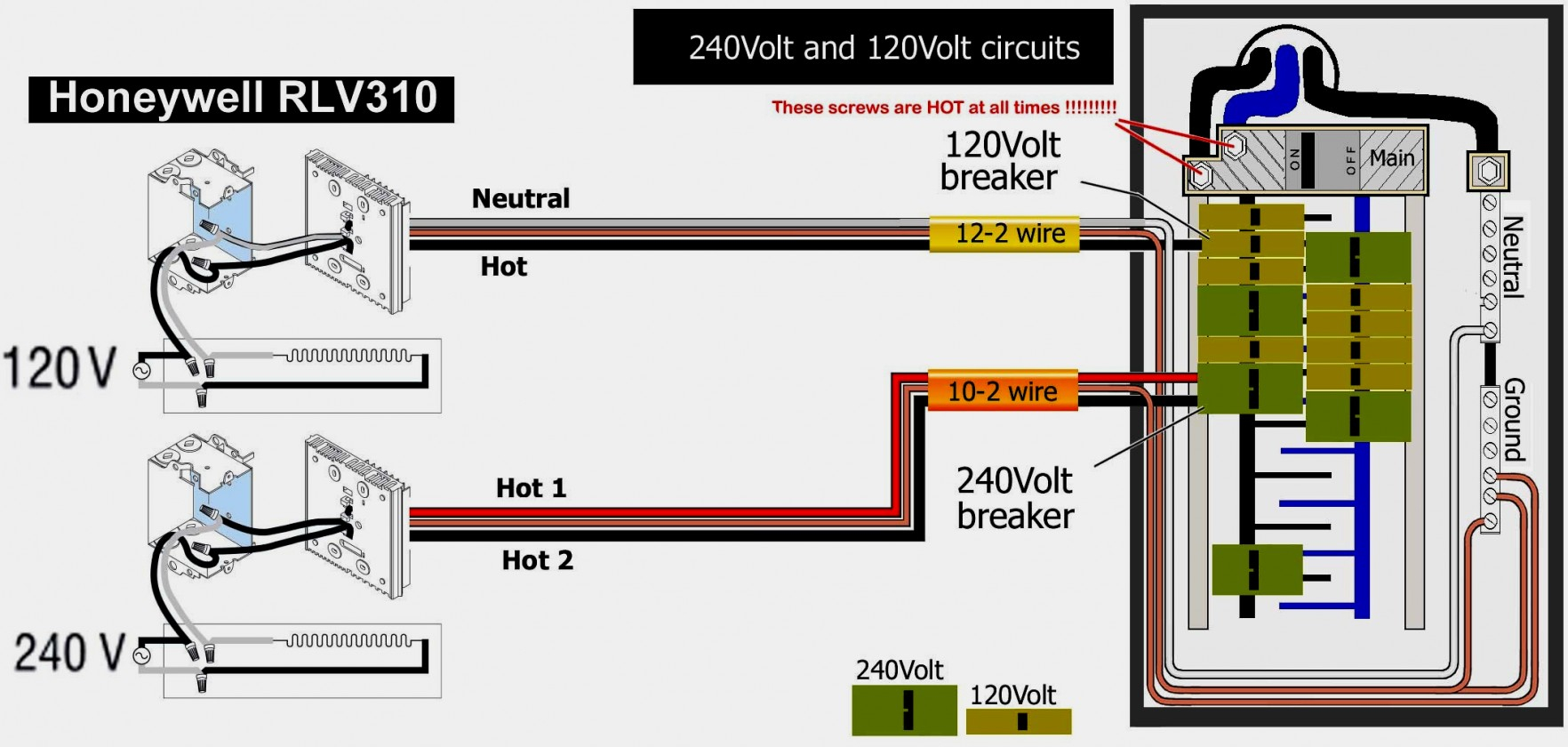
- Inspect the wiring: (After disconnecting power) Check the wiring connections inside the heater. Look for loose wires or signs of damage. If you are not comfortable with electrical wiring, call a qualified electrician.
Heater Not Producing Enough Heat
- Check the thermostat setting: Make sure the thermostat is set high enough.
- Clean the heater: Dust and debris can accumulate on the heating element and reduce its efficiency. (See cleaning instructions below).
- Inspect the heating element: (After disconnecting power) Look for signs of damage or burnout on the heating element. A damaged element will need to be replaced.
- Airflow Obstruction: Ensure that furniture, drapes, or other objects are not blocking the heater’s airflow.
Heater Making Noise
- Dust and debris: Clean the heater thoroughly to remove any accumulated dust or debris.
- Loose parts: (After disconnecting power) Check for loose screws or other hardware. Tighten them as needed.
- Fan blade issues: If your heater has a fan, inspect the fan blades for damage or obstruction. Bent fan blades can cause excessive noise.
Heater Smells Like Burning
- New Heater Burn-Off: A slight burning smell is normal when a new heater is first used. This should dissipate after a few hours.
- Dust Accumulation: Dust burning on the heating element is a common cause of a burning smell. Clean the heater thoroughly.
- Foreign Objects: Ensure that no foreign objects (paper, plastic, etc.) have fallen into the heater.
- Electrical Issue: If the smell persists or is accompanied by smoke, immediately turn off the heater and call a qualified electrician. This could indicate a serious electrical problem.
Maintaining Your Cadet Wall Heater
Regular maintenance will help ensure your Cadet wall heater operates efficiently and safely. The most important maintenance task is cleaning.
Cleaning Your Heater
- Disconnect Power: Always disconnect the power at the circuit breaker before cleaning.
- Vacuum: Use a vacuum cleaner with a brush attachment to remove dust and debris from the heater's exterior and interior. Pay particular attention to the heating element and fan (if equipped).
- Wipe Down: Use a damp (not wet) cloth to wipe down the exterior of the heater. Avoid getting water inside the heater.
- Reassemble: If you removed any parts for cleaning, reassemble them carefully.
Frequency: Clean your Cadet wall heater at least once a year, or more often if you live in a dusty environment.
When to Call a Professional
While many issues can be resolved with DIY troubleshooting, some repairs require the expertise of a qualified HVAC technician or electrician. Call a professional if:
- You are not comfortable working with electricity.
- You suspect a major electrical problem.
- The heating element is damaged or burned out.
- The thermostat is faulty and needs to be replaced.
- The heater is making unusual noises or emitting smoke.
- You are unable to diagnose the problem.
Trying to fix electrical problems without the proper knowledge and experience can be dangerous and could lead to serious injury or property damage.
Parts and Tools
Common Replacement Parts
- Thermostat: A faulty thermostat is a common cause of heater malfunction.
- Heating Element: Damaged or burned-out heating elements need to be replaced.
- On/Off Switch: A worn-out switch can prevent the heater from turning on.
- Limit Switch: This safety device prevents overheating.
- Fan Motor (if applicable): For fan-forced heaters.
When replacing parts, always use genuine Cadet replacement parts or parts that are specifically designed for your heater model. Using incompatible parts can be dangerous.
Essential Tools
- Screwdrivers: Both Phillips and flathead screwdrivers are needed for disassembling the heater.
- Non-Contact Voltage Tester: Essential for ensuring the power is off.
- Multimeter: For testing electrical components (requires knowledge of electrical testing).
- Vacuum Cleaner: For cleaning dust and debris.
- Wire Strippers/Crimpers: For making electrical connections (if necessary).
- Pliers: For gripping and manipulating wires.
Estimating Repair Costs
Repair costs for Cadet wall heaters can vary depending on the type of repair needed and the cost of labor in your area. Here are some approximate estimates:
- Thermostat Replacement: $75 - $150 (including parts and labor)
- Heating Element Replacement: $100 - $200 (including parts and labor)
- On/Off Switch Replacement: $50 - $100 (including parts and labor)
- Professional Diagnosis: $75 - $150 (service call fee)
These are just estimates. It's always best to get a quote from a qualified HVAC technician or electrician before proceeding with any repairs.
Extending the Life of Your Cadet Wall Heater
By following these tips, you can help extend the life of your Cadet wall heater and keep it running efficiently for years to come:
- Clean the heater regularly.
- Avoid blocking the heater's airflow.
- Do not overload the circuit.
- Have the heater inspected annually by a qualified technician.
With proper care and maintenance, your Cadet wall heater can provide reliable and efficient supplemental heat for many years.