How To Use Coil Spring Compressor
Understanding Coil Spring Compressors: A Guide for HVAC Professionals and DIY Enthusiasts
When dealing with HVAC systems, particularly during maintenance or repairs involving compressors, understanding the use of a coil spring compressor is crucial. This tool is essential for safely compressing and decompressing the springs found in many HVAC components, allowing for component replacement or repair. This guide provides a comprehensive overview of how to use a coil spring compressor, safety precautions, and alternative methods, geared towards homeowners, real estate investors, and HVAC contractors.
Why Use a Coil Spring Compressor?
Coil springs store a significant amount of energy under compression. Releasing this energy uncontrolled can lead to serious injury or damage to equipment. A coil spring compressor provides a controlled method for compressing and decompressing these springs, making maintenance and repair tasks significantly safer and more efficient.
Benefits:
- Safety: Prevents uncontrolled release of spring energy.
- Efficiency: Simplifies disassembly and reassembly of components.
- Precision: Allows for controlled compression and decompression.
Types of Coil Spring Compressors
Several types of coil spring compressors are available, each suited for different applications and spring sizes. Choosing the right type is critical for safety and effectiveness.
- Internal Coil Spring Compressors: These compressors are designed to fit inside the coil spring. They typically feature two jaws that expand outwards to grip the inner surface of the spring. These are often used for smaller springs found in some HVAC units.
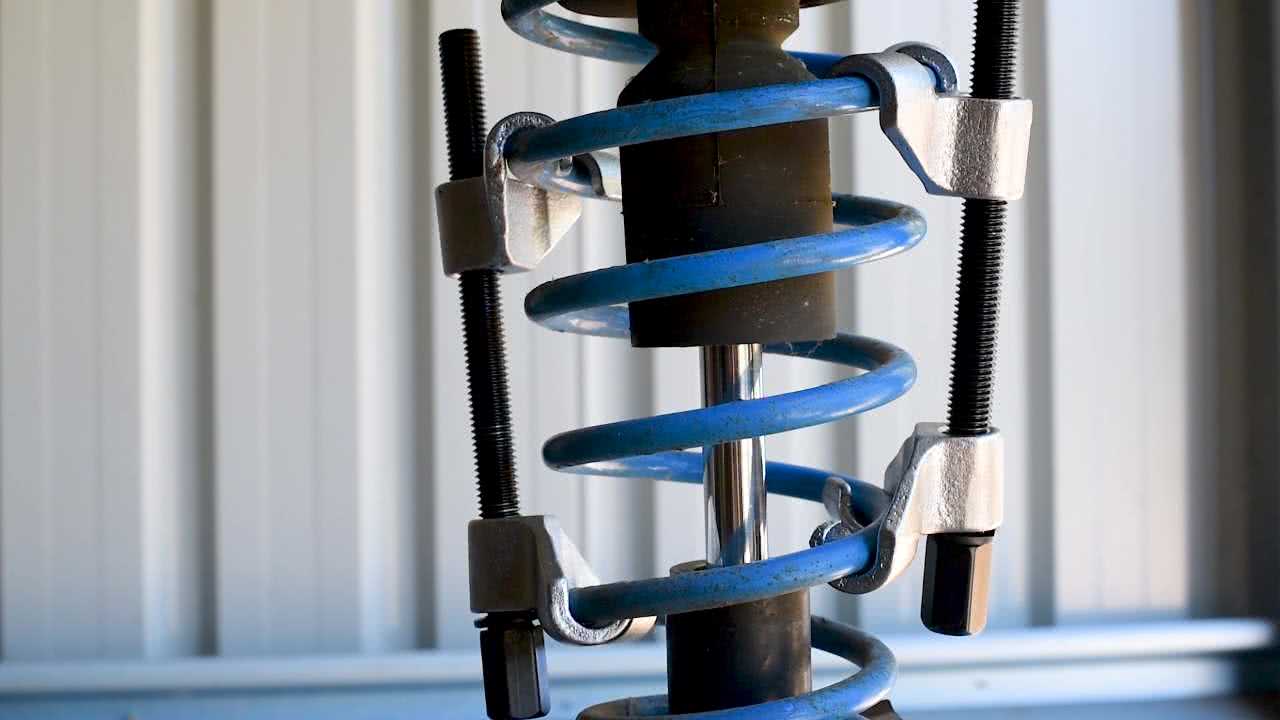
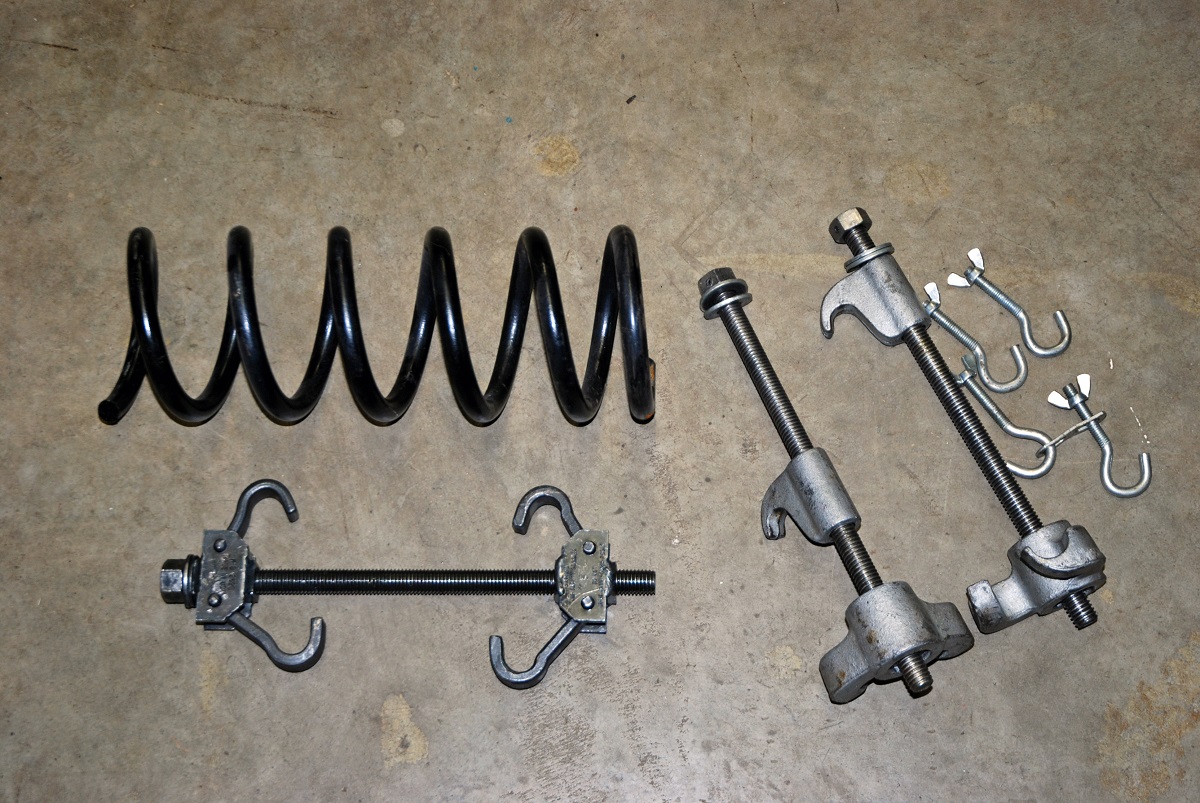
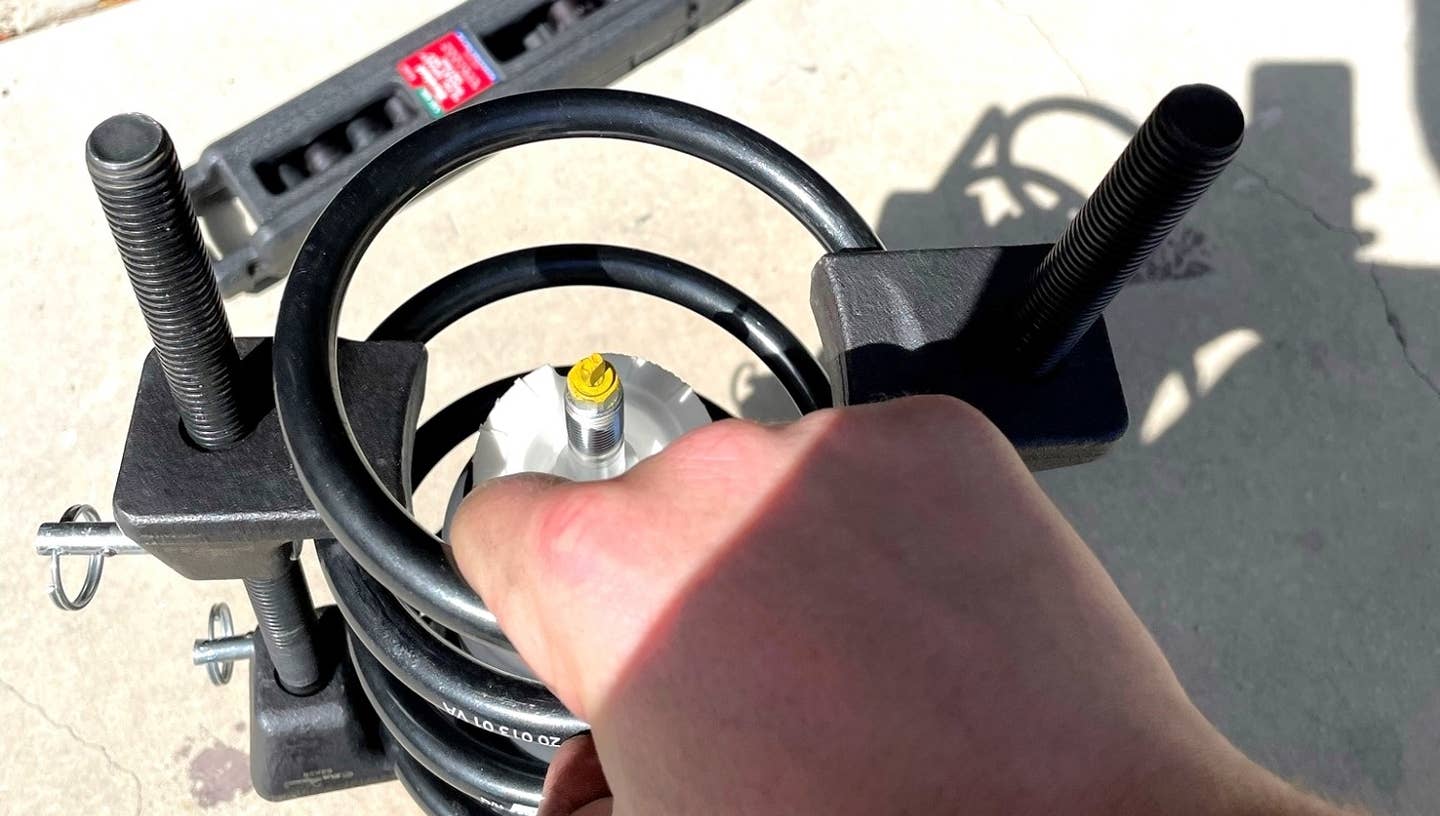
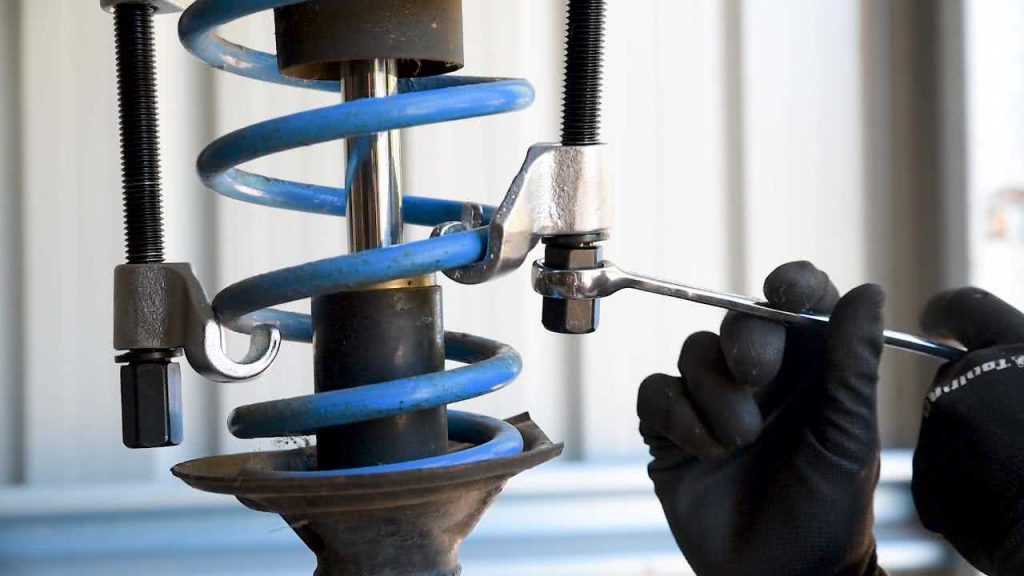
- External Coil Spring Compressors: These are the most common type. They consist of two yokes with hooks that grip the outer surface of the coil spring. A threaded rod or hydraulic mechanism is then used to compress the spring. These are generally suitable for a wide range of spring sizes and strengths.
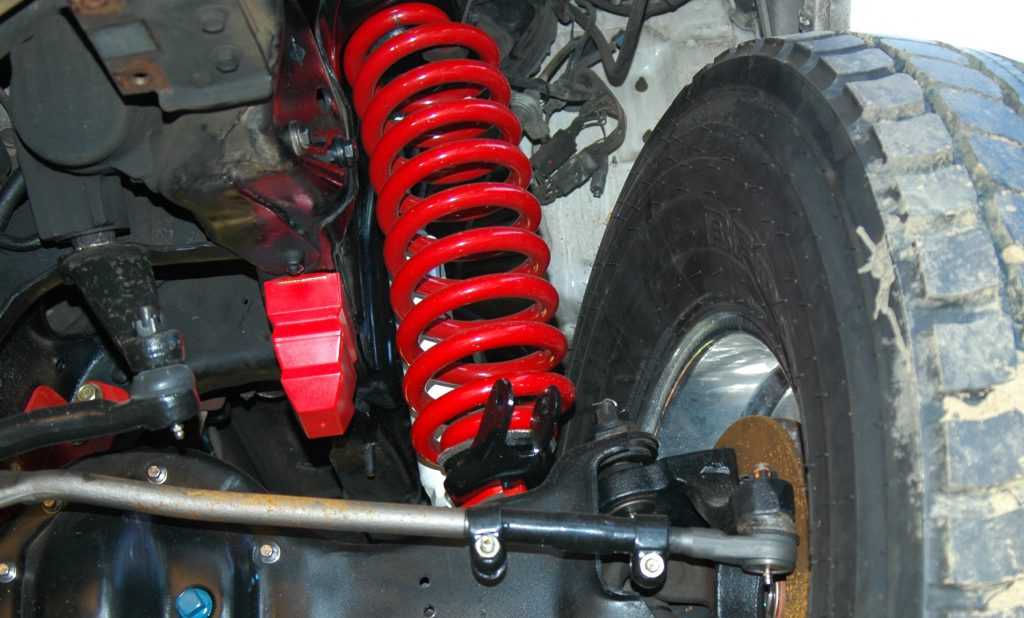
- Strut Spring Compressors: Designed specifically for compressing the coil springs on vehicle struts, these are less commonly used in direct HVAC component work but may be useful for specialized equipment related to transport or installation.
- Hydraulic Coil Spring Compressors: These compressors use hydraulic power to compress the spring. They offer greater force and are suitable for heavy-duty applications.
Step-by-Step Guide: Using an External Coil Spring Compressor
This guide focuses on the most common type: the external coil spring compressor. Always consult the manufacturer's instructions for your specific model before use.
- Preparation and Safety Gear: Before you begin, wear appropriate safety gear, including safety glasses, gloves, and sturdy work boots. Ensure the work area is clear of obstructions and that you have adequate lighting. Never work alone.
- Secure the Spring: Position the spring securely in a stable vise or on a workbench. Ensure the spring is not able to roll or shift during the compression process.
- Position the Compressor Jaws: Place the compressor jaws on opposite sides of the spring, ensuring they are securely gripping the coil. The jaws should be positioned as far apart as possible while still maintaining a secure grip. This distributes the compression force evenly.
- Tighten the Compressor: Slowly and evenly tighten the compressor bolts or adjust the hydraulic mechanism, compressing the spring. Observe the spring carefully, ensuring it remains stable and that the jaws are not slipping. Tighten incrementally, alternating between each side to ensure even compression.
- Compress to Required Length: Compress the spring to the required length for disassembly or component replacement. Refer to the manufacturer's specifications or service manual for the correct compressed length.
- Perform Necessary Repairs/Replacements: With the spring safely compressed, you can now proceed with the necessary repairs or component replacements.
- Decompress the Spring: Once the repairs are complete, slowly and evenly loosen the compressor bolts or release the hydraulic pressure, allowing the spring to decompress gradually. Again, observe the spring carefully to ensure it remains stable.
- Remove the Compressor: Once the spring is fully decompressed, carefully remove the compressor jaws.
Safety Precautions
Using a coil spring compressor can be dangerous if proper safety precautions are not followed. Always adhere to the following guidelines:
- Read the Manual: Always read and understand the manufacturer's instructions for your specific coil spring compressor model.
- Wear Safety Gear: Always wear safety glasses, gloves, and sturdy work boots.
- Inspect the Compressor: Before each use, inspect the compressor for signs of damage, such as cracks, worn threads, or bent jaws. Do not use a damaged compressor.
- Secure the Spring: Ensure the spring is securely positioned and cannot roll or shift during the compression process.
- Even Compression: Tighten the compressor bolts or adjust the hydraulic mechanism slowly and evenly, alternating between each side.
- Observe the Spring: Carefully observe the spring during compression and decompression, ensuring it remains stable and that the jaws are not slipping.
- Never Exceed Limits: Never exceed the manufacturer's recommended compression limits.
- Keep Clear: Keep hands and other body parts clear of the spring and compressor during operation.
- Proper Storage: Store the compressor in a safe and dry place when not in use.
Alternative Methods (When a Compressor Isn't Available)
While a coil spring compressor is the safest and most recommended method, there may be situations where one is not readily available. In such cases, alternative methods can be employed, but extreme caution is advised.
- Using a Jack and Chains: This method involves using a hydraulic jack to compress the spring and securing it with chains to prevent uncontrolled release. This method is highly dangerous and should only be attempted by experienced professionals who fully understand the risks involved.
- Leverage and Clamps: Using levers and clamps to gradually compress the spring. This method also carries significant risk and requires careful planning and execution.
Important Note: These alternative methods are not recommended and should only be considered as a last resort by experienced professionals. The risk of injury is significantly higher compared to using a coil spring compressor. It is always best to acquire and use the correct tool for the job.
Coil Spring Compressors and HVAC Systems: Specific Applications
Within HVAC systems, coil spring compressors might be needed for:
- Compressor Replacement: While many modern compressors are sealed units, older models may require spring compression for disassembly.
- Fan Motor Replacement: Some fan motor assemblies use springs for tensioning belts or securing the motor itself.
- Damper Actuators: Certain damper actuator mechanisms utilize springs that require compression during servicing.
Choosing the Right Coil Spring Compressor
Selecting the right coil spring compressor is crucial for both safety and efficiency. Consider the following factors:
- Spring Size and Strength: Choose a compressor that is rated for the size and strength of the spring you will be working with.
- Compressor Type: Select the appropriate type of compressor based on the application and available space.
- Build Quality: Look for a compressor made from durable materials with sturdy construction.
- Safety Features: Ensure the compressor has safety features such as locking mechanisms or overload protection.
- Brand Reputation: Choose a compressor from a reputable brand known for quality and reliability.
Maintaining Your Coil Spring Compressor
Proper maintenance will ensure your coil spring compressor remains in good working condition and provides years of reliable service.
- Regular Inspection: Inspect the compressor regularly for signs of damage, such as cracks, worn threads, or bent jaws.
- Lubrication: Lubricate the threads and moving parts regularly to prevent corrosion and ensure smooth operation.
- Cleaning: Clean the compressor after each use to remove dirt, grease, and debris.
- Proper Storage: Store the compressor in a safe and dry place when not in use.
Conclusion
Using a coil spring compressor is an essential skill for HVAC professionals and DIY enthusiasts. By understanding the different types of compressors, following proper safety precautions, and maintaining your equipment, you can safely and efficiently perform maintenance and repairs on HVAC systems. Remember, safety should always be your top priority. If you are unsure about any aspect of using a coil spring compressor, consult with a qualified HVAC professional.