How To Use Pex Pipe Fittings

Understanding and Using PEX Pipe Fittings for HVAC Systems
PEX (cross-linked polyethylene) pipe has become a mainstay in modern plumbing and HVAC systems due to its flexibility, durability, and ease of installation. This article provides a comprehensive guide to using PEX pipe fittings, covering different types, installation techniques, and best practices for ensuring leak-free connections. Whether you're a homeowner upgrading your system, a real estate investor evaluating properties, or a contractor seeking reliable solutions, understanding PEX fittings is crucial for efficient HVAC installations and repairs.
Why Choose PEX for HVAC?
PEX offers several advantages over traditional copper or CPVC piping in HVAC applications:
- Flexibility: PEX can bend around corners and obstacles, reducing the need for multiple fittings and simplifying installation.
- Freeze Resistance: PEX is more resistant to freezing and bursting than rigid pipes, making it suitable for colder climates.
- Cost-Effectiveness: PEX is generally less expensive than copper, both in terms of material costs and labor (due to easier installation).
- Corrosion Resistance: PEX is immune to corrosion, ensuring long-term reliability.
- Ease of Installation: With the right tools and techniques, PEX connections are relatively quick and simple to make.
However, PEX is not without its drawbacks. It is susceptible to UV degradation, so it must be shielded from direct sunlight. It also has a higher expansion coefficient than copper, which needs to be considered during installation to accommodate thermal expansion.
Types of PEX Pipe Fittings
Choosing the right fitting is critical for a secure and leak-free PEX connection. Here’s a breakdown of the most common types:
Crimp Fittings
Crimp fittings are the most widely used type of PEX fitting. They consist of a brass or polymer fitting with a barbed end that is inserted into the PEX pipe. A copper or stainless steel crimp ring is then placed over the pipe and fitting, and a crimping tool is used to compress the ring, creating a mechanical seal.
Pros:
- Reliable and widely accepted.
- Relatively inexpensive fittings.
- Easy to learn the crimping process.
Cons:
- Requires a specific crimping tool and potentially a go/no-go gauge for verification.
- Crimp rings are single-use and cannot be reused.
- Crimping errors can lead to leaks.
Installation:
- Cut the PEX pipe squarely using a PEX cutter.
- Slide a crimp ring onto the pipe.
- Insert the fitting into the pipe until it is fully seated.
- Position the crimp ring over the barbed section of the fitting.
- Use the crimping tool to compress the ring, ensuring a full and even crimp.
- Verify the crimp with a go/no-go gauge (optional but recommended).
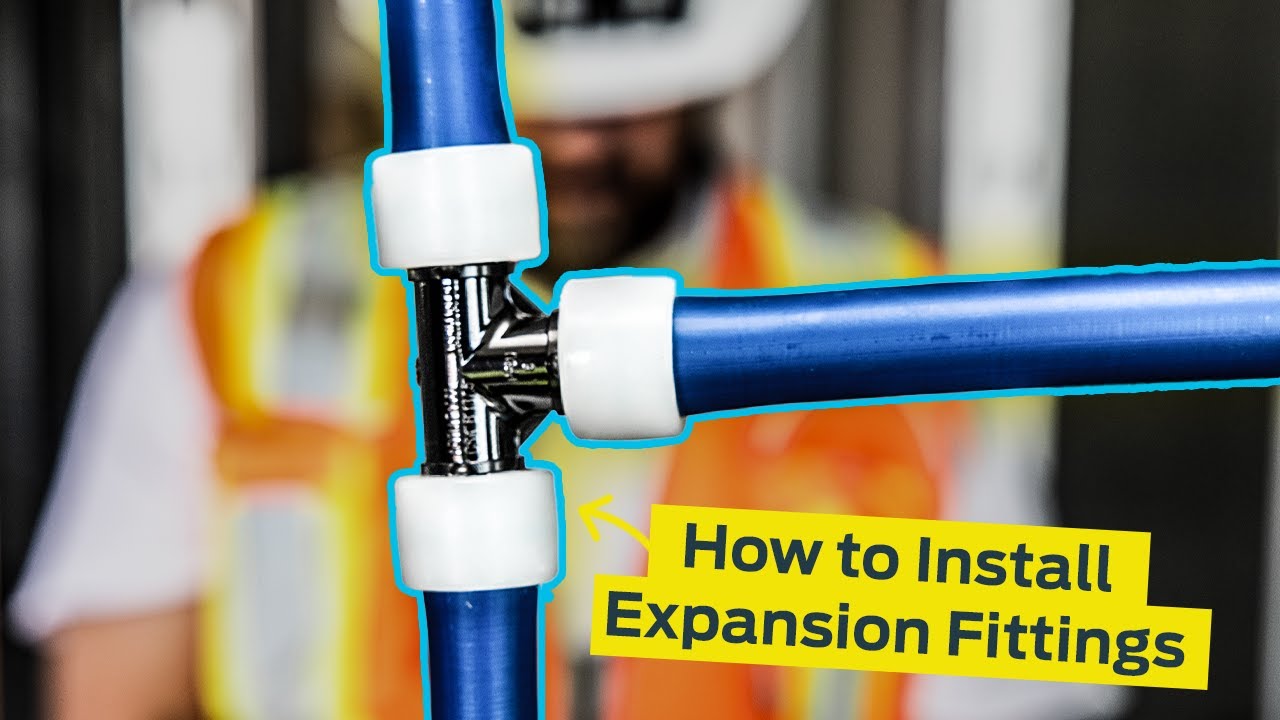
Expansion Fittings (Uponor/Wirsbo)
Expansion fittings, primarily associated with the Uponor/Wirsbo brand, utilize a different approach. A special expansion tool is used to expand the PEX pipe, and a fitting with an expansion ring is inserted. The pipe then shrinks back to its original size, creating a tight seal around the fitting.
Pros:
- Full-flow connection with no restriction in diameter.
- Very reliable and leak-resistant.
- Visual confirmation of a proper connection.
Cons:
- Requires a specialized (and often more expensive) expansion tool.
- Fittings are generally more expensive than crimp fittings.
- Can be more challenging to use in tight spaces.
Installation:
- Cut the PEX pipe squarely using a PEX cutter.
- Slide an expansion ring onto the pipe.
- Use the expansion tool to expand the pipe end.
- Quickly insert the fitting into the expanded pipe.
- Allow the pipe to shrink back to its original size, creating a tight seal.
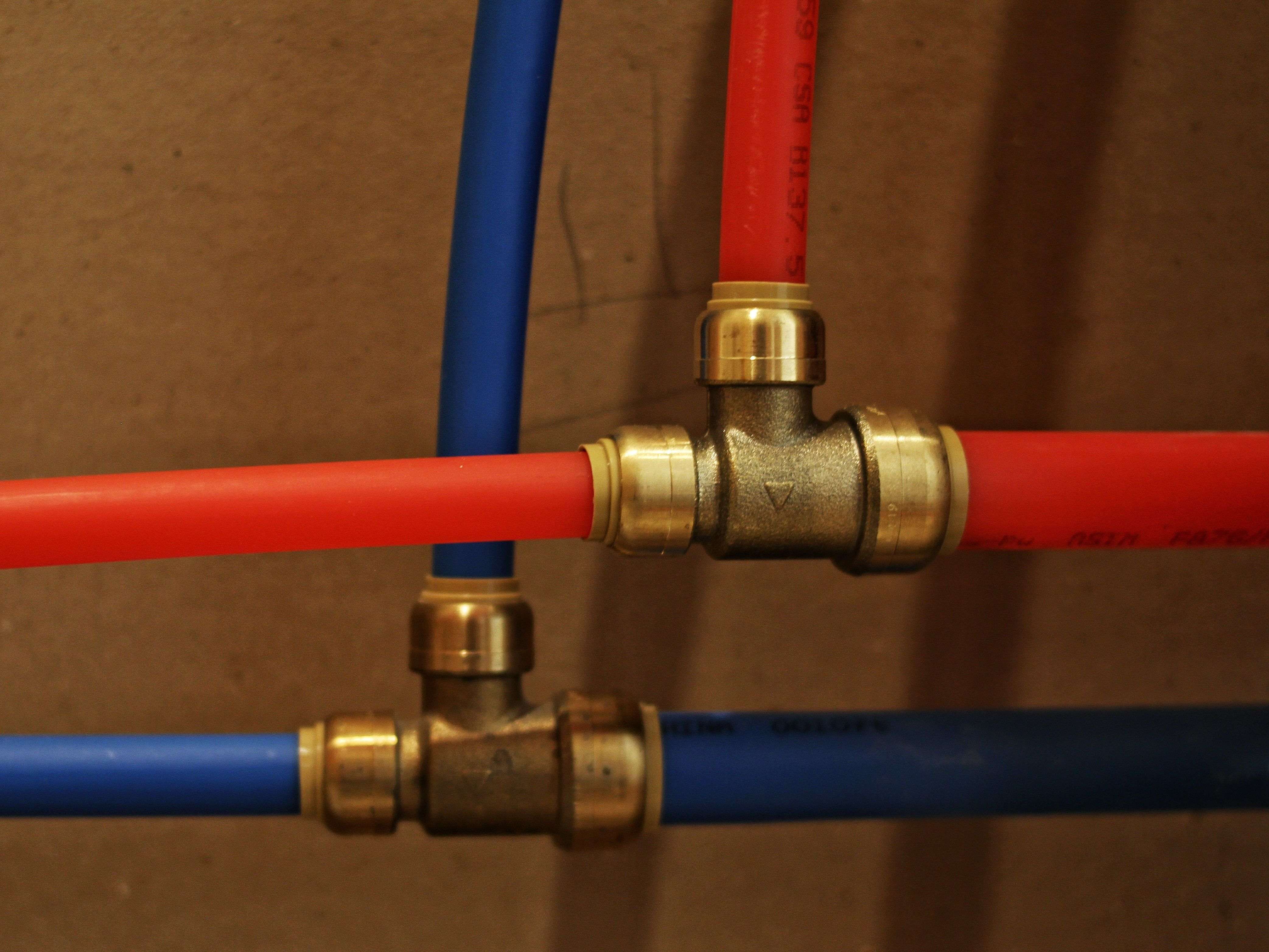
Push-Fit Fittings (SharkBite, etc.)
Push-fit fittings, such as those offered by SharkBite and other brands, are designed for quick and easy connections without the need for special tools. These fittings have internal stainless steel teeth that grip the pipe when it is pushed into the fitting, creating a watertight seal. They can be used with PEX, copper, and CPVC pipe.
Pros:
- Easiest and fastest installation method.
- No special tools required.
- Can be used on multiple pipe types.
- Removable and reusable (in many cases).
Cons:
- More expensive than crimp or expansion fittings.
- Some plumbers are hesitant to use them for permanent installations due to perceived reliability concerns (though this is becoming less common).
- Can be bulky in tight spaces.
Installation:
- Cut the pipe squarely using a pipe cutter.
- Deburr the pipe end (especially important for copper and CPVC).
- Mark the insertion depth on the pipe.
- Push the pipe into the fitting until it reaches the marked depth.
Compression Fittings
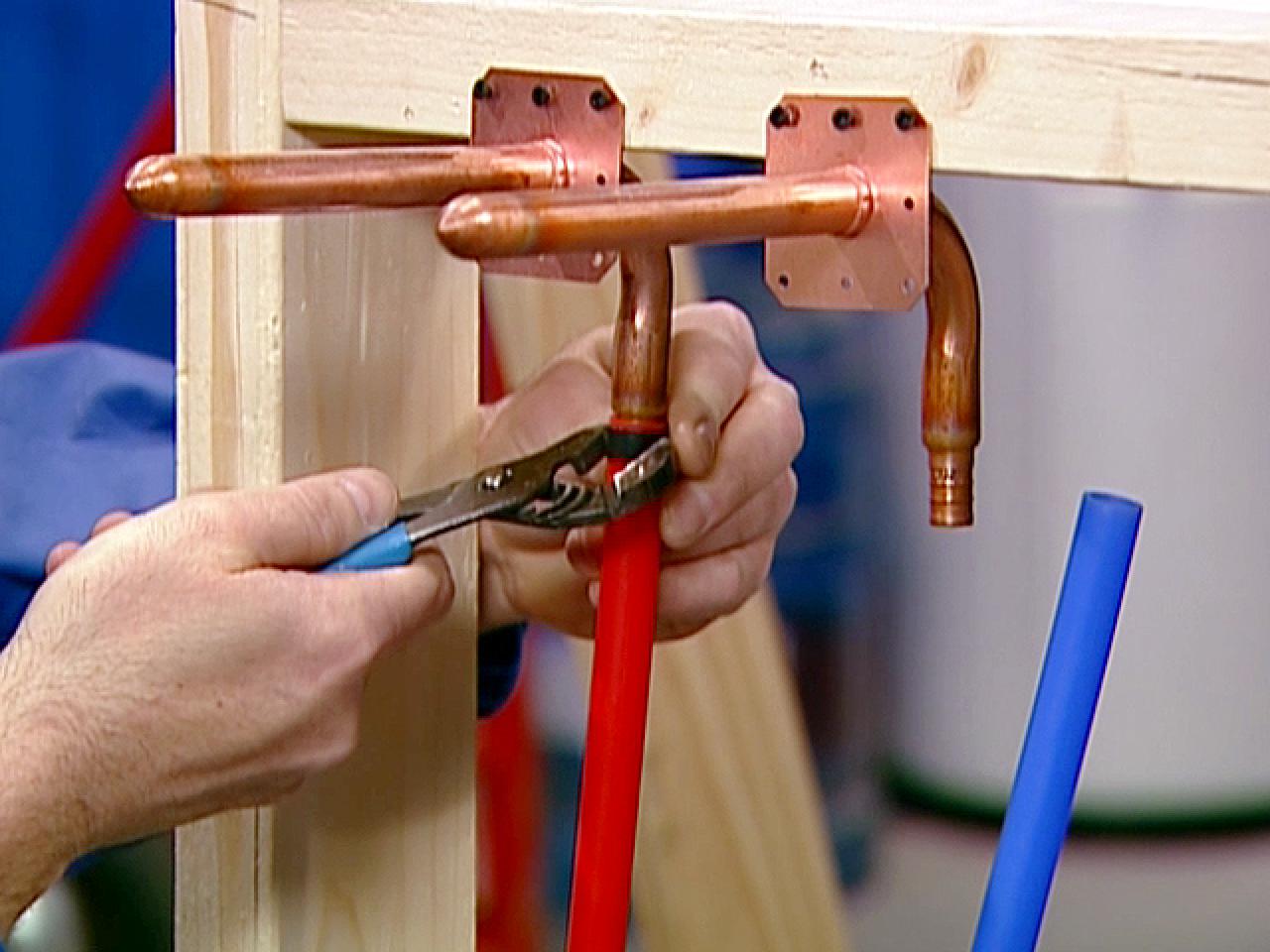
Compression fittings use a compression nut to tighten a compression ring around the PEX pipe, creating a seal. While less common for PEX compared to other fitting types, they can be useful in specific situations, such as connecting PEX to existing copper pipes.
Pros:
- Can be used to connect different pipe materials.
- Relatively easy to install.
Cons:
- More prone to leaks if not properly tightened.
- Requires careful attention to tightening torque.
- Not as widely used for PEX as other fitting types.
Installation:
- Slide the compression nut onto the PEX pipe.
- Slide the compression ring onto the pipe.
- Insert the pipe into the fitting.
- Tighten the compression nut to the manufacturer's specified torque.
Choosing the Right PEX Fitting for Your Application
The best type of PEX fitting for your HVAC system will depend on your specific needs, budget, and skill level. Consider the following factors:
- Ease of Installation: If you're a DIYer, push-fit fittings are the easiest to install. Crimp fittings are a good balance of cost and ease of use, while expansion fittings require more specialized tools and knowledge.
- Cost: Crimp fittings are generally the least expensive, followed by expansion fittings, and then push-fit fittings.
- Reliability: All fitting types can be reliable if installed correctly. Expansion fittings are often considered the most reliable due to their full-flow design and visual confirmation of a proper connection.
- Application: For buried applications, expansion fittings are generally preferred. For tight spaces, crimp fittings may be the best option.
- Local Codes: Always check your local plumbing codes to ensure that the fitting type you choose is approved for your application.
Essential Tools for PEX Installation
Having the right tools is crucial for a successful PEX installation:
- PEX Cutter: A dedicated PEX cutter provides a clean, square cut, which is essential for a proper seal. Avoid using a regular pipe cutter or saw, as they can deform the pipe.
- Crimp Tool (for crimp fittings): Choose a high-quality crimp tool that is compatible with the size of PEX pipe you are using. Consider a ratchet-style crimp tool for easier and more consistent crimps.
- Go/No-Go Gauge (for crimp fittings): A go/no-go gauge allows you to verify that the crimp is properly sized and that the connection is secure.
- Expansion Tool (for expansion fittings): An expansion tool is required to expand the PEX pipe before inserting the fitting. These tools can be manual or powered.
- Deburring Tool: A deburring tool removes any burrs or sharp edges from the cut pipe, which can damage the O-rings in push-fit fittings.
- Pipe Reamer: Used to ensure inner diameter is consistent.
- Measuring Tape and Marker: For accurate measurements and marking insertion depths.
Best Practices for PEX Installation
Follow these best practices to ensure a leak-free and reliable PEX installation:
- Cut the PEX pipe squarely: A square cut is essential for a proper seal.
- Deburr the pipe ends: Remove any burrs or sharp edges from the cut pipe.
- Use the correct tools: Using the wrong tools can damage the pipe or fittings and lead to leaks.
- Follow the manufacturer's instructions: Carefully read and follow the manufacturer's instructions for the specific fittings you are using.
- Test the connections: After completing the installation, pressure-test the system to check for leaks.
- Support the pipe properly: PEX pipe should be supported at regular intervals to prevent sagging and stress on the fittings.
- Protect from UV light: PEX should not be exposed to direct sunlight. If necessary, use a UV-resistant wrap or paint.
Troubleshooting Common PEX Problems
Even with careful installation, problems can sometimes occur. Here are some common issues and how to address them:
- Leaks: If you discover a leak, first identify the source. For crimp fittings, check the crimp ring for proper sizing and alignment. For push-fit fittings, ensure that the pipe is fully inserted and that the O-rings are not damaged. For expansion fittings, verify that the pipe has fully shrunk back to its original size.
- Crimps that are too tight or too loose: Use a go/no-go gauge to verify the crimp size. If the crimp is too tight, the ring may be cracked and need to be replaced. If the crimp is too loose, the connection may leak.
- Difficulty inserting the fitting: Ensure that the pipe is properly cut and deburred. If you are using expansion fittings, make sure the pipe is properly expanded before inserting the fitting.
Conclusion
PEX pipe and fittings offer a versatile and cost-effective solution for HVAC systems. By understanding the different types of fittings, mastering the installation techniques, and following best practices, you can ensure a reliable and leak-free system. Always prioritize safety and consult with a qualified professional if you have any doubts or concerns.