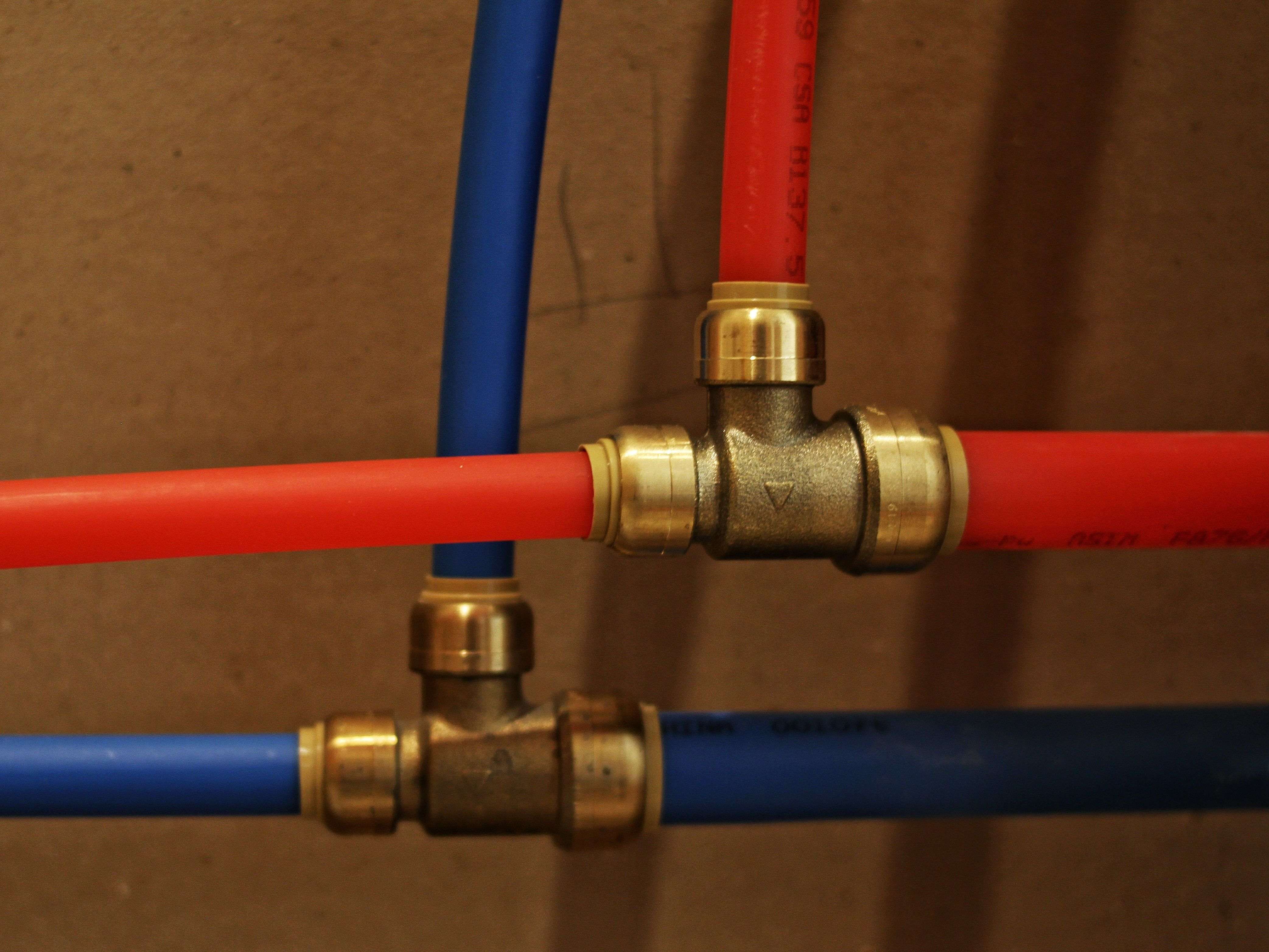
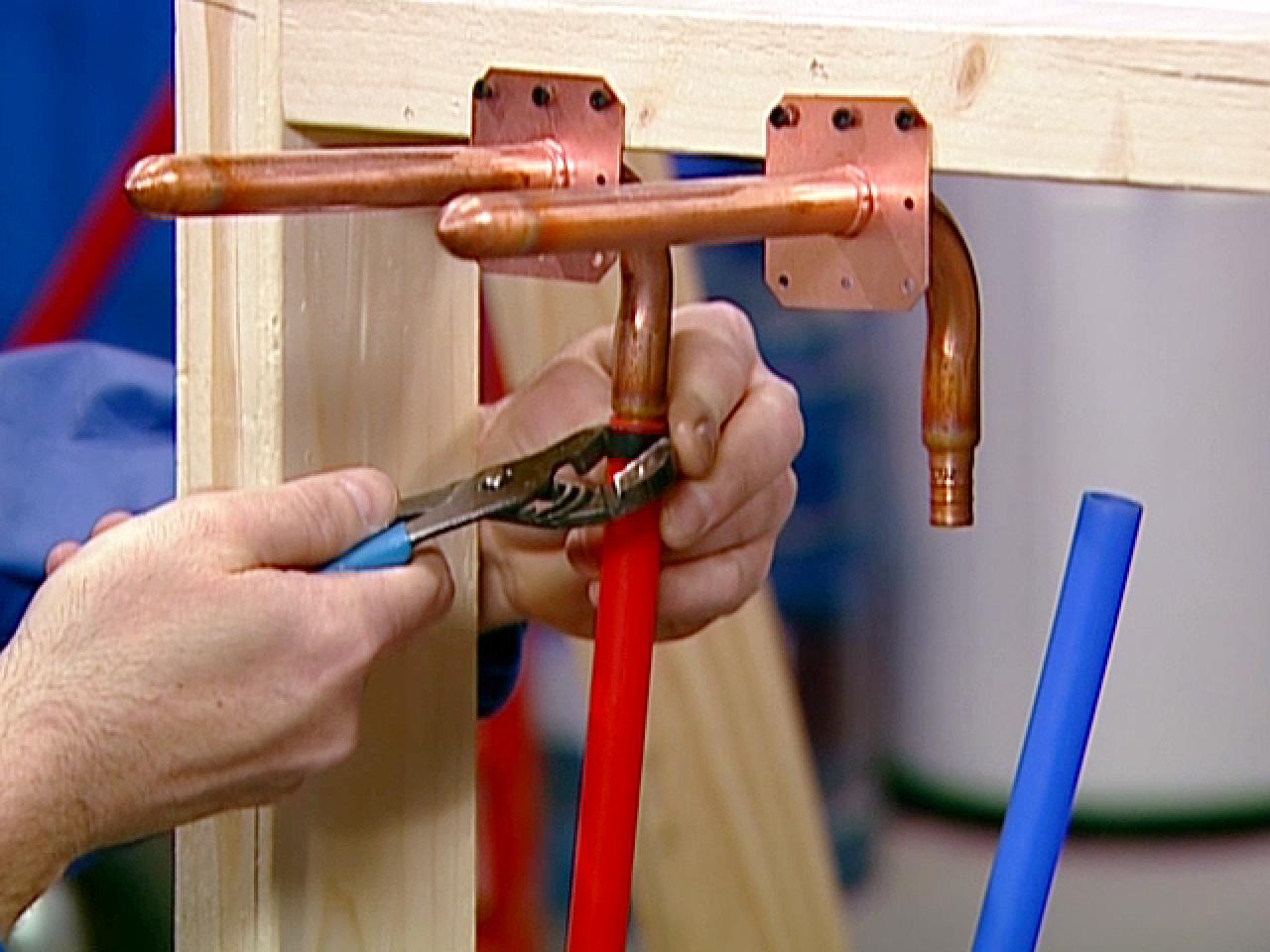
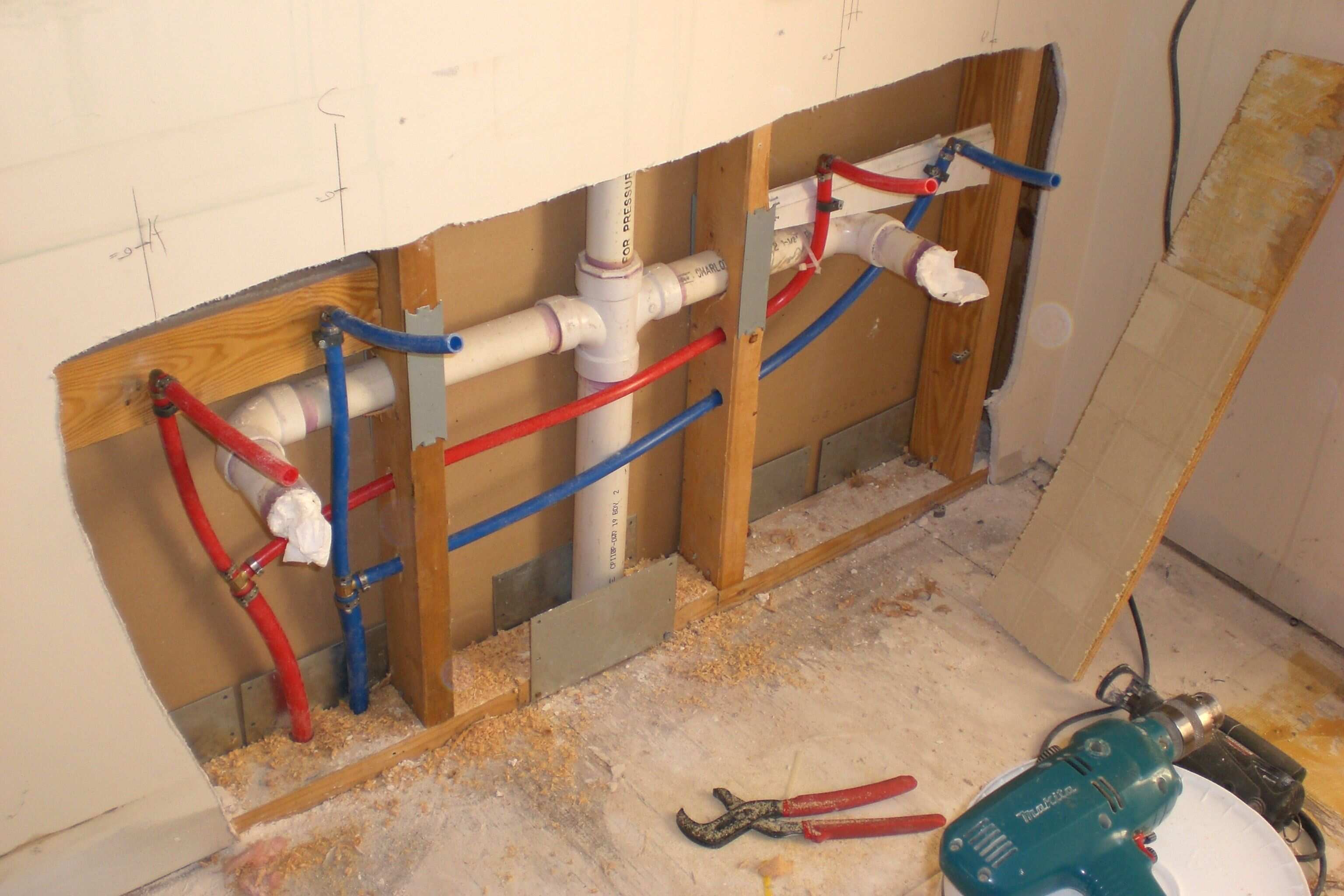
How To Use Pex Plumbing Fittings

A frustrating problem many homeowners face is inconsistent heating or cooling. One room might be sweltering while another is freezing. Often, this isn't a problem with your furnace or AC unit itself, but rather with the distribution of hot or cold water if you have a hydronic (water-based) system. A key component of these systems is often PEX plumbing, and issues with PEX fittings can be a common culprit. This article will walk you through troubleshooting problems related to PEX fittings in your heating or cooling system, helping you identify issues and make simple repairs safely.
Diagnosing Inconsistent Heating or Cooling: A Step-by-Step Approach
Before you even think about PEX fittings, let's start with the basics. We'll use a methodical approach to pinpoint the source of the problem.
Step 1: Basic System Checks (No Tools Required)
Start with the easiest checks, requiring no tools at all:
- Thermostat Settings: Double-check that your thermostat is set correctly. Ensure it's in the correct mode (heat or cool) and the temperature is set appropriately. Believe it or not, this is a common oversight.
- Air Vents and Registers: Make sure all air vents and registers are fully open and unobstructed in the rooms that are too hot or too cold. Furniture or rugs can block airflow significantly.
- Furnace Filter: A clogged air filter restricts airflow, making your furnace work harder and potentially leading to uneven heating. Replace the filter if it's dirty. You should do this regularly (every 1-3 months).
- Bleed Radiators: If you have radiators, trapped air can prevent them from heating properly. Bleed each radiator using the bleeder valve until water comes out. This simple task can dramatically improve heating efficiency.
Step 2: Visual Inspection of PEX Plumbing (Minimal Tools Required)
Now, let's take a closer look at the PEX plumbing itself. You'll need a flashlight and perhaps a small rag.
- Locate Your PEX Manifold: The manifold is a central distribution point where PEX lines branch off to different zones or rooms. Familiarize yourself with its location. It's usually near your water heater or boiler.
- Check for Leaks: Carefully inspect all PEX fittings, connections, and the PEX tubing itself for any signs of leaks. Look for water droplets, dampness, or mineral deposits (white or greenish residue). Pay close attention to where the PEX tubing is connected to fittings (couplings, elbows, tees). Even a small drip can indicate a problem.
- Inspect for Kinks and Bends: Sharp kinks or bends in PEX tubing can restrict water flow. Straighten out any minor kinks you find, but if the tubing is severely damaged, it may need replacement.
- Feel for Temperature Differences: Carefully touch the PEX tubing leading to the problem areas. Is the tubing leading to the cold room significantly cooler than the tubing leading to the warm rooms? This could indicate a flow restriction. Be cautious when touching pipes connected to hot water heaters or boilers, as they can be extremely hot.
Step 3: Identifying Potential PEX Fitting Issues
Based on your visual inspection, you might be able to identify the likely cause of the problem:
- Leaking Fittings: This is the most common PEX fitting issue. The leak could be due to improper installation, corrosion, or damage to the fitting itself.
- Loose Connections: Over time, PEX connections can loosen, especially if they were not properly crimped or expanded initially.
- Corroded Fittings: While PEX itself is resistant to corrosion, the metal fittings used to connect it can corrode, especially if exposed to certain water conditions.
- Damaged PEX Tubing near Fittings: The tubing near a fitting can sometimes be damaged by sharp objects or excessive pressure, leading to leaks.
DIY Actions: Simple Repairs You Can Attempt (With Caution)
Before you start any repairs, always shut off the water supply to the affected area. This is crucial for your safety and to prevent water damage.
Tightening Existing Connections (Basic Equipment Required)
If you have compression fittings, you can try tightening them slightly. You'll need an appropriate wrench. *Do not overtighten* as this can damage the fitting or the tubing. A slight snugging is usually sufficient. If the leak persists, the fitting may need to be replaced.
If you have crimp-style fittings, attempting to tighten them is not an option. These connections are designed to be permanent and attempting to tighten them will likely damage the connection and cause a leak.
Replacing a Simple Fitting (Basic to Intermediate Skill Level Required)
Replacing a leaking or damaged fitting is a slightly more involved task, but still manageable for many homeowners. You will need:
- PEX cutter: A specialized PEX cutter is essential for making clean, square cuts.
- PEX crimping tool (for crimp fittings) or PEX expansion tool (for expansion fittings): The choice depends on the type of PEX fittings you're using. Make sure you have the correct tool for your system.
- Appropriate PEX fittings: Buy the exact replacement fittings (same type, size, and material) at your local hardware store.
- Measuring tape or ruler: To measure the length of PEX tubing needed.
- Deburring tool (optional): A deburring tool helps smooth the inside of the PEX tubing after cutting.
Here's a general outline of the replacement process:
- Shut off the water supply to the affected area.
- Drain the water from the PEX line.
- Cut the PEX tubing on either side of the damaged fitting using the PEX cutter, ensuring you leave enough straight tubing to make a new connection.
- Remove the old fitting.
- Prepare the new fitting: Slide a crimp ring (if using crimp fittings) onto the PEX tubing or expand the tubing (if using expansion fittings).
- Insert the new fitting into the PEX tubing.
- Crimp or expand the connection according to the manufacturer's instructions for your crimping or expansion tool. Ensure a tight, secure seal.
- Repeat steps 5-7 for the other side of the fitting.
- Turn the water supply back on slowly and check for leaks. If you see any leaks, immediately shut off the water and re-crimp or re-expand the connection.
Important Safety Tips:
- Wear safety glasses to protect your eyes from debris.
- Follow the manufacturer's instructions for your PEX crimping or expansion tool precisely. Improper crimping or expansion can lead to leaks.
- Practice on scrap pieces of PEX tubing before working on the actual plumbing to get a feel for the tools and techniques.
When to Call a Professional HVAC Technician
While some PEX fitting repairs are within the scope of a DIY homeowner, there are situations where it's best to call a professional HVAC technician. Do not attempt repairs beyond your skill level or comfort zone.
- Complex Plumbing Systems: If your heating or cooling system is complex, with multiple zones and intricate PEX layouts, it's best to leave repairs to a professional.
- Boiler or Furnace Issues: If you suspect the problem is with the boiler or furnace itself, not just the PEX fittings, call an HVAC technician immediately. Never attempt to repair a boiler or furnace unless you are a qualified professional. These appliances involve high voltages, natural gas, and potentially dangerous components.
- Extensive Leaks or Water Damage: If you're dealing with a major leak that has caused significant water damage, it's crucial to call a professional to assess the damage and make the necessary repairs.
- Working in Confined Spaces: If the PEX plumbing is located in a tight or difficult-to-reach space, it might be safer and more efficient to have a professional handle the repairs.
- Uncertainty: If you're unsure about any aspect of the repair process, don't hesitate to call a professional. It's always better to be safe than sorry.
- If you don't have experience or the right tool: You could make the situation worse by improperly installing a fitting, especially on a pressurized plumbing system. Consider the cost and availability to rent crimping or expansion tools.
Preventive Maintenance for PEX Plumbing
Preventing problems with your PEX plumbing is always better than fixing them. Here are a few tips for maintaining your system:
- Regular Inspections: Periodically inspect your PEX plumbing for any signs of leaks, damage, or corrosion.
- Water Quality: Ensure your water is properly treated to prevent corrosion and scale buildup. A water softener or filter may be necessary in some areas.
- Protect PEX Tubing: Protect PEX tubing from physical damage, such as sharp objects or excessive weight.
- Avoid Extreme Temperatures: While PEX is generally resistant to extreme temperatures, avoid exposing it to prolonged periods of direct sunlight or freezing temperatures.
- Proper Installation: Ensure all PEX fittings are installed correctly according to the manufacturer's instructions. If you're not comfortable with DIY plumbing, hire a qualified plumber for new installations.
By following these troubleshooting steps and taking proactive maintenance measures, you can address common PEX fitting problems and maintain a comfortable and efficient heating or cooling system. Remember to prioritize safety and call a professional when needed.