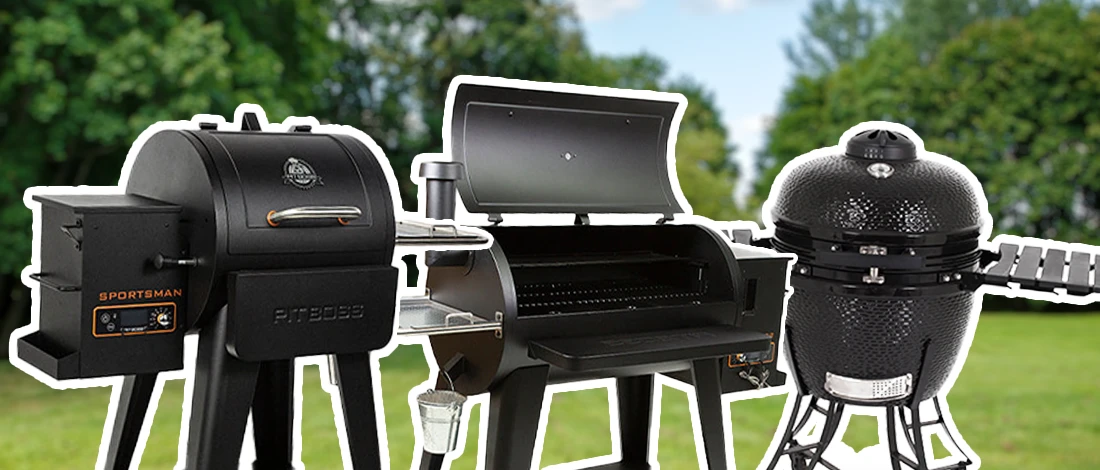
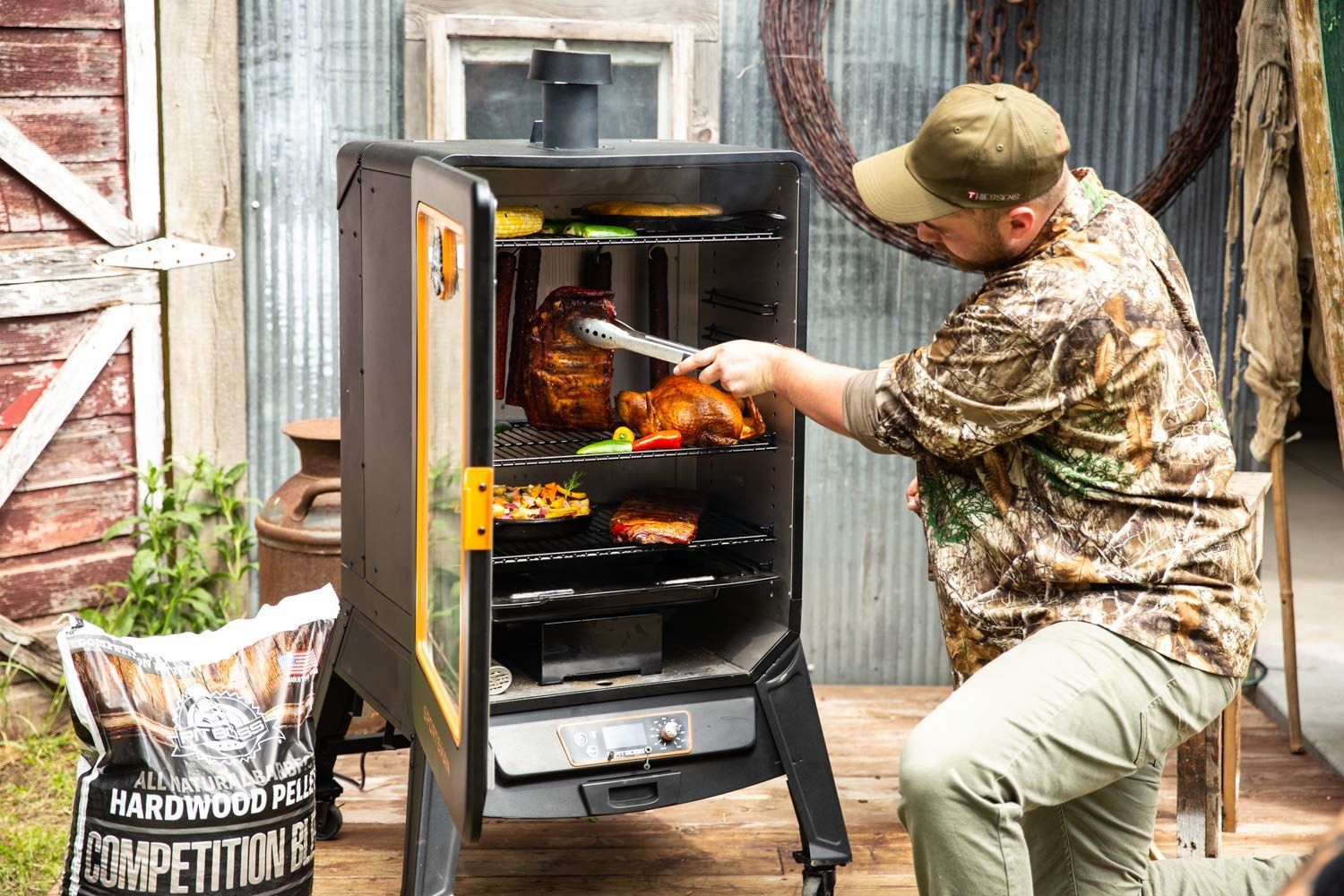
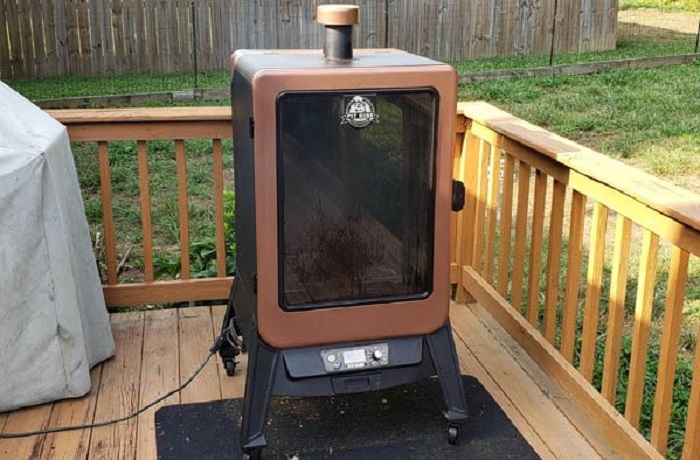
How To Use Pit Boss Smoker

Understanding HVAC Systems: A Comprehensive Guide for Homeowners, Technicians, and Facility Managers
Heating, ventilation, and air conditioning (HVAC) systems are essential for maintaining comfortable and healthy indoor environments. Whether you're a homeowner, an HVAC technician, or a facility manager, understanding the principles and technologies behind these systems is crucial. This article provides a detailed overview of HVAC systems, covering different types, efficiency considerations, maintenance best practices, and troubleshooting tips.
Types of HVAC Systems
HVAC systems come in various configurations, each suited for different applications and building types. Here are some of the most common:
- Central Air Conditioning: This system uses a network of ducts to distribute cooled air throughout the building. A central unit houses the compressor, condenser, and evaporator coils. It is generally more efficient for cooling larger homes or buildings than window units.
- Heat Pumps: Heat pumps transfer heat from one place to another. In the winter, they extract heat from the outside air (even cold air contains some heat) and transfer it indoors. In the summer, they reverse the process, removing heat from inside and releasing it outdoors. Heat pumps are very energy efficient, especially in moderate climates.
- Furnaces: Furnaces burn fuel (natural gas, propane, or oil) to generate heat, which is then distributed through ducts. Furnace efficiency is measured by the Annual Fuel Utilization Efficiency (AFUE) rating. A higher AFUE rating indicates better efficiency. Older furnaces may have AFUE ratings of 60-70%, while newer high-efficiency models can reach 98%.
- Boilers: Boilers heat water, which is then circulated through radiators or radiant floor systems to provide warmth. Like furnaces, boiler efficiency is measured by AFUE.
- Ductless Mini-Split Systems: These systems consist of an outdoor unit and one or more indoor units (air handlers) connected by refrigerant lines. They offer zoned heating and cooling, allowing you to control the temperature in individual rooms or areas. Ductless mini-splits are a good option for homes without existing ductwork or for adding heating and cooling to additions.
- Package Units: A packaged HVAC system contains all components in a single outdoor unit. They are often used for commercial buildings and smaller residential applications where space is limited.
Understanding HVAC Efficiency Ratings
Energy efficiency is a critical consideration when selecting or maintaining an HVAC system. Several metrics are used to measure efficiency:
- SEER (Seasonal Energy Efficiency Ratio): SEER measures the cooling efficiency of air conditioners and heat pumps. A higher SEER rating indicates better energy performance. The minimum SEER rating currently mandated in the United States is 14 in most regions.
- HSPF (Heating Season Performance Factor): HSPF measures the heating efficiency of heat pumps. A higher HSPF rating means better heating performance.
- AFUE (Annual Fuel Utilization Efficiency): As mentioned earlier, AFUE measures the heating efficiency of furnaces and boilers. A higher AFUE rating means less fuel is wasted.
- EER (Energy Efficiency Ratio): EER measures the instantaneous cooling efficiency of an air conditioner at a specific temperature and humidity. While SEER provides a seasonal average, EER offers a snapshot of performance under specific conditions.
Investing in high-efficiency HVAC equipment can significantly reduce energy consumption and lower utility bills over the long term. For example, replacing an old air conditioner with a SEER 10 rating with a new SEER 16 unit can reduce cooling energy consumption by up to 40%.
HVAC System Components and Operation
Understanding the key components of an HVAC system is essential for both technicians and homeowners:
- Compressor: The compressor is the heart of the air conditioning or heat pump system. It compresses the refrigerant, increasing its temperature and pressure.
- Condenser: The condenser is located outside the building. It rejects heat from the refrigerant, causing it to condense from a gas to a liquid.
- Evaporator: The evaporator is located inside the building. It absorbs heat from the indoor air, causing the refrigerant to evaporate from a liquid to a gas.
- Expansion Valve or Metering Device: This device controls the flow of refrigerant into the evaporator, regulating the pressure and temperature.
- Air Handler: The air handler circulates air through the ductwork and across the evaporator coil (in cooling mode) or the heating element (in heating mode). It typically includes a blower motor and air filter.
- Ductwork: Ductwork is a network of channels that distributes conditioned air throughout the building. Properly designed and sealed ductwork is crucial for efficient HVAC system performance.
- Thermostat: The thermostat controls the operation of the HVAC system, allowing you to set the desired temperature. Programmable thermostats can help save energy by automatically adjusting the temperature based on the time of day or occupancy.
The basic operating cycle of an air conditioning system involves refrigerant circulating through these components, absorbing heat indoors and releasing it outdoors. In heating mode, the process is reversed (in the case of a heat pump) or fuel is burned to generate heat (in the case of a furnace or boiler).
HVAC Maintenance Best Practices
Regular maintenance is essential for ensuring optimal performance, extending the lifespan, and preventing costly repairs. Here are some key maintenance tasks:
- Change Air Filters Regularly: Dirty air filters restrict airflow, reducing efficiency and potentially damaging the system. Replace air filters every 1-3 months, depending on the type of filter and the amount of dust and debris in the air.
- Clean Coils: Dirty condenser and evaporator coils reduce heat transfer efficiency. Clean the coils annually using a coil cleaner or a garden hose (for outdoor coils). Be careful not to damage the delicate fins.
- Inspect and Clean Ductwork: Leaky or dirty ductwork can significantly reduce HVAC system efficiency. Seal any leaks with duct tape or mastic sealant. Clean the ducts every few years to remove dust and debris.
- Check Refrigerant Levels: Low refrigerant levels can indicate a leak in the system. Have a qualified HVAC technician check and recharge the refrigerant as needed.
- Lubricate Moving Parts: Lubricate motor bearings and other moving parts to reduce friction and prevent premature wear.
- Inspect Electrical Connections: Check electrical connections for tightness and corrosion. Loose or corroded connections can cause electrical problems and reduce system performance.
- Schedule Professional Maintenance: Have a qualified HVAC technician perform a comprehensive system checkup annually. This includes inspecting all components, testing system performance, and making any necessary adjustments or repairs.
Neglecting maintenance can lead to reduced efficiency, increased energy bills, and premature equipment failure. A well-maintained HVAC system will operate more efficiently, last longer, and provide a more comfortable indoor environment.
Troubleshooting Common HVAC Problems
Many HVAC problems can be easily diagnosed and fixed with a little knowledge and effort. Here are some common issues and their potential solutions:
- No Cooling or Heating: Check the thermostat settings, circuit breaker, and air filter. If the system still doesn't work, there may be a problem with the compressor, refrigerant charge, or other components.
- Weak Airflow: Check the air filter, ductwork for leaks or obstructions, and blower motor. A clogged air filter or leaky ductwork can significantly reduce airflow.
- Unusual Noises: Strange noises can indicate a variety of problems, such as a loose fan blade, a failing motor, or a refrigerant leak. Have a qualified technician investigate the source of the noise.
- Water Leaks: Water leaks can be caused by a clogged condensate drain line, a frozen evaporator coil, or a refrigerant leak. Clear the drain line, thaw the coil, or have a technician repair the refrigerant leak.
- High Energy Bills: High energy bills can be caused by a variety of factors, such as a dirty air filter, leaky ductwork, inefficient equipment, or improper thermostat settings. Perform routine maintenance and consider upgrading to more efficient equipment.
While some problems can be resolved with basic troubleshooting, others require the expertise of a qualified HVAC technician. Don't hesitate to call a professional if you're unsure how to proceed.
Cost Considerations
The cost of an HVAC system depends on several factors, including the type of system, its size, its efficiency rating, and the complexity of the installation. Here's a general overview of typical costs:
- Central Air Conditioning: $3,000 - $7,000 installed
- Heat Pump: $4,000 - $8,000 installed
- Furnace: $2,000 - $6,000 installed
- Boiler: $3,000 - $9,000 installed
- Ductless Mini-Split System: $3,000 - $5,000 per zone installed
In addition to the initial cost, consider the long-term operating costs, including energy consumption and maintenance. High-efficiency systems typically have a higher upfront cost but can save significant money on energy bills over their lifespan. Also consider the lifespan of different types of HVAC systems. Furnaces and boilers generally last 15-20 years, while air conditioners and heat pumps typically last 10-15 years with proper maintenance.
The Future of HVAC Technology
The HVAC industry is constantly evolving, with new technologies and innovations emerging regularly. Some of the key trends shaping the future of HVAC include:
- Smart Thermostats: Smart thermostats offer advanced features such as remote control, energy monitoring, and automated scheduling. They can learn your preferences and adjust the temperature accordingly, saving energy and improving comfort.
- Variable Speed Compressors and Motors: Variable speed technology allows HVAC systems to operate at different speeds depending on the heating or cooling demand. This improves efficiency, reduces noise, and provides more consistent temperatures.
- Geothermal Heat Pumps: Geothermal heat pumps use the earth's constant temperature to provide heating and cooling. They are highly efficient and environmentally friendly.
- Refrigerant Innovations: New refrigerants with lower global warming potential (GWP) are being developed to replace older, more harmful refrigerants.
- Improved Air Filtration and Purification: Advanced air filtration and purification technologies are being used to remove pollutants, allergens, and viruses from indoor air.
Staying up-to-date on the latest HVAC technologies can help you make informed decisions about your heating and cooling needs and ensure that you're getting the most efficient and effective system for your home or building.
By understanding the principles, technologies, and best practices outlined in this article, homeowners, HVAC technicians, and facility managers can work together to ensure comfortable, healthy, and energy-efficient indoor environments.