How To Use Wago Lever Nuts

Understanding Wago Lever Nuts: A Guide for HVAC Professionals and Homeowners
When working with electrical wiring, especially within the complex systems of HVAC units, reliability and safety are paramount. Wago lever nuts have emerged as a popular alternative to traditional wire nuts, offering a secure and reusable connection. This article provides a comprehensive guide to using Wago lever nuts, tailored for HVAC professionals, homeowners, and real estate investors.
What are Wago Lever Nuts?
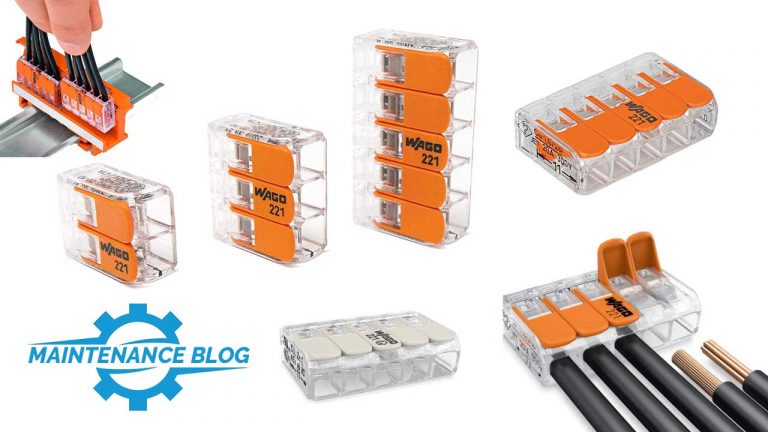
Wago lever nuts, also known as lever wire connectors, are innovative electrical connectors that provide a tool-free method for joining wires. Unlike traditional wire nuts that require twisting and taping, Wago connectors use a simple lever mechanism to clamp wires securely in place. This eliminates the need for specialized tools and reduces the risk of loose connections.
Advantages of Using Wago Lever Nuts in HVAC Systems
Wago lever nuts offer several advantages over traditional wire nuts, making them a desirable choice for HVAC applications:
- Ease of Use: Their tool-free design simplifies the wiring process, saving time and effort.
- Reliability: They provide a secure and consistent connection, reducing the risk of loose wires and electrical failures.
- Reusability: Wires can be easily removed and reconnected, making them ideal for troubleshooting and modifications.
- Compact Size: Wago connectors are typically smaller than wire nuts, allowing for more efficient use of space in electrical boxes.
- Safety: They eliminate the need for twisting and taping, reducing the risk of electrical shock.
Disadvantages of Using Wago Lever Nuts
While Wago lever nuts offer numerous benefits, it's essential to consider their potential drawbacks:
- Cost: They are generally more expensive than traditional wire nuts.
- Limited Wire Gauge Range: Some models may not accommodate a wide range of wire gauges.
- Potential for Misuse: Improper installation can compromise the connection's integrity.
How to Use Wago Lever Nuts: A Step-by-Step Guide
Using Wago lever nuts is straightforward, but following these steps ensures a secure and reliable connection:
- Select the Correct Connector: Choose a Wago lever nut that is rated for the appropriate voltage, amperage, and wire gauge of your HVAC system. Consult the manufacturer's specifications for guidance. Common models include the 221 series, known for their versatility.
- Prepare the Wires: Strip the insulation from the ends of the wires to the recommended length. The correct stripping length is typically indicated on the connector itself. Use a wire stripper for clean and consistent results.
- Open the Levers: Lift the levers on the Wago connector to the open position. This allows the wires to be inserted into the connector.
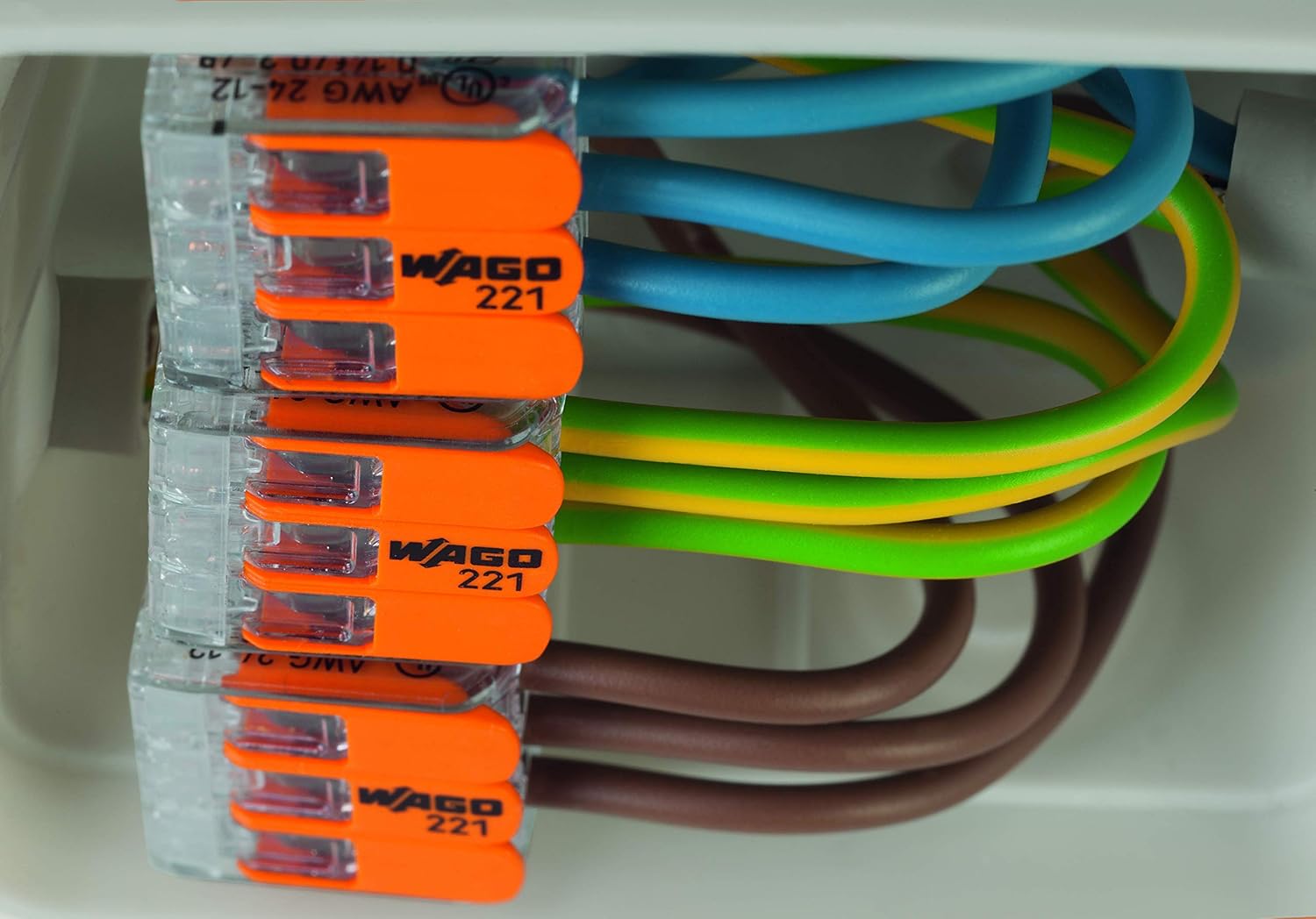
- Insert the Wires: Push the stripped ends of the wires fully into the connector until they reach the back stop. Ensure that the wires are properly seated and visible through the transparent housing of the connector.
- Close the Levers: Push the levers down to the closed position. This clamps the wires securely in place, creating a reliable electrical connection.
- Test the Connection: Gently tug on the wires to ensure they are securely held in place. A properly connected wire should not come loose.
Important Considerations When Using Wago Lever Nuts in HVAC Applications
Several factors must be considered when using Wago lever nuts in HVAC systems:
- Voltage and Amperage Ratings: Ensure that the connectors are rated for the voltage and amperage requirements of the HVAC system. Overloading the connectors can lead to overheating and electrical failures.
- Wire Gauge Compatibility: Use connectors that are compatible with the wire gauges used in the HVAC system. Using connectors with incorrect wire gauge ratings can compromise the connection's integrity.
- Environmental Conditions: Consider the environmental conditions in which the connectors will be used. Some connectors are designed for dry locations only, while others are suitable for damp or wet environments. Choose connectors that are appropriate for the specific application.
- Proper Installation: Follow the manufacturer's instructions carefully to ensure proper installation. Improper installation can compromise the connection's reliability and safety.
Comparing Wago Lever Nuts to Traditional Wire Nuts
While both Wago lever nuts and traditional wire nuts serve the same purpose, they differ significantly in terms of ease of use, reliability, and reusability.
| Feature | Wago Lever Nuts | Traditional Wire Nuts |
|---|---|---|
| Ease of Use | Tool-free design, simple lever mechanism | Requires twisting and taping |
| Reliability | Secure and consistent connection | Prone to loosening over time |
| Reusability | Wires can be easily removed and reconnected | Difficult to reuse without damaging wires |
| Size | Compact size, efficient use of space | Larger size, can be bulky |
| Cost | More expensive | Less expensive |
| Safety | Reduces risk of electrical shock | Requires proper technique to avoid shock |
For HVAC applications where reliability and ease of use are critical, Wago lever nuts offer a superior alternative to traditional wire nuts. However, the higher cost may be a factor for some users.
Choosing the Right Wago Lever Nut for Your HVAC System
Wago offers a variety of lever nut models to suit different applications. Here's a brief overview of some popular options:
- Wago 221 Series: The most popular and versatile series, suitable for a wide range of wire gauges and applications. Available in 2, 3, and 5-port configurations.
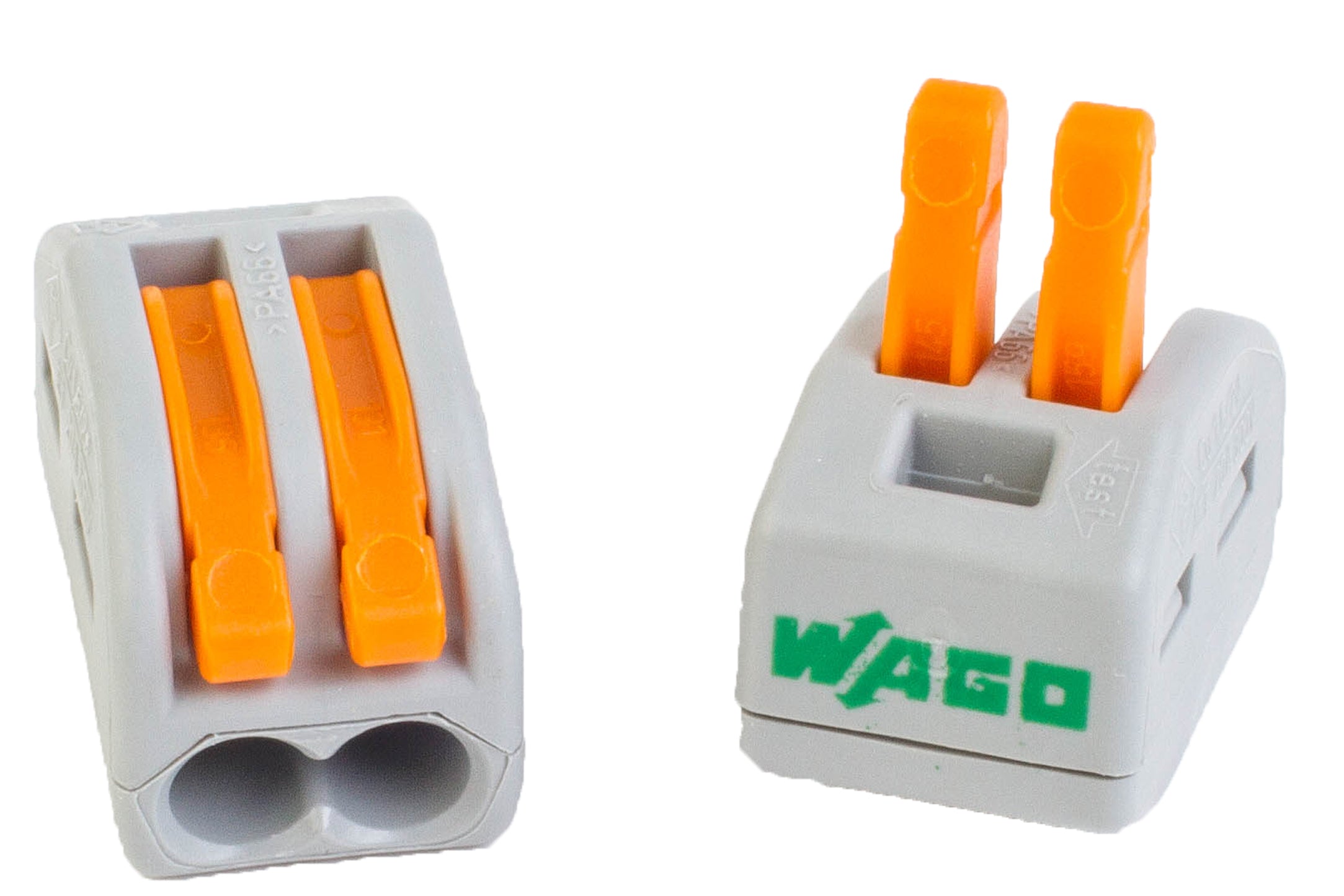
- Wago 222 Series: Similar to the 221 series but with a larger lever for easier operation.
- Wago 773 Series: Designed for solid and stranded wires, ideal for lighting and other general electrical applications.
When selecting a Wago lever nut, consider the following factors:
- Wire Gauge: Ensure that the connector is compatible with the wire gauges used in your HVAC system.
- Voltage and Amperage Ratings: Choose a connector that is rated for the voltage and amperage requirements of the system.
- Number of Ports: Select a connector with the appropriate number of ports to accommodate the number of wires you need to connect.
- Environmental Conditions: Choose a connector that is suitable for the environmental conditions in which it will be used.
Best Practices for Using Wago Lever Nuts in HVAC Systems
To ensure optimal performance and safety, follow these best practices when using Wago lever nuts in HVAC systems:
- Always disconnect power before working on electrical wiring. This will prevent electrical shock.
- Use a wire stripper to remove insulation from the wires. This will ensure a clean and consistent connection.
- Insert the wires fully into the connector until they reach the back stop. This will ensure a secure connection.
- Close the levers completely to clamp the wires securely in place. This will prevent the wires from coming loose.
- Test the connection by gently tugging on the wires. This will ensure that the wires are securely held in place.
- Regularly inspect the connections for signs of damage or corrosion. Replace any damaged or corroded connectors immediately.
Wago Lever Nuts and HVAC System Maintenance
Incorporating Wago lever nuts into HVAC electrical connections can streamline maintenance procedures. Their reusability allows for quick disconnection and reconnection during diagnostics or component replacement, potentially reducing downtime and labor costs. Regular visual inspections of these connections should be included in any HVAC maintenance plan, checking for secure lever closure and any signs of overheating or corrosion. Replacing damaged connectors promptly maintains system integrity.
Cost Considerations: Wago Lever Nuts vs. Traditional Methods
While Wago lever nuts typically have a higher upfront cost compared to traditional wire nuts, a comprehensive cost analysis should consider several factors. The time saved during installation due to their tool-free design can translate into reduced labor costs, especially for larger HVAC projects. Furthermore, their reusability minimizes waste and the need for replacement, offering long-term savings. The enhanced reliability of Wago connections can also decrease the likelihood of electrical failures, preventing costly repairs and system downtime. Ultimately, the overall cost-effectiveness of using Wago lever nuts depends on project size, labor rates, and the importance of long-term reliability.
Conclusion: Embracing Innovation in HVAC Wiring
Wago lever nuts represent a significant advancement in electrical wiring technology for HVAC systems. Their ease of use, reliability, and reusability make them a compelling alternative to traditional wire nuts. While the higher cost may be a factor for some, the long-term benefits of improved performance, reduced maintenance, and enhanced safety make them a worthwhile investment for HVAC professionals, homeowners, and real estate investors alike. By understanding the advantages and disadvantages of Wago lever nuts, and following best practices for their installation and use, you can ensure that your HVAC system operates safely and efficiently for years to come.