How To Use Wago Wire Connectors

In the ever-evolving world of HVAC (Heating, Ventilation, and Air Conditioning), efficiency, safety, and reliability are paramount. From connecting sensors in smart thermostats to wiring complex control panels in commercial systems, secure and dependable electrical connections are critical. That's where Wago wire connectors come in. This article provides a comprehensive guide to using Wago connectors in HVAC applications, designed for students, experienced technicians, and employers alike.
Understanding Wago Connectors: A Modern Alternative
Traditional methods of wire splicing, such as wire nuts, have been a mainstay in the electrical industry for decades. However, Wago connectors offer a faster, more reliable, and more consistent alternative. These push-in or lever-operated connectors create a gas-tight connection that is resistant to corrosion and vibration, crucial for the demanding environments often encountered in HVAC systems.
Types of Wago Connectors Commonly Used in HVAC
Several types of Wago connectors are well-suited for HVAC applications:
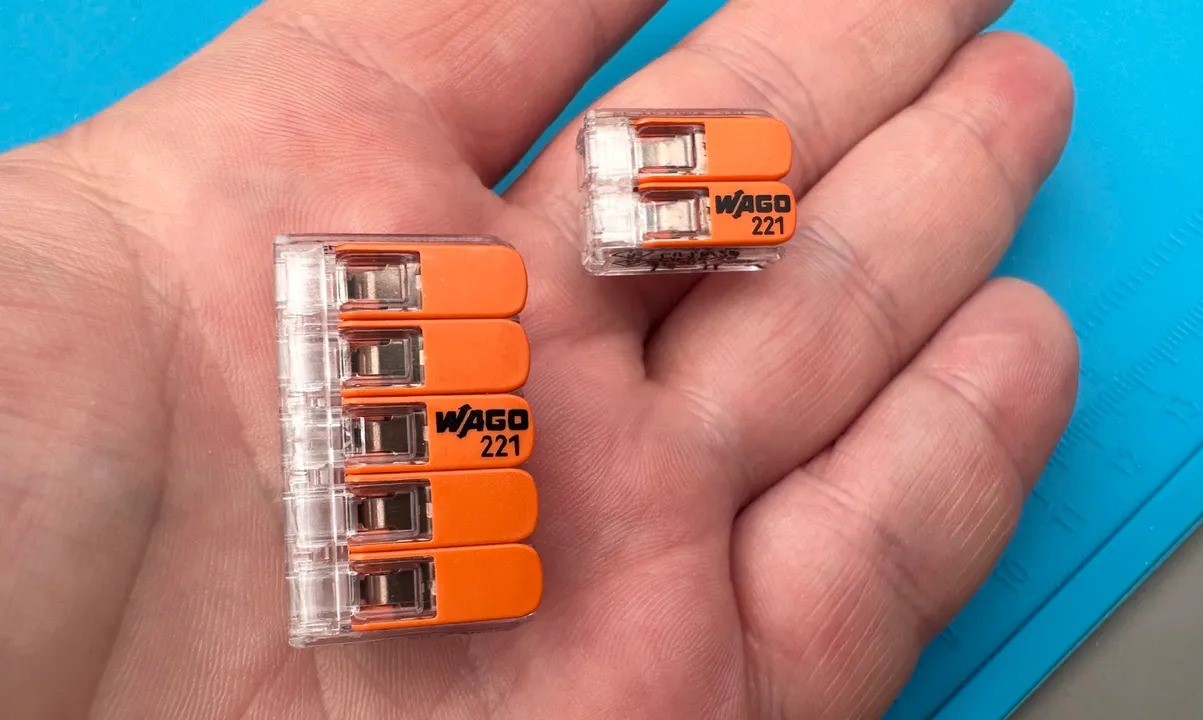
- 221 Series Lever-Nuts: These connectors are extremely versatile, accommodating a wide range of wire gauges (typically 24-12 AWG) and are ideal for connecting solid, stranded, and fine-stranded wires. The lever mechanism allows for easy connection and disconnection, making troubleshooting and modifications simpler.
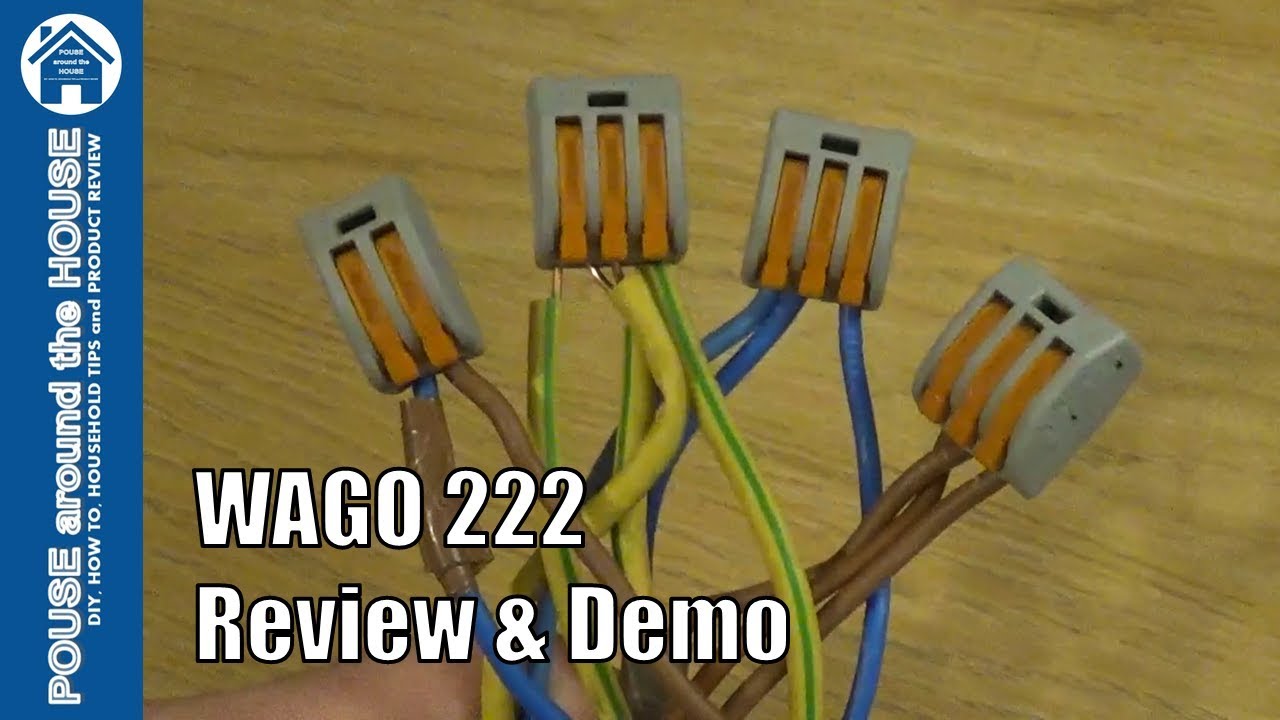
- 222 Series Splicing Connectors: Similar to the 221 series but often come in larger sizes and are suitable for higher amperage applications.
- 2773 Series Compact Splicing Connectors: These are push-in connectors designed for solid wires, offering a compact and economical solution for distribution boxes and control panels.
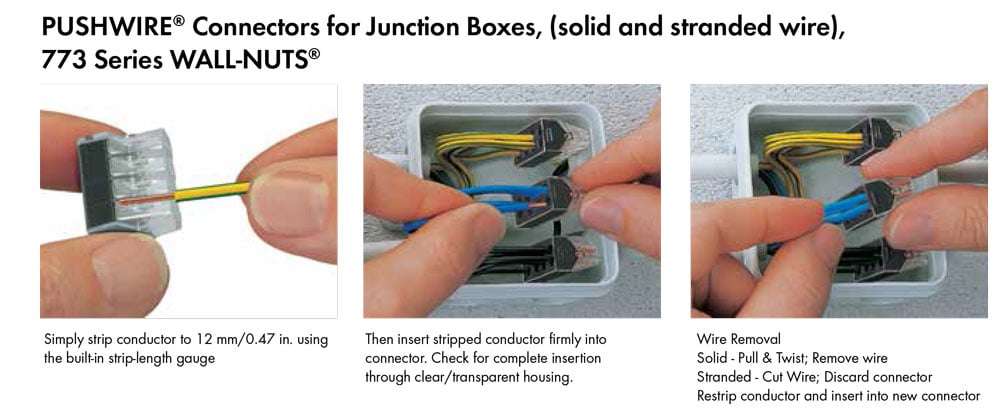
- 2273 Series PUSH WIRE® Connectors: Specifically designed for connecting solid wires, they are best for junction boxes and lighting installations.
Step-by-Step Guide: Using Wago 221 Series Lever-Nuts
The 221 Series Lever-Nuts are arguably the most popular Wago connectors in HVAC due to their ease of use and versatility. Here's a step-by-step guide on how to use them:
- Prepare the Wires: Strip the insulation from the ends of the wires you want to connect. The correct stripping length is usually indicated on the connector itself (often around 10-12mm or 0.4 inches). Use a quality wire stripper to avoid nicking or damaging the conductors.
- Open the Levers: Lift the orange levers on the connector to the open position. This unlocks the clamping mechanism.
- Insert the Wires: Fully insert the stripped ends of the wires into the corresponding openings in the connector. Ensure that the conductors are fully seated.
- Close the Levers: Press the orange levers down to the closed position. This securely clamps the wires in place, creating a gas-tight connection.
- Test the Connection: Gently tug on each wire to ensure that it is firmly held by the connector.
Important Considerations for Proper Installation
- Wire Gauge Compatibility: Always use connectors that are rated for the specific wire gauge you are using. Using the wrong size connector can lead to a loose connection, overheating, and potential fire hazards.
- Proper Stripping Length: Stripping too much insulation exposes too much bare wire, increasing the risk of shorts. Stripping too little insulation prevents the wire from making proper contact.
- Cleanliness: Ensure that the wires are clean and free of corrosion or contaminants before inserting them into the connector.
- Secure Mounting: If the connectors are located in a vibration-prone area, consider using a mounting carrier or DIN rail adapter to secure them and prevent them from coming loose.
Benefits of Using Wago Connectors in HVAC
Adopting Wago connectors in HVAC installations offers numerous advantages:
- Increased Safety: The gas-tight connection minimizes the risk of oxidation and corrosion, leading to more reliable and safer electrical connections.
- Reduced Installation Time: Wago connectors are significantly faster to install than traditional wire nuts, saving time and labor costs.
- Improved Consistency: The lever or push-in mechanism ensures a consistent and repeatable connection, reducing the risk of human error.
- Simplified Troubleshooting: The ability to easily disconnect and reconnect wires simplifies troubleshooting and allows for quick modifications.
- Space Savings: Wago connectors are often more compact than wire nuts, allowing for more efficient use of space in electrical panels and junction boxes.
- Reduced Maintenance: More reliable connections translate to fewer callbacks and reduced maintenance costs.
Career Paths in HVAC and the Importance of Electrical Skills
The HVAC industry offers a diverse range of career paths, from entry-level installer positions to highly specialized engineering roles. According to the Bureau of Labor Statistics, the median annual wage for HVAC mechanics and installers was $51,390 in May 2021. Job outlook is projected to grow 5 percent from 2021 to 2031, about average for all occupations. However, skilled technicians with expertise in electrical systems and controls are in particularly high demand, often commanding higher salaries.
Examples of HVAC Career Paths:
- HVAC Installer: Installs and maintains heating, ventilation, and air conditioning systems in residential and commercial buildings. Salary range: $40,000 - $60,000 per year.
- HVAC Technician: Diagnoses and repairs malfunctions in HVAC systems, requiring a strong understanding of electrical and mechanical components. Salary range: $45,000 - $75,000 per year.
- HVAC Service Manager: Oversees a team of HVAC technicians, managing schedules, customer service, and ensuring efficient operation of the service department. Salary range: $60,000 - $90,000 per year.
- HVAC Design Engineer: Designs and develops HVAC systems for new construction and renovation projects, requiring a strong understanding of engineering principles and building codes. Salary range: $70,000 - $120,000 per year.
Mastering the use of Wago wire connectors and other modern electrical techniques is a valuable asset for anyone pursuing a career in HVAC. Employers are increasingly seeking technicians who are proficient in these technologies, as they contribute to increased efficiency, safety, and reliability in HVAC installations.
Certifications that Enhance Your HVAC Career
Several certifications can enhance your career prospects in the HVAC industry:
- NATE (North American Technician Excellence): NATE certification is widely recognized as a mark of excellence in the HVAC industry. Passing the NATE exams demonstrates a technician's knowledge and skills in specific areas of HVAC, such as installation, service, and maintenance. Earning NATE certification can lead to higher earning potential and increased job opportunities.
- EPA 608 Certification: Required by the Environmental Protection Agency (EPA) for technicians who handle refrigerants. This certification ensures that technicians are trained in proper refrigerant handling procedures, minimizing environmental impact.
- HVAC Excellence: HVAC Excellence offers a range of certifications for HVAC technicians and educators, focusing on specific skill sets and knowledge areas.
- State and Local Licenses: Many states and municipalities require HVAC technicians to be licensed, demonstrating their competency and compliance with local building codes.
Investing in certifications demonstrates your commitment to professional development and enhances your credibility in the eyes of employers and customers. These credentials, combined with practical skills like properly utilizing Wago connectors, make you a highly competitive candidate in the HVAC job market.
Employers: Why Train Your Technicians on Wago Connectors?
For HVAC businesses, investing in training technicians on the proper use of Wago wire connectors is a strategic decision that can yield significant returns:
- Increased Efficiency: Reduced installation time translates to more jobs completed per day, boosting productivity and profitability.
- Improved Quality: Consistent and reliable connections minimize callbacks and warranty claims, improving customer satisfaction.
- Enhanced Safety: Safer electrical connections reduce the risk of electrical fires and other hazards, protecting your employees and customers.
- Reduced Costs: Lower labor costs and reduced maintenance expenses contribute to a healthier bottom line.
- Attracting and Retaining Talent: Providing training on the latest technologies makes your company more attractive to skilled technicians, helping you attract and retain top talent.
Consider incorporating training on Wago connectors into your apprenticeship programs and continuing education initiatives. Partner with local technical schools and training providers to offer hands-on workshops and certifications.
Conclusion
Wago wire connectors represent a significant advancement in electrical connection technology for the HVAC industry. By embracing these innovative connectors, HVAC professionals can improve safety, efficiency, and reliability in their work. Whether you are a student just starting out, an experienced technician seeking to upgrade your skills, or an employer looking to enhance your team's capabilities, understanding and utilizing Wago connectors is a valuable investment in the future of your HVAC career or business.