How To Use Whole House Ventilation System
Whole-house ventilation systems are designed to improve indoor air quality by exchanging stale, indoor air with fresh, outdoor air. They can help to reduce pollutants, control humidity, and create a healthier and more comfortable living environment. Understanding how to use your system effectively is crucial for maximizing its benefits and ensuring its longevity.
Understanding Whole House Ventilation Systems
Before diving into operation, let's clarify what whole-house ventilation entails. Unlike simply opening a window, these systems use mechanical means to control airflow, providing a more consistent and efficient way to ventilate your home. There are three primary types:
Exhaust Ventilation
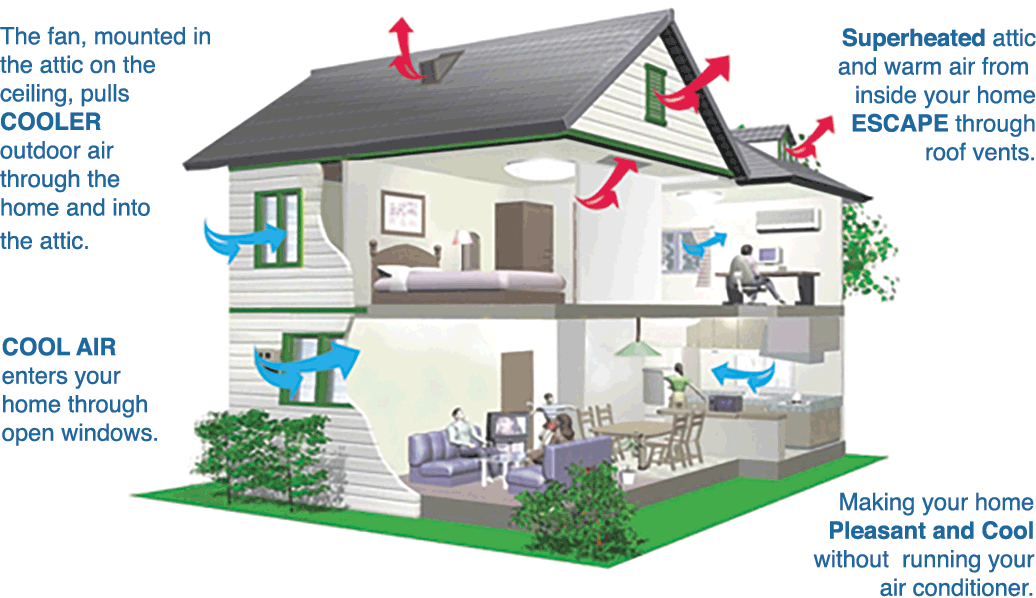
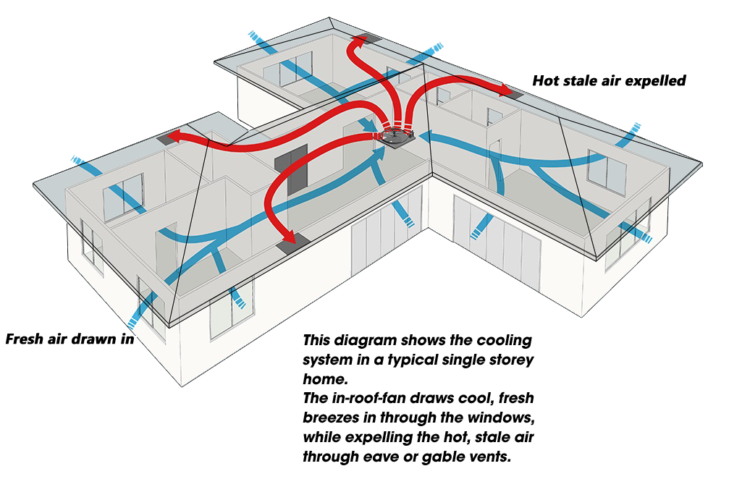
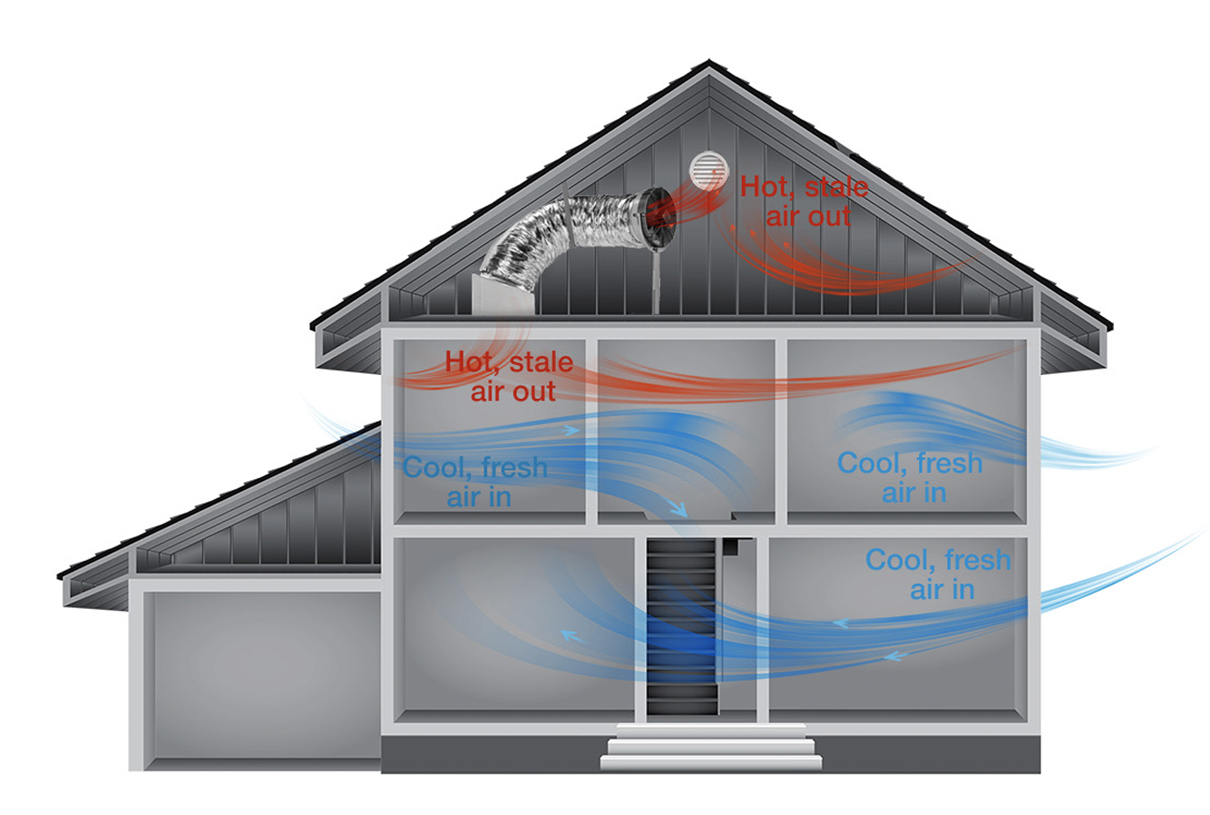
Exhaust ventilation systems work by exhausting stale air from inside the house. Think of it like a reverse vacuum cleaner; instead of sucking dirt, it's sucking out old air. Common examples include bathroom fans and kitchen range hoods. A whole-house exhaust system usually consists of a single fan, often located in an attic or upper level, that continuously or intermittently removes air. As the fan exhausts air, fresh air is drawn in through leaks in the building envelope (windows, doors, cracks in walls). While inexpensive to install, this method can create negative pressure, potentially drawing in radon gas or back-drafting combustion appliances like furnaces or water heaters.
Supply Ventilation
Supply ventilation is the opposite of exhaust. Instead of sucking air out, it blows fresh air into the house. This creates positive pressure, forcing stale air out through those same building envelope leaks. A supply ventilation system typically consists of a fan that draws fresh air from outside and distributes it into the home through ductwork. The key advantage is that you control where the fresh air comes from. However, like exhaust systems, it doesn't recover energy from the exhausted air, potentially increasing heating and cooling costs.
Balanced Ventilation
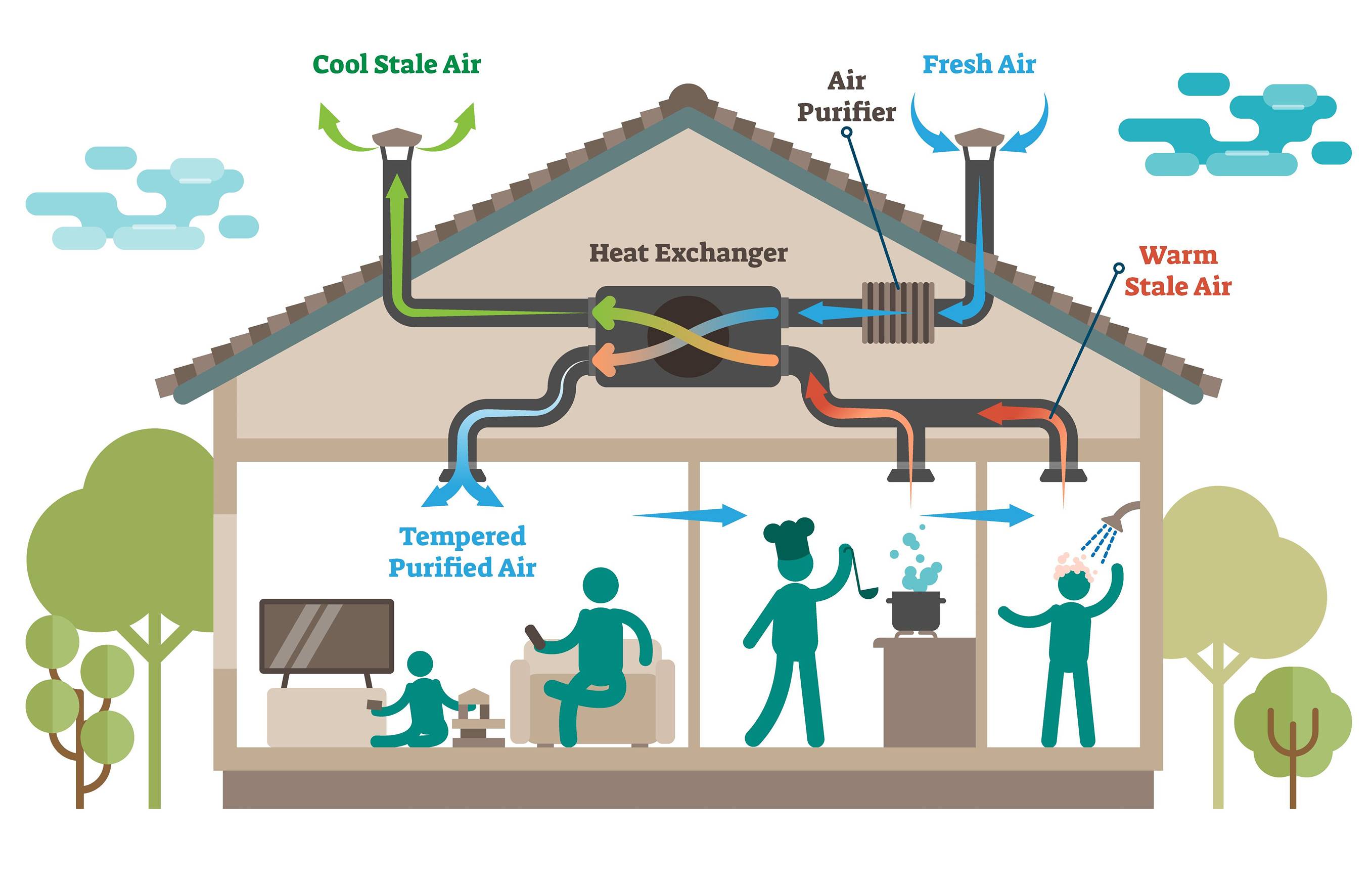
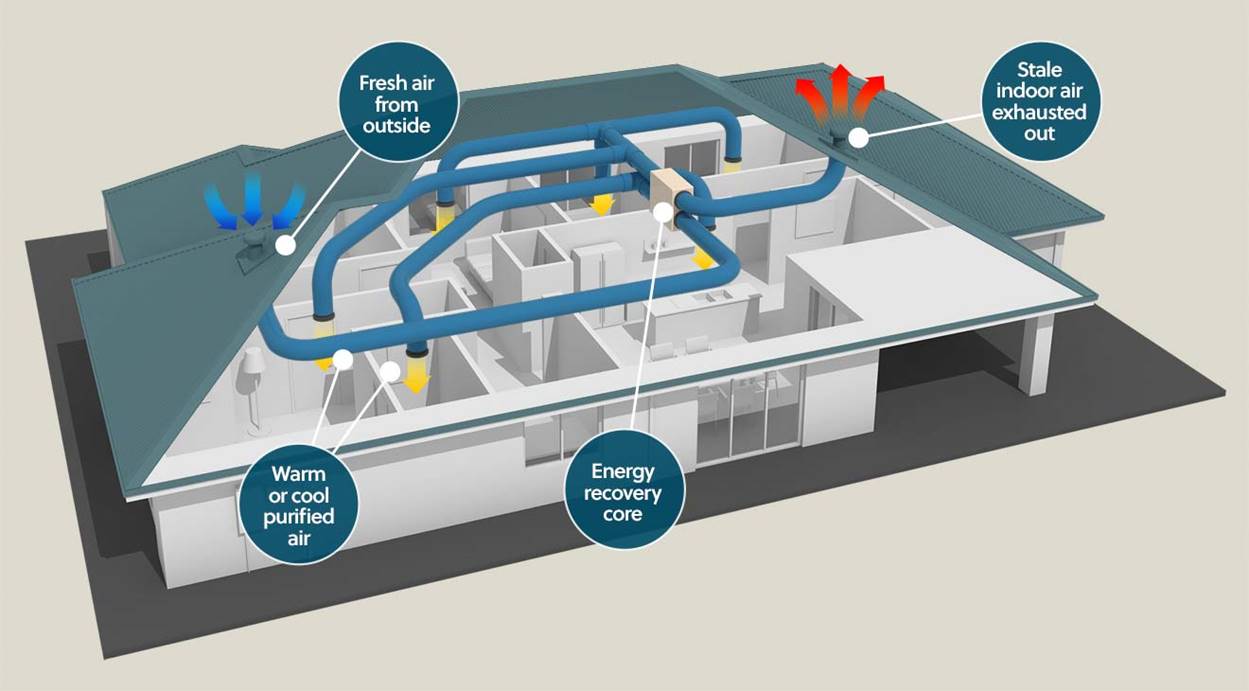
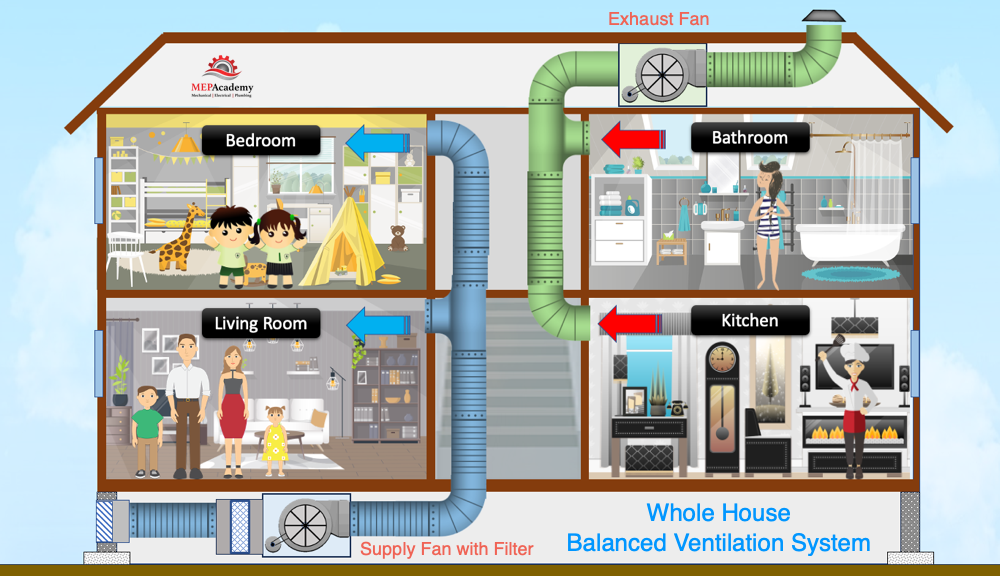
Balanced ventilation systems are the most sophisticated and generally the most effective. They simultaneously exhaust stale air and supply fresh air in equal amounts. This maintains neutral pressure within the house, avoiding the problems associated with exhaust or supply-only systems. There are two main types of balanced ventilation:
- Heat Recovery Ventilators (HRVs): HRVs transfer heat from the outgoing stale air to the incoming fresh air during the heating season. This pre-heats the incoming air, reducing the load on your furnace and saving energy. During the cooling season, the process reverses, pre-cooling the incoming air. Think of it like a "heat exchanger" stealing warmth from the outgoing air to warm the incoming air, or vice versa.
- Energy Recovery Ventilators (ERVs): ERVs function similarly to HRVs but also transfer moisture. This is particularly beneficial in humid climates, as it can help to dehumidify the incoming air. They can also help retain moisture in dry climates. ERVs are like HRVs, but they handle humidity as well as temperature.
Operating Your Whole House Ventilation System
The specific operating procedures will vary depending on the type of system you have. Always consult the manufacturer's instructions for your particular model. However, here are some general guidelines:
Understanding the Controls
Most whole-house ventilation systems have some form of control panel, ranging from simple on/off switches to sophisticated digital interfaces. Common controls include:
- On/Off Switch: This is the most basic control, allowing you to turn the system on or off.
- Speed Control: This allows you to adjust the fan speed, and therefore the rate of ventilation. Lower speeds use less energy and are quieter, but provide less ventilation. Higher speeds provide more ventilation but use more energy and can be noisier.
- Timer: Some systems have a timer that allows you to set the system to run for a specific duration. This can be useful for intermittent ventilation, such as after cooking or showering.
- Mode Selection: More advanced systems may have different operating modes, such as continuous ventilation, intermittent ventilation, or recirculation.
- Dehumidistat/Humidistat: These sensors measure the humidity level in your home and automatically adjust the ventilation rate to maintain a comfortable level. In humid climates, the system might run more frequently to remove moisture. In dry climates, it might run less frequently to retain moisture.
- Filter Change Indicator: Many systems have a light or message that indicates when it's time to change the filter.
Setting the Ventilation Rate
Determining the appropriate ventilation rate is crucial for achieving optimal air quality without wasting energy. The recommended ventilation rate depends on several factors, including the size of your home, the number of occupants, and the local climate.
The American Society of Heating, Refrigerating and Air-Conditioning Engineers (ASHRAE) provides guidelines for ventilation rates. ASHRAE Standard 62.2 outlines ventilation requirements for residential buildings. A qualified HVAC professional can help you determine the appropriate ventilation rate for your home based on these guidelines.
As a general rule, you can start with a lower ventilation rate and gradually increase it until you achieve a comfortable level of humidity and air quality. Pay attention to signs of poor ventilation, such as stale air, excessive condensation on windows, or musty odors.
Seasonal Adjustments
You may need to adjust your ventilation system settings depending on the season. During the heating season, you might want to reduce the ventilation rate to conserve energy. During the cooling season, you might want to increase the ventilation rate to remove moisture and heat. This is especially true if you have an HRV/ERV system.
Consider these points:
- Winter: Lower ventilation rates, ensure proper humidification to avoid excessive dryness. Consider manually adjusting the system if you notice condensation on windows, indicating too much moisture.
- Summer: Higher ventilation rates, especially if you have an ERV, to remove humidity. Make sure condensate drains are clear and functioning properly.
- Spring/Fall: Moderate ventilation rates, adjust based on weather fluctuations and personal comfort levels.
Maintenance and Troubleshooting
Regular maintenance is essential for keeping your whole-house ventilation system running efficiently and effectively. The most important maintenance task is changing the filter regularly. A dirty filter restricts airflow, reduces the system's efficiency, and can even damage the fan motor. The frequency of filter changes depends on the type of filter and the amount of dust and pollutants in your air, but typically ranges from every 1-3 months.
Other maintenance tasks include:
- Cleaning the air intakes and exhaust vents: Remove any debris, such as leaves, twigs, or bird nests, that may be blocking the airflow.
- Inspecting the ductwork: Look for leaks or damage and seal them with duct tape or mastic.
- Cleaning the condensate drain (for HRV/ERV systems): This prevents water from backing up and causing damage.
- Having a professional inspection: Schedule a professional inspection at least once a year to ensure that the system is functioning properly and to identify any potential problems.
Here are some common troubleshooting tips:
- System not running: Check the power supply, circuit breaker, and on/off switch.
- Reduced airflow: Check the filter and air intakes for obstructions.
- Excessive noise: Check the fan blades for damage or debris. Lubricate the fan motor if necessary.
- Condensation problems: Check the condensate drain for clogs.
- Unusual odors: Inspect the ductwork for mold or mildew.
If you're unable to resolve the problem yourself, contact a qualified HVAC technician.
Tips for Optimizing Your Ventilation System
Here are a few extra tips to help you get the most out of your whole-house ventilation system:
- Use kitchen and bathroom exhaust fans: These fans help to remove localized sources of moisture and pollutants.
- Minimize indoor pollutants: Avoid smoking indoors, use low-VOC paints and cleaning products, and properly vent appliances that burn fuel.
- Seal air leaks: Caulk and weatherstrip around windows and doors to reduce air infiltration and exfiltration. This will improve the efficiency of your ventilation system and reduce energy costs.
- Consider a smart thermostat: Some smart thermostats can integrate with whole-house ventilation systems and automatically adjust the ventilation rate based on occupancy and other factors.
When to Consult a Professional
While many aspects of operating a whole-house ventilation system are straightforward, there are times when it's best to consult a qualified HVAC professional. Consider professional help in the following situations:
- Installation: Proper installation is crucial for optimal performance. A professional can ensure that the system is sized correctly and installed according to manufacturer's specifications.
- Complex troubleshooting: If you're unable to diagnose and resolve a problem yourself, a professional can provide expert assistance.
- Ductwork issues: If your ductwork is damaged, leaking, or improperly sized, a professional can repair or replace it.
- System upgrades: If you're considering upgrading your system, a professional can help you choose the right equipment and install it properly.
By understanding how your whole-house ventilation system works and following these guidelines, you can create a healthier, more comfortable, and more energy-efficient home.