How To Vent A Plumbing System
Imagine the frustration: you flush the toilet, and instead of a smooth, swirling descent, you get gurgling, slow draining, or even a backflow. Or perhaps your shower drain is sluggish, accompanied by that telltale sewer gas odor. These are classic signs of a plumbing system that needs venting attention. Proper venting is crucial for your plumbing system to function correctly, ensuring waste flows smoothly and preventing harmful gases from entering your home.
Understanding Plumbing Vents
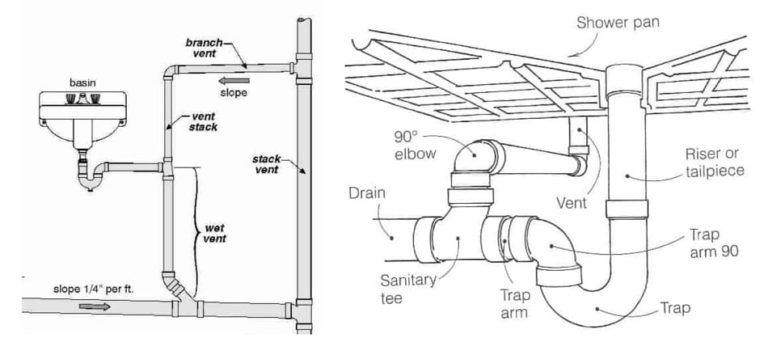
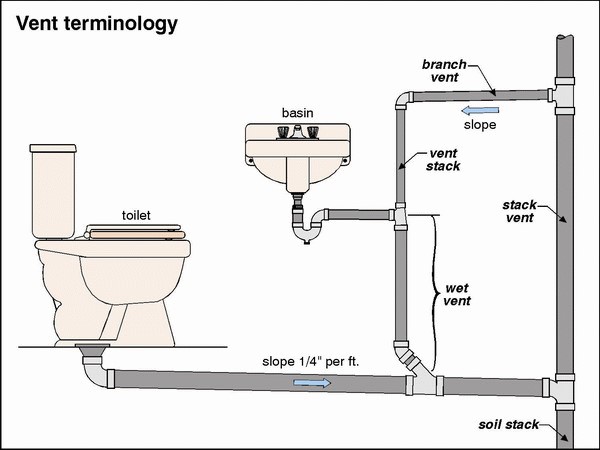
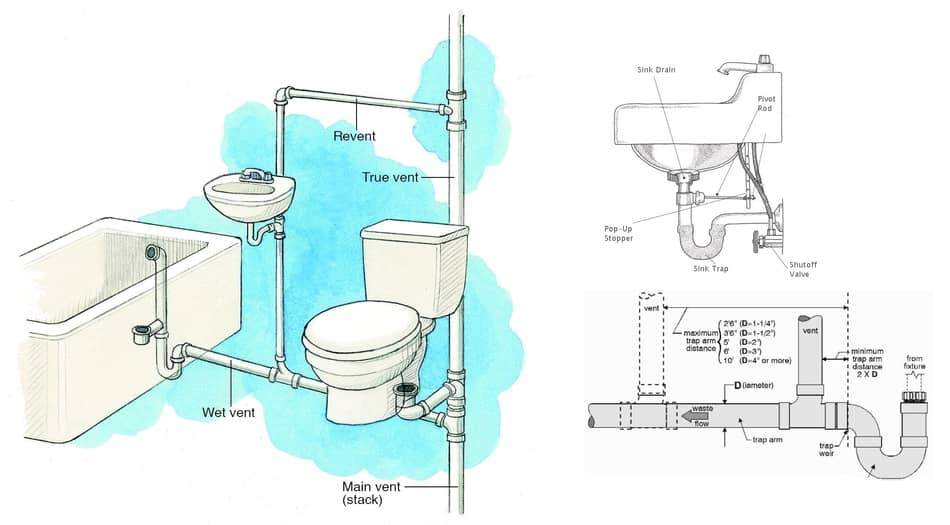
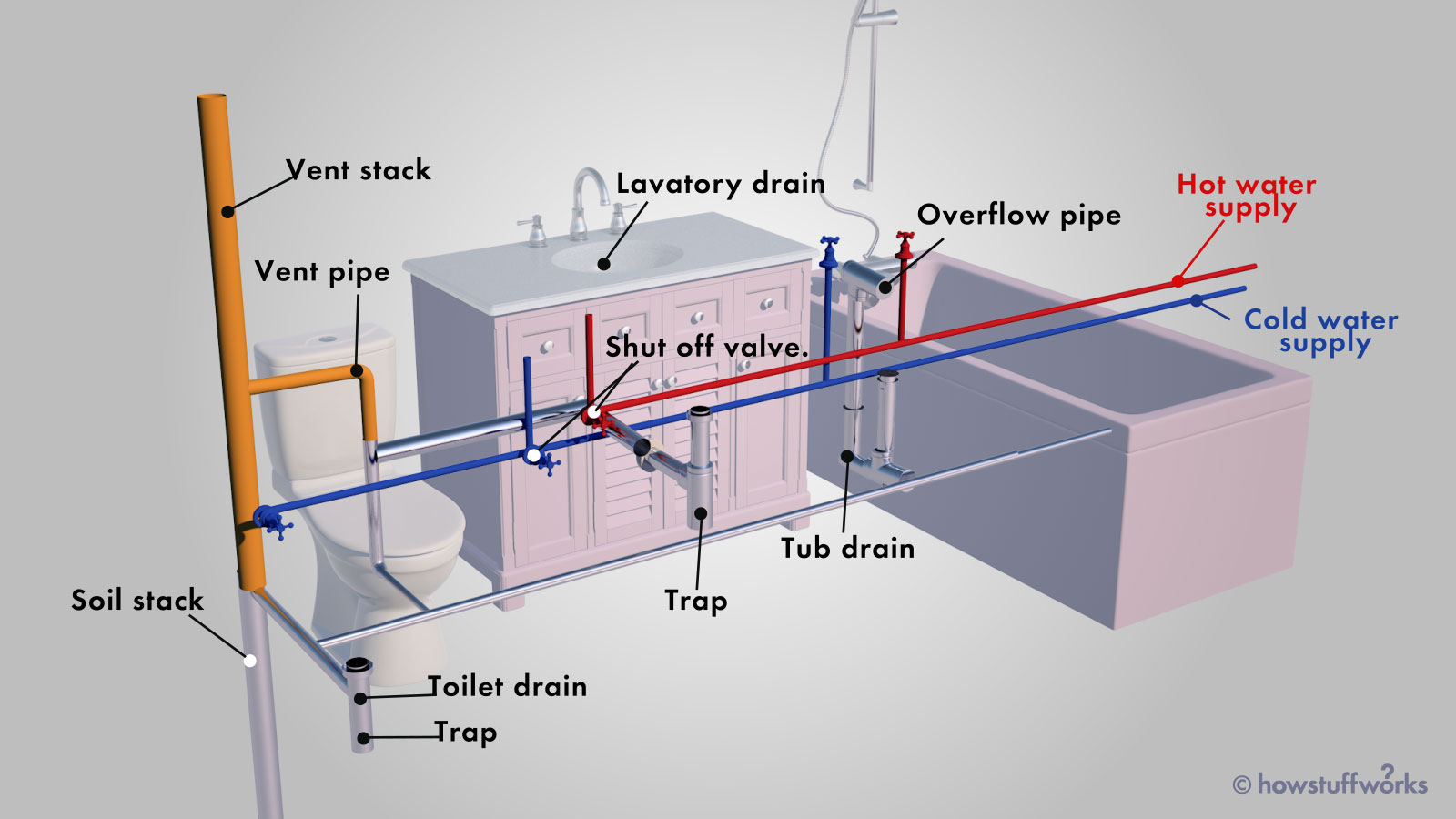
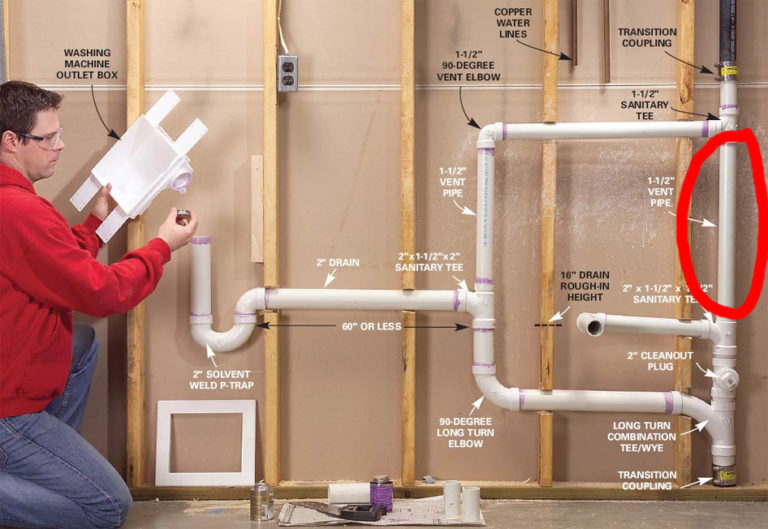
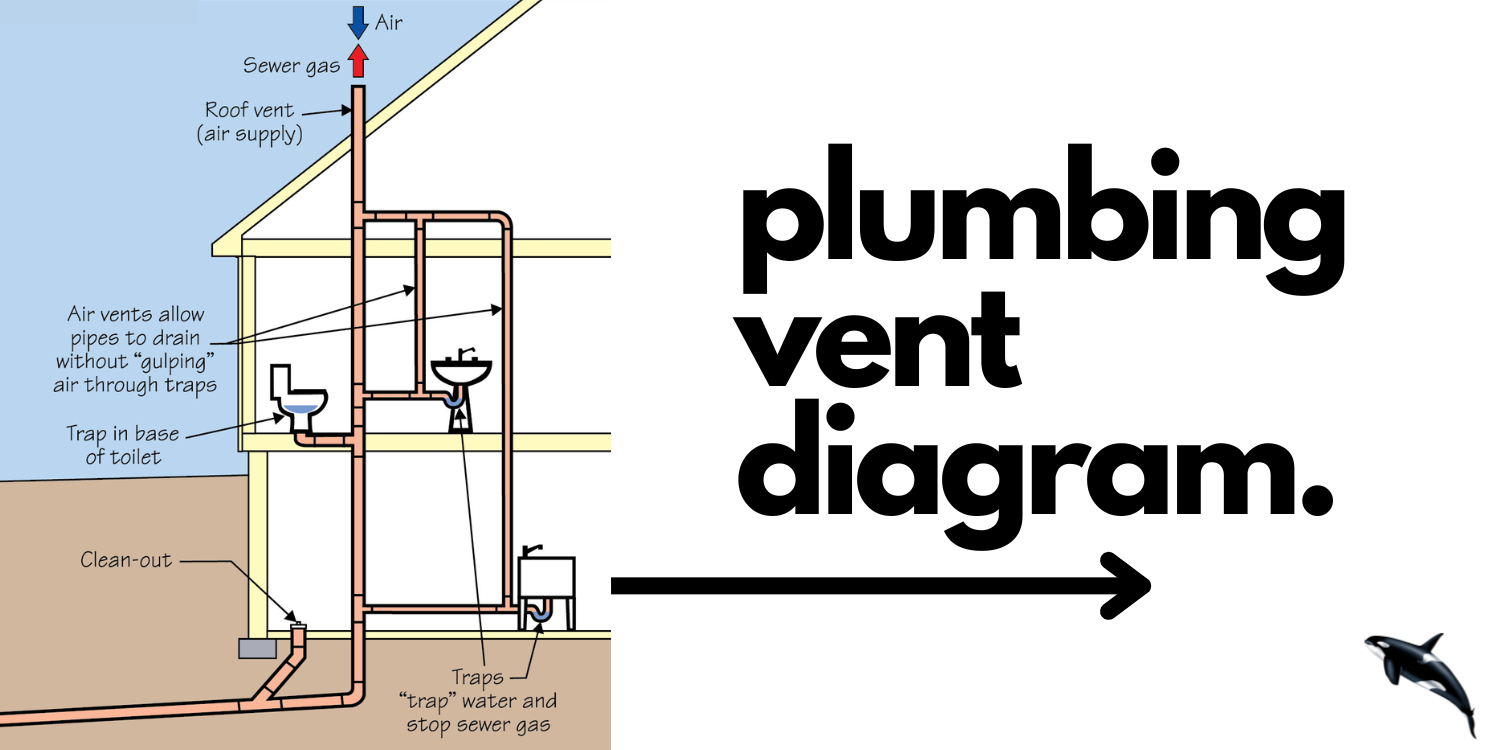
Before we dive into troubleshooting, let's briefly understand how plumbing vents work. Vents are pipes that allow air into the plumbing system. This equalizes the pressure, preventing a vacuum from forming that could siphon water out of the traps (the curved sections of pipe under sinks and toilets that hold water and block sewer gases). Think of it like this: when you drink from a bottle, you need to let air in for the liquid to flow out smoothly. Your plumbing works on the same principle.
Symptoms of a Plumbing Vent Problem:
- Slow draining sinks, toilets, or showers.
- Gurgling sounds coming from drains.
- Sewer gas odors in the house.
- Toilets that flush weakly or require multiple flushes.
Troubleshooting Your Plumbing Vent System: A Step-by-Step Guide
This guide will help you identify and address common plumbing vent issues. Safety first! Always exercise caution when working with tools, and if you're uncomfortable with any step, call a qualified plumber.
Step 1: Identify the Vent Stack Location
The main vent stack is usually a 3- or 4-inch diameter pipe that extends from the lowest point in your plumbing system, through the roof. In many homes, it’s located near the main bathroom. Exterior vent pipes are common, but can be more vulnerable to blockages.
- Exterior Inspection: Start by walking around the outside of your house. Look for a pipe protruding from the roof. This is likely your main vent stack.
- Interior Clues: If you can't see it from the outside, check your attic or crawl space. You might find the vent stack running vertically near a bathroom or kitchen.
- Document Its Path: Once located, visualize or sketch the path of the vent stack. This will help you understand where potential blockages might occur.
Step 2: Visual Inspection for Obvious Blockages
Often, the problem is a simple blockage that you can identify with a visual inspection.
- Roof Inspection (Use extreme caution!): If you're comfortable and safe doing so, carefully inspect the vent stack opening on the roof. Use binoculars if you’re uncomfortable climbing. Look for:
- Bird nests
- Leaves and debris
- Snow or ice accumulation (in colder climates)
- Animal remains
- Attic/Crawl Space Inspection: Examine the vent stack within your attic or crawl space for any signs of damage or disconnection. Look for:
- Cracks or breaks in the pipe
- Loose connections
- Signs of water damage around the pipe (indicating a leak)
Step 3: Clearing Simple Blockages
If you've identified a visible blockage, try these methods to clear it. Remember safety! Wear gloves and eye protection.
- Removing Debris by Hand: If the blockage is easily accessible, try removing it by hand (wear gloves!).
- Using a Garden Hose: If the blockage is further down, try using a garden hose with a spray nozzle to flush it out. Insert the hose into the vent stack opening on the roof and direct the water downwards. Be careful not to use excessive pressure, which could damage the vent pipe. Have someone inside monitor the drains to see if water starts flowing more freely.
- Using a Plumber's Snake (Auger): A plumber's snake is a flexible tool that can be used to break up and remove blockages in pipes. Insert the snake into the vent stack opening and carefully feed it down, rotating the handle as you go. If you encounter resistance, try to break up the blockage by rotating the snake back and forth. Once you've cleared the blockage, remove the snake and flush the vent stack with water.
Step 4: Checking Air Admittance Valves (AAVs)
Air admittance valves (AAVs), also known as cheater vents, are one-way valves that allow air to enter the plumbing system but prevent sewer gases from escaping. They are often used in situations where it's difficult or impossible to connect to the main vent stack. They are often located under sinks in hard to vent locations.
- Location: Locate any AAVs in your home. They are typically found under sinks or behind toilets.
- Inspection: Visually inspect the AAV for any signs of damage or debris.
- Testing: To test an AAV, remove it and check if the valve is stuck open or closed. A properly functioning AAV should open to allow air in when there is negative pressure in the drainpipe and close to prevent sewer gases from escaping. Replace the AAV if it is not functioning correctly.
Step 5: Addressing Minor Leaks and Damage
If you find minor leaks or damage to the vent pipe, you might be able to make some simple repairs.
- Patching Small Cracks: For small cracks, you can use plumbing sealant or epoxy to patch them. Clean the area around the crack thoroughly before applying the sealant.
- Tightening Connections: Check all the connections in the vent pipe and tighten any loose fittings.
- Replacing Sections of Pipe: If a section of pipe is severely damaged, you may be able to replace it yourself if you have basic plumbing skills. However, this is usually best left to a professional, as it requires proper cutting, fitting, and sealing of the pipe.
When to Call a Professional Plumber
While some plumbing vent issues can be resolved with DIY methods, there are situations where it's best to call a professional plumber. Do not attempt repairs that involve gas lines, complex plumbing configurations, or working at heights that make you uncomfortable.
- Major Vent Stack Blockages: If you've tried the methods above and still can't clear the blockage, it's likely a more serious issue that requires specialized equipment and expertise.
- Gas Leaks: If you suspect a gas leak, immediately evacuate your home and call your gas company or a qualified plumber. Do not attempt to repair a gas leak yourself.
- Complex Plumbing Systems: If your plumbing system is complex or you're unsure how to proceed, it's always best to consult a professional.
- Roof Work You're Uncomfortable With: If you don't feel comfortable working on the roof, hire a professional to inspect and repair the vent stack. Safety is paramount.
- Persistent Sewer Gas Odors: If you've tried everything and still have sewer gas odors in your home, there may be a hidden problem that requires professional diagnosis.
- Frozen Vent Pipes: In cold climates, frozen vent pipes can cause serious plumbing problems. A plumber has the tools and expertise to safely thaw frozen pipes and prevent them from freezing again.
- Any Work Involving Moving Or Altering Gas Lines: This work requires permitting and MUST be performed by a licensed professional.
Preventative Maintenance
The best way to avoid plumbing vent problems is to perform regular preventative maintenance.
- Annual Inspection: Inspect your vent stack at least once a year for any signs of damage or debris.
- Clear Debris Regularly: Remove any leaves, bird nests, or other debris from the vent stack opening on the roof.
- Flush Drains Regularly: Pour boiling water down your drains regularly to help prevent clogs.
- Avoid Flushing Inappropriate Items: Only flush toilet paper and human waste down the toilet. Avoid flushing feminine hygiene products, diapers, and other items that can clog your plumbing system.
- Consider Vent Stack Covers: Install a vent stack cover to prevent debris from entering the vent pipe. These are usually wire mesh and are inexpensive at any home-improvement store.
By following these steps, you can troubleshoot and potentially resolve many common plumbing vent issues. Remember to prioritize safety and call a professional when needed. With a little knowledge and effort, you can keep your plumbing system functioning smoothly and prevent unpleasant odors from invading your home.
Disclaimer: This article provides general guidance only and is not a substitute for professional plumbing advice. Always consult a qualified plumber for any complex plumbing issues or if you are unsure how to proceed.