How To Ventilate A Spray Foam House
Ventilating a Spray Foam Insulated House: A Comprehensive Guide
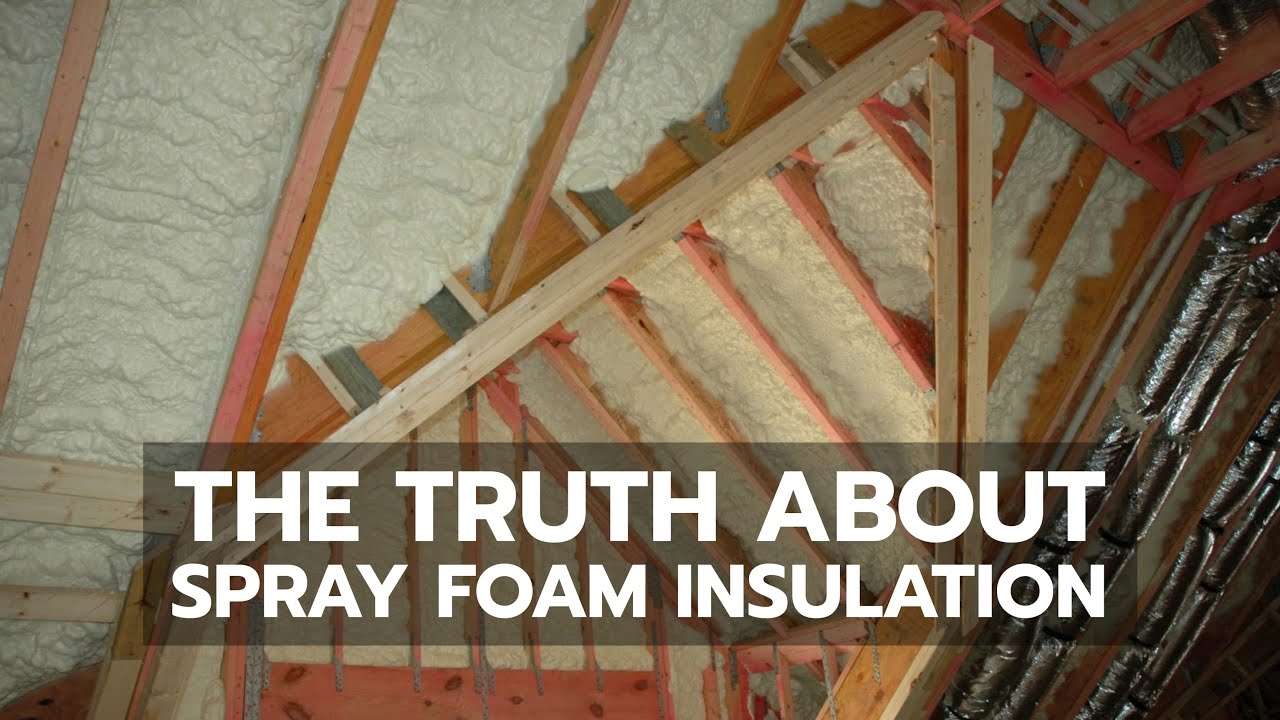
Spray foam insulation has revolutionized building practices, offering exceptional thermal performance and air sealing capabilities. However, this airtightness necessitates a carefully considered ventilation strategy. Without proper ventilation, a spray foam home can suffer from indoor air quality issues, moisture buildup, and potential health concerns. This article provides a detailed overview of how to effectively ventilate a spray foam house, catering to homeowners, HVAC technicians, and facility managers alike.
Understanding the Unique Needs of Spray Foam Homes
Traditional homes often rely on natural air infiltration for ventilation. Gaps around windows, doors, and other penetrations allow fresh air to enter, diluting indoor pollutants and removing excess moisture. Spray foam, however, drastically reduces or eliminates these air leaks. While this significantly improves energy efficiency, it also traps pollutants and moisture inside. Therefore, a mechanical ventilation system becomes crucial for maintaining a healthy and comfortable indoor environment.
The key goal of ventilating a spray foam home is to introduce controlled amounts of fresh air while exhausting stale, polluted air. This process helps regulate humidity levels, reduce concentrations of volatile organic compounds (VOCs) released from building materials and furnishings, and prevent the growth of mold and mildew.
Ventilation Strategies for Spray Foam Houses
Several ventilation strategies are suitable for spray foam homes, each with its own advantages and disadvantages. The most common options include:
1. Exhaust-Only Ventilation
This is the simplest and least expensive mechanical ventilation strategy. Exhaust fans are installed in bathrooms, kitchens, and laundry rooms to remove moist and odorous air. As air is exhausted, fresh air is drawn in through intentional leaks or ventilation openings (often passive inlets). While cost-effective, exhaust-only systems can create negative pressure within the house, potentially drawing in radon gas or backdrafting combustion appliances. They are generally not recommended for tightly sealed spray foam homes without careful consideration of potential backdrafting issues.
2. Supply-Only Ventilation
Supply-only ventilation systems use a fan to force fresh air into the house. This creates positive pressure, which helps to prevent outside air from entering through unwanted leaks. The incoming air is typically filtered to remove dust and pollen. Air is exhausted through natural leakage points, such as windows and doors. Supply-only systems are better than exhaust-only at controlling where fresh air enters, but they can still be prone to uneven air distribution and may require careful balancing.
3. Balanced Ventilation
Balanced ventilation systems simultaneously supply fresh air and exhaust stale air in equal amounts. This maintains neutral pressure within the house, preventing both negative and positive pressure problems. Common balanced ventilation systems include:
- Heat Recovery Ventilators (HRVs): HRVs transfer heat from the outgoing stale air to the incoming fresh air during the heating season, and vice versa during the cooling season. This significantly reduces energy costs associated with ventilation. HRVs are excellent choices for homes in colder climates.
- Energy Recovery Ventilators (ERVs): ERVs function similarly to HRVs but also transfer moisture between the air streams. This helps to control humidity levels, making them suitable for both humid and dry climates. ERVs are often preferred in warmer, more humid regions.
Balanced ventilation systems are generally considered the best option for spray foam homes because they provide consistent, controlled ventilation without creating pressure imbalances. While they have a higher initial cost than exhaust-only or supply-only systems, the energy savings and improved indoor air quality often make them a worthwhile investment.
Sizing and Selecting the Right Ventilation System
Properly sizing a ventilation system is crucial for effective performance. Undersized systems will not provide adequate ventilation, while oversized systems can waste energy and lead to uncomfortable drafts.
The ventilation rate is typically measured in cubic feet per minute (CFM). Several factors influence the required ventilation rate, including:
- House size (square footage and volume)
- Number of occupants
- Climate
- Activity levels
Industry standards, such as ASHRAE Standard 62.2, provide guidelines for determining the appropriate ventilation rate. HVAC technicians should use these standards to calculate the required CFM for a specific home. Manual J calculations are also used to determine the appropriate size of heating and cooling equipment. These calculations take into account the insulation levels, window types, and other factors that affect heat loss and gain.
When selecting a ventilation system, consider the following factors:
- Energy efficiency: Look for systems with high sensible recovery efficiency (SRE) for HRVs and high total recovery efficiency (TRE) for ERVs.
- Air filtration: Choose a system with a good quality air filter to remove dust, pollen, and other particles. A MERV (Minimum Efficiency Reporting Value) rating of 8 or higher is generally recommended.
- Noise level: Consider the noise level of the system, especially if it will be located near living areas.
- Maintenance requirements: Regular filter changes are essential for maintaining system performance. Consider the ease of filter replacement and other maintenance tasks.
- Cost: Compare the initial cost and operating costs of different systems. Remember to factor in energy savings when evaluating the overall cost-effectiveness.
Installation and Commissioning
Proper installation is critical for the optimal performance of any ventilation system. It is recommended to hire a qualified HVAC technician with experience installing ventilation systems in airtight homes.
Key installation considerations include:
- Ductwork design: Ensure that ductwork is properly sized and sealed to minimize air leakage. Use rigid ductwork whenever possible, as flexible ductwork can restrict airflow.
- Location of supply and exhaust terminals: Position supply terminals to distribute fresh air evenly throughout the house. Locate exhaust terminals in areas where pollutants and moisture are generated, such as bathrooms and kitchens.
- Proper sealing: Seal all penetrations in the building envelope to prevent air leakage. This is especially important around ductwork and electrical boxes.
- Balancing the system: Once the system is installed, it needs to be balanced to ensure that the correct amount of air is being supplied and exhausted. This typically involves adjusting dampers in the ductwork.
Commissioning is the process of verifying that the ventilation system is operating according to its design specifications. This includes measuring airflow rates, checking for air leaks, and verifying that the system is properly balanced.
Maintenance and Monitoring
Regular maintenance is essential for maintaining the performance of a ventilation system. The most important maintenance task is to change the air filter regularly, typically every three to six months, depending on the filter type and air quality. Other maintenance tasks may include:
- Cleaning the ventilation terminals: Periodically clean the supply and exhaust terminals to remove dust and debris.
- Inspecting the ductwork: Check the ductwork for leaks or damage and repair as needed.
- Having the system professionally inspected: Consider having the system professionally inspected every few years to ensure that it is operating properly.
Monitoring indoor air quality can help to identify potential ventilation problems. Consider using a carbon dioxide (CO2) monitor to track CO2 levels in the house. High CO2 levels can indicate inadequate ventilation. You can also use a humidity monitor to track humidity levels. Excessive humidity can lead to mold growth.
Integrating Ventilation with Other HVAC Systems
Ventilation systems should be integrated with other HVAC systems, such as furnaces, air conditioners, and heat pumps, to optimize energy efficiency and comfort. For example, some HRVs and ERVs can be integrated with a forced-air system, using the existing ductwork to distribute fresh air throughout the house.
In some cases, it may be beneficial to use a zoned HVAC system, which allows for different temperatures in different areas of the house. This can help to improve comfort and reduce energy costs.
Cost Considerations
The cost of installing a ventilation system in a spray foam home can vary depending on the type of system, the size of the house, and the complexity of the installation. Exhaust-only systems are typically the least expensive, while balanced ventilation systems with HRVs or ERVs are the most expensive. However, the long-term energy savings and improved indoor air quality associated with balanced ventilation systems can often offset the higher initial cost.
It is important to obtain quotes from multiple HVAC contractors before making a decision. Be sure to ask about the system's energy efficiency rating, maintenance requirements, and warranty.
Conclusion
Proper ventilation is essential for maintaining a healthy and comfortable indoor environment in a spray foam insulated house. By understanding the unique needs of spray foam homes and choosing the right ventilation strategy, homeowners, HVAC technicians, and facility managers can ensure that these homes are both energy-efficient and healthy to live in. Investing in a well-designed and properly installed ventilation system is an investment in the long-term health and comfort of the occupants.