How To Wire A Furnace Blower Motor

It's a cold winter evening, and suddenly, your house starts getting chilly. You check the thermostat, and it's set correctly, but you don't hear the familiar hum of your furnace. Chances are, something's gone wrong, and one of the most common culprits is the furnace blower motor. This motor is responsible for circulating heated air throughout your home, and when it fails, your comfort quickly diminishes. Before you call a professional, let's explore some basic troubleshooting steps you can take to diagnose the problem.
Safety First!
Before you even think about touching anything, remember these vital safety precautions:
- Turn off the power! Locate the circuit breaker or disconnect switch that controls your furnace. Flip it to the "off" position. Double-check with a non-contact voltage tester to ensure the power is indeed off.
- Gas Safety: If you smell gas at any point, evacuate your home immediately and call your gas company or the fire department. Do not attempt any repairs yourself.
- Wear Safety Gear: Wear safety glasses to protect your eyes and work gloves to protect your hands.
- Respect Your Limits: If at any point you feel uncomfortable or unsure about a step, stop and call a qualified HVAC technician.
Troubleshooting the Furnace Blower Motor: A Step-by-Step Guide
1. Checking the Power Supply
The first and simplest step is to verify that your furnace is receiving power. A tripped breaker is a common cause of furnace failure.
- Locate the Breaker Panel: Find your home's electrical panel.
- Identify the Furnace Breaker: Look for the breaker labeled "Furnace," "HVAC," or something similar.
- Check the Breaker: If the breaker is tripped (in the middle position), flip it fully to the "off" position and then back to the "on" position.
- Test: Go back to your furnace and see if it starts. If it doesn't, proceed to the next step.
- Disconnect Switch: Some furnaces have a separate disconnect switch located near the unit itself. Make sure this switch is also in the "on" position.
2. Examining the Thermostat Settings
Sometimes, the problem isn't with the furnace itself but with the thermostat. Double-check your settings.
- Check the Mode: Ensure the thermostat is set to "Heat" and not "Cool" or "Off."
- Set the Temperature: Make sure the desired temperature is set higher than the current room temperature.
- Fan Setting: Verify the fan setting is set to "Auto" or "On." If it's set to "Off," the blower motor might not be running.
- Battery Check: Some thermostats require batteries. If the display is dim or blank, replace the batteries.
3. Inspecting the Air Filter
A clogged air filter can restrict airflow, causing the furnace to overheat and shut down. This can also put unnecessary strain on the blower motor.
- Locate the Air Filter: The air filter is usually located in a slot near the furnace or in a return air vent.
- Inspect the Filter: Remove the filter and examine it. If it's dirty and clogged with dust and debris, it needs to be replaced.
- Replace the Filter: Install a new, clean air filter. Make sure you install it with the correct airflow direction (usually indicated by an arrow on the filter frame).
4. Checking the Blower Motor Compartment
Now, let's take a closer look at the blower motor itself. Remember to turn off the power before proceeding!
- Access the Blower Motor: Remove the access panel to the blower motor compartment. You may need a screwdriver or nut driver.
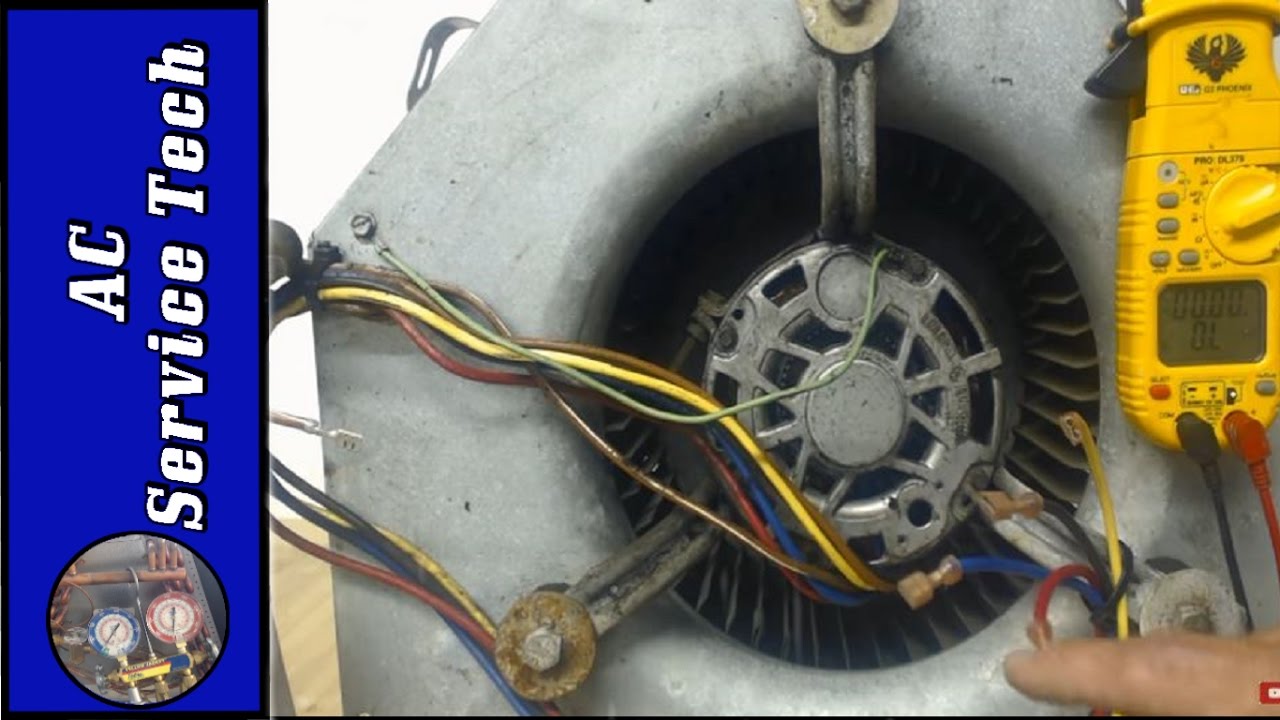
- Visual Inspection: Look for any obvious signs of damage, such as burnt wires, loose connections, or a dusty motor.
- Check the Blower Wheel: Ensure the blower wheel (the fan that moves the air) spins freely. Try to rotate it by hand. If it's difficult to turn or makes a grinding noise, the motor bearings may be failing.
- Cleaning the Blower Wheel: Over time, the blower wheel can accumulate dust and debris, which can affect its performance. Use a soft brush or vacuum cleaner with a brush attachment to gently clean the blower wheel.
5. Inspecting the Capacitor
The capacitor is a small, cylindrical component that helps start and run the blower motor. A faulty capacitor is a common cause of blower motor failure.
- Locate the Capacitor: The capacitor is usually located near the blower motor. It's typically a gray or black cylinder.
- Visual Inspection: Look for any signs of damage, such as bulging, leaking, or cracking. A damaged capacitor should be replaced immediately.
- Testing the Capacitor (Advanced - Leave to Professionals Unless Experienced): Testing a capacitor requires a multimeter with capacitance testing capabilities. Discharge the capacitor before testing (search online for instructions – this is VERY important due to the stored energy!). Compare the measured capacitance value to the value printed on the capacitor. If the measured value is significantly different, the capacitor needs to be replaced. If you are not comfortable or experienced with using a multimeter and discharging capacitors, leave this step to a professional.
6. Checking the Wiring
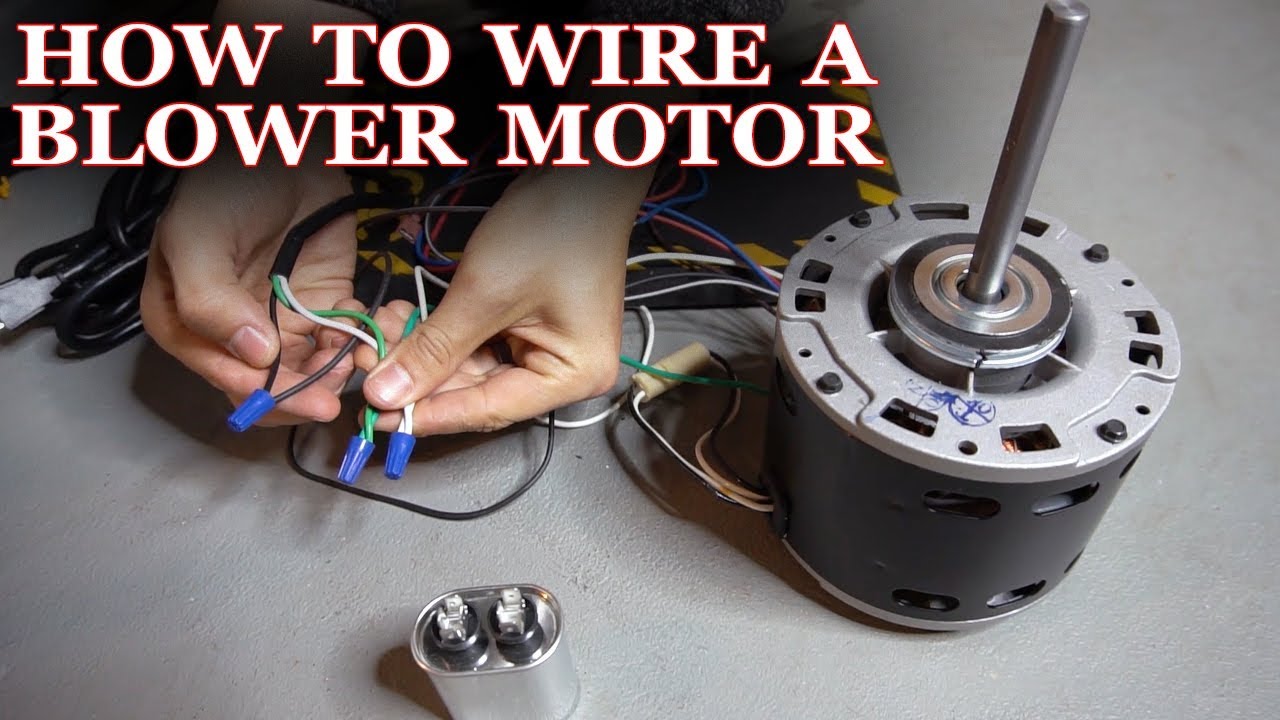
Loose or corroded wiring can also cause blower motor problems. Carefully inspect the wiring connections to the motor and capacitor.
- Visual Inspection: Look for any loose wires, frayed insulation, or corroded terminals.
- Secure Connections: If you find any loose connections, carefully tighten them.
- Clean Corroded Terminals: If you find any corroded terminals, clean them with a wire brush or electrical contact cleaner.
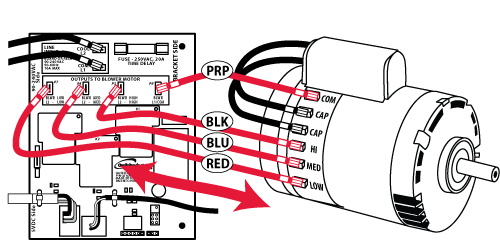
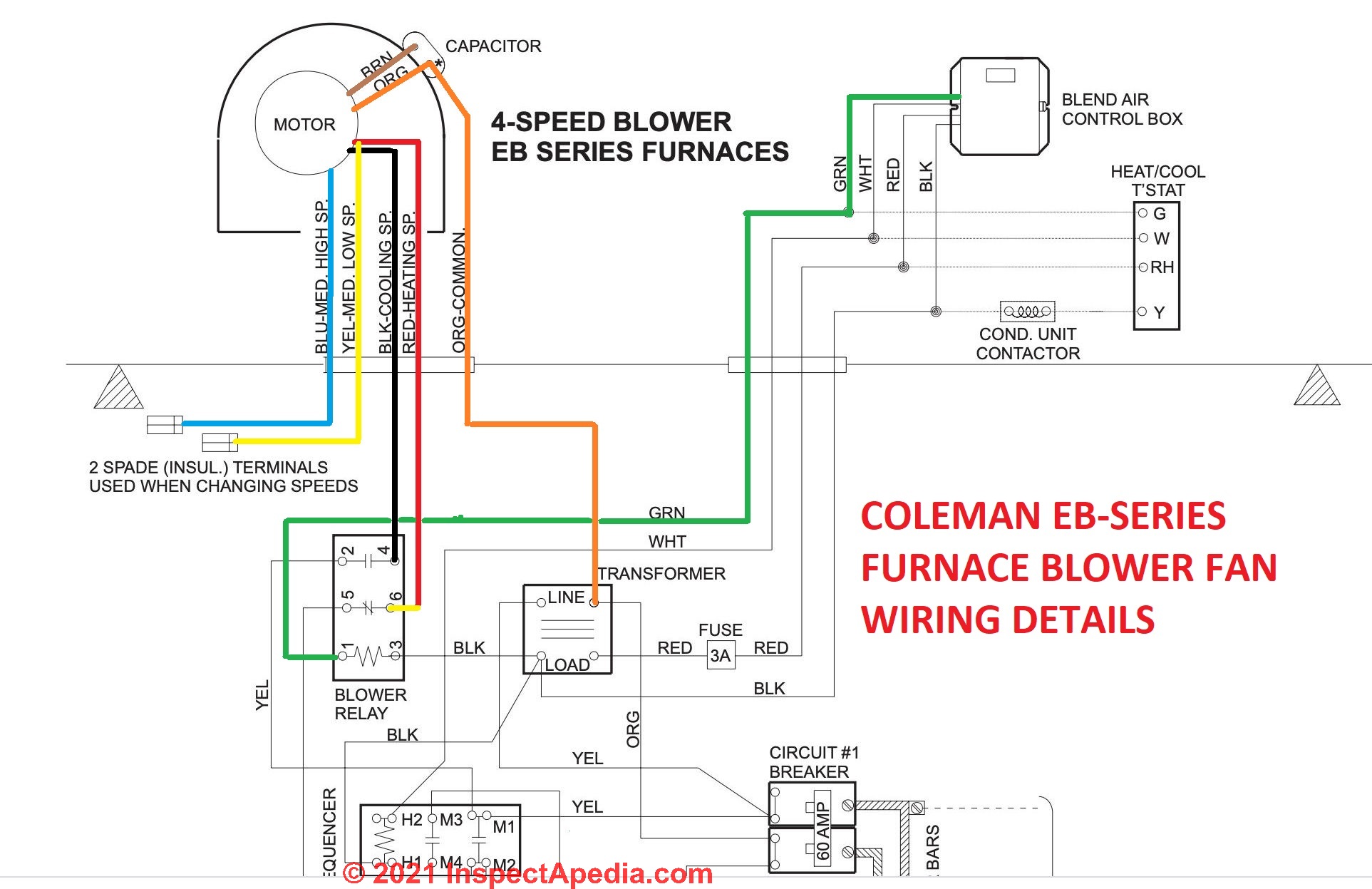
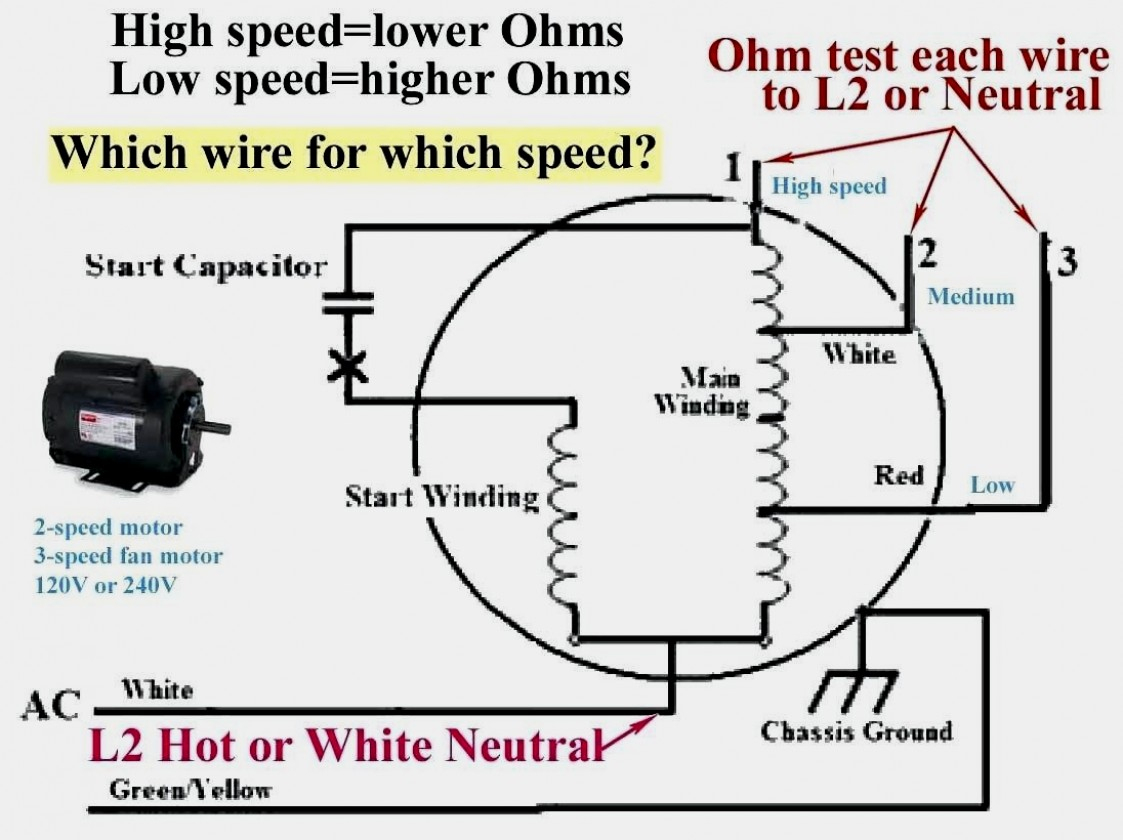
- Wiring Diagram: Refer to the wiring diagram for your furnace model to ensure the wires are connected correctly. This diagram is usually located inside the blower motor compartment or on the furnace door.
7. Replacing the Capacitor (Simple Replacement)
If you've determined that the capacitor is faulty, you can replace it yourself, but only if you are comfortable working with electrical components. Again, discharging the capacitor is crucial before handling it!
- Purchase a Replacement: Buy a replacement capacitor with the same voltage and capacitance rating as the original. You can find this information printed on the capacitor.
- Discharge the Old Capacitor: (Important!) Use a screwdriver with an insulated handle to short across the terminals of the old capacitor. This will discharge any stored electricity. Be careful, as this can cause a spark. There are safer methods using resistors – research online.
- Disconnect the Wires: Disconnect the wires from the old capacitor, noting their positions. It's a good idea to take a picture before disconnecting them.
- Connect the Wires to the New Capacitor: Connect the wires to the new capacitor in the same positions as the old one.
- Secure the Capacitor: Secure the new capacitor in place.
8. Blower Motor Replacement (Consider Professional Help)
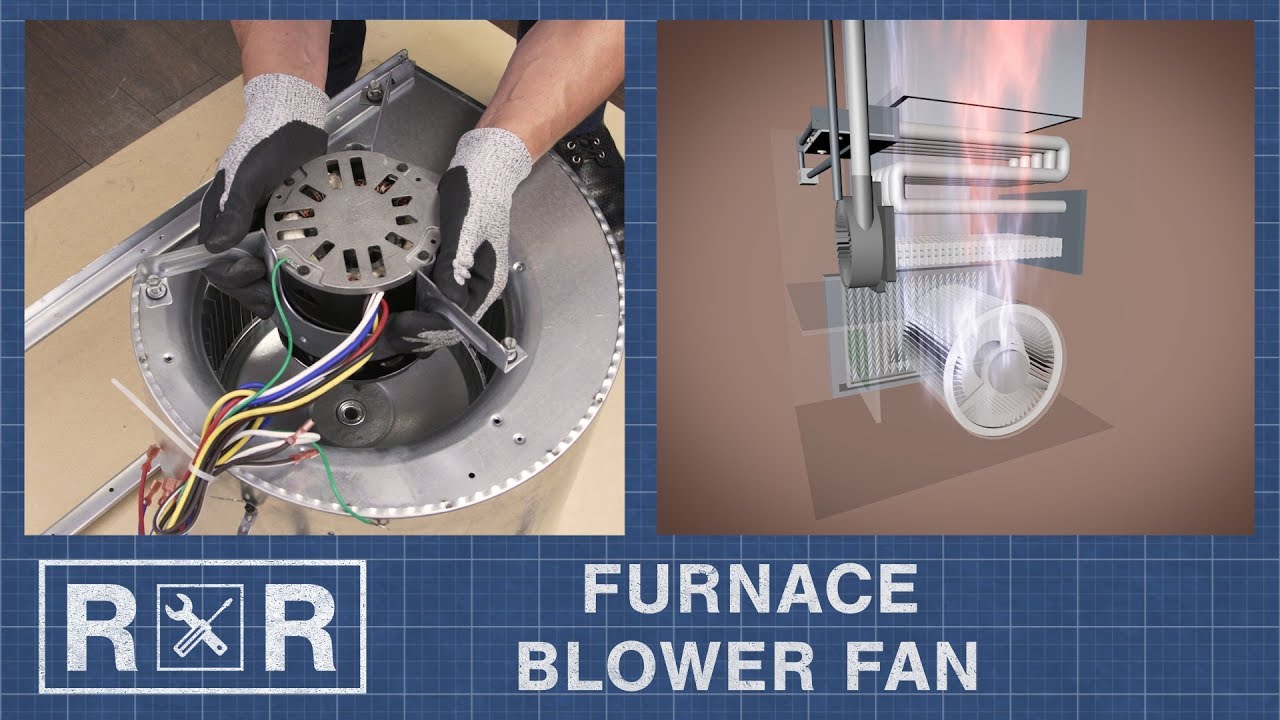
Replacing the blower motor itself is a more complex task and may require specialized tools. If you're not comfortable with electrical work or mechanical repairs, it's best to call a qualified HVAC technician.
- Purchase a Replacement: Obtain a replacement blower motor that is compatible with your furnace model.
- Disconnect the Wiring: Disconnect the wiring from the old blower motor, noting their positions.
- Remove the Old Motor: Remove the screws or bolts that secure the old blower motor to the blower housing.
- Install the New Motor: Install the new blower motor in the blower housing, securing it with the screws or bolts.
- Connect the Wiring: Connect the wiring to the new blower motor in the same positions as the old one.
- Test the Motor: Turn on the power and test the new blower motor.
When to Call a Professional
While many of these troubleshooting steps are within the capabilities of a handy homeowner, there are situations where it's best to call a qualified HVAC technician:
- You Smell Gas: As mentioned earlier, if you smell gas, evacuate immediately and call the gas company or fire department.
- Complex Electrical Issues: If you suspect a problem with the furnace's control board or other complex electrical components.
- Gas Furnace Issues: If your furnace is gas-powered and you suspect a problem with the gas valve, burner, or heat exchanger.
- You're Uncomfortable: If you're not comfortable working with electricity or gas, or if you're unsure about any of the troubleshooting steps.
- The Problem Persists: If you've tried all of the troubleshooting steps and the blower motor still isn't working.
Preventative Maintenance
To avoid future blower motor problems, consider these preventative maintenance tips:
- Replace Air Filter Regularly: Replace your air filter every 1-3 months, depending on the type of filter and the air quality in your home.
- Schedule Regular Furnace Maintenance: Have your furnace inspected and serviced by a qualified HVAC technician at least once a year.
- Keep the Furnace Clean: Keep the area around your furnace clean and free of dust and debris.
By following these troubleshooting steps, you can often diagnose and fix common furnace blower motor problems yourself, saving you time and money. However, always prioritize safety and don't hesitate to call a professional when needed. A little knowledge and caution can go a long way in keeping your home warm and comfortable all winter long.