How To Wire A Furnace Fan Switch
One of the most frustrating issues a homeowner can face, especially during extreme weather, is a furnace fan that isn't behaving correctly. Maybe it's constantly running, even when the furnace isn't heating, or perhaps it's not turning on at all. While many factors can contribute to this problem, a faulty furnace fan switch is a common culprit. This article provides a calm, step-by-step guide to troubleshooting and, in some cases, fixing a furnace fan switch. Remember, safety is paramount. Always disconnect power to the furnace before beginning any electrical work.
Understanding the Furnace Fan Switch
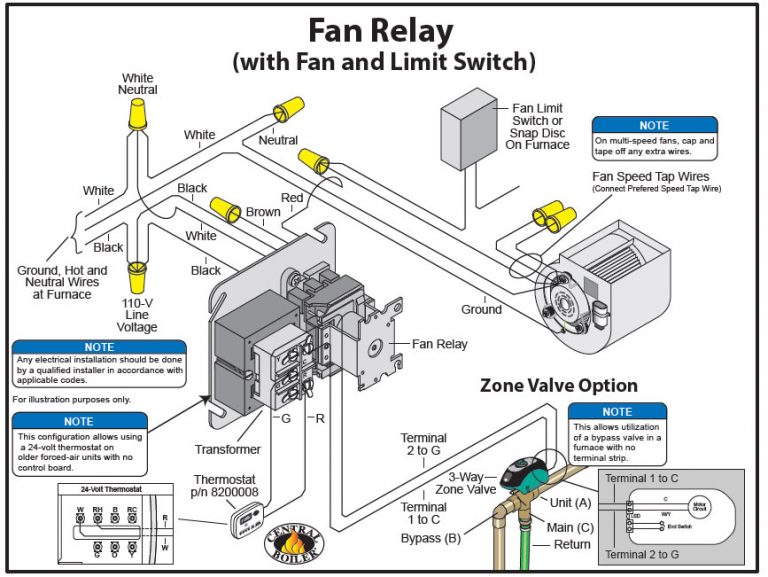
The furnace fan switch, sometimes called a fan limit switch or a fan control, is a crucial component responsible for controlling the blower fan that circulates heated air throughout your home. It typically works by sensing the temperature of the furnace's heat exchanger. When the heat exchanger reaches a pre-set temperature, the switch activates the fan. Conversely, when the furnace cools down, the switch turns the fan off. If this switch malfunctions, the fan can run constantly, not run at all, or behave erratically.
Identifying the Fan Switch
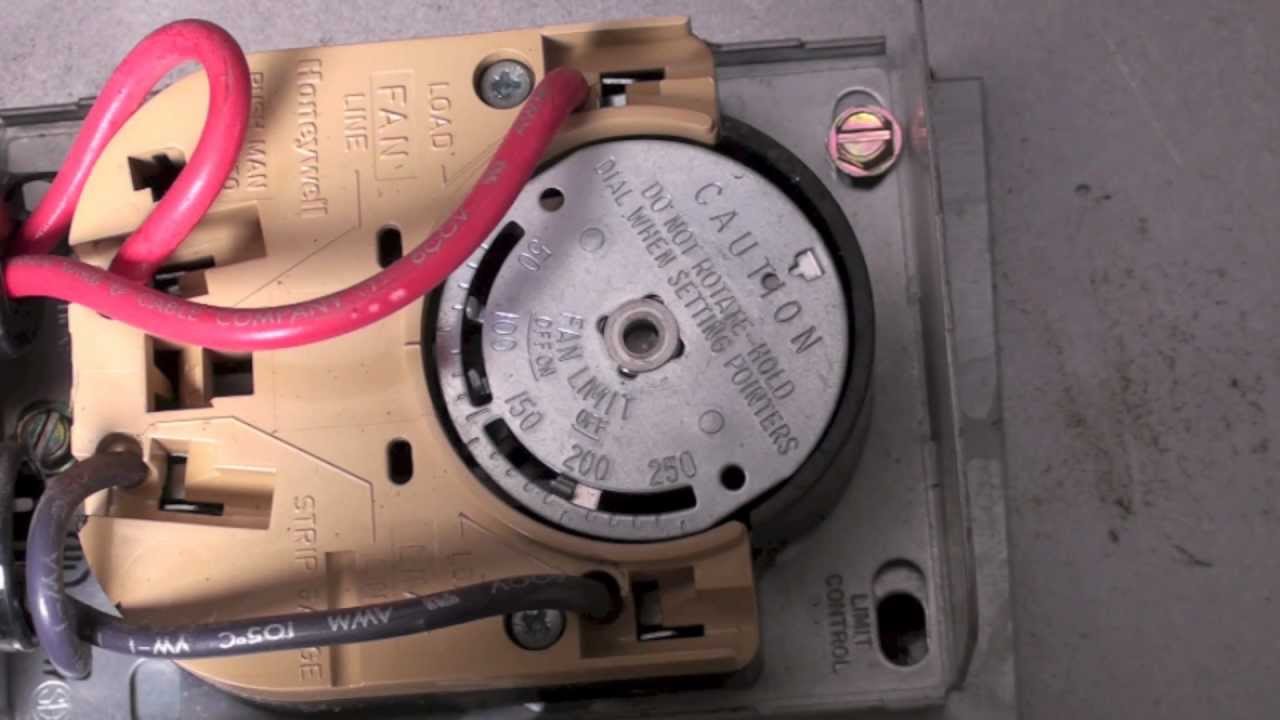
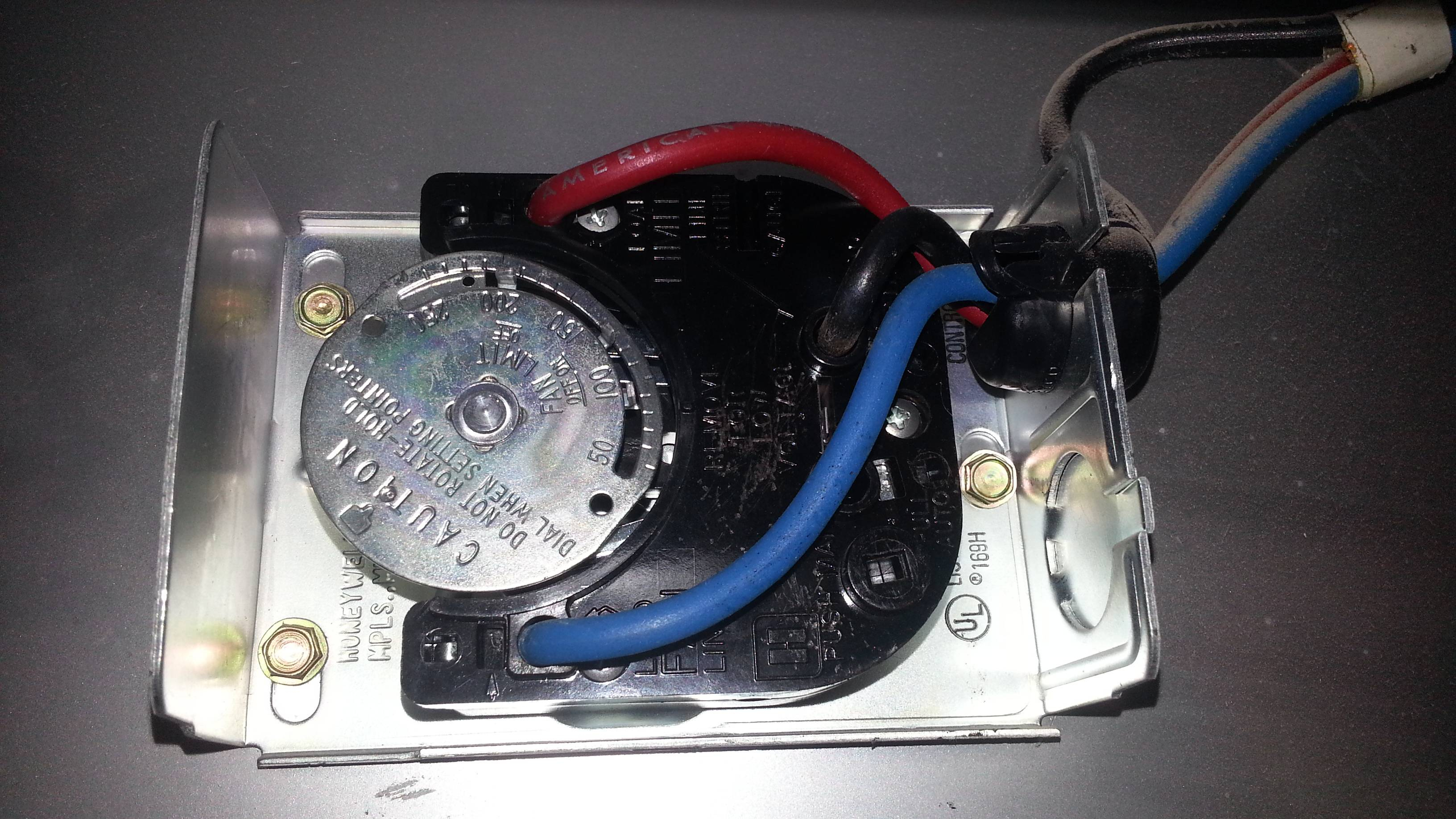
The fan switch is usually located inside the furnace cabinet, near the blower fan motor. It's a small, rectangular or round device with wires connected to it. You might find it mounted on or near the heat exchanger. Consult your furnace's manual for its exact location if you're unsure.
Diagnosis: Is the Fan Switch the Problem?
Before you start tearing things apart, it's important to confirm that the fan switch is indeed the source of your fan issues. Here's a systematic approach:
- Gather Your Tools: You'll need a few essential tools:
- A screwdriver (both flathead and Phillips head)
- A multimeter
- A voltage tester
- Safety glasses
- Work gloves
- Safety First: Turn off the power to your furnace at the breaker box. Double-check with a voltage tester to ensure no power is flowing to the furnace.
- Visual Inspection: Carefully examine the fan switch for any obvious signs of damage, such as:
- Burn marks
- Cracked housing
- Loose wires
- Check the Wiring: Make sure all wires connected to the fan switch are securely attached. Look for frayed or damaged wires that may be causing a short circuit. Gently tug on each wire to ensure it's firmly connected to the terminal.
- Test the Switch with a Multimeter: This is the most definitive way to diagnose a faulty fan switch.
- Set your multimeter to the "Continuity" setting. This setting checks whether a circuit is complete, allowing electricity to flow.
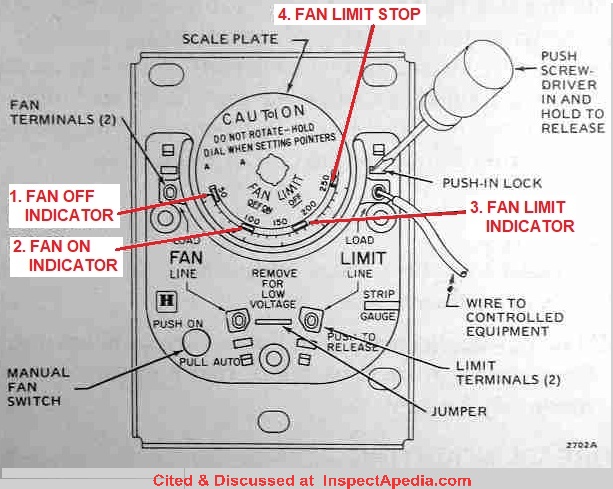
- Locate the terminals on the fan switch. There will usually be two or three terminals.
- Disconnect the wires from the fan switch terminals (after making sure the power is off!)
- Place one probe of the multimeter on one terminal and the other probe on the other terminal.
- Observe the multimeter reading. Ideally, the manufacturer will have a label to indicate what the Ohms/continuity should be for a properly functioning switch.
- Heat activation test: If the switch has a temperature setting, use a heat gun (carefully!) to heat the switch to its activation temperature and re-test continuity. The circuit must be complete to indicate proper functionality.
- If the multimeter shows no continuity (or an unexpected reading), it indicates that the switch is not functioning correctly and needs to be replaced. If the switch operates with incorrect settings, it should be replaced.
Simple DIY Fixes (When Appropriate)
If your diagnosis reveals a minor issue, such as loose wires, you might be able to fix it yourself. However, always err on the side of caution. If you're uncomfortable working with electricity, call a qualified HVAC technician.
- Tighten Loose Wires: If you found loose wires during the inspection, carefully tighten them using a screwdriver. Ensure they are securely connected to the terminals.
- Replace Damaged Wires: If you find frayed or damaged wires, replace them with new wires of the same gauge. Use wire strippers to remove the insulation and crimp new connectors onto the ends. Be certain to reconnect the new wires to the same terminals as the old wires.
- Clean the Switch (If Applicable): In some cases, the fan switch can become dirty or dusty, preventing it from functioning correctly. Use a clean, dry cloth to gently wipe the switch and remove any debris. However, do not use any liquids or solvents.
Replacing the Fan Switch
If the multimeter test indicates that the fan switch is faulty, or if you've found significant damage, you'll need to replace it. This is a slightly more involved process, but still manageable for many homeowners. Remember, accuracy and safety are crucial.
- Find the Right Replacement: Before you do anything, find a replacement fan switch that's identical to the old one. The easiest way to do this is to take the old switch with you to an HVAC supply store or appliance parts store. Note the make, model, and serial number of your furnace for reference.
- Take Pictures: Before disconnecting any wires, take clear pictures of the switch and its wiring. This will serve as a valuable reference when you're reconnecting the new switch.
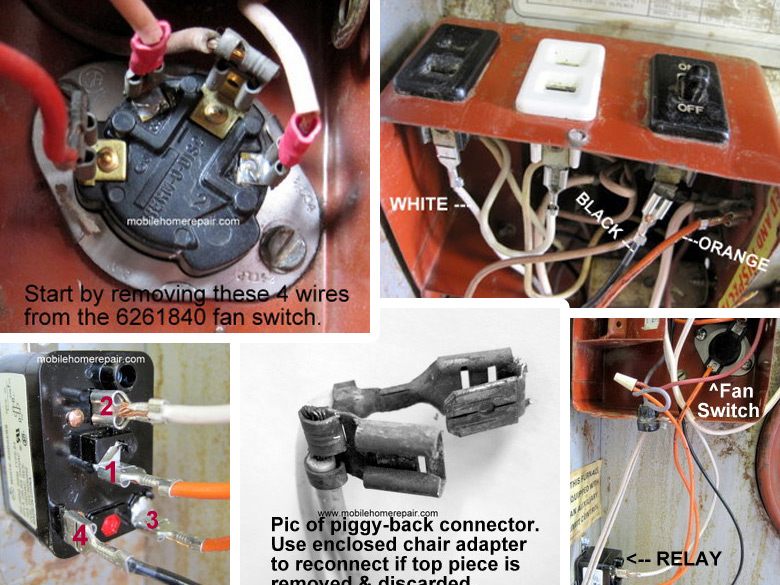
- Disconnect the Wires: Carefully disconnect the wires from the old fan switch. Use a screwdriver to loosen the terminal screws and gently pull the wires off. Label each wire with masking tape and a marker to indicate which terminal it was connected to. This is extremely important to ensure you reconnect them correctly.
- Remove the Old Switch: Remove the screws or clips that hold the old fan switch in place. Carefully remove the switch from the furnace.
- Install the New Switch: Install the new fan switch in the same location as the old one. Secure it with the screws or clips.
- Reconnect the Wires: Using your pictures and labels as a guide, reconnect the wires to the new fan switch. Make sure each wire is securely connected to the correct terminal.
- Double-Check Everything: Before restoring power, double-check that all wires are securely connected and that the new fan switch is properly installed.
- Restore Power: Turn the power back on to your furnace at the breaker box.
- Test the Furnace: Turn on your thermostat and observe the furnace's operation. The fan should now function correctly, turning on and off as expected.
When to Call a Professional
While many fan switch issues can be resolved with careful DIY troubleshooting, there are certain situations where you should always call a qualified HVAC technician:
- You're uncomfortable working with electricity. Electricity is dangerous, and attempting repairs without proper knowledge can lead to serious injury or even death.
- You suspect a more complex problem. If the fan switch is not the issue, the problem might be with the blower motor, the control board, or another component of the furnace. Diagnosing these issues requires specialized knowledge and equipment.
- You smell gas. If you smell gas near your furnace, immediately turn off the gas supply and call your gas company or a qualified HVAC technician. Do not attempt to repair the furnace yourself.
- The furnace is under warranty. Attempting DIY repairs on a furnace under warranty may void the warranty.
- You've tried everything and the fan still doesn't work. If you've followed all the steps outlined above and the fan still isn't working, it's time to call a professional.
Preventative Maintenance
To help prevent future fan switch problems, consider these preventative maintenance tips:
- Regular Furnace Maintenance: Schedule annual furnace maintenance with a qualified HVAC technician. They can inspect the fan switch and other components of the furnace, identifying potential problems before they become major issues.
- Clean Air Filters: Regularly replace or clean your furnace's air filters. Dirty air filters can restrict airflow, causing the furnace to overheat and potentially damage the fan switch.
- Monitor Furnace Performance: Pay attention to how your furnace is operating. If you notice any unusual noises, smells, or performance issues, address them promptly.
By following these steps, you can confidently diagnose and potentially fix a faulty furnace fan switch. Remember, safety is always the top priority. If you're ever unsure about something, don't hesitate to call a qualified HVAC technician for assistance. With a little knowledge and care, you can keep your furnace running smoothly and efficiently for years to come.