How Wide Is A Corner Fireplace

Corner fireplaces offer a unique aesthetic appeal, fitting snugly into room corners and maximizing space. However, determining the ideal width for a corner fireplace involves several factors, influencing both its visual impact and heating efficiency. This article explores the typical dimensions of corner fireplaces, considering aspects relevant to homeowners, HVAC technicians, and facility managers involved in heating and cooling system design and maintenance.
Understanding Corner Fireplace Dimensions
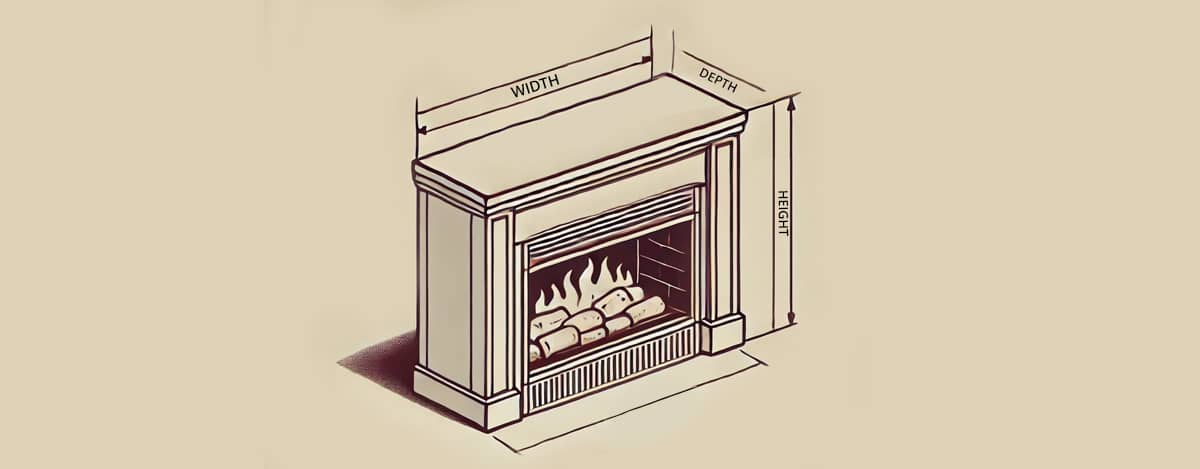
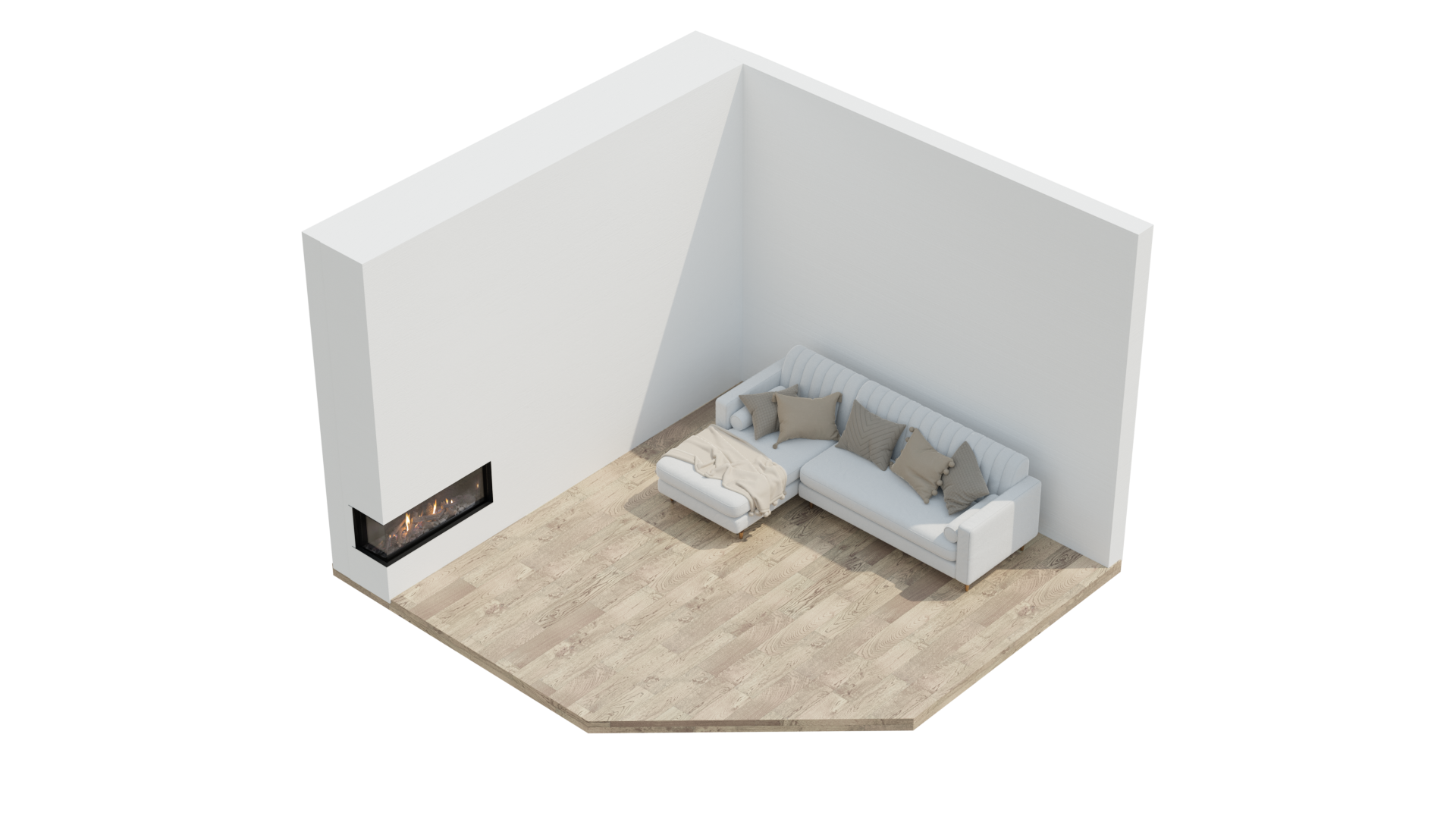
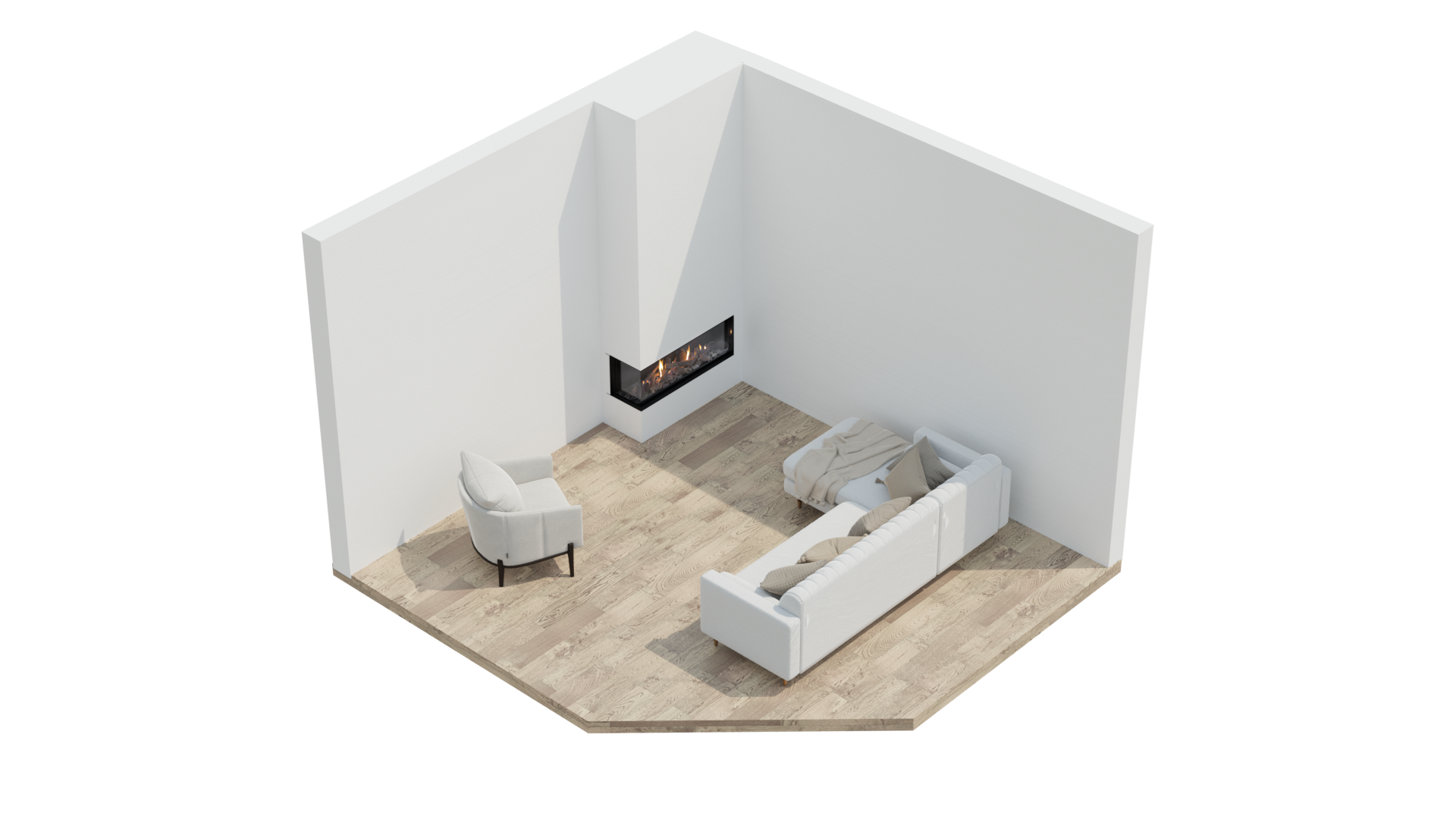
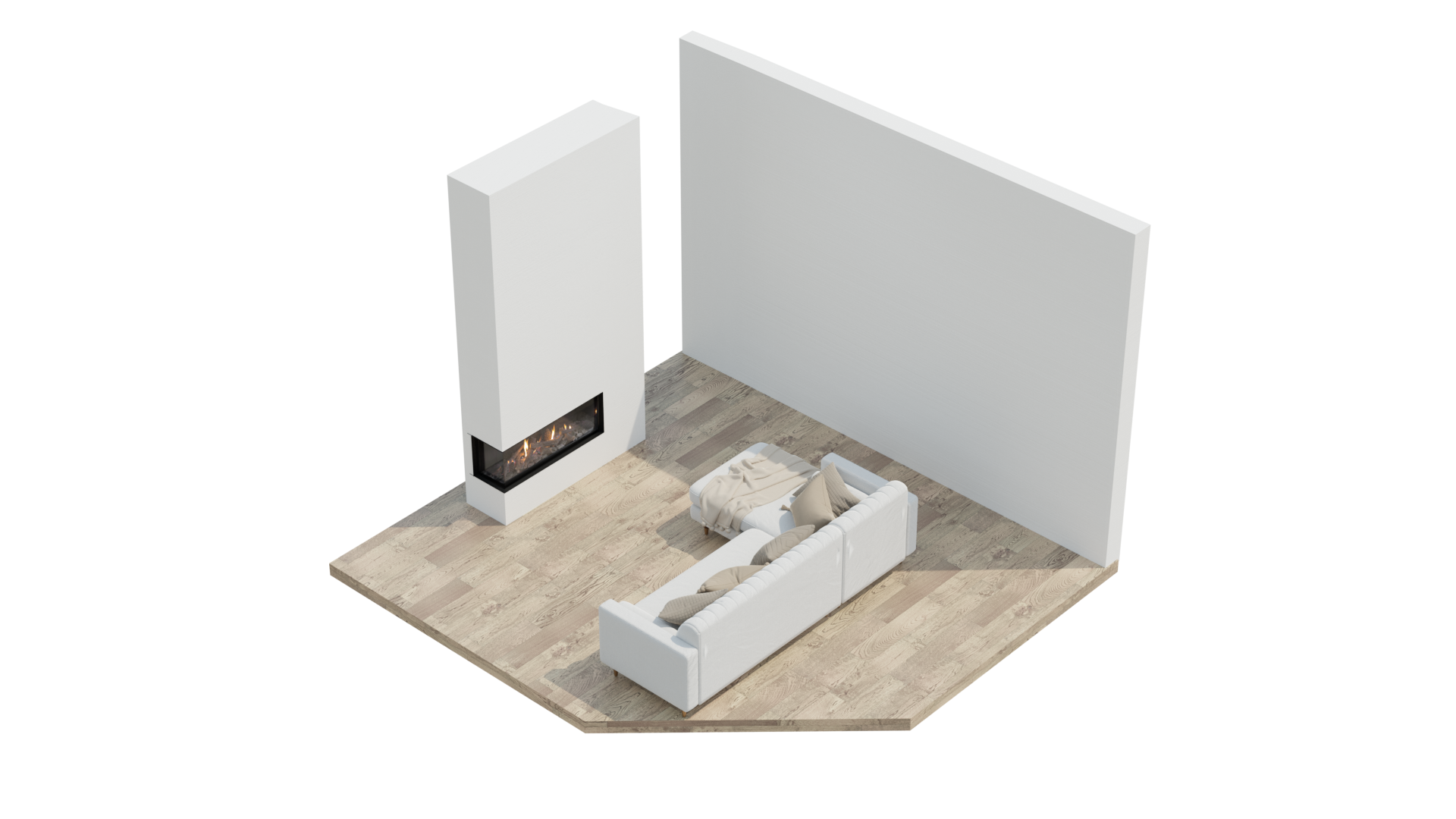
Unlike traditional fireplaces centered on a wall, corner fireplaces have two exposed sides, making width a critical dimension. The "width" often refers to the length of each side extending along the walls from the corner. The overall footprint, which is the area the fireplace occupies, also depends on the depth of the fireplace from the corner to its front.
Typical Width Ranges
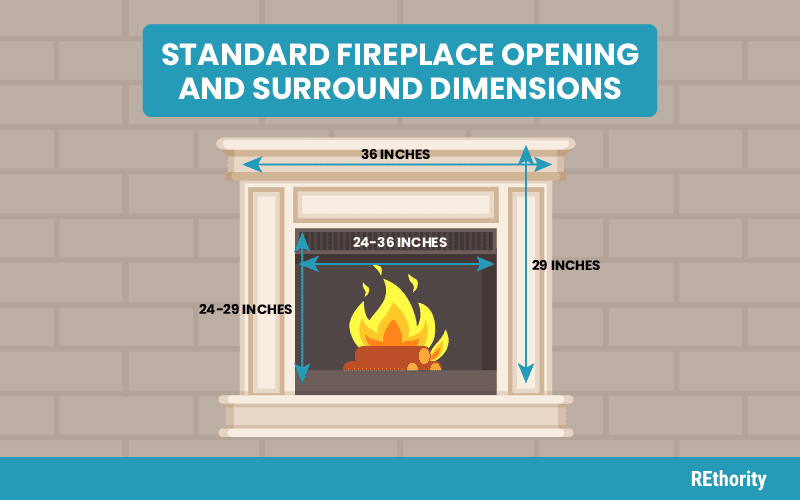
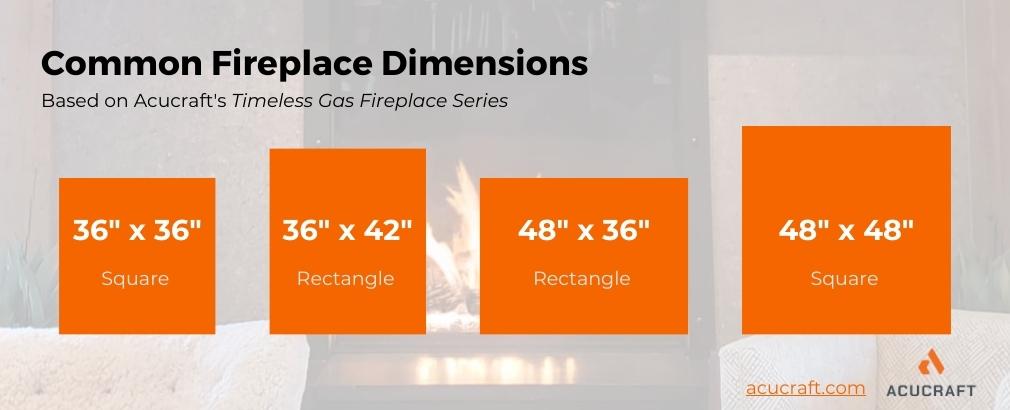
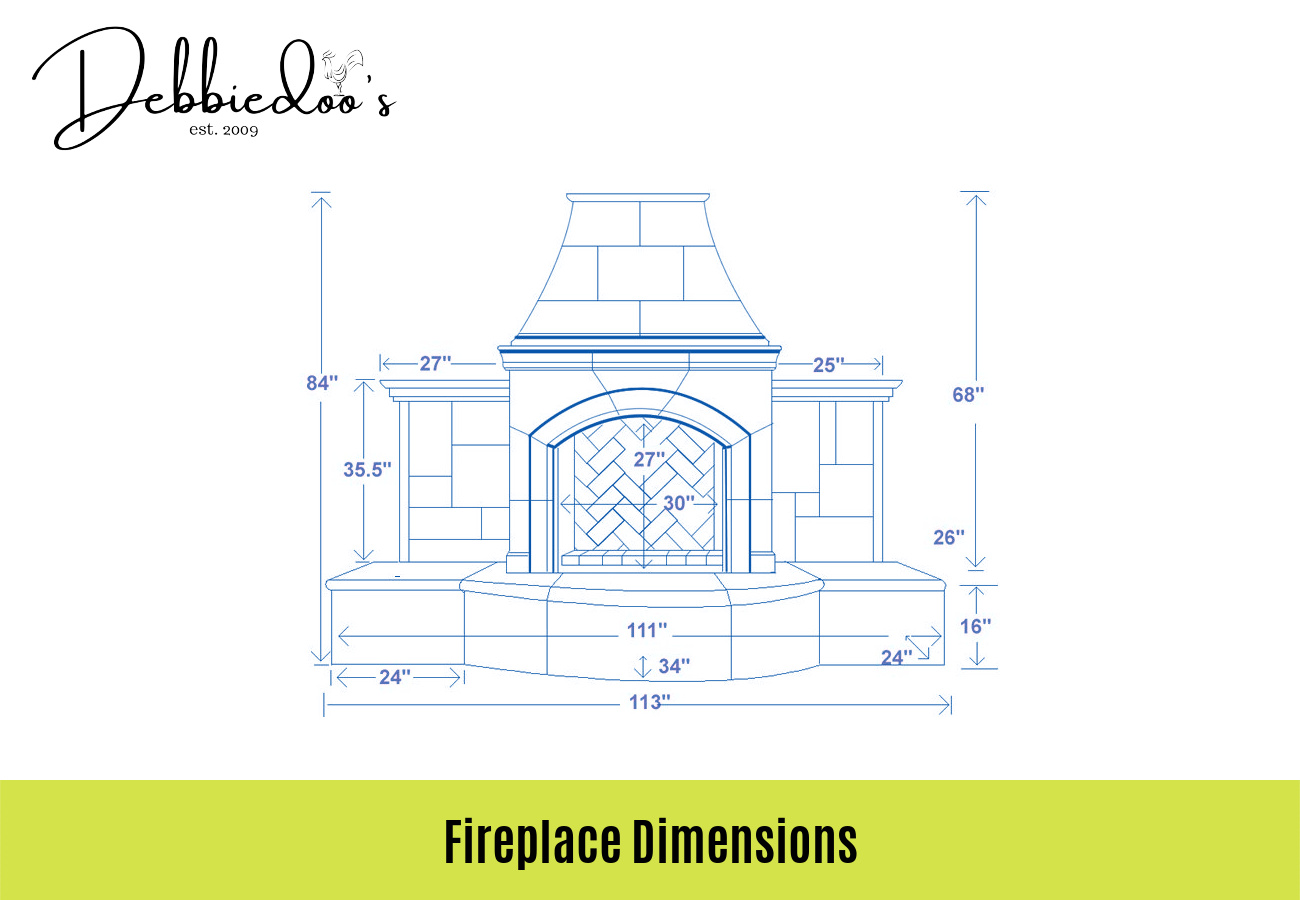
Corner fireplaces come in various widths, generally ranging from 36 inches to 60 inches per side. Smaller models, around 36-42 inches per side, are suitable for smaller rooms or as secondary heating sources. Mid-sized options, 42-54 inches, strike a balance between heating capacity and space occupancy, fitting well in average-sized living rooms. Larger corner fireplaces, 54-60 inches or more, are ideal for larger rooms or open-concept living areas, providing significant radiant heat.
Factors Influencing Width Selection
Several factors play a role in determining the appropriate width for a corner fireplace:
- Room Size: The size of the room is the most crucial factor. A fireplace that is too large can overwhelm a small space, while one that is too small may not provide adequate heating.
- Heating Needs: Consider the primary purpose of the fireplace. Is it a supplementary heating source, or is it intended to heat a significant portion of the home? The heating capacity, measured in BTU (British Thermal Units), should align with the room's heat loss.
- Aesthetic Preferences: The fireplace should complement the room's decor. Some homeowners prefer a more prominent focal point, while others opt for a more subtle design.
- Building Codes and Clearances: Local building codes dictate required clearances around the fireplace, including distances from combustible materials like walls, mantels, and flooring. These clearances must be strictly adhered to ensure safety and compliance.
- HVAC System Integration: If the fireplace is part of a larger HVAC system, consider how it will interact with the existing heating and cooling infrastructure. Zoning systems can help manage temperature variations caused by the fireplace.
Types of Corner Fireplaces and Their Dimensions
Corner fireplaces come in various fuel types, each with its own set of characteristics and dimensional considerations.
Wood-Burning Corner Fireplaces
Wood-burning fireplaces offer a traditional aesthetic and significant heating capacity. They typically require a larger footprint due to the firebox size and necessary clearances for safe operation. Widths generally range from 42 inches to 60 inches per side, with depths varying based on the firebox design. These fireplaces also require a chimney for venting combustion gases, which adds to the overall installation complexity and cost.
Wood-burning fireplaces have efficiency ratings that vary widely depending on the design and whether it's an open-hearth or a closed combustion system. Newer, EPA-certified wood stoves and inserts offer significantly higher efficiency compared to older, traditional fireplaces.
Gas Corner Fireplaces
Gas fireplaces offer convenience and ease of use, often with remote control operation and adjustable flame settings. They come in a wider range of sizes, with widths ranging from 36 inches to 54 inches per side. Gas fireplaces can be vented directly through the wall or roof, offering more flexible installation options. Direct-vent models are particularly efficient, drawing combustion air from outside and venting exhaust gases directly outside, minimizing heat loss from the room.
Gas fireplaces have efficiency ratings typically ranging from 70% to 85%, making them a more efficient heating option compared to traditional wood-burning fireplaces.
Electric Corner Fireplaces
Electric fireplaces are the easiest to install, requiring only an electrical outlet. They offer realistic flame effects without the need for venting or fuel storage. Electric corner fireplaces are primarily decorative, providing supplemental heat for smaller rooms. Widths generally range from 36 inches to 48 inches per side. While they provide some warmth, they are not intended as a primary heating source and are less effective for heating larger spaces. However, they are a cost-effective aesthetic addition.
Electric fireplaces operate at nearly 100% efficiency, converting almost all electrical energy into heat. However, the amount of heat produced is relatively low compared to gas or wood-burning models.
HVAC Considerations for Corner Fireplace Installation
Integrating a corner fireplace into an existing HVAC system requires careful planning to ensure optimal performance and energy efficiency.
Zoning Systems
Fireplaces can create significant temperature variations within a home. Zoning systems allow homeowners to control the temperature in different areas of the house, preventing overheating in the room with the fireplace while maintaining comfortable temperatures in other zones. Zoning systems use dampers in the ductwork to regulate airflow to different zones, controlled by individual thermostats.
Thermostat Placement
The location of the thermostat is crucial for accurate temperature control. Avoid placing the thermostat near the fireplace, as the radiant heat can cause the thermostat to shut off the central heating system prematurely, leading to uneven heating throughout the house. A remote thermostat or a smart thermostat with remote sensors can provide more accurate temperature readings.
Ventilation
Proper ventilation is essential for both wood-burning and gas fireplaces. Wood-burning fireplaces require adequate airflow for combustion, while gas fireplaces need to be properly vented to prevent the buildup of carbon monoxide. Ensure the chimney is properly sized and maintained for wood-burning fireplaces. For gas fireplaces, follow the manufacturer's instructions for venting requirements. Ventilation is critical for indoor air quality and preventing health hazards.
Air Sealing and Insulation
Proper air sealing and insulation can minimize heat loss from the home, improving the overall efficiency of the heating system. Seal any air leaks around windows, doors, and other openings to prevent drafts. Insulating walls and ceilings helps retain heat and reduces energy consumption. Air sealing and insulation are fundamental for energy efficiency.
Cost Considerations
The cost of installing a corner fireplace varies depending on the fuel type, size, and complexity of the installation. Wood-burning fireplaces typically have higher installation costs due to the chimney construction. Gas fireplaces require a gas line connection, which can add to the expense. Electric fireplaces are the most affordable to install, requiring only an electrical outlet.
Beyond the initial installation cost, consider the ongoing operating costs. Wood-burning fireplaces require purchasing firewood, while gas fireplaces consume natural gas or propane. Electric fireplaces have the lowest operating costs, but they also provide the least amount of heat.
Maintenance and Safety
Regular maintenance is crucial for ensuring the safe and efficient operation of a corner fireplace.
Wood-Burning Fireplaces
Wood-burning fireplaces require regular chimney cleaning to remove creosote buildup, which can cause chimney fires. Inspect the firebox for cracks or damage. Have the chimney professionally inspected annually.
Gas Fireplaces
Gas fireplaces should be inspected annually by a qualified technician to ensure proper venting and gas line connections. Clean the burner and pilot light regularly. Check for gas leaks using a gas leak detector.
Electric Fireplaces
Electric fireplaces require minimal maintenance. Dust the unit regularly. Check the electrical connections for any loose wires.
Conclusion
Selecting the appropriate width for a corner fireplace involves careful consideration of room size, heating needs, aesthetic preferences, building codes, and HVAC system integration. By understanding the different types of corner fireplaces and their dimensional requirements, homeowners, HVAC technicians, and facility managers can make informed decisions to create a comfortable and energy-efficient living space. Always prioritize safety and adhere to local building codes when installing and maintaining a corner fireplace.