Hvac Air Flow Direction
HVAC Airflow Direction: Maximizing Comfort and Minimizing Energy Bills
Understanding and optimizing HVAC airflow direction is crucial for achieving energy efficiency, enhancing indoor comfort, and potentially qualifying for rebates. Often overlooked, the direction of airflow within your home or business significantly impacts how effectively your HVAC system cools or heats your space. This article will delve into the intricacies of HVAC airflow, exploring best practices for different seasons, the role of smart technology, and how to troubleshoot common issues. Whether you're a homeowner aiming to lower utility bills, a business owner investing in sustainable solutions, a smart home enthusiast integrating new technologies, or an HVAC contractor looking to educate your clients, this guide provides valuable insights.
Understanding the Fundamentals of HVAC Airflow
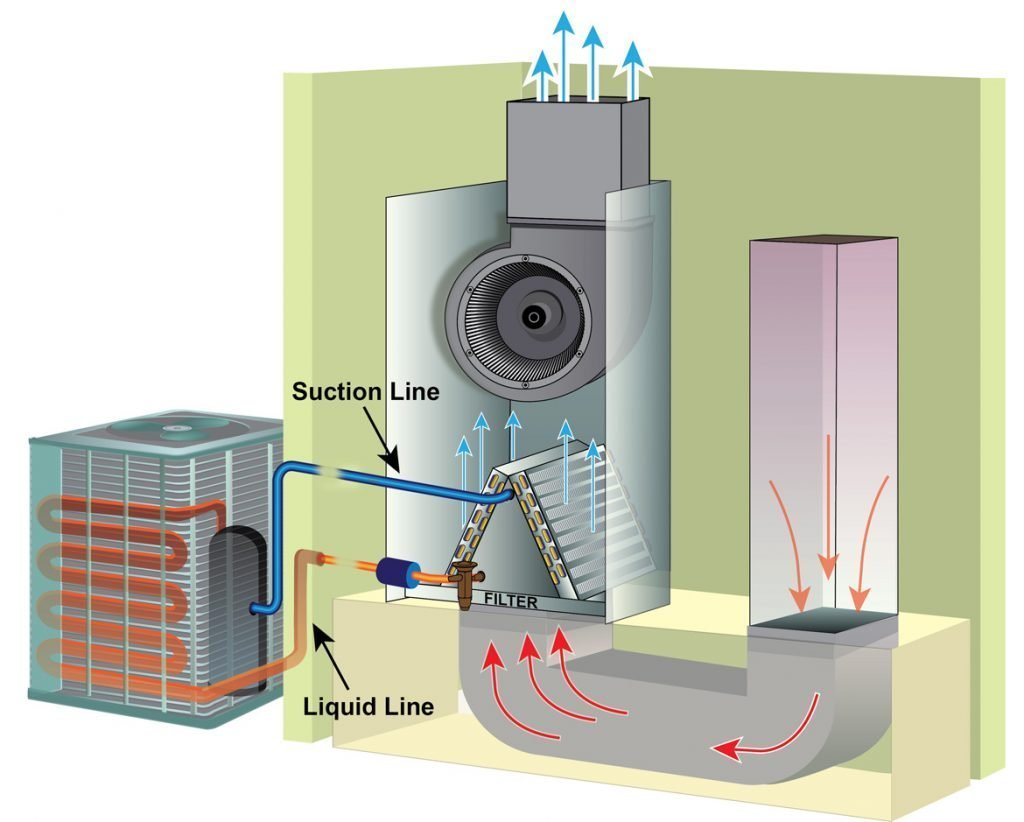
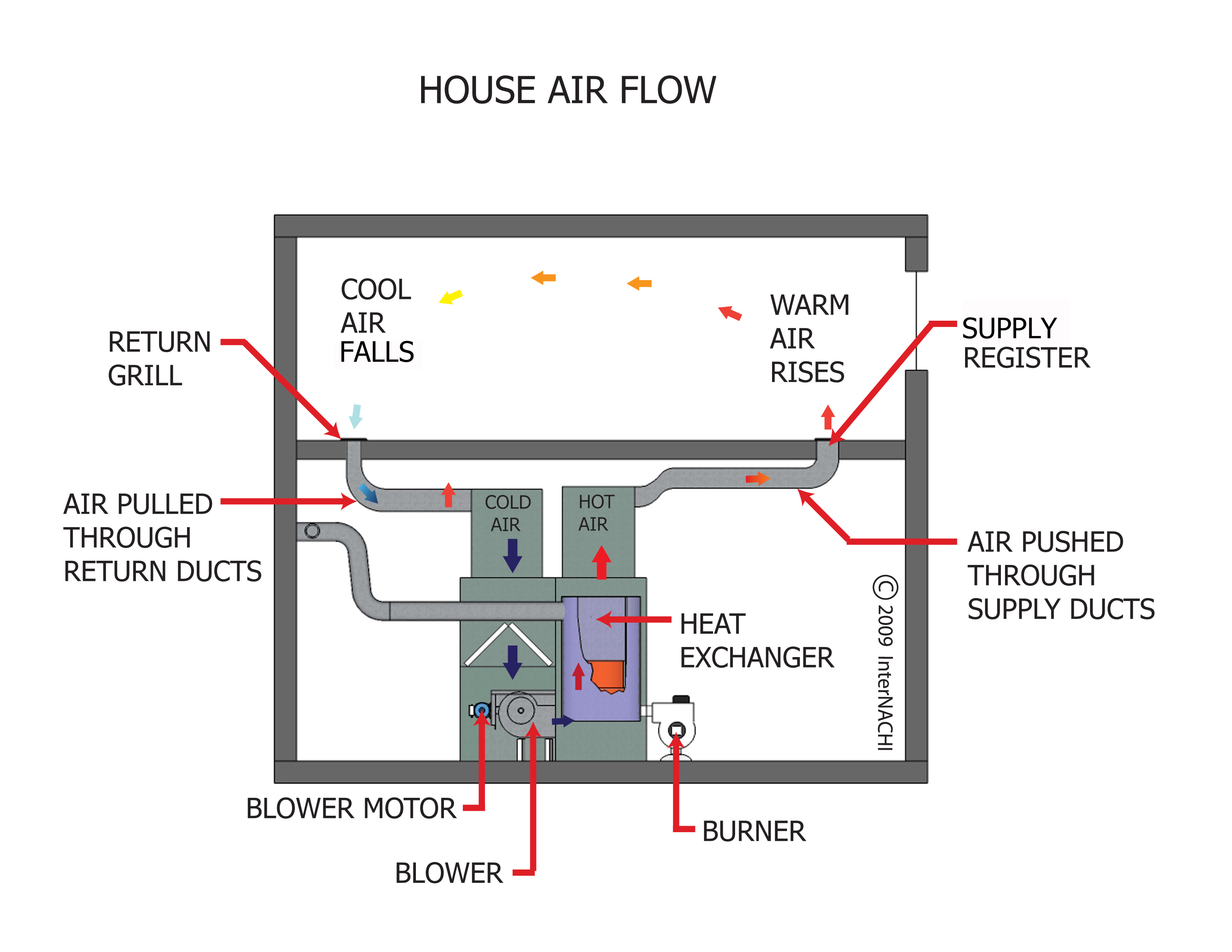
Your HVAC system, whether it's a central air conditioner, heat pump, or furnace, works by circulating air throughout your building. This circulation involves drawing air in through return vents, conditioning it (heating or cooling), and then distributing it through supply vents. The direction and volume of this airflow directly affect temperature consistency and overall energy efficiency.
Key Components Influencing Airflow:
- Supply Vents: These vents deliver conditioned air into a room. They often have adjustable dampers that allow you to control the direction and volume of airflow.
- Return Vents: Return vents draw air back into the HVAC system to be reconditioned. Their placement is critical for efficient air circulation.
- Ductwork: The network of ducts that transport air throughout the building. Leaky or poorly insulated ducts can significantly reduce airflow efficiency.
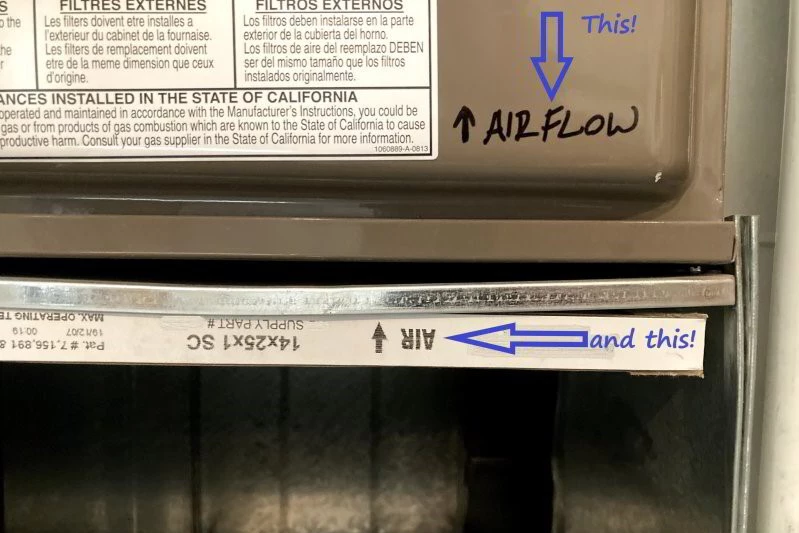
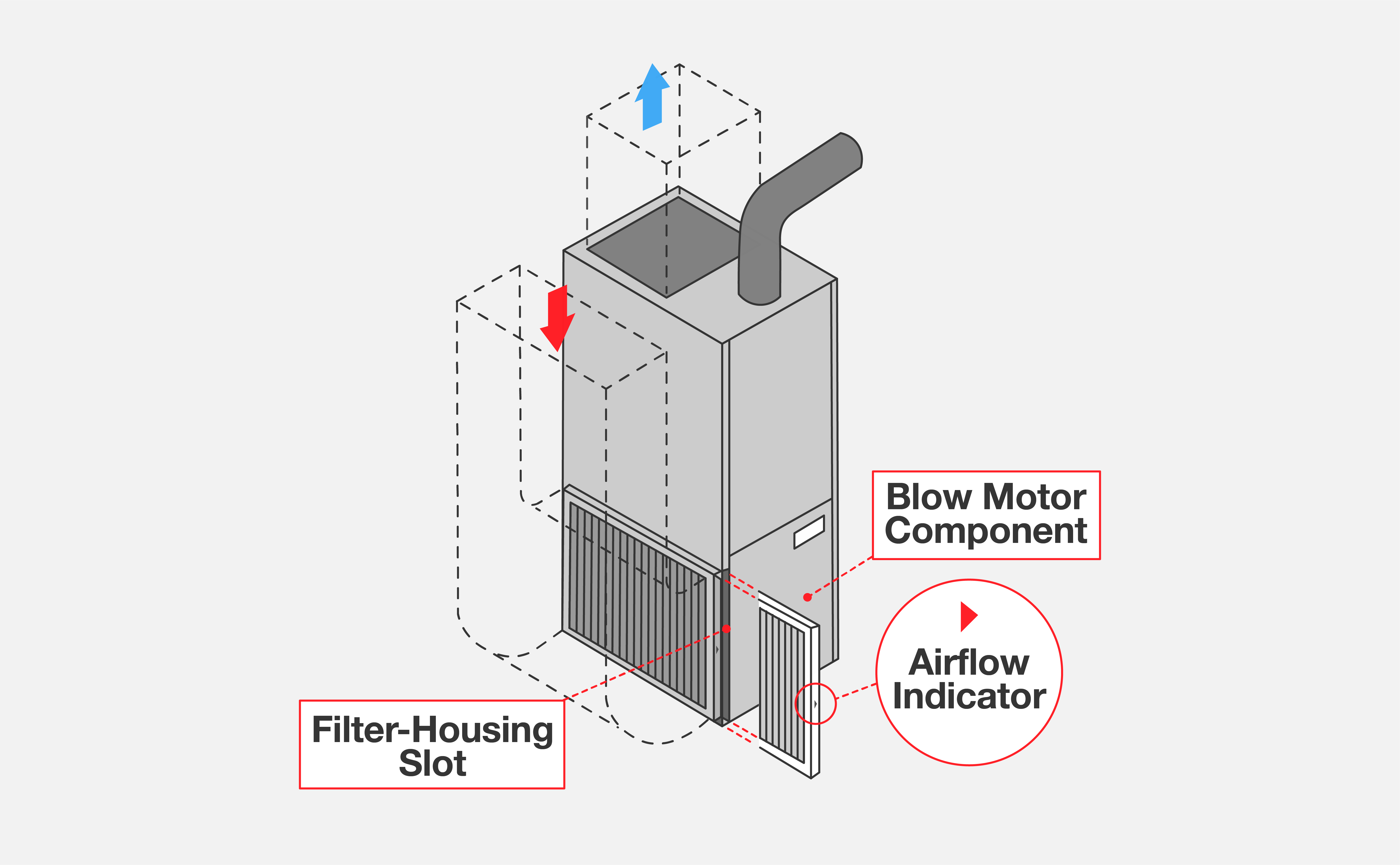
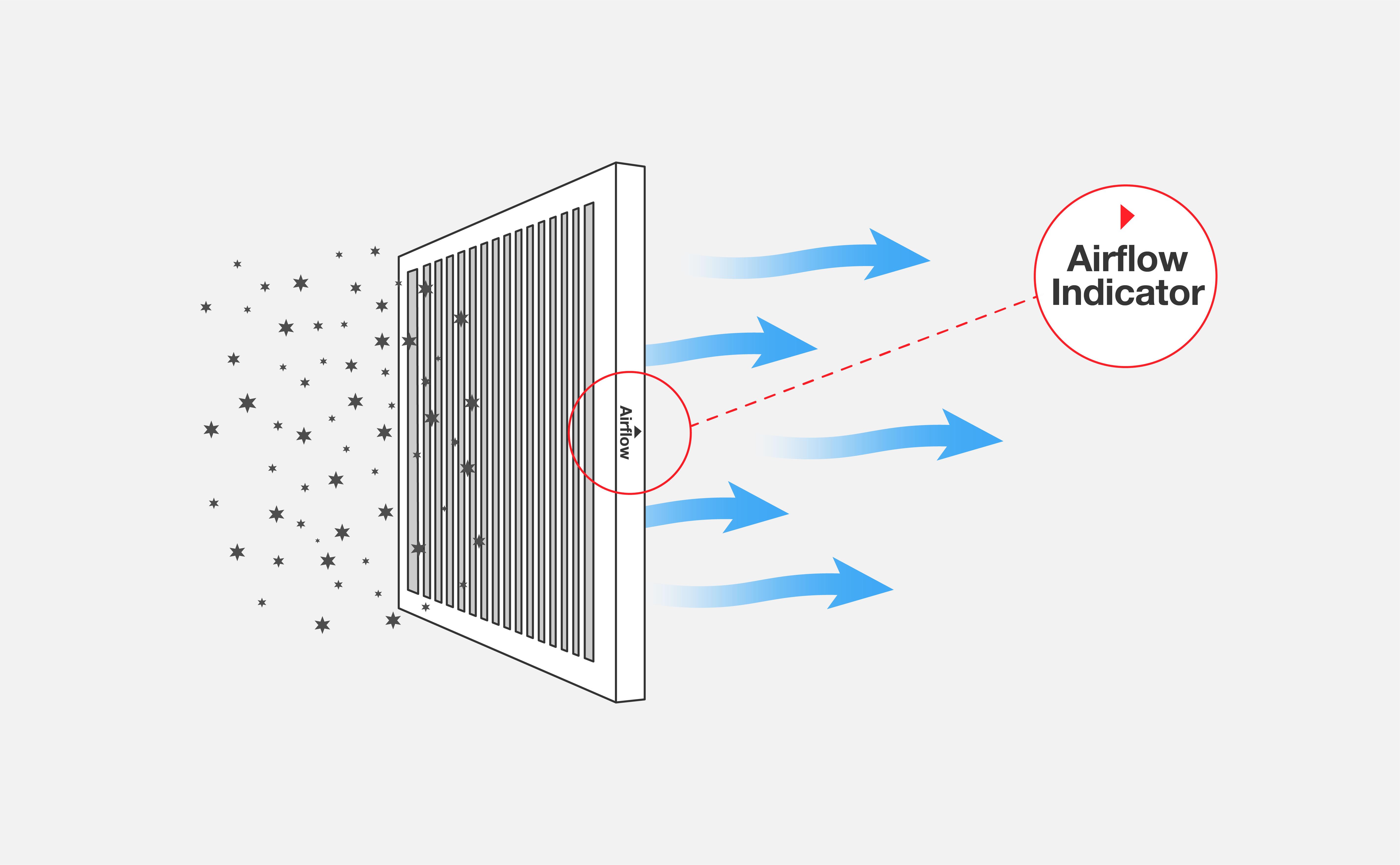
- Air Filter: A clean air filter is essential for maintaining proper airflow. A clogged filter restricts airflow, forcing your system to work harder and reducing its lifespan.
- Blower Motor: The blower motor is the engine that drives the airflow. Its speed and efficiency play a crucial role in overall system performance.
Seasonal Airflow Adjustments: Summer vs. Winter
The optimal airflow direction can vary depending on the season. Understanding these nuances can help you maximize comfort and minimize energy waste.
Summer Cooling
In the summer, cool air tends to sink. Therefore, adjusting your supply vents to direct airflow upward, towards the ceiling, is generally recommended. This allows the cool air to naturally cascade down, cooling the entire room more evenly. Conversely, closing vents in unused rooms can help direct cool air to areas that need it most, saving energy. Smart thermostats can automate this process based on occupancy schedules.
Pro Tip: Ensure that return vents are not blocked by furniture or other obstructions. This is crucial for allowing the warm air to be drawn back into the system for cooling.
Winter Heating
In the winter, warm air rises. Therefore, directing airflow downward, towards the floor, is typically more effective. This allows the warm air to circulate throughout the room, preventing cold spots. While directing the heat downwards may seem less obvious, this method maximizes the efficiency of your heating system, particularly for homes with high ceilings.
Pro Tip: Consider using ceiling fans in reverse (clockwise) at a low speed to gently push warm air down from the ceiling. This can significantly improve heating efficiency and reduce energy costs. According to the U.S. Department of Energy, using ceiling fans in reverse during winter can save you up to 10% on heating bills.
Leveraging Smart Technology for Optimal Airflow
Smart thermostats and sensors offer advanced capabilities for managing HVAC airflow, optimizing energy usage, and enhancing comfort.
Smart Thermostats
Smart thermostats learn your heating and cooling preferences and automatically adjust the temperature based on your schedule. Some models also incorporate occupancy sensors that detect when rooms are unoccupied and adjust the temperature accordingly. This eliminates the need to manually adjust vents in unused rooms, ensuring optimal energy savings. Furthermore, many smart thermostats integrate with other smart home devices, allowing you to create custom scenarios for even greater energy efficiency. For example, you can program your thermostat to automatically lower the temperature when you leave for work and raise it again shortly before you return. Energy Star certified smart thermostats are eligible for rebates in many areas.
Smart Sensors
Smart sensors can be placed in different rooms to monitor temperature and humidity levels. This data can then be used to fine-tune your HVAC system and optimize airflow to specific areas. For example, if a particular room is consistently warmer than others, you can adjust the supply vent or use a smart vent to direct more cool air to that area. Some systems even use machine learning algorithms to predict temperature fluctuations and proactively adjust the HVAC system to maintain consistent comfort levels.
Troubleshooting Common Airflow Issues
Poor airflow can indicate underlying problems with your HVAC system. Addressing these issues promptly can prevent costly repairs and improve energy efficiency.
Reduced Airflow
If you notice reduced airflow from your supply vents, consider the following:
- Dirty Air Filter: This is the most common cause of reduced airflow. Replace your air filter regularly (typically every 1-3 months).
- Blocked Vents: Ensure that supply and return vents are not blocked by furniture or other obstructions.
- Leaky Ductwork: Leaky ducts can significantly reduce airflow efficiency. Consider having your ducts inspected and sealed by a professional. The Environmental Protection Agency (EPA) estimates that duct leakage can account for up to 20-30% of heating and cooling energy losses.
- Blower Motor Issues: A failing blower motor can also reduce airflow. If you suspect a problem with your blower motor, consult with an HVAC technician.
Uneven Temperature Distribution
If you experience uneven temperature distribution throughout your home, consider the following:
- Improper Airflow Direction: Adjust the direction of your supply vents based on the season (as described above).
- Poor Insulation: Inadequate insulation can contribute to temperature fluctuations. Consider adding insulation to your attic, walls, and crawl spaces.
- Zoning Issues: Zoning systems allow you to control the temperature in different areas of your home independently. If your home is not properly zoned, you may experience uneven temperature distribution.
Noisy HVAC System
An unusually noisy HVAC system can indicate airflow problems.
- Restricted Airflow: A clogged air filter or blocked vents can cause the system to work harder, resulting in increased noise.
- Ductwork Issues: Loose or damaged ductwork can also cause noise.
- Blower Motor Issues: A failing blower motor can also produce unusual noises.
ROI and Energy Savings: Quantifying the Benefits
Optimizing HVAC airflow can lead to significant energy savings and a substantial return on investment. By implementing the strategies outlined in this article, you can potentially reduce your energy bills by 10-30%. The exact savings will depend on factors such as the size of your home, the efficiency of your HVAC system, and your local climate. For example, sealing ductwork can have a payback period of just a few years, while upgrading to a smart thermostat can pay for itself in energy savings within 1-2 years.
Rebates and Incentives:
Many utility companies and government agencies offer rebates and incentives for energy-efficient HVAC upgrades. Check with your local utility company or visit the Energy Star website to learn about available programs. Incentives can significantly reduce the upfront cost of energy-efficient equipment and accelerate your return on investment. DSIRE (Database of State Incentives for Renewables & Efficiency) is another excellent resource to find rebates in your area.
Choosing the Right HVAC Contractor
If you're considering upgrading your HVAC system or need assistance with troubleshooting airflow issues, it's important to choose a qualified and experienced HVAC contractor. Look for contractors who are certified by organizations such as NATE (North American Technician Excellence). These certifications demonstrate that the contractor has the necessary knowledge and skills to properly install and maintain your HVAC system. Also ask for references and check online reviews to ensure that the contractor has a good reputation.
Questions to Ask Your HVAC Contractor:
- What is your experience with energy-efficient HVAC systems?
- Are you certified by NATE or other reputable organizations?
- Can you provide references from previous clients?
- Do you offer energy audits to assess my home's energy efficiency?
- What rebates and incentives are available for energy-efficient HVAC upgrades?
Conclusion: Taking Control of Your HVAC Airflow
Optimizing HVAC airflow is a simple yet effective way to improve energy efficiency, enhance comfort, and save money. By understanding the principles of airflow, making seasonal adjustments, leveraging smart technology, and addressing common issues, you can take control of your HVAC system and create a more comfortable and energy-efficient living or working environment. Whether you're a homeowner, business owner, smart home enthusiast, or HVAC contractor, the knowledge and strategies outlined in this article can help you achieve your goals. Remember to regularly maintain your system, replace your air filter, and seek professional help when needed. By investing in your HVAC system and prioritizing energy efficiency, you can enjoy long-term benefits for both your wallet and the environment.