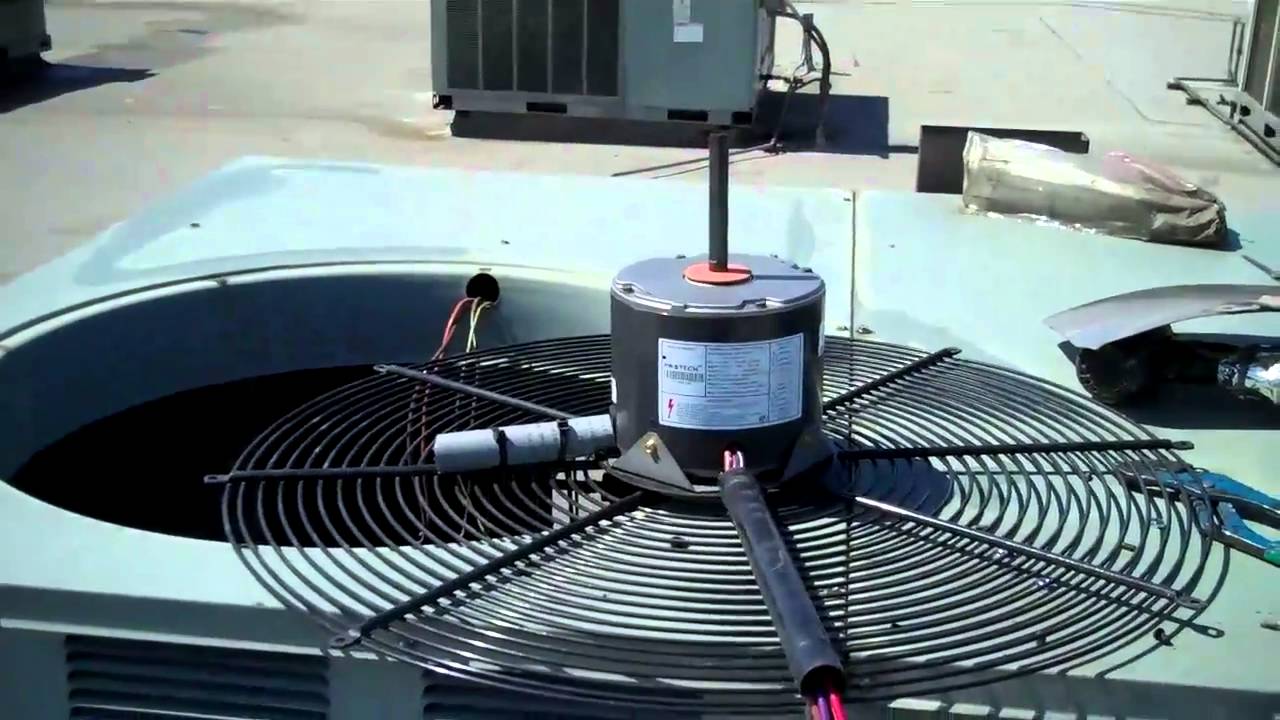
Hvac Condenser Fan Motor
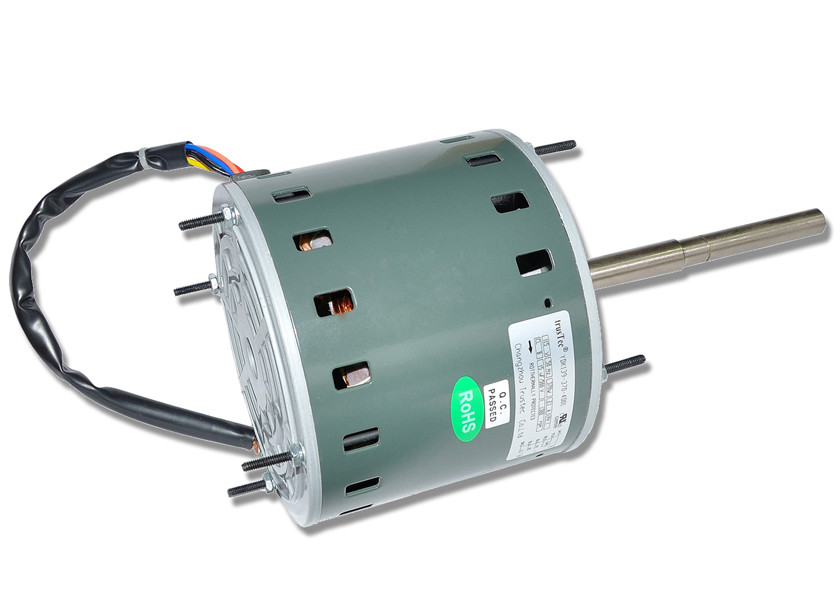
Understanding Your HVAC Condenser Fan Motor: A Comprehensive Guide
The unsung hero of your air conditioning system, the condenser fan motor, plays a crucial role in keeping your home cool and comfortable. Often overlooked until it fails, understanding this component can save you money, prevent unexpected breakdowns, and ensure your HVAC system operates efficiently. This guide will delve into the intricacies of condenser fan motors, helping you make informed decisions about replacement, maintenance, and upgrades.
What Does a Condenser Fan Motor Do?
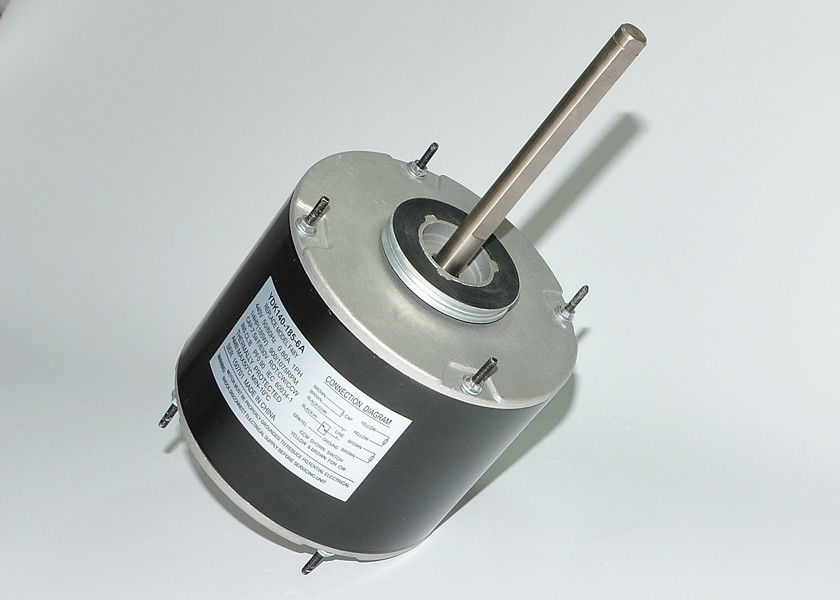
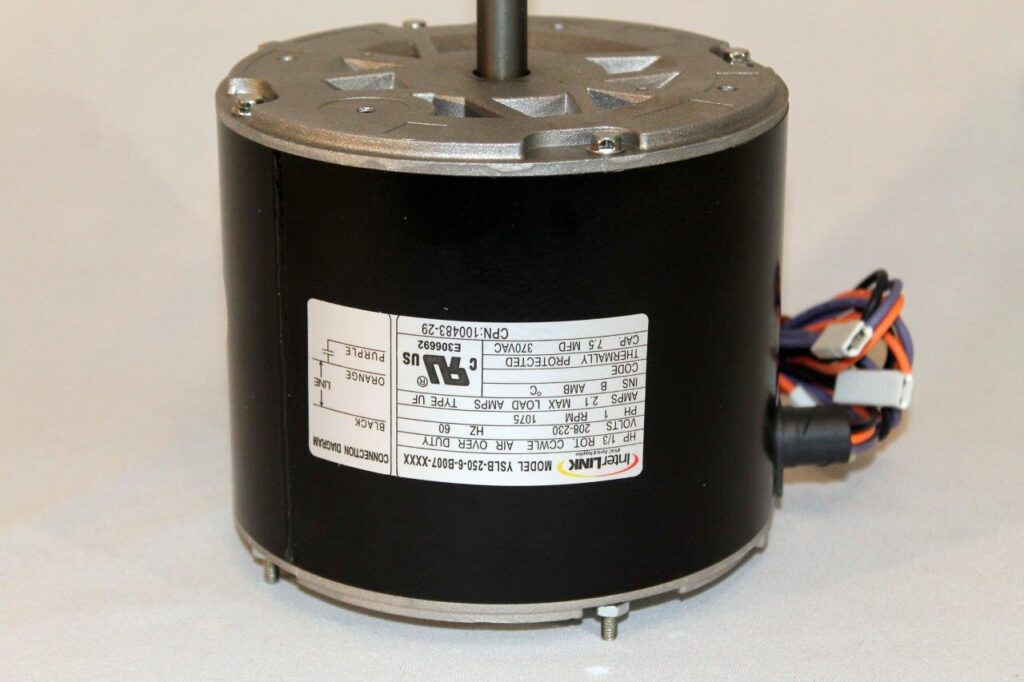
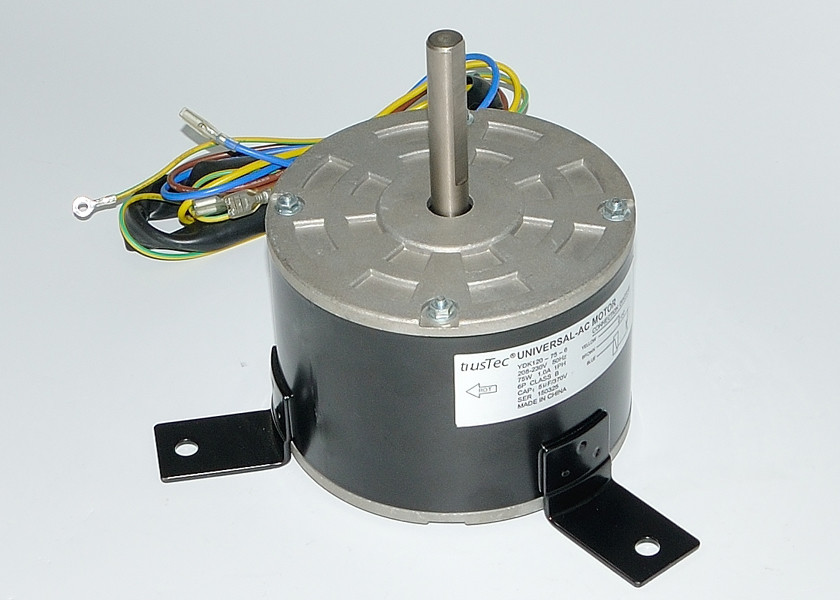
Located within the outdoor condenser unit of your air conditioning system, the condenser fan motor drives the fan blades. Its primary function is to dissipate the heat extracted from your home. Here's how it works:
- Refrigerant Cooling: The refrigerant, after absorbing heat inside your home, travels to the condenser unit as a hot, high-pressure gas.
- Heat Exchange: The condenser coil is designed to release this heat to the outside air.
- Forced Airflow: The condenser fan, powered by the motor, pulls air across the condenser coil, facilitating the heat transfer process. Without sufficient airflow, the refrigerant cannot cool effectively.
- Refrigerant Liquefaction: As the refrigerant cools, it condenses back into a liquid, ready to return indoors to repeat the cooling cycle.
Essentially, the condenser fan motor ensures the continuous cooling and liquefaction of the refrigerant, a vital step in the air conditioning process.
Types of Condenser Fan Motors
Condenser fan motors come in various types, each with its own advantages and disadvantages:
- PSC (Permanent Split Capacitor) Motors: These are the most common type found in residential HVAC systems. They are known for their simplicity, affordability, and reasonable efficiency. However, they are less efficient than newer motor technologies.
- ECM (Electronically Commutated Motor) Motors: Also known as brushless DC motors, ECMs offer significantly higher energy efficiency compared to PSC motors. They provide variable speed control, allowing the system to adjust cooling output based on demand. While more expensive upfront, ECMs can lead to substantial energy savings over time. Units with ECMs often boast higher SEER ratings.
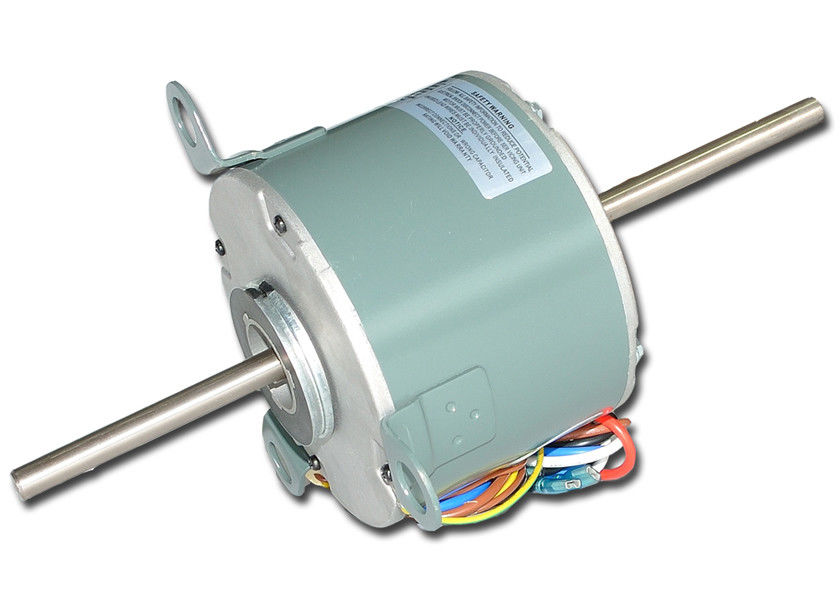
- Shaded Pole Motors: These are typically found in smaller, window air conditioning units or in applications requiring low starting torque. They are inexpensive but also the least efficient.
Choosing the Right Motor
When replacing a condenser fan motor, selecting the correct type is crucial. Consider these factors:
- Compatibility: Always replace the motor with one that matches the original specifications. Check the voltage, horsepower, and RPM (revolutions per minute) requirements.
- Efficiency: If you are looking to upgrade your system's overall efficiency, consider replacing a PSC motor with an ECM motor, provided it is compatible with your system's control board.
- Cost: PSC motors are more affordable initially, while ECM motors offer long-term energy savings. Factor in both upfront costs and potential energy savings when making your decision.
Common Condenser Fan Motor Problems
Like any mechanical component, condenser fan motors can experience issues over time. Here are some common problems:
- Bearing Failure: Worn-out bearings can cause the motor to become noisy or seize up entirely.
- Winding Failure: Overheating or electrical surges can damage the motor windings, leading to motor failure.
- Capacitor Failure: The capacitor provides the initial surge of power needed to start the motor. A faulty capacitor can prevent the motor from starting.
- Physical Damage: Debris or weather conditions can damage the fan blades or motor housing.
- Overheating: Restricted airflow or a faulty motor can cause it to overheat and eventually fail.
Troubleshooting Tips
Before calling a professional, you can perform some basic troubleshooting steps:
- Check the Power: Ensure the circuit breaker is not tripped.
- Inspect the Fan Blades: Make sure the blades are free of debris and can spin freely.
- Listen for Unusual Noises: Grinding, squealing, or humming noises can indicate a failing motor.
- Observe the Motor: If the motor is running but the fan is not spinning, the motor shaft may be broken or the fan blades may be loose.
Important Safety Note: Always disconnect the power to the condenser unit before attempting any troubleshooting or repairs. Working with electrical components can be dangerous.
Maintenance Tips for Extending Motor Life
Proper maintenance can significantly extend the life of your condenser fan motor:
- Regular Cleaning: Keep the condenser unit free of debris, such as leaves, grass clippings, and dust. Use a garden hose to gently rinse the coils and fan blades.
- Lubrication: Some motors have lubrication ports. Apply a few drops of electric motor oil to these ports annually. Consult the motor's documentation for specific lubrication instructions.
- Professional Inspection: Schedule annual maintenance with a qualified HVAC technician to inspect the motor, check for any potential problems, and ensure the system is operating efficiently.
Condenser Fan Motors: Brands and Models
Several reputable brands manufacture condenser fan motors. When replacing a motor, consider these factors:
- OEM vs. Aftermarket: OEM (Original Equipment Manufacturer) motors are made by the same company that manufactured your HVAC system. Aftermarket motors are made by other manufacturers and can be a more affordable option. Ensure the aftermarket motor meets the original specifications.
- Brand Reputation: Choose a motor from a reputable brand known for quality and reliability.
Some popular brands include:
- Genteq (formerly GE): A well-known manufacturer of HVAC motors.
- Fasco: Offers a wide range of motors for various applications.
- Emerson: A trusted brand in the HVAC industry.
- Regal Beloit (Marathon): Produces high-quality motors for industrial and residential use.
Specific model numbers will vary depending on your HVAC system. Consult your system's documentation or an HVAC technician to determine the correct replacement motor.
Cost Considerations
The cost of a condenser fan motor can range from $50 to $300 or more, depending on the type, brand, and horsepower rating. Labor costs for installation can add an additional $100 to $300, depending on the complexity of the job.
When considering replacement, factor in these costs:
- Motor Cost: Compare prices from different suppliers.
- Labor Cost: Obtain quotes from multiple HVAC contractors.
- Potential Energy Savings: If upgrading to an ECM motor, consider the long-term energy savings.
In some cases, replacing the entire condenser unit may be more cost-effective, especially if the unit is old or requires other repairs. New condenser units boast improved SEER ratings, meaning greater efficiency.
HVAC System Efficiency: AFUE, SEER, and HSPF
When discussing HVAC systems, three key efficiency ratings come into play:
- AFUE (Annual Fuel Utilization Efficiency): This rating applies to furnaces and measures how efficiently the furnace converts fuel (natural gas, propane, or oil) into heat. A higher AFUE rating indicates greater efficiency.
- SEER (Seasonal Energy Efficiency Ratio): This rating applies to air conditioners and measures how efficiently the air conditioner cools your home. A higher SEER rating indicates greater efficiency. Modern systems often aim for SEER ratings of 16 or higher.
- HSPF (Heating Seasonal Performance Factor): This rating applies to heat pumps and measures how efficiently the heat pump heats your home. A higher HSPF rating indicates greater efficiency.
The condenser fan motor directly impacts the SEER rating of your air conditioner. A failing or inefficient motor can reduce the system's overall efficiency and increase energy consumption.
Warranties
Condenser fan motors typically come with a warranty, ranging from one to five years. Check the warranty terms carefully before purchasing a replacement motor. The warranty may cover defects in materials or workmanship, but it may not cover damage caused by improper installation, misuse, or neglect. Extended warranties may also be available for added peace of mind.
When to Call a Professional
While some troubleshooting and maintenance tasks can be performed by homeowners, it's always best to consult a qualified HVAC technician for complex repairs or if you are unsure about any aspect of the process. A professional can accurately diagnose the problem, recommend the appropriate solution, and ensure the work is done safely and correctly.
Call a professional if you experience any of the following:
- The condenser fan motor is not running.
- The motor is making unusual noises.
- The motor is overheating.
- You are not comfortable working with electrical components.
Conclusion
The condenser fan motor is a vital component of your air conditioning system, playing a crucial role in maintaining comfort and efficiency. By understanding its function, common problems, and maintenance requirements, you can make informed decisions about replacement, upgrades, and troubleshooting. Remember to prioritize safety and consult a qualified HVAC technician when necessary. Investing in a quality condenser fan motor and proper maintenance will ensure your HVAC system operates reliably and efficiently for years to come, helping you save money on energy bills and enjoy a comfortable home environment. Consider high AFUE furnaces, high SEER air conditioners, and high HSPF heat pumps for maximum energy efficiency.