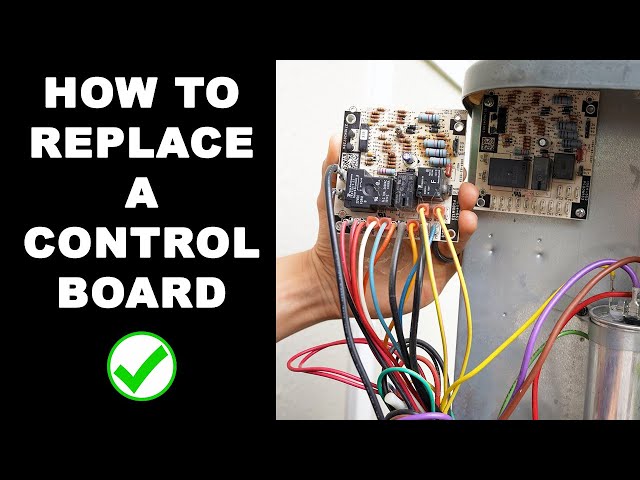
Hvac Control Board Location
Understanding Your HVAC Control Board: Location, Function, and Troubleshooting
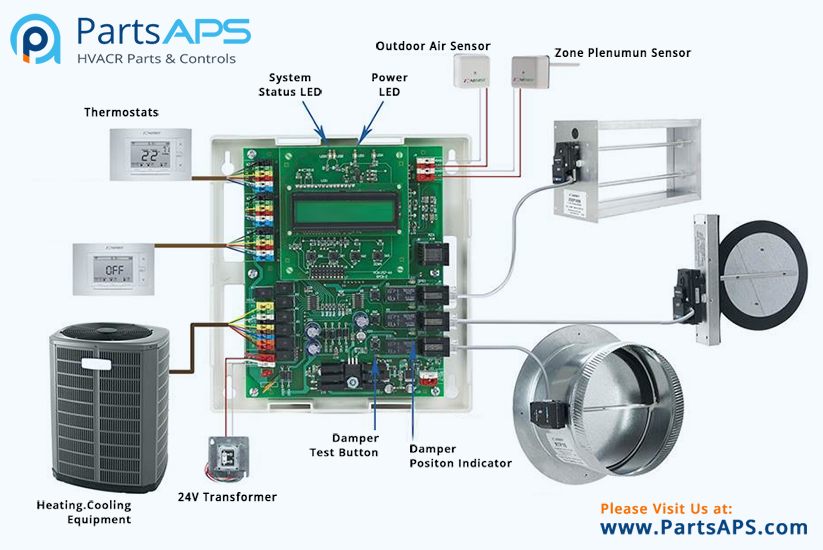
The HVAC control board is the brain of your heating and cooling system. It manages all the operational functions, from starting the blower motor to regulating the compressor and responding to thermostat signals. Understanding where this crucial component is located and how it functions is essential for homeowners, real estate investors, and even experienced HVAC professionals. This guide provides a detailed overview of HVAC control board locations, common issues, and basic troubleshooting tips.
Where to Find Your HVAC Control Board
The location of the HVAC control board varies depending on the type of system you have. Here's a breakdown of common locations based on system type:
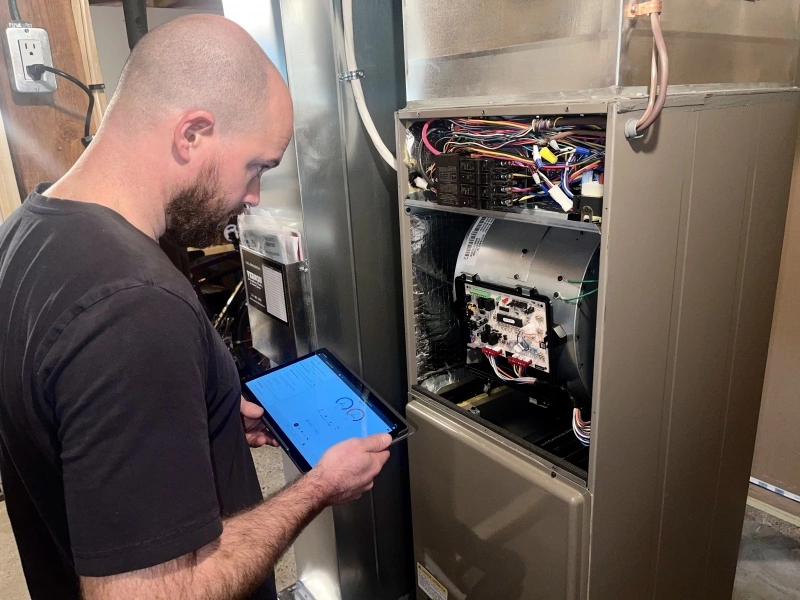
- Furnaces (Gas and Oil): The control board is typically located inside the furnace cabinet, often behind an access panel. Look for a metal box or enclosure near the blower motor or gas valve. You'll usually need to remove a panel, often secured with screws, to access it. Important: Always turn off the power to the furnace at the breaker before opening any panels.
- Air Conditioners (Central Air): For central air conditioning systems, the control board is usually found within the outdoor condenser unit. Accessing it requires removing one or more of the unit's panels. Again, ensure the power is switched off at the breaker. Some newer systems may also have a smaller control board located near the indoor evaporator coil unit as well.
- Heat Pumps: Heat pumps, which provide both heating and cooling, may have control boards in both the indoor and outdoor units. The indoor unit location is similar to that of a furnace, while the outdoor location resembles that of a central air conditioner.
- Mini-Split Systems: Mini-split systems, which are ductless, typically have a control board located inside the indoor unit. Accessing it often involves removing the front cover or a specific access panel.
Safety First: Remember to always disconnect the power supply to your HVAC system at the breaker box before attempting to locate or inspect the control board. Even with the system off, components within the control board can store electrical charge, posing a risk of electric shock.
Identifying the Control Board
Once you've located the general area, identifying the control board itself is usually straightforward. Look for:
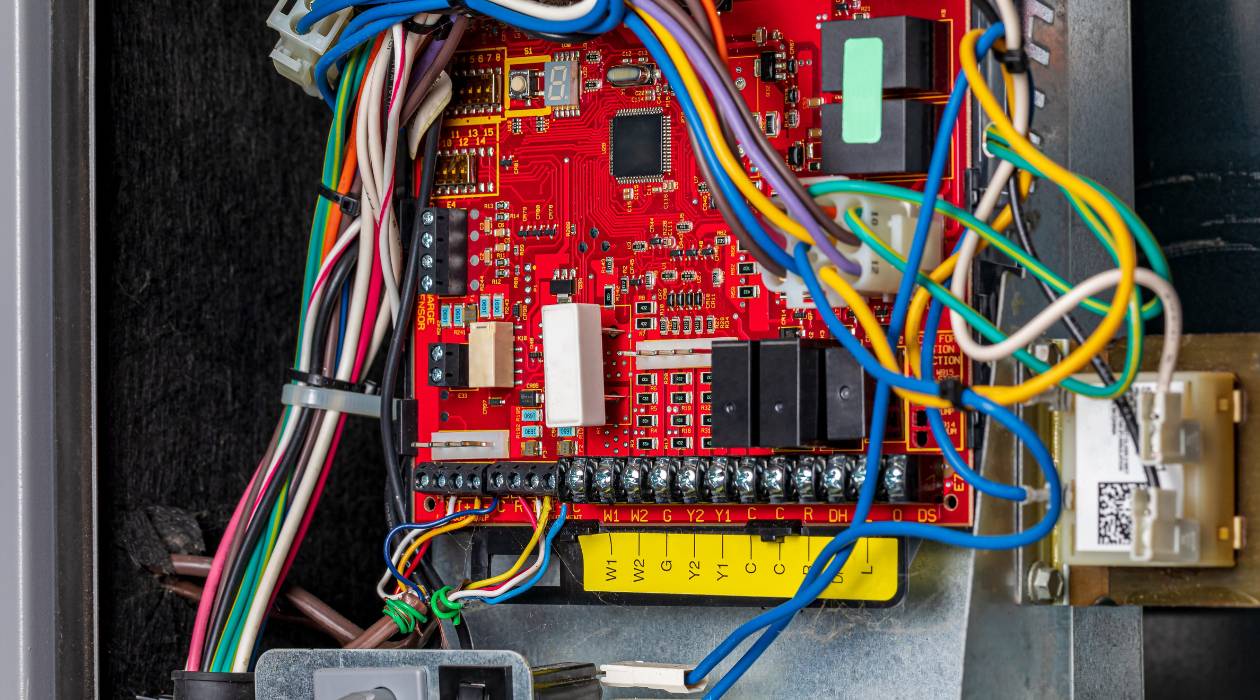
- A rectangular circuit board with numerous electronic components, such as resistors, capacitors, and integrated circuits.
- Wiring harnesses and connectors that attach to various system components.
- Relays, which are electromechanical switches used to control different functions.
- A protective enclosure, which may be metal or plastic.
- Sometimes, a diagnostic LED display that shows error codes.
Common Issues with HVAC Control Boards
A malfunctioning HVAC control board can cause a variety of problems, including:
- System Not Turning On: A completely dead control board will prevent the system from starting.
- Intermittent Operation: The system may turn on and off sporadically.
- Blower Motor Issues: The blower motor may not run, run constantly, or run at the wrong speed.
- Compressor Problems: The compressor may not start or may cycle on and off rapidly.
- Ignition Problems (Furnaces): The furnace may fail to ignite or may experience flame rollout.
- Error Codes: The control board may display error codes on a small LED display, indicating a specific problem. Consult your system's manual to decode these error codes.
Diagnosing control board issues often requires specialized knowledge and equipment. It's generally recommended to consult a qualified HVAC technician for accurate diagnosis and repair.
Basic Troubleshooting Tips (For Experienced DIYers Only)
Disclaimer: Working with HVAC systems can be dangerous. These tips are for experienced DIYers who are comfortable working with electrical systems. If you are not comfortable, contact a qualified HVAC technician.
- Check for Power: Ensure that the system is receiving power and that the breaker hasn't tripped.
- Inspect for Visible Damage: Look for any signs of physical damage to the control board, such as burned components, cracked traces, or bulging capacitors.
- Check Fuses: Many control boards have fuses that protect against overcurrent. Check these fuses and replace any that are blown.
- Test Relays: If you have a multimeter, you can test the relays to see if they are functioning properly.
- Look for Loose Connections: Check all wiring connections to ensure they are secure.
Important: Never attempt to repair a control board yourself unless you have the necessary skills and knowledge. Improper repairs can damage the system further or create a safety hazard.
When to Replace vs. Repair
The decision of whether to replace or repair an HVAC control board depends on several factors, including:
- Cost: The cost of a new control board can range from $100 to $500 or more, depending on the system and the complexity of the board. The cost of repair will depend on the extent of the damage and the labor rates of the HVAC technician.
- Age of the System: If your HVAC system is old (e.g., 15 years or more), it may be more cost-effective to replace the entire system rather than investing in a new control board.
- Availability of Parts: For older systems, replacement control boards may be difficult to find.
- Severity of the Damage: Minor issues, such as a blown fuse, may be easily repaired. However, extensive damage may necessitate replacement.
Consult with an HVAC technician to get an accurate assessment of the situation and a recommendation for the best course of action.
HVAC System Brands and Control Board Reliability
The reliability of HVAC control boards can vary depending on the brand and model of the system. Some brands are known for using higher-quality components and more robust designs.
Here's a general overview of some popular HVAC brands and their reputation for reliability:
- Trane/American Standard: These brands are generally considered to be reliable and durable, though parts can be more expensive. They often feature robust control boards.
AFUE: Up to 97%, SEER: Up to 22, HSPF: Up to 10.
- Carrier/Bryant/Payne: Carrier and its sister brands are known for innovation and energy efficiency. Their control boards are generally reliable, but some models may be more prone to issues than others.
AFUE: Up to 98.5%, SEER: Up to 24, HSPF: Up to 13.
- Lennox: Lennox offers a range of systems, from basic to high-end. Their high-end models often feature advanced control systems.
AFUE: Up to 99%, SEER: Up to 26, HSPF: Up to 12.
- Goodman/Amana: These brands are known for their affordability. While their control boards may not be as robust as those of higher-end brands, they are generally reliable for their price point.
AFUE: Up to 98%, SEER: Up to 24.5, HSPF: Up to 9.6.
It's important to note that reliability can vary even within a brand, so it's always a good idea to research specific models and read reviews before making a purchase.
Warranties and Maintenance
Most HVAC systems come with a manufacturer's warranty that covers the control board and other components. The length of the warranty varies depending on the brand and model, but it's typically between 5 and 10 years. Some manufacturers also offer extended warranties.
Proper maintenance can help extend the life of your HVAC control board and prevent problems. Regular maintenance tasks include:
- Changing air filters regularly.
- Cleaning the condenser coils.
- Inspecting and cleaning the blower motor.
- Having the system inspected annually by a qualified HVAC technician.
Following these maintenance tips can help keep your HVAC system running smoothly and prevent costly repairs.
Conclusion
The HVAC control board is a critical component of your heating and cooling system. Understanding its location, function, and common issues can help you troubleshoot problems and make informed decisions about repair or replacement. While some basic troubleshooting can be done by experienced DIYers, it's generally recommended to consult a qualified HVAC technician for accurate diagnosis and repair. By choosing a reliable brand, following proper maintenance procedures, and addressing issues promptly, you can ensure that your HVAC system provides years of reliable service.