Hvac Furnace Control Board
Understanding Your HVAC Furnace Control Board: A Comprehensive Guide
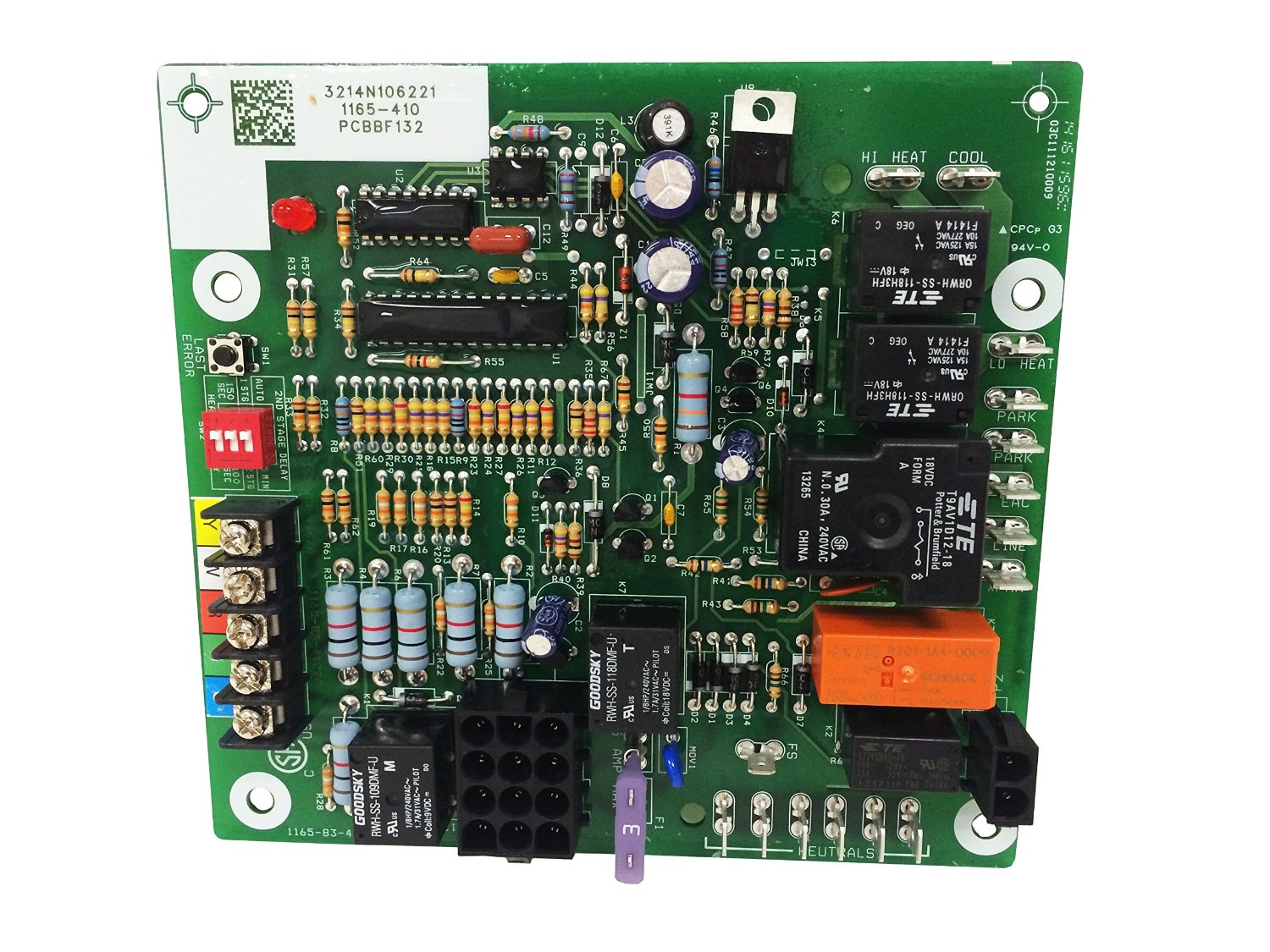
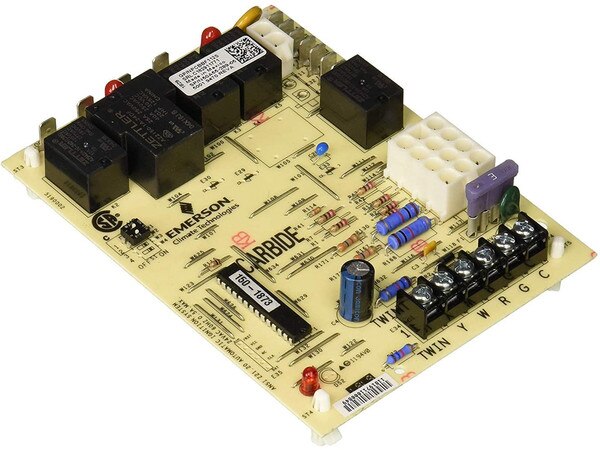
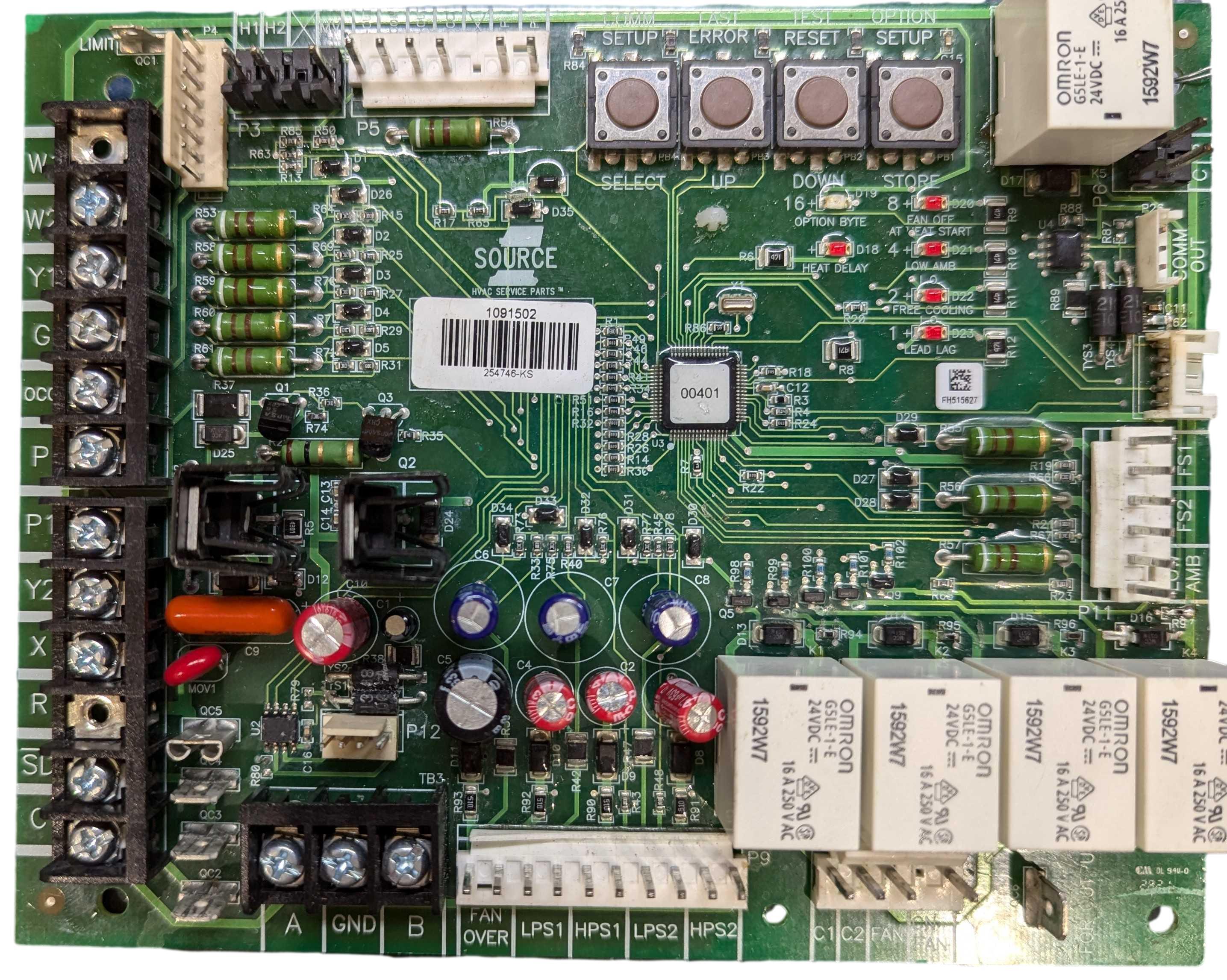
The HVAC furnace control board is the unsung hero of your home's heating system. Often overlooked, this small but mighty component acts as the brain of your furnace, orchestrating every function from ignition to fan operation. Understanding its role, potential issues, and replacement options is crucial for homeowners, real estate investors, and HVAC professionals alike.
What is a Furnace Control Board?
Essentially a printed circuit board (PCB), the furnace control board is responsible for managing the entire sequence of operations within your furnace. It receives signals from various sensors, such as the thermostat, flame sensor, and pressure switches, and then directs the furnace components to respond accordingly. This includes:
- Igniting the burners
- Controlling the blower motor
- Monitoring safety switches
- Regulating gas flow
- Communicating with the thermostat
A faulty control board can lead to a variety of heating problems, ranging from intermittent operation to a complete system shutdown. Recognizing the signs of a failing board and knowing your options can save you time, money, and frustration.
Common Issues and Troubleshooting
Identifying a problem with your furnace control board can sometimes be tricky, as the symptoms can overlap with other furnace issues. However, some common indicators include:
- Intermittent Furnace Operation: The furnace turns on and off erratically, without a consistent pattern.
- Blower Motor Problems: The blower motor runs constantly, doesn't run at all, or cycles on and off independently of the burner.
- No Ignition: The furnace attempts to start but fails to ignite the burners.
- Error Codes: Modern furnaces display error codes on the control board, which can help pinpoint the problem. Consult your furnace's manual for a list of codes and their corresponding issues.
- Burning Smell: A burnt smell emanating from the furnace could indicate a short circuit on the control board.
Troubleshooting Steps: If you suspect a problem with your furnace control board, consider these initial steps:
- Check the Power Supply: Ensure the furnace is receiving power. Check the circuit breaker and the furnace's power switch.
- Inspect the Wiring: Look for loose or damaged wires connected to the control board.
- Examine the Board for Damage: Visually inspect the board for any signs of burning, corrosion, or physical damage.
- Consult the Error Code (if applicable): Use the error code to narrow down the potential causes of the problem.
Important Note: Working with electrical components can be dangerous. If you are not comfortable performing these troubleshooting steps yourself, it's always best to consult a qualified HVAC technician.
Choosing a Replacement Control Board
If troubleshooting reveals a faulty control board, replacement is often the most practical solution. When selecting a replacement, consider these factors:
- Compatibility: Ensure the replacement board is compatible with your furnace's make and model. Check the part number on the old board and cross-reference it with the replacement board's specifications.
- OEM vs. Aftermarket: Original Equipment Manufacturer (OEM) boards are made by the same manufacturer as your furnace and are guaranteed to be compatible. Aftermarket boards can be a more affordable option, but ensure they are specifically designed for your furnace model.
- Quality and Reliability: Choose a reputable brand with a proven track record of producing reliable control boards.
- Warranty: Look for a replacement board with a warranty that covers defects in materials and workmanship.
Popular HVAC Brands and Control Boards
While individual control boards vary depending on the specific furnace model, some popular HVAC brands known for quality and reliability include:
- Carrier/Bryant: These brands are known for their innovative technology and energy-efficient furnaces. Control boards are generally robust but can be more expensive to replace.
- Trane/American Standard: Trane and American Standard offer a wide range of furnaces with reliable control boards. They are known for their durability and longevity.
- Goodman/Amana: Goodman and Amana offer more affordable options without sacrificing quality. Their control boards are generally reliable and easy to replace.
- Rheem/Ruud: Rheem and Ruud are known for their efficient furnaces and user-friendly controls.
Example Furnace Models and Features:
Carrier Infinity 98: A high-efficiency furnace with an AFUE rating of up to 98.5%. Features a sophisticated control board with advanced diagnostics and zoning capabilities.
Trane XV95: A variable-speed furnace with an AFUE rating of up to 97%. The control board offers precise temperature control and quiet operation.
Goodman GMVM97: A modulating furnace with an AFUE rating of up to 98%. The control board is designed for easy troubleshooting and replacement.
Understanding AFUE, SEER, and HSPF Ratings
When evaluating HVAC systems, understanding key efficiency ratings is crucial:
- AFUE (Annual Fuel Utilization Efficiency): This rating applies to furnaces and indicates how efficiently the furnace converts fuel (usually natural gas or propane) into heat. A higher AFUE rating means greater energy efficiency. For example, an AFUE of 95% means that 95% of the fuel is converted into usable heat, while the remaining 5% is lost.
- SEER (Seasonal Energy Efficiency Ratio): This rating applies to air conditioners and heat pumps (in cooling mode) and measures the cooling efficiency of the unit. A higher SEER rating indicates greater energy efficiency.
- HSPF (Heating Seasonal Performance Factor): This rating applies to heat pumps (in heating mode) and measures the heating efficiency of the unit. A higher HSPF rating indicates greater energy efficiency.
These ratings are essential for comparing the energy efficiency and operating costs of different HVAC systems. Look for models with higher AFUE, SEER, and HSPF ratings to save money on your energy bills and reduce your environmental impact.
Warranty and Maintenance
A comprehensive warranty provides peace of mind and protects you from unexpected repair costs. When purchasing a new furnace, carefully review the warranty terms and conditions. Look for warranties that cover parts and labor for a reasonable period. Many manufacturers offer extended warranties for added protection.
Regular maintenance is essential for keeping your furnace in top condition and extending its lifespan. Schedule annual maintenance checks with a qualified HVAC technician to inspect and clean your furnace, check for potential problems, and ensure it is operating efficiently. This can help prevent costly repairs down the road and improve your furnace's overall performance.
Cost Considerations
The cost of replacing a furnace control board can vary depending on the make and model of your furnace, the type of replacement board (OEM vs. aftermarket), and the labor costs of the HVAC technician. Generally, you can expect to pay anywhere from $200 to $600 for a replacement control board, including labor. Replacing an entire furnace can range from $3,000 - $8,000 depending on brand, efficiency and installation complexity. Factor in any applicable rebates or tax credits that may be available to reduce the overall cost.
Conclusion
The HVAC furnace control board is a vital component of your home's heating system. Understanding its function, potential issues, and replacement options can help you maintain a comfortable and energy-efficient home. By choosing a reliable replacement board, understanding efficiency ratings, and investing in regular maintenance, you can ensure that your furnace operates reliably for years to come. Remember to consult with a qualified HVAC technician for professional advice and assistance with any furnace-related issues.