Hvac Intake And Exhaust
Understanding Your HVAC Intake and Exhaust: A Homeowner's Guide
Your home's HVAC (Heating, Ventilation, and Air Conditioning) system is a complex network that relies on two crucial components: the intake and the exhaust. These elements ensure proper airflow, efficient operation, and ultimately, your comfort. Ignoring them can lead to reduced performance, increased energy bills, and even equipment failure. This guide will help you understand their function, identify common issues, and perform basic maintenance, but remember, safety always comes first!
What is an HVAC Intake?
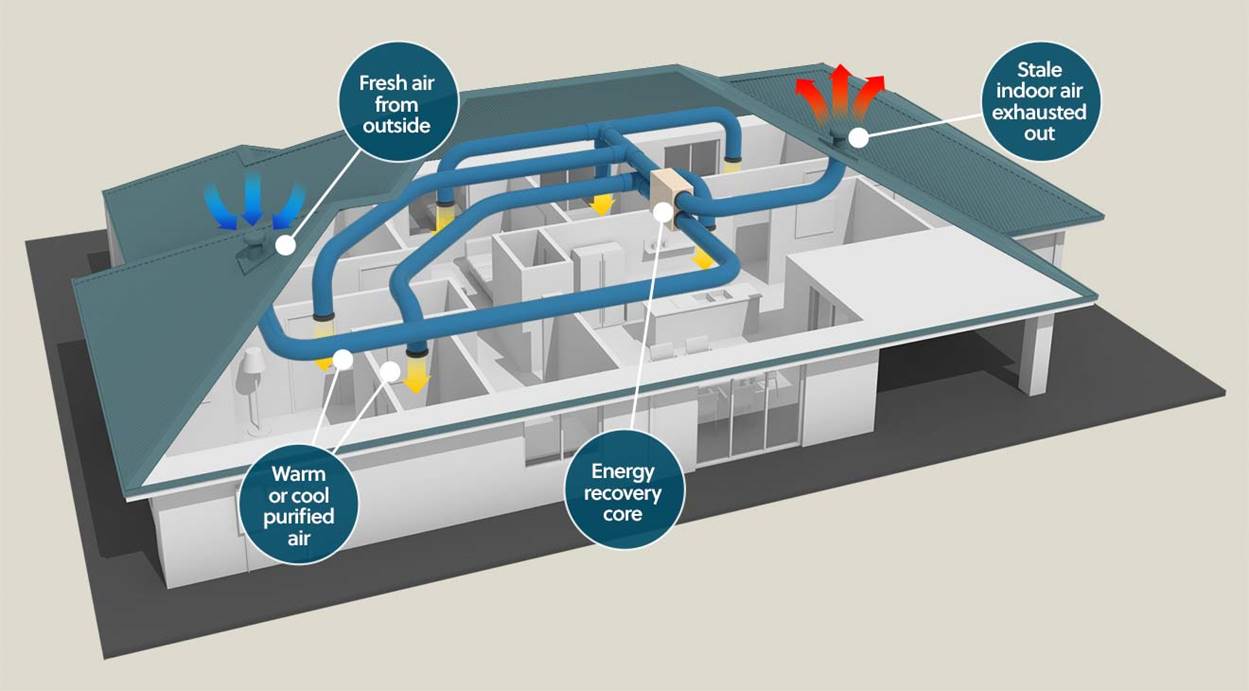
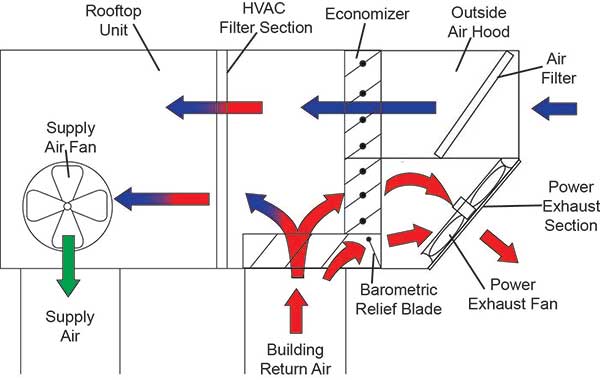
The intake is where your HVAC system draws air from your home. This air is then heated or cooled (depending on your system's mode) and recirculated. The intake is typically a large grille or vent located inside your house. Its primary function is to provide a continuous supply of air to the furnace or air handler.
Common Intake Issues and Solutions
- Dirty or Clogged Air Filter: This is the most frequent culprit behind intake problems. A dirty filter restricts airflow, forcing your system to work harder and reducing efficiency.
Solution: Regularly replace your air filter. How often depends on the type of filter and your home's environment, but a good rule of thumb is every 1-3 months. Check your filter monthly and replace it when it looks dirty.
- Blocked Intake Grille: Furniture, rugs, or other obstructions can block the intake grille, limiting airflow.
Solution: Ensure that the intake grille is free from obstructions. Move furniture or other items that might be blocking it.
- Leaky Ductwork: Leaks in the ductwork connected to the intake can draw in air from unconditioned spaces like attics or crawl spaces, reducing efficiency and potentially introducing dust and allergens.
Solution: Inspect the visible ductwork near the intake for any obvious tears or gaps. Seal small leaks with duct tape or mastic sealant. For larger or hard-to-reach leaks, it's best to call a professional.
What is an HVAC Exhaust?
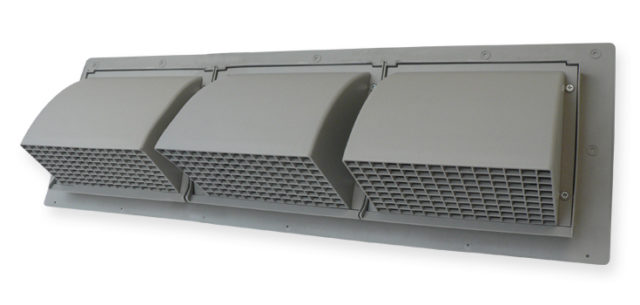
The exhaust is where your HVAC system vents combustion gases (from furnaces) or heat (from air conditioners) outside of your home. For furnaces, the exhaust typically consists of a flue pipe that vents through the roof or side of the house. For air conditioners, the exhaust is the heat expelled from the outdoor condenser unit.
Common Exhaust Issues and Solutions
- Blocked Flue Pipe (Furnace): A blocked flue pipe can cause a dangerous buildup of carbon monoxide inside your home. This is a serious safety hazard!
Solution: Visually inspect the flue pipe for any obstructions, such as bird nests or debris. If you suspect a blockage, do not operate the furnace and call a qualified HVAC technician or your gas company immediately. Carbon monoxide is odorless and deadly; have a CO detector installed and working properly.
- Damaged Flue Pipe (Furnace): Corrosion, rust, or physical damage to the flue pipe can create leaks, allowing dangerous gases to escape into your home.
Solution: Inspect the flue pipe for any signs of damage. If you find any, do not operate the furnace and call a qualified HVAC technician for repair or replacement.
- Obstructed Condenser Unit (Air Conditioner): The outdoor condenser unit needs adequate airflow to dissipate heat effectively. Obstructions like plants, debris, or even snow can reduce its efficiency.
Solution: Clear any obstructions around the condenser unit, ensuring at least 2-3 feet of clearance on all sides. Trim bushes and remove any debris that may have accumulated.
- Dirty Condenser Coils (Air Conditioner): Over time, the condenser coils can become coated with dirt and debris, reducing their ability to transfer heat.
Solution: Clean the condenser coils with a garden hose and a soft brush. Be careful not to damage the delicate fins. You can also purchase a commercial coil cleaner specifically designed for this purpose. Always turn off the power to the unit before cleaning.
DIY Maintenance Tips for Intake and Exhaust
Here are some general maintenance tasks you can perform to keep your HVAC intake and exhaust systems in good working order:
- Regularly Replace Air Filters: As mentioned earlier, this is the most important maintenance task you can perform.
- Keep Intake Grilles Clean and Unobstructed: Vacuum or dust the grilles regularly to remove any accumulated dirt or debris.
- Inspect Ductwork for Leaks: Seal any visible leaks with duct tape or mastic sealant.
- Clear Obstructions Around the Condenser Unit: Ensure adequate airflow around the unit.
- Clean Condenser Coils Annually: This will improve the unit's efficiency and prolong its lifespan.
- Visually Inspect Flue Pipe (Furnace): Look for any signs of damage or corrosion.
- Install and Maintain Carbon Monoxide Detectors: This is crucial for your safety.
When to Call a Professional
While some maintenance tasks can be performed by homeowners, certain issues require the expertise of a qualified HVAC technician. Here are some situations where you should call a pro:
- Any suspected carbon monoxide leak: This is a life-threatening emergency.
- Damaged or corroded flue pipe: This requires professional repair or replacement.
- Significant ductwork leaks: Sealing large or hard-to-reach leaks requires specialized equipment and knowledge.
- Refrigerant leaks: Handling refrigerant requires EPA certification.
- Electrical issues: Working with electrical components can be dangerous.
- If you're uncomfortable performing any task: It's always better to be safe than sorry.
Estimated Repair Costs
Here's a general idea of what you can expect to pay for common HVAC intake and exhaust repairs. These are just estimates, and the actual cost may vary depending on your location, the complexity of the job, and the contractor you choose.
- Air Filter Replacement: $10 - $50 (DIY) or $50 - $100 (Professional - including filter)
- Ductwork Sealing: $200 - $800 (depending on the extent of the leaks)
- Flue Pipe Repair/Replacement: $300 - $1500 (depending on the extent of the damage and type of pipe)
- Condenser Coil Cleaning (Professional): $75 - $300
- Carbon Monoxide Detector Installation: $50 - $150 (plus the cost of the detector)
Important Note: These are estimates only. Always get multiple quotes from qualified HVAC technicians before making a decision.
Tools and Materials You Might Need
Here's a list of tools and materials you might need for basic HVAC intake and exhaust maintenance:
- New Air Filters: Make sure to get the correct size and type for your system.
- Duct Tape or Mastic Sealant: For sealing ductwork leaks.
- Screwdrivers: For removing and replacing grilles and access panels.
- Vacuum Cleaner: For cleaning grilles and vents.
- Soft Brush: For cleaning condenser coils.
- Garden Hose: For rinsing condenser coils.
- Work Gloves: To protect your hands.
- Safety Glasses: To protect your eyes.
- Carbon Monoxide Detector: A crucial safety device.
By understanding the function of your HVAC intake and exhaust systems, performing regular maintenance, and knowing when to call a professional, you can ensure efficient operation, lower energy bills, and a comfortable home environment. Remember to always prioritize safety and consult with a qualified technician if you're unsure about any aspect of HVAC repair or maintenance.
Disclaimer: This guide is for informational purposes only and should not be considered a substitute for professional advice. Always consult with a qualified HVAC technician for any complex repairs or if you have any concerns about your HVAC system. Improper repairs can be dangerous and may void your warranty.