Hvac System For Two Story House
HVAC Systems for Two-Story Homes: Your Questions Answered
Heating and cooling a two-story home efficiently presents unique challenges. This FAQ addresses common concerns and provides clear, concise answers to help you understand your HVAC options and ensure optimal comfort.
Question 1: Why is it so hard to heat and cool a two-story house evenly?
Answer: Several factors contribute to uneven temperatures in two-story homes. The most prominent is the natural phenomenon of heat rising. In winter, warm air naturally migrates to the upper floor, leaving the lower level cooler. Conversely, in summer, warm air accumulates upstairs, making it harder to cool down. Other contributing factors include:
- Poor insulation: Inadequate insulation in walls, attics, and basements can lead to significant heat loss or gain, exacerbating temperature imbalances.
- Air leaks: Drafts around windows, doors, and other openings allow conditioned air to escape and unconditioned air to enter, impacting overall efficiency and comfort.
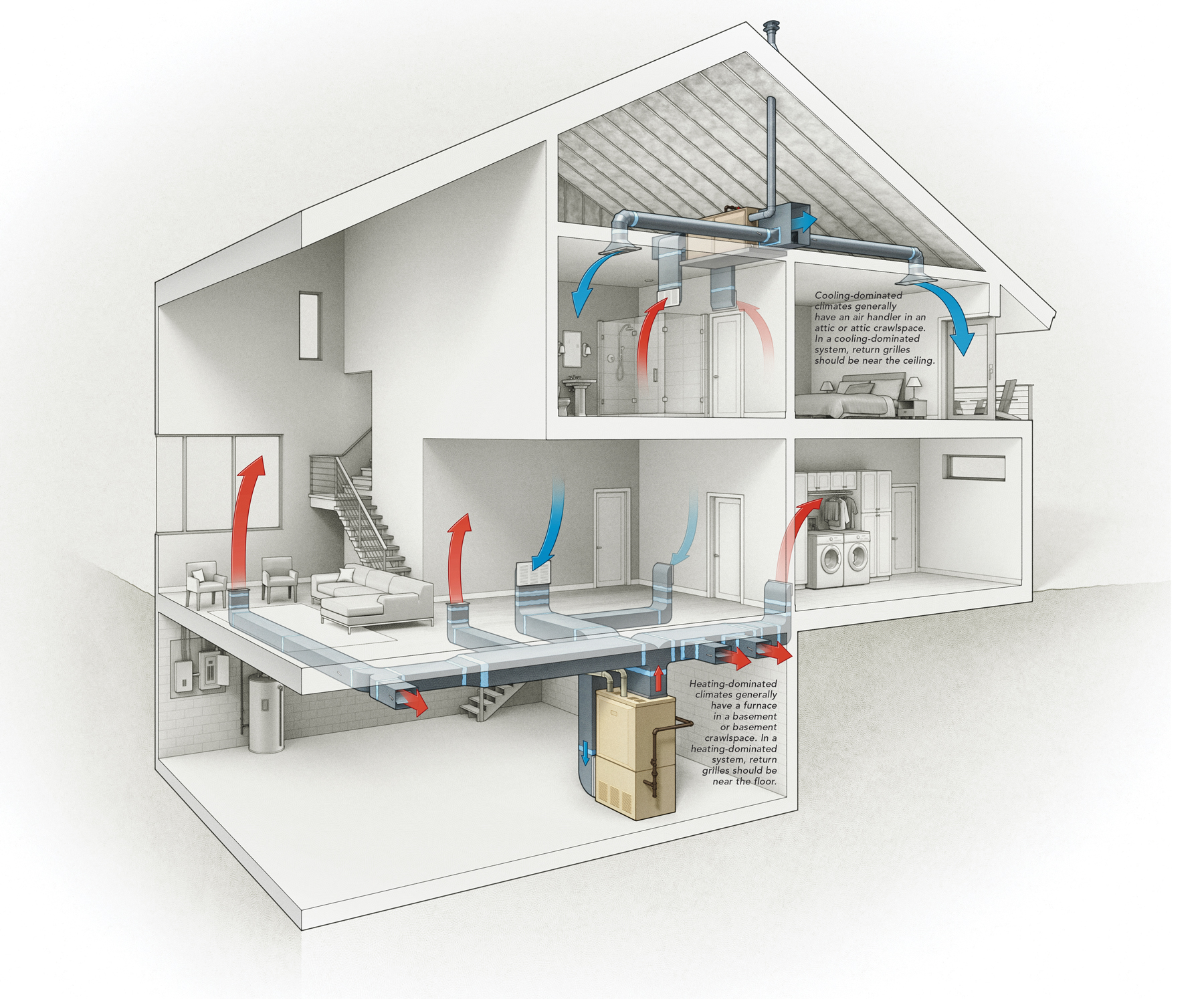
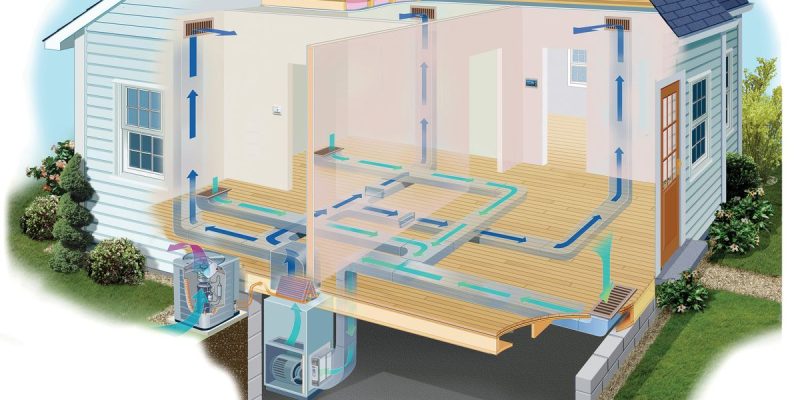
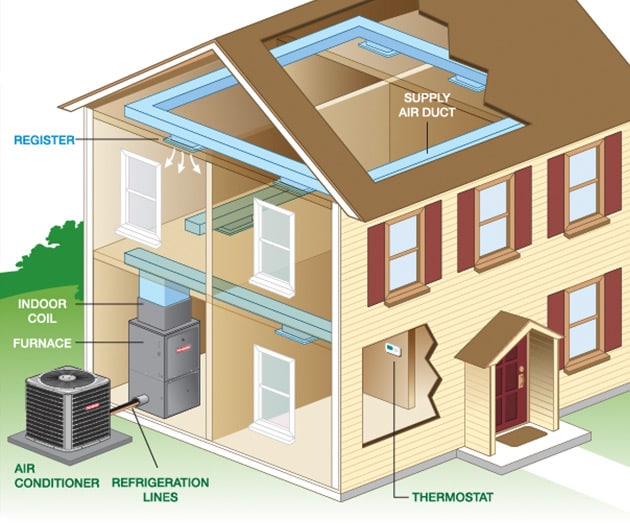
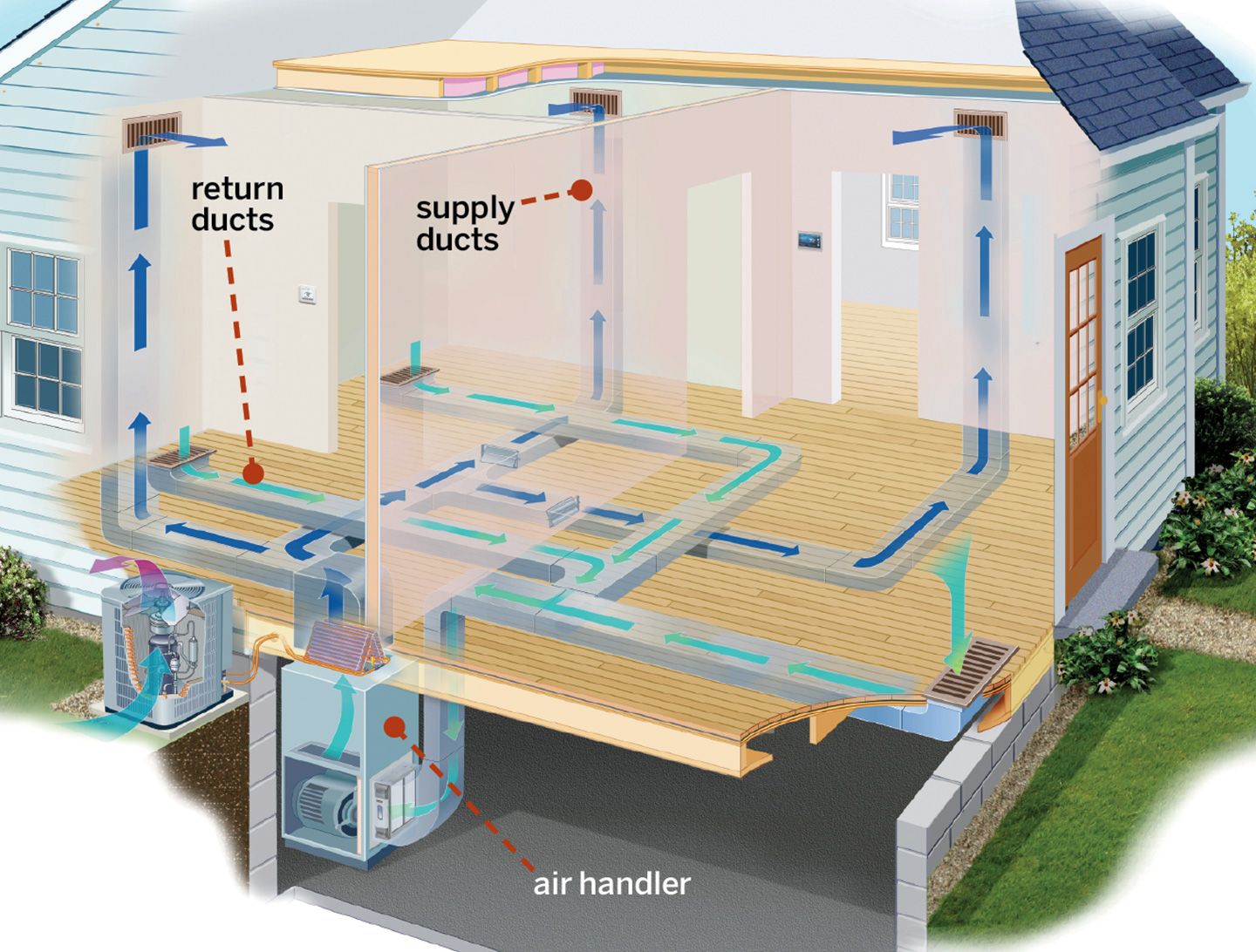
- Ductwork issues: Leaky, poorly insulated, or improperly sized ductwork can restrict airflow to certain areas, resulting in hot or cold spots.
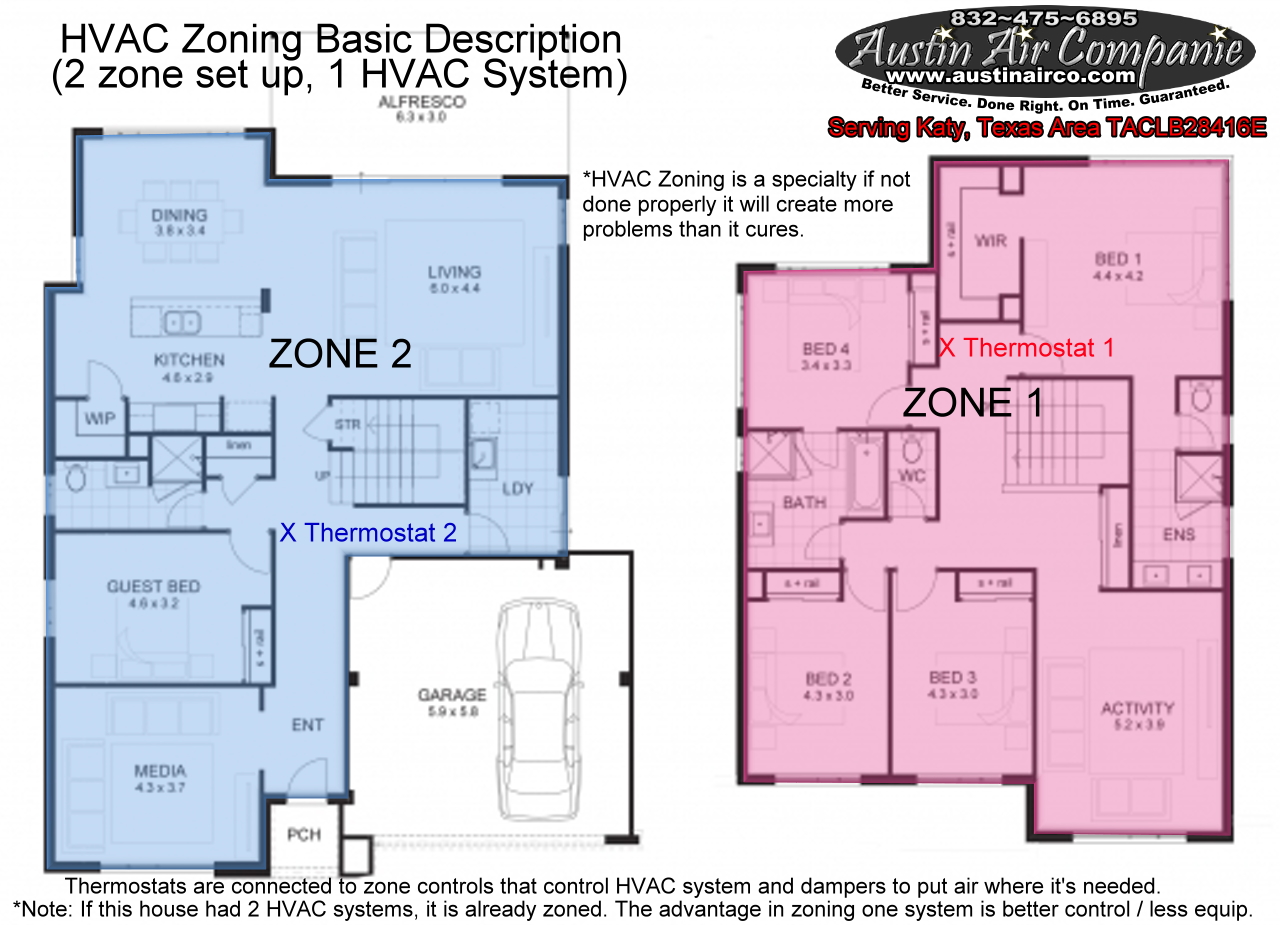
- Single-zone systems: Relying on a single thermostat to control the entire house often leads to uneven temperatures, as the system struggles to meet the different heating and cooling needs of each floor.
- Window exposure: Large south-facing windows can cause significant solar heat gain during the summer, overheating the upper floor.
Question 2: What are the best HVAC system options for a two-story home?
Answer: There are several effective HVAC system options for two-story homes. The best choice depends on your budget, existing infrastructure, and specific needs. Here are some of the most popular:
- Dual-Zone System: This involves having two separate HVAC systems, each dedicated to one floor. This is often the most effective solution, as it allows for independent temperature control on each level. Benefits include:
- Precise temperature control: Each floor can be heated or cooled to its desired temperature without affecting the other.
- Energy efficiency: Only condition the areas that need it, reducing energy consumption.
- Improved comfort: Eliminates hot and cold spots throughout the house.
- Zoned System with Dampers: This uses a single HVAC system but incorporates dampers in the ductwork to regulate airflow to different zones (usually each floor). A zone control panel allows you to adjust the temperature in each zone. Benefits include:
- Cost-effective alternative: Less expensive than installing two separate systems.
- Improved temperature balance: Provides better temperature control compared to a single-zone system.
- Relatively easy installation: Can be retrofitted into existing ductwork.
- Mini-Split Systems (Ductless): These systems consist of an outdoor compressor and one or more indoor air handlers mounted on walls or ceilings. They are highly efficient and allow for individual room temperature control. Benefits include:
- Zone-by-zone control: Each indoor unit can be controlled independently, allowing for personalized comfort.
- Energy efficiency: Eliminates ductwork losses, making them highly efficient.
- Easy installation: Requires only a small hole in the wall for refrigerant lines.
- Heat Pumps: Heat pumps transfer heat rather than generating it, making them a very efficient option for both heating and cooling. They can be paired with ductwork or used in ductless mini-split systems. Benefits include:
- Year-round comfort: Provides both heating and cooling.
- Energy efficiency: More efficient than traditional furnaces and air conditioners.
- Environmentally friendly: Reduces reliance on fossil fuels.
Question 3: What are the pros and cons of a dual-zone system versus a single-zone system with zoning?
Answer: Both dual-zone systems and single-zone systems with zoning offer improvements over a single-zone system, but they have distinct advantages and disadvantages:
Dual-Zone System:
Pros:
- Superior temperature control: Independent systems ensure precise temperature management on each floor.
- Enhanced energy efficiency: Each system operates only when needed, minimizing energy waste.
- Redundancy: If one system fails, the other can still provide heating or cooling.
- Longer lifespan: Each system operates less frequently, potentially extending its lifespan.
Cons:
- Higher initial cost: Requires the purchase and installation of two complete HVAC systems.
- More space required: Needs space for two outdoor units and potentially additional ductwork.
Single-Zone System with Zoning (Dampers):
Pros:
- Lower initial cost: Less expensive than installing a dual-zone system.
- Simpler installation: Can be retrofitted into existing ductwork.
Cons:
- Less precise temperature control: Dampers can restrict airflow but don't completely isolate zones.
- Potential for temperature fluctuations: When one zone calls for heating or cooling, the entire system operates, potentially over-conditioning other zones.
- Can stress the system: The single system may work harder to meet the demands of different zones, potentially shortening its lifespan.
- Air Balancing can be tricky: Getting the right airflow to each zone requires careful calibration.
In general, a dual-zone system is the preferred option for optimal comfort and efficiency, while a single-zone system with zoning is a more budget-friendly alternative.
Question 4: How important is insulation and air sealing for a two-story home's HVAC efficiency?
Answer: Insulation and air sealing are absolutely critical for HVAC efficiency in any home, but especially in two-story homes. Without proper insulation and air sealing, you're essentially throwing money out the window (literally!).
Insulation: Adequate insulation in walls, attics, and basements helps to slow down the transfer of heat, keeping your home warmer in winter and cooler in summer. This reduces the workload on your HVAC system, saving you money on energy bills.
Air Sealing: Air sealing involves sealing any gaps or cracks in your home's envelope that allow air to leak in or out. Common areas for air leaks include:
- Around windows and doors
- Where pipes and wires enter the house
- Attic access panels
- Basement foundations
- Fireplace flues
By sealing these air leaks, you can significantly reduce energy waste and improve the overall comfort of your home. Air sealing complements insulation by preventing conditioned air from escaping and unconditioned air from entering. Combined, they create a tight thermal envelope that minimizes heat loss and gain, maximizing HVAC efficiency.
Prioritizing insulation and air sealing is often the best first step before upgrading or modifying your HVAC system. It can significantly improve your home's comfort and energy efficiency, potentially allowing you to downsize the HVAC system you need, saving you money in the long run.
Question 5: What size HVAC system do I need for my two-story house?
Answer: Determining the correct HVAC system size is crucial for both comfort and efficiency. An oversized system will cycle on and off frequently, leading to temperature fluctuations and wasted energy. An undersized system will struggle to maintain the desired temperature, especially during extreme weather.
Never rely on rule-of-thumb estimates. A professional HVAC contractor should perform a Manual J load calculation to determine the precise heating and cooling requirements of your home. This calculation takes into account various factors, including:
- Square footage: The overall size of your home.
- Climate: The average temperatures and humidity levels in your area.
- Insulation levels: The R-value of your insulation in walls, ceilings, and floors.
- Window size and type: The amount of sunlight entering your home and the energy efficiency of your windows.
- Air leakage: The amount of air infiltrating your home through cracks and gaps.
- Occupancy: The number of people living in your home.
- Appliances: Heat-generating appliances, such as ovens and dryers.
- Orientation: The direction your house faces.
The Manual J calculation will provide you with the BTU (British Thermal Unit) requirements for both heating and cooling. This information will help you select an HVAC system that is appropriately sized for your home's specific needs.
Question 6: How often should I have my HVAC system serviced in a two-story home?
Answer: Regular maintenance is essential to keep your HVAC system running efficiently and reliably, regardless of whether you have a single-story or two-story home. However, given the potential for more complex systems (dual-zone, zoning) in two-story homes, consistent maintenance is even more important.
Ideally, you should have your HVAC system serviced at least twice a year:
- Heating system check: In the fall, before the heating season begins.
- Cooling system check: In the spring, before the cooling season begins.
A typical HVAC service appointment includes:
- Inspecting and cleaning the system components, including the blower motor, coils, and burners.
- Checking refrigerant levels (for cooling systems).
- Testing for leaks in the ductwork.
- Inspecting electrical connections.
- Replacing air filters.
- Calibrating the thermostat.
Regular maintenance can help:
- Improve energy efficiency.
- Extend the lifespan of your system.
- Prevent costly repairs.
- Ensure optimal performance.
- Maintain good indoor air quality.
Consider a preventative maintenance agreement with a reputable HVAC contractor. These agreements typically include scheduled maintenance visits and discounts on repairs.
Question 7: What are some signs that my HVAC system is struggling to handle my two-story home's needs?
Answer: Several telltale signs indicate your HVAC system isn't adequately addressing the unique demands of a two-story home. Recognizing these issues early allows you to address them promptly and prevent further problems.
- Uneven temperatures: This is the most common symptom. One floor is consistently warmer or cooler than the other, despite thermostat settings.
- High energy bills: A sudden or gradual increase in your energy bills without any other apparent reason could indicate that your HVAC system is working harder to maintain comfortable temperatures.
- Hot and cold spots: Specific rooms or areas within a floor are noticeably warmer or cooler than others.
- Constant cycling: The HVAC system turns on and off frequently, even when the desired temperature is reached.
- System runs constantly: The system runs continuously without ever shutting off, struggling to reach the set temperature.
- Noisy operation: Unusual noises, such as banging, rattling, or whistling, could indicate a problem with the system's components.
- Poor airflow: Weak airflow from vents in certain areas of the house.
- Humidity problems: Excessive humidity in the summer or dryness in the winter.
- Dust and allergens: An increase in dust and allergens in the air could indicate a problem with the system's filtration.
If you experience any of these signs, it's important to consult with a qualified HVAC contractor to diagnose the problem and recommend appropriate solutions. This may involve upgrading your system, improving insulation and air sealing, or optimizing your ductwork.